⚠️ Disclosure: This post contains Amazon affiliate links. We may earn a commission at no extra cost to you.
To practice sustainable wild camping, follow these five essential guidelines:
- Choose Eco-Friendly Campsites: Select durable surfaces, camp away from water sources, and check local regulations.
- Practice Responsible Waste Disposal: Carry out all trash, including food scraps, and use trowels for human waste disposal.
- Respect Wildlife and Natural Habitats: Observe wildlife distantly and use designated trails.
- Follow Leave No Trace Principles: Set up camp on established sites and extinguish campfires completely.
- Use Biodegradable Products: Opt for eco-friendly soaps and compostable bags.
You may be interested
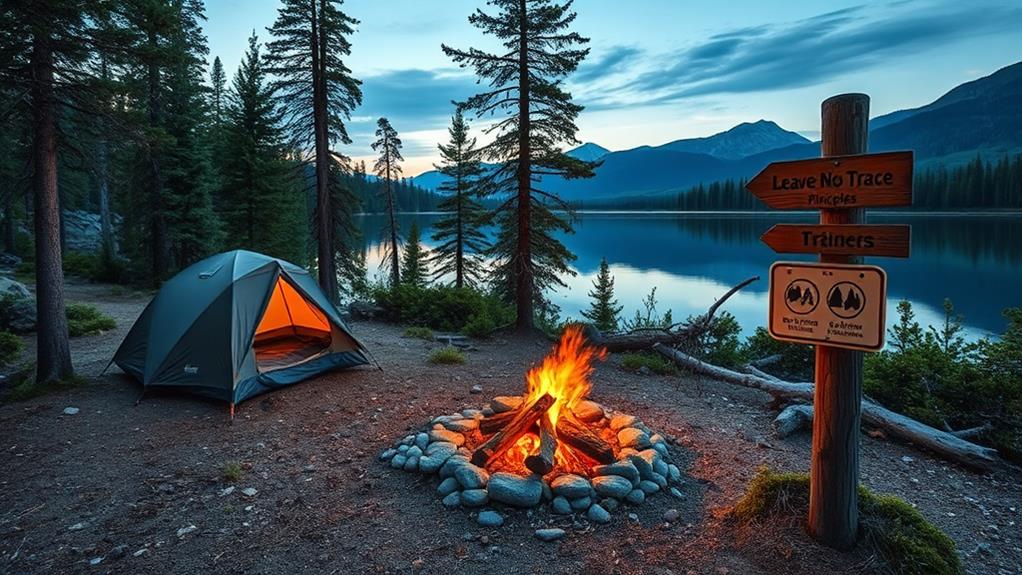

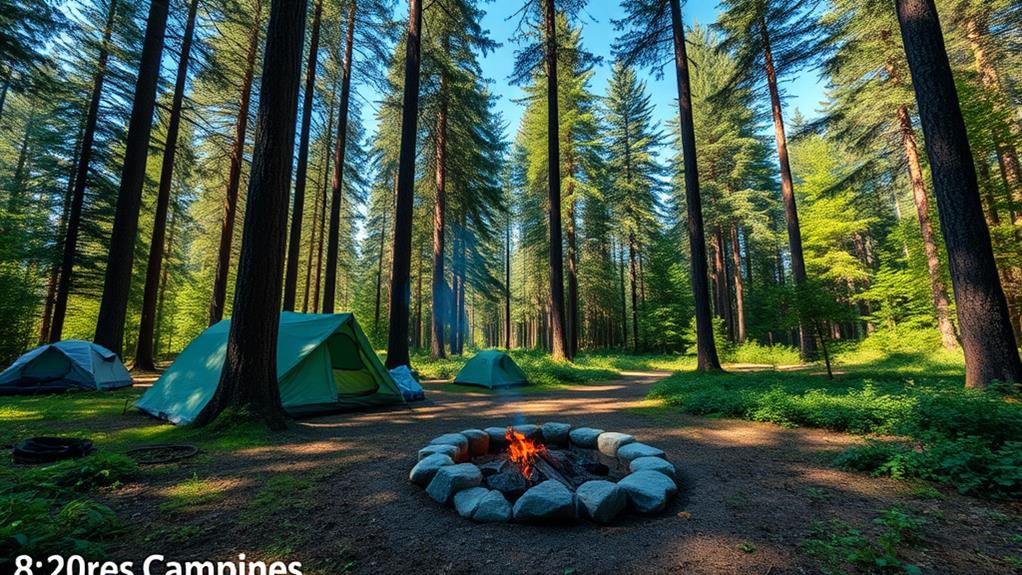
By adhering to these practices, you'll help protect the environment and enjoy nature responsibly, enhancing your camping experience.
Key Takeaways
- Choose eco-friendly campsites by setting up at least 200 meters from water sources and on durable surfaces to minimize environmental impact.
- Practice responsible waste disposal by packing out all trash and using biodegradable soap 200 feet away from water sources.
- Respect wildlife by observing from a distance and using designated trails to protect natural habitats and prevent vegetation damage.
- Follow Leave No Trace principles by camping on established sites and ensuring all campfires are completely extinguished.
- Use biodegradable products, such as natural soaps and compostable trash bags, to reduce pollution and promote sustainability in the outdoors.
Choose Eco-Friendly Campsites

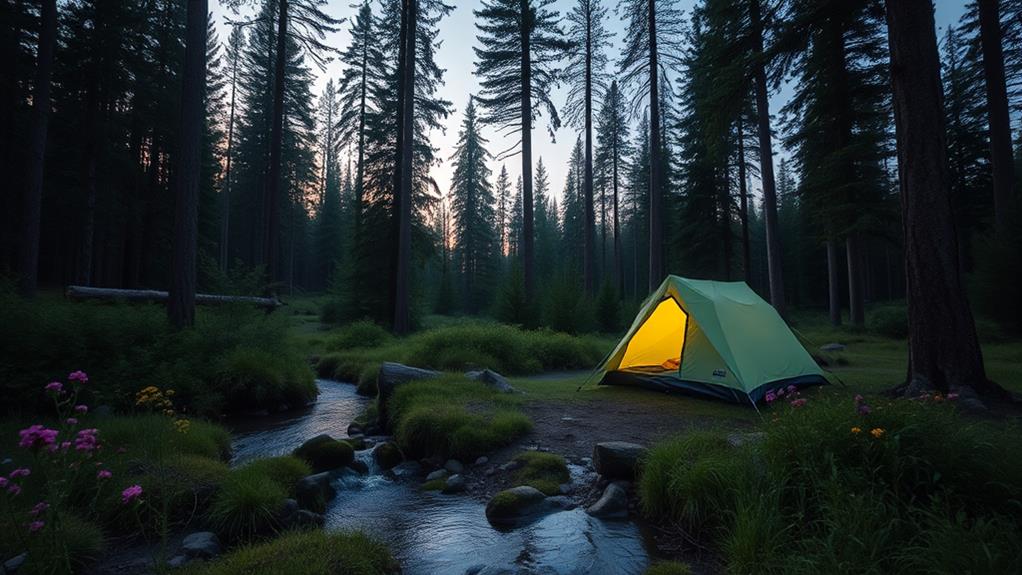
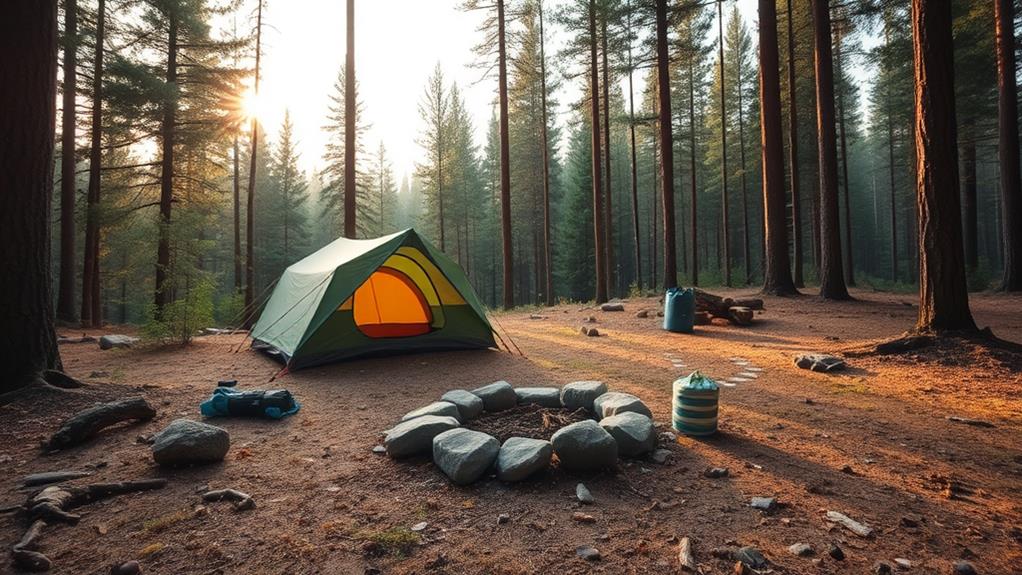
Choosing the right campsite is essential for a sustainable wild camping experience. Here are key considerations to guarantee you're choosing eco-friendly campsites:
- Distance from Water Sources: Always camp at least 200 meters away from water sources to prevent contamination and protect aquatic ecosystems.
- Durable Surfaces: Opt for campsites on durable surfaces like gravel or established trails to minimize erosion and environmental impact.
- Less Crowded Areas: Seek out less crowded parks or remote locations to reduce strain on popular sites and enhance your sustainable camping experience.
- Local Regulations: Research local regulations regarding camping in protected areas to guarantee compliance and respect for natural habitats.
- Natural Camouflage: Choose sites with natural camouflage from trees or shrubs to minimize visual impact on the landscape.
Adhering to these guidelines promotes camping etiquette and preserves the environment.
Recommended Products
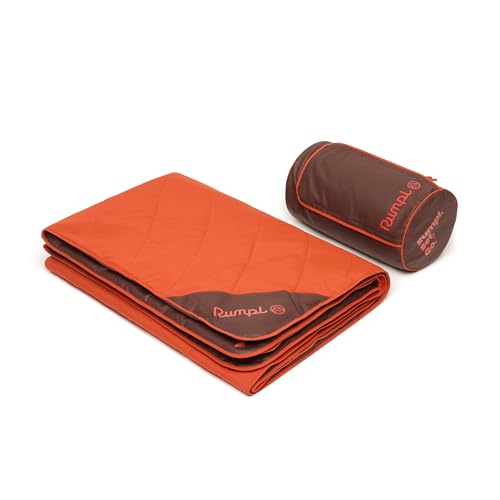
Take dry ground anywhere with a rugged mat built with high-performance materials and padded insulation; designed as both a ground barrier and a blanket for versatile use on rocky beaches, overland expeditions, and powder days

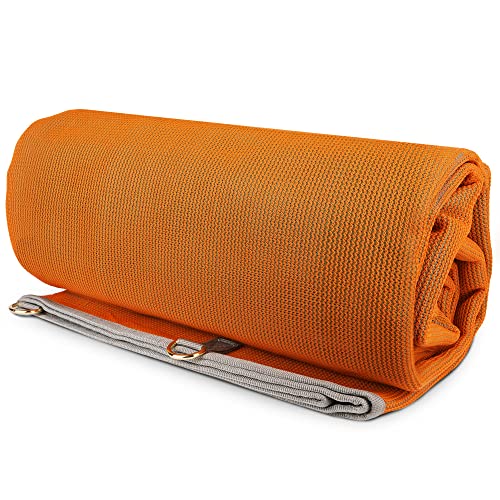
The Original – This mat started the sand-free revolution, and it remains in high demand as the ultimate sand-free ground pad, beach blanket, and equipment mat for serious outdoor adventures.
Practice Responsible Waste Disposal
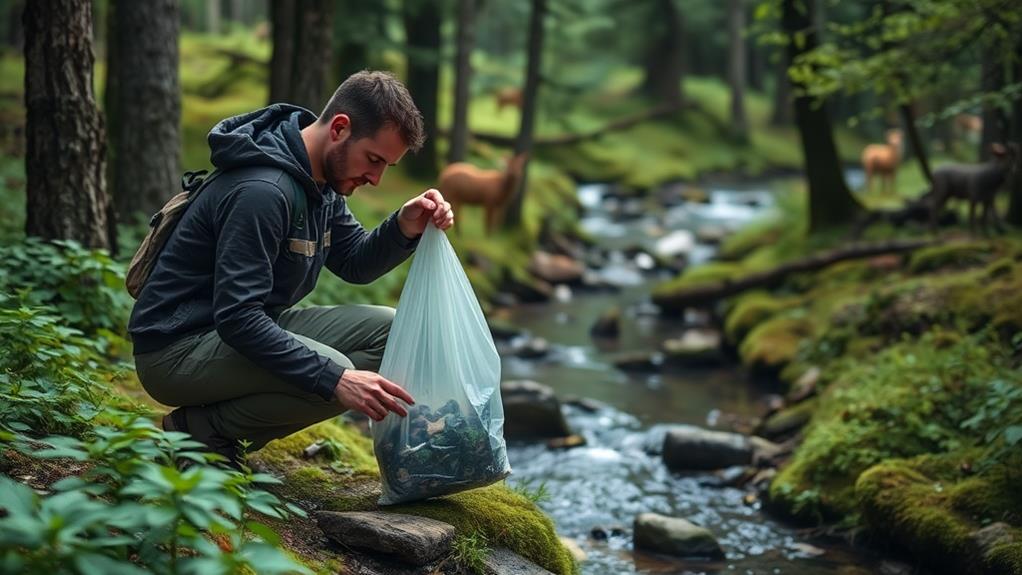
Practicing responsible waste disposal is essential for preserving the beauty of nature and keeping wildlife safe. When you're camping, always pack out all trash, including food scraps and packaging. This prevents wildlife from being attracted to your site and maintains cleanliness.
For human waste, dig a hole at least 6 inches deep and 200 feet away from water sources to minimize contamination. Carry a trowel or WAG Bags for proper disposal. Use biodegradable soap when washing dishes, and dispose of dishwater at least 200 feet from your campsite and water sources to protect aquatic ecosystems.
Remember to adhere to Leave No Trace principles by ensuring your campsite shows no signs of your presence, including removing burn marks from campfires.
Recommended Products

Maximum cooling efficiency
GARBAGE DISPOSAL: While all of our disposals are septic friendly, the Evolution Septic Assist garbage disposal adds extra confidence to homes with septic systems. Bio-Charge, an automatic injection of microorganisms, helps break down food waste.
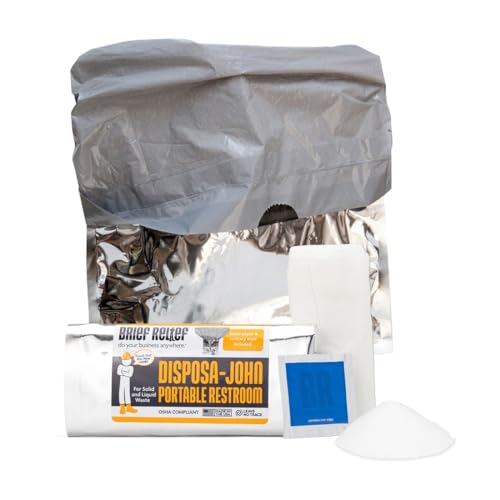
All-in-One Kit: Includes silver triple barrier bag, inner bag, ample toilet paper and wet wipe. Everything you need for a restroom break on-the-go. Made in USA.
Respect Wildlife and Natural Habitats
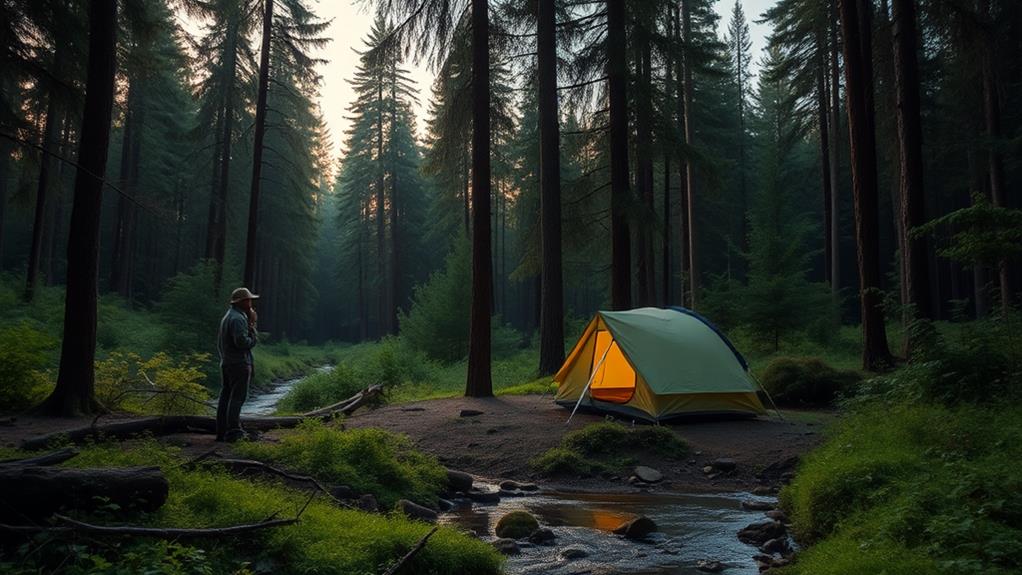
After guaranteeing responsible waste disposal, the next step in protecting the environment while camping is to respect wildlife and their natural habitats. To minimize impact, always observe wildlife from a distance, allowing them to maintain their natural behavior. Use designated trails to prevent trampling delicate vegetation and protect ecosystems.
Proper food storage is vital; employ bear-proof containers in bear country to avoid human-wildlife conflicts. Additionally, avoid leaving waste or food scraps behind, as this can disrupt wildlife foraging habits.
Familiarize yourself with local wildlife regulations and guidelines to guarantee you respect protected species and their environments. By following these practices, you contribute to the well-being of wildlife and preserve the beauty of nature for future adventurers.
Recommended Products


KIT INCLUDES - 2 Paintable Roof Tape 4'' x 25' with Roller, 4 x 10oz Tubes of Self Leveling Caulking Lap Sealant, 1 x 1G Roof Cleaner and 2 x 1G & 4G Silicone Pail

KIT INCLUDES - 2 Paintable Roof Tape 4'' x 25' with Roller, 4 x 10oz Tubes of Self Leveling Caulking Lap Sealant, 1G Roof Cleaner and 1G & 4G Silicone Pail
Follow Leave No Trace Principles
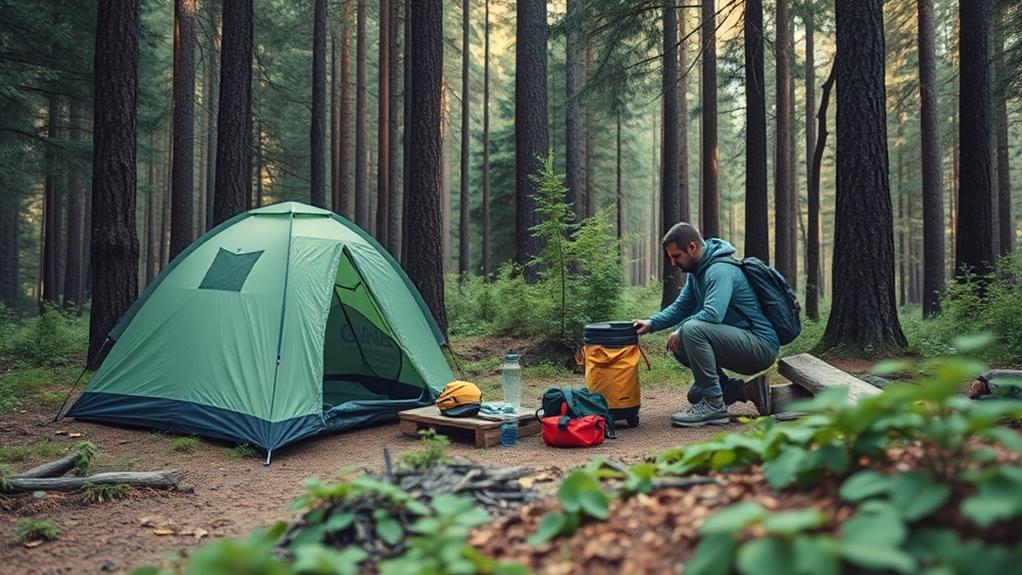
When you're out in nature, following Leave No Trace principles is essential to preserving the environment for future campers. By adopting these practices, you can guarantee your camping experience is environmentally friendly:
- Pack out all trash: Don't leave anything behind—this includes food scraps and packaging.
- Choose durable surfaces: Set up your tent on established sites to avoid damaging the soil and vegetation.
- Proper sanitation practices: When you dispose of human waste, dig a hole 6 inches deep and at least 200 feet from water sources.
- Extinguish campfires completely: Confirm fires are out and avoid creating new fire pits.
Additionally, remember to observe wildlife from a distance, maintaining their natural behaviors and guaranteeing a respectful coexistence.
Recommended Products
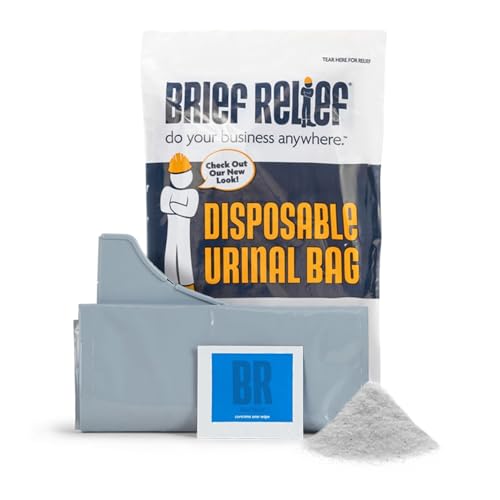
It’s in the Bag: Do your business anywhere. Includes puncture-proof disposable gray urinal bag pre-filled with instant gelling powder and wet wipe. Made in USA.

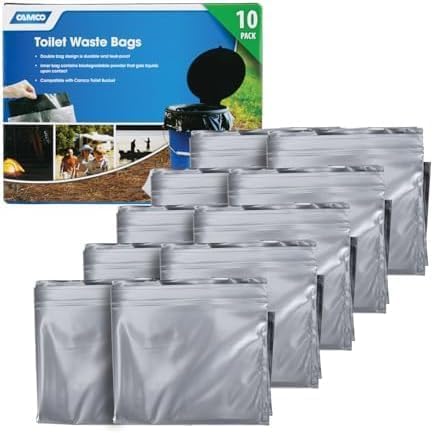
All-in-One: Each Wag Bag Platinum Kit contains instant gelling poo powder inside a triple barrier zip close bag, toilet paper and sanitizing handwipe. Made in USA.
Use Biodegradable Products and Materials
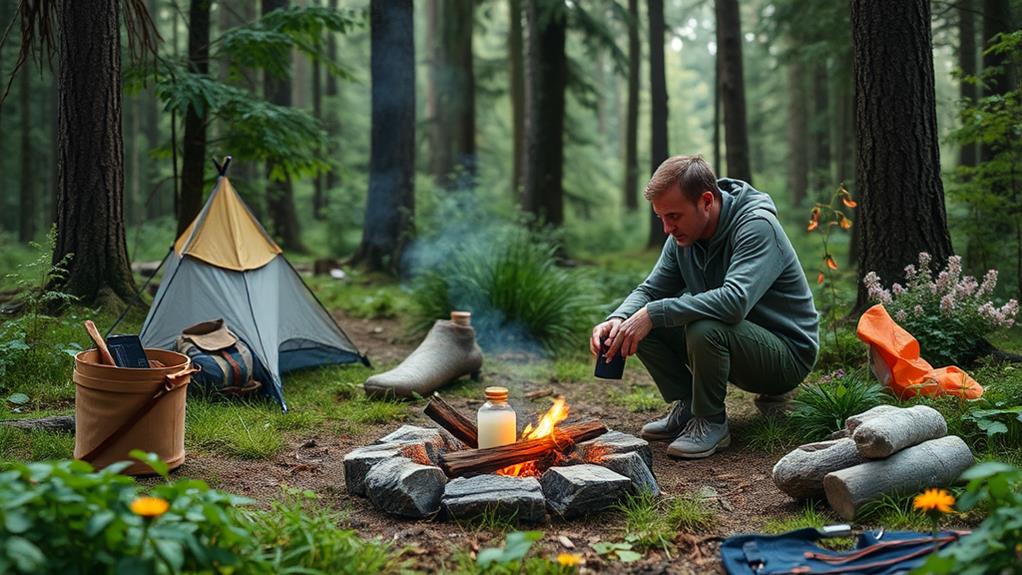
Using biodegradable products and materials is a simple yet impactful way to reduce your environmental footprint while camping. To embrace sustainable practices, consider the following options:
- Biodegradable Soaps: Opt for biodegradable soaps, which break down easily and minimize harm to aquatic ecosystems.
- Biodegradable Toilet Paper: Choose toilet paper made from recycled or biodegradable materials that decompose quickly, reducing waste in natural areas.
- Compostable Trash Bags: Use compostable trash bags for waste disposal, as they naturally break down and lessen your overall impact.
- Reusable Containers: Select containers made from eco-friendly materials to avoid single-use plastics.
- Biodegradable Hygiene Products: Bring items like bamboo toothbrushes and natural fiber sponges to maintain cleanliness without harming the environment.
Recommended Products

PROFESSIONAL HOSPITALITY GUEST AMENITIES: Designed specifically for hospitality environments, including vacation rentals, motels, inns, resorts, and STR properties that want to deliver a clean, polished, and professional guest experience. These travel-size toiletry sets elevate bathroom presentation, support guest comfort, and contribute to overall satisfaction by offering a hospitality-grade amenity guests recognize, trust, and expect.

MEN’S HYGIENE KITS FOR HOMELESS IN BULK: 25 kits each contain: (1) 2-in-1 shampoo & conditioner, (1) body wash, (1) deodorant stick, (1) toothbrush with (1) protective cover, (1) anti-cavity toothpaste, (2) dental floss picks, (1) hair comb, (1) shaving cream, (1) twin blade razor. Plus, BONUS (1) TSA approved quart size reusable bag, & the (1) reusable zippered pouch it all comes in!

BULK HYGIENE SUPPLIES: 50 pack bulk of 15 pieces kits: 750 total pieces. Each individual kit contains: (2) fluoride toothpastes, (1) Toothbrush for adults or kids, (1) cleansing Shampoo, (1) liquid Body Wash, (1) Deodorant pack (2) Deodorizing Soaps, (1) comb for all hair types, (1) shaving razor, (1) shaving cream packet, (1) nail file, (1) shower cap, & (1) hand wipe, all in a clear, resealable zip-lock bag
Frequently Asked Questions
What Is the Number 1 Rule of Wild Camping?
When you're wild camping, the number one rule's to Leave No Trace. Embrace nature's beauty while respecting wildlife, conserving water, practicing proper waste management, and following local regulations—ensuring your adventure leaves a minimal footprint behind.
What Is Stealth Camping?
Stealth camping is about discreetly setting up camp in urban areas, blending into nature. Focus on responsible camping through careful campsite selection, minimal impact practices, wildlife awareness, and gear essentials while following camping etiquette and Leave No Trace principles.
How to Camp Sustainably?
Imagine a wise traveler, wandering through untouched lands, leaving no trace. With eco-friendly gear, practicing water conservation, and embracing sustainable cooking, you'll harmonize with nature, ensuring wildlife thrives while respecting local regulations and preserving beauty for all.
What Do You Sleep in When Wild Camping?
When wild camping, you've got options! You can use sleeping bags, bivy sacks, or inflatable mattresses. Consider hammock camping for comfort and ventilation, and don't forget about ground insulation with sleeping pads for chilly nights.