⚠️ Disclosure: This post contains Amazon affiliate links. We may earn a commission at no extra cost to you.
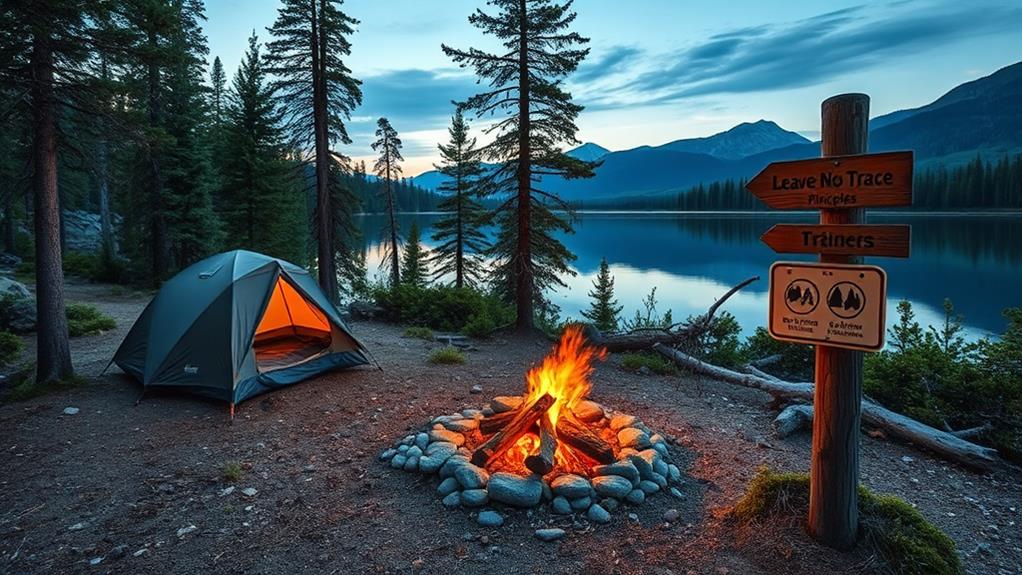
To practice Leave No Trace principles while wild camping, you’ll want to adhere to several core rules. First, plan your trip and choose established campsites that minimize damage. Practice proper waste disposal by packing out all trash and digging catholes away from water sources. Respect wildlife by observing from a distance and securing food properly. Minimize campfire impacts by using established fire rings and only burning downed wood. Follow trail etiquette and maintain cleanliness. Finally, leave natural artifacts undisturbed and be considerate of other campers. These practices guarantee that natural areas remain beautiful and accessible for future visitors, underscoring the importance of responsible camping behavior.

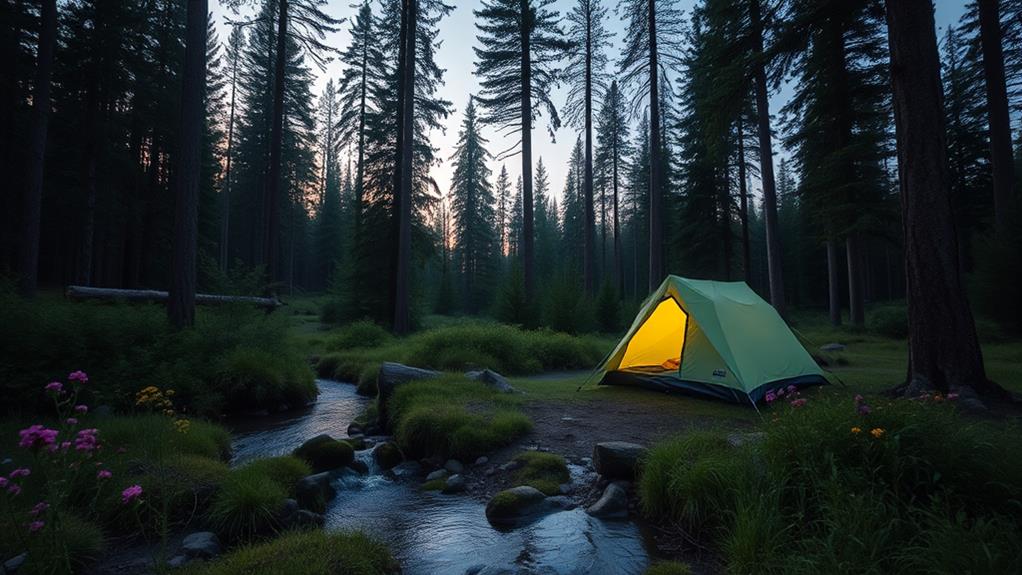
Key Takeaways
- Plan and prepare by researching regulations, checking weather, and packing out all trash to minimize environmental impact.
- Choose established campsites 200 feet away from water sources and on durable surfaces to protect ecosystems.
- Dispose of waste properly, adhering to “Pack It In, Pack It Out” and using catholes for human waste.
- Respect wildlife by observing from a distance, avoiding feeding them, and securing food to prevent attracting animals.
- Follow trail etiquette by staying on marked paths, yielding to others, and maintaining a low noise level.
Plan and Prepare
Planning and preparing for your wild camping adventure is essential to guarantee a safe and enjoyable experience while minimizing your impact on the environment. Here’s how to effectively plan and prepare:
- Research Regulations: Understand the specific regulations and special concerns of your camping destination for compliance and to protect the environment.
- Check Weather Forecasts: Prepare for extreme weather by checking forecasts, and pack appropriate clothing and gear.
- Choose Off-Peak Times: Schedule trips during off-peak times to limit your impact on high-use areas, enhancing your experience.
- Travel in Small Groups: Reduce strain on natural resources and disturbances to wildlife by traveling in small groups.
- Pack Out All Trash: Always pack out all trash to maintain the beauty of nature.
Recommended Products

DEPENDABLE WORKWEAR: These boots are a work of art and will stand the test of time in all kinds of work environments. Ariat has meticulously crafted these men’s boots to help you create the perfect cowboy look when working at the farm or barn

High-Quality Sharp Blade: The 7-3/8" 420HC stainless steel clip blade is put through a rigorous heat treat process and performance test to ensure excellent strength, edge retention, and corrosion resistance

Rodent-Resistant Food Storage – Made from heavy-duty stainless steel mesh, the RatSack Cache Bag is designed to keep rodents and small animals away from your food while camping, backpacking, or hiking. Its breathable design prevents condensation buildup, keeping food dry and fresh.
Choose Campsites Wisely
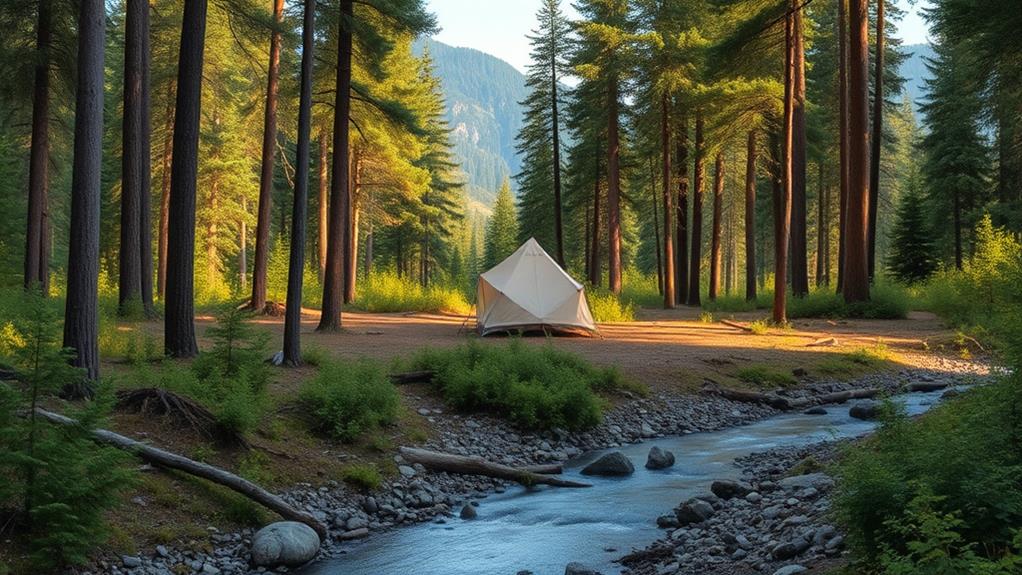
Choosing the right campsite is essential for both your experience and the environment. To minimize your impact, consider these guidelines:
- Select Existing Sites: Whenever possible, choose established campsites. This helps preserve the integrity of the wilderness.
- Distance from Water: Always camp at least 200 feet away from lakes and streams to protect water quality and aquatic habitats.
- Durable Surfaces: Opt for areas with durable surfaces like gravel, dry grass, or established trails, avoiding sensitive spots like meadows and wetlands.
- Small Campsite Size: Keep your campsite small, accommodating only necessary tents. This reduces disturbance to surrounding flora and fauna.
Recommended Products

Product Note: Max speed and range per charge vary based on several factors, including: rider weight, riding surface, incline, ambient temperature, battery level, riding style (stop/start vs cruising), etc.

ULTRA-LONG 300M (984ft) MONITORING RECEIVE RANGE. Stay ahead of the game with our 433MHz wireless tech that transmits signals up to 300m (984ft) in open areas. Can detect animals or people in daytime, night, low light environment, and complete darkness. Perfect for vast hunting grounds or large farm properties, ensuring you are notified long before the target arrives.

Odorless & Leak-Proof Design: JAXPETY Portable toilets made of High-density PP/ABS/PE material feature an anti-leakage and odor sealant valve to lock liquid and odors, keeping your living environment odorless.Portable toilets are removable by means of a pin for emptying the sewage, Simple disassembly and easy cleaning
Proper Waste Disposal
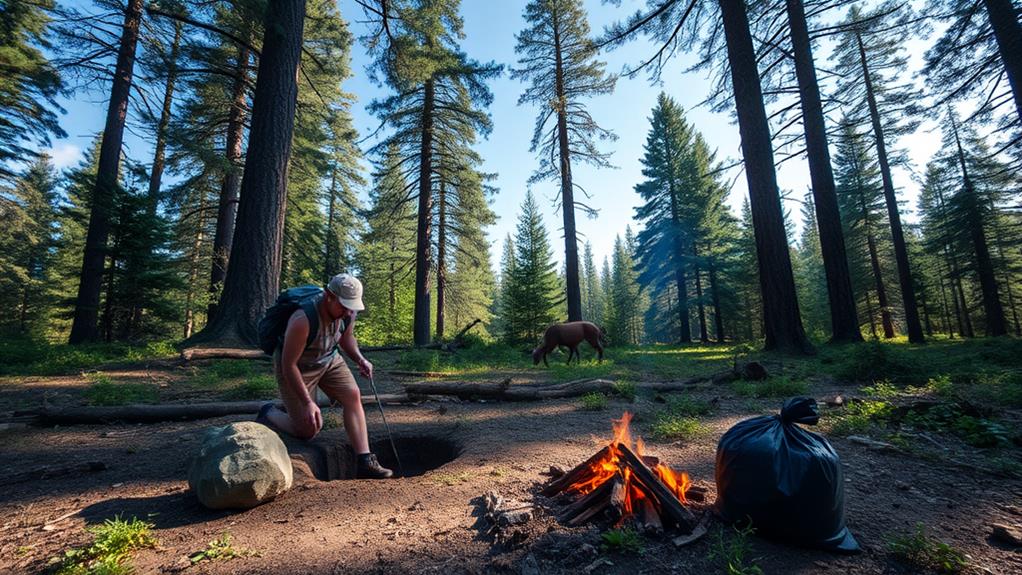
When it comes to wild camping, proper waste disposal is essential for protecting the environment. You’ll want to follow the “pack it in, pack it out” principle, ensuring that all trash and leftover food are removed from your campsite. Additionally, employing proper cathole techniques for human waste will help maintain the integrity of the natural surroundings while minimizing contamination risks.
Recommended Products

GARDENING ESSENTIAL: Heavy duty, ergonomic shovel ideal for a variety of gardening tasks like digging in tough soil, digging all holes, turning soil, and more to encourage overall plant health and appearance
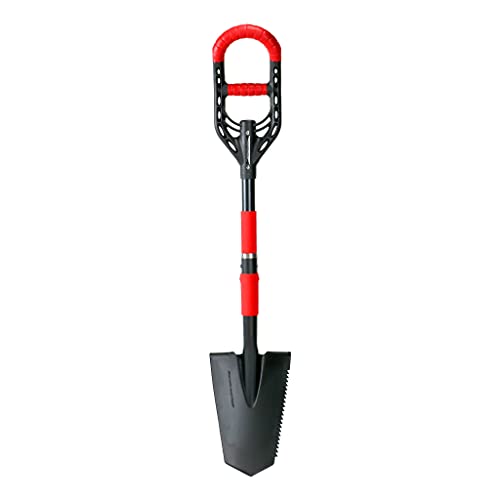
Roamwild Multi Digger Garden Spade Reinforced Fibreglass Light Weight Gardening Arrow Head Shovel with Unique Dual Soft AIR Light Grip Technology and Root Saw Stump Cutter.

Premium Quality Construction: Crafted from high-grade stainless steel, this trowel offers exceptional strength and resistance to corrosion, ensuring longevity in your gardening toolkit
Pack It In, Out
Properly disposing of waste is essential for preserving the beauty of the wilderness, and you should always adhere to the “Pack It In, Pack It Out” principle. This means carrying out all trash, leftover food, and hygiene products.
- Human Waste: In areas without facilities, dig catholes 6-8 inches deep, 200 feet away from water sources to minimize contamination.
- Toilet Paper: Always pack out used toilet paper and sanitary products, as they take a long time to decompose and can harm wildlife.
- Washing Stations: Set up washing stations with biodegradable soap at least 200 feet from water sources to prevent contamination.
Following local regulations for waste disposal is vital to prevent environmental degradation and protect delicate ecosystems.
Proper Cathole Techniques
After ensuring you’ve packed out all your trash, it’s important to focus on how to handle human waste responsibly. Here are some key Leave No Trace tips for proper cathole techniques:
| Step | Details |
|---|---|
| Digging | Create a cathole 6-8 inches deep, 200 feet away from water sources, trails, and campsites. |
| Disposal | Use plain, non-scented toilet paper and pack it out if possible. |
| Filling | After use, fill the cathole with natural materials and disguise it. |
| Regulations | Always check local regulations regarding waste disposal. |
Respect Wildlife
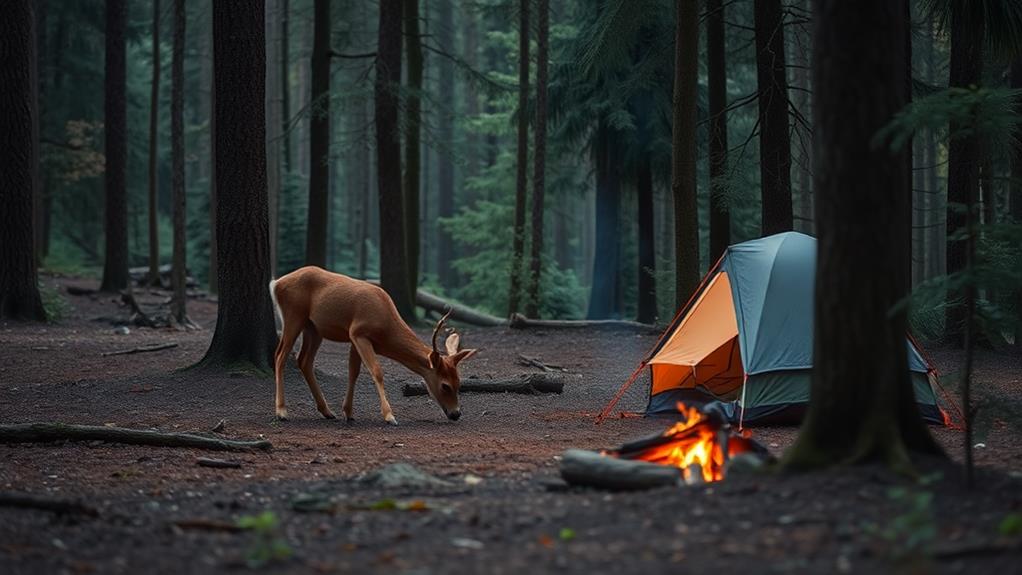
When camping in the wild, respecting wildlife is essential for both your safety and the animals’ well-being. Always observe wildlife from a distance of at least 200 feet to reduce stress on them and maintain their natural behaviors. Additionally, secure your food properly in bear-proof containers or by hanging it from trees to prevent attracting animals to your campsite.
Observe From a Distance
Wildlife encounters can be thrilling, but it’s crucial to observe from a distance to protect both yourself and the animals. Keeping a safe distance helps minimize stress, allowing wildlife to engage in their natural behaviors without disruption.
- Maintain at least 200 feet from water sources to protect the habitats and avoid startling animals.
- Remain quiet to reduce stress, enabling creatures to behave naturally.
- Avoid feeding wildlife. This can lead to dependency on human food sources, adversely affecting their health and survival.
- If you come across baby animals, don’t assume they’re abandoned; contact wildlife experts for guidance.
Secure Food Properly
Properly securing your food is essential for both your safety and the well-being of wildlife. To minimize your impact while camping, follow these guidelines to secure food properly:
- Store food and trash in bear-proof containers or hang them from trees at least 10 feet off the ground and 4 feet away from the trunk to prevent attracting wildlife.
- Avoid leaving food scraps or trash at the campsite, as this can habituate animals to human presence.
- Use airtight bags or containers to minimize odors that could attract wildlife, as many animals have an acute sense of smell.
- When cooking, prepare meals away from sleeping areas to reduce the risk of wildlife encounters during the night, and keep all scented items secured similarly to food.
Minimize Campfire Impact
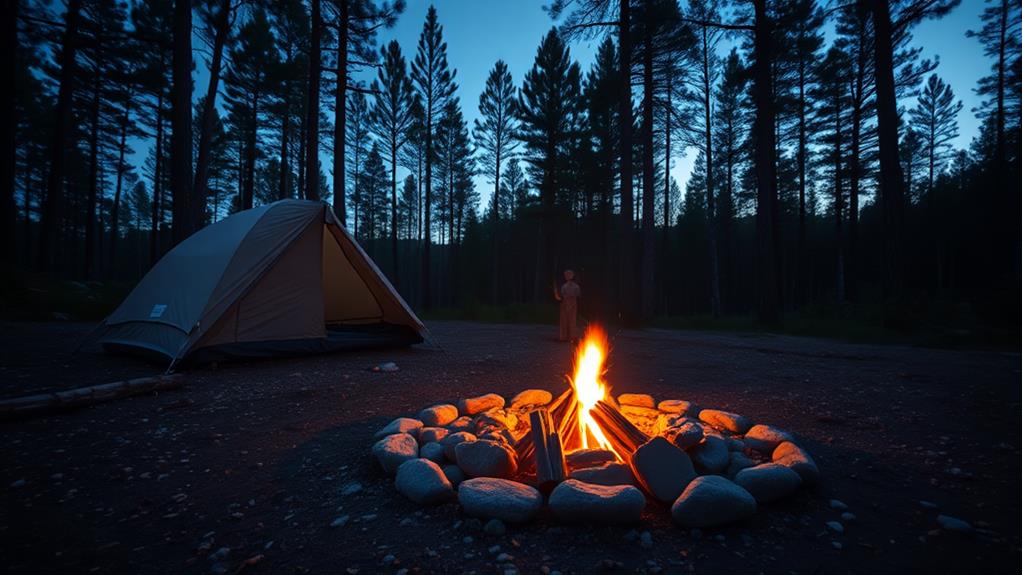
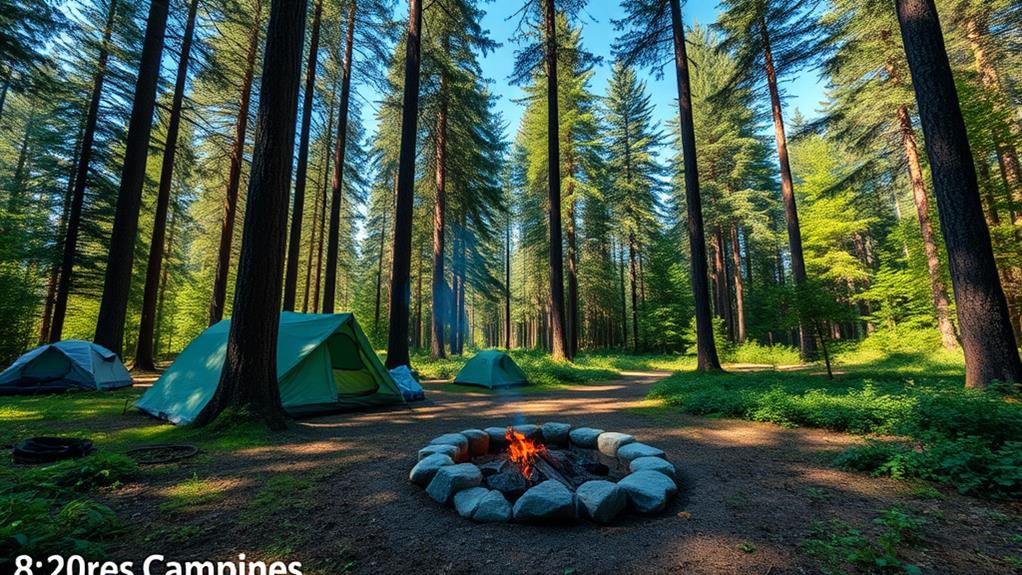
Minimizing campfire impact is essential for preserving the natural beauty of wild camping sites. To achieve this, always use established fire rings to prevent damage to the environment. Keep your campfires small and manageable; only use the amount of wood needed for warmth and cooking. When gathering firewood, collect only downed and dead wood from the ground, avoiding living trees. Verify all materials are burned to ash before extinguishing the fire completely. Follow local regulations regarding fire use, as some areas have restrictions or fire bans in place to protect ecosystems.
| Action | Impact |
|---|---|
| Use established fire rings | Preserves surrounding nature |
| Gather downed wood | Minimizes resource depletion |
| Burn to ash | Reduces leftover debris |
Recommended Products

Made type 304 Corrosion and Rust resistant Stainless Steel

Ideal for yard debris,large firewood big groups,animal cremation

Follow Trail Etiquette
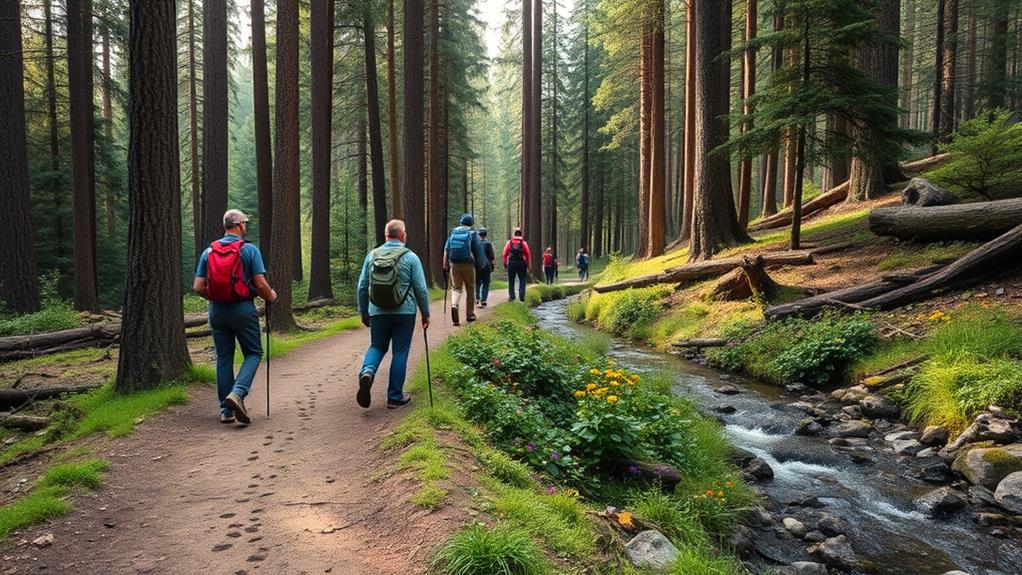
When you’re out enjoying the great outdoors, following trail etiquette is essential for maintaining the integrity of the landscape and ensuring a pleasant experience for everyone. Adhering to a few key principles can make a significant difference:
- Stay on marked trails to minimize disruption to vegetation and soil.
- Yield the right of way to other trail users, such as hikers or horseback riders.
- Step aside for pack animals, allowing them ample space, as they can be startled easily.
- Maintain a low noise level to enhance the natural ambiance and respect fellow users.
Leave Natural Artifacts
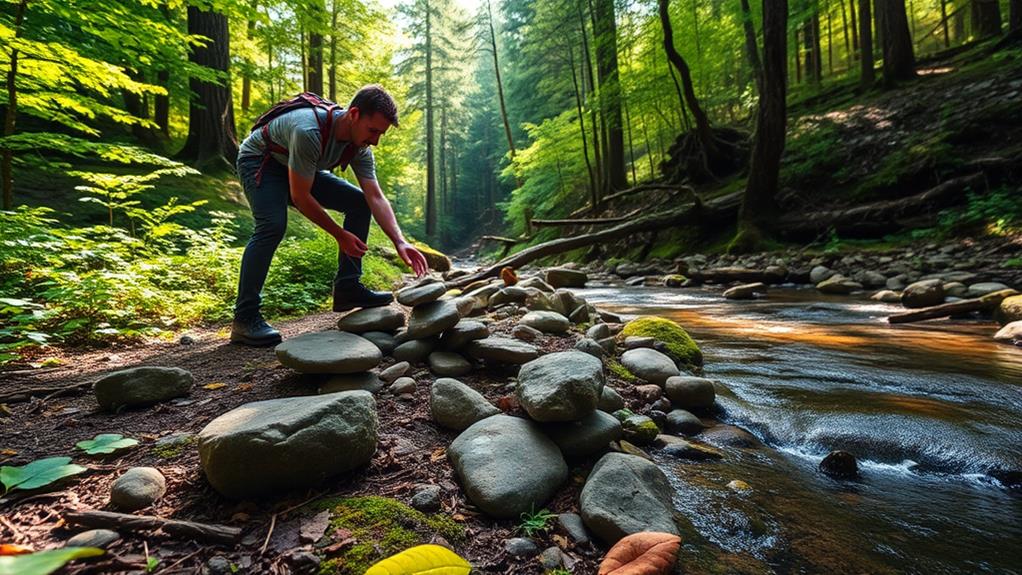
Preserving natural artifacts is essential for maintaining the delicate balance of ecosystems. When you leave natural artifacts, such as rocks, plants, and cultural items, in their original locations, you help preserve ecosystems and protect cultural heritage. Removing these items can lead to habitat degradation and threaten wildlife survival.
To adopt a conservation mindset, remember:
- Leave Natural Artifacts: Don’t disturb or take anything from its environment.
- Protect Fragile Ecosystems: Small actions can affect soil stability and biodiversity.
- Educate Others: Share the importance of leaving natural resources intact to foster a community of responsible outdoor enthusiasts.
Be Considerate of Others
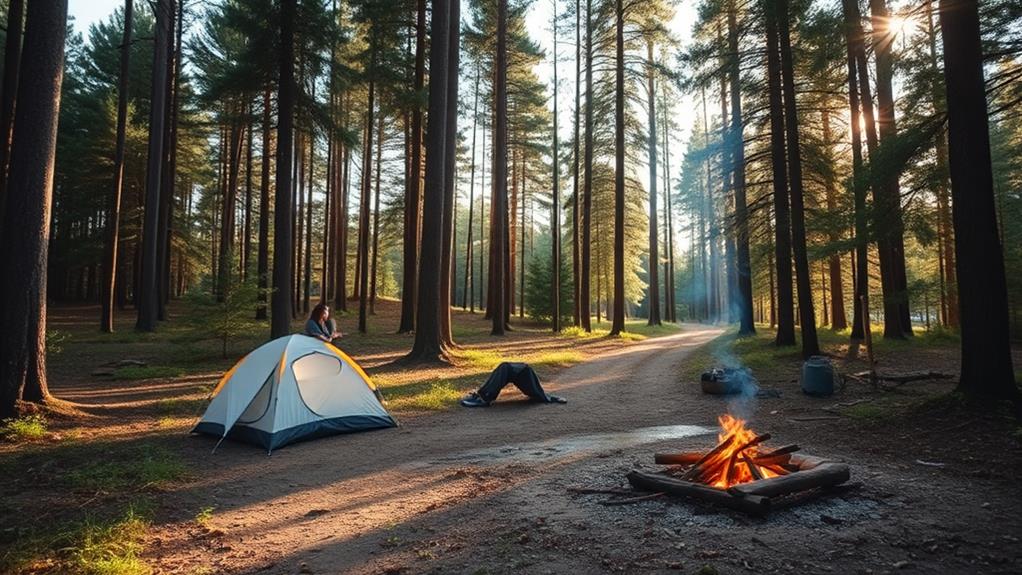
Being considerate of others is essential for fostering a positive outdoor experience for everyone. To guarantee you respect fellow campers and the natural environment, remember to:
- Yield to other users by stepping aside for hikers, cyclists, and pack animals.
- Maintain low noise levels to preserve natural ambiance and respect the quiet enjoyment of others.
- Camp away from trails and popular viewpoints to minimize disturbance and protect the environment.
- Avoid loud music and disruptive activities that detract from nature’s tranquility.
Additionally, keep communal areas clean and share space respectfully, allowing for a harmonious atmosphere in shared natural settings. By following these guidelines, you contribute to a more enjoyable and respectful outdoor experience for all.
Frequently Asked Questions
What Is the Leave No Trace Policy?
The Leave No Trace policy encourages you to embrace wild camping while minimizing environmental impact. By practicing sustainable practices, selecting campsites wisely, managing waste, protecting wildlife, and respecting trails, you can explore responsibly and enjoy nature’s freedom.
What Are the Rules for Leave No Trace Fire?
For fire safety, practice campfire preparation by using established rings, gathering only downed wood, and following fire pit etiquette. Always extinguish your fire completely, respect local regulations, and consider fire alternatives to minimize environmental impact.
What Is the Outdoor Code for Leave No Trace?
When you embrace the Outdoor Code, you commit to camping ethics and environmental stewardship. Practice minimal impact and eco-friendly camping techniques, ensuring nature conservation and responsible recreation while fostering trail etiquette and sustainable practices for future generations.
What Are the BSA Leave No Trace Principles?
The BSA principles promote camping ethics and environmental stewardship. You’ll learn essential outdoor skills like gear selection, campsite selection, and conservation practices, while ensuring trail maintenance and wildlife protection for a responsible and enjoyable outdoor experience.