⚠️ Disclosure: This post contains Amazon affiliate links. We may earn a commission at no extra cost to you.
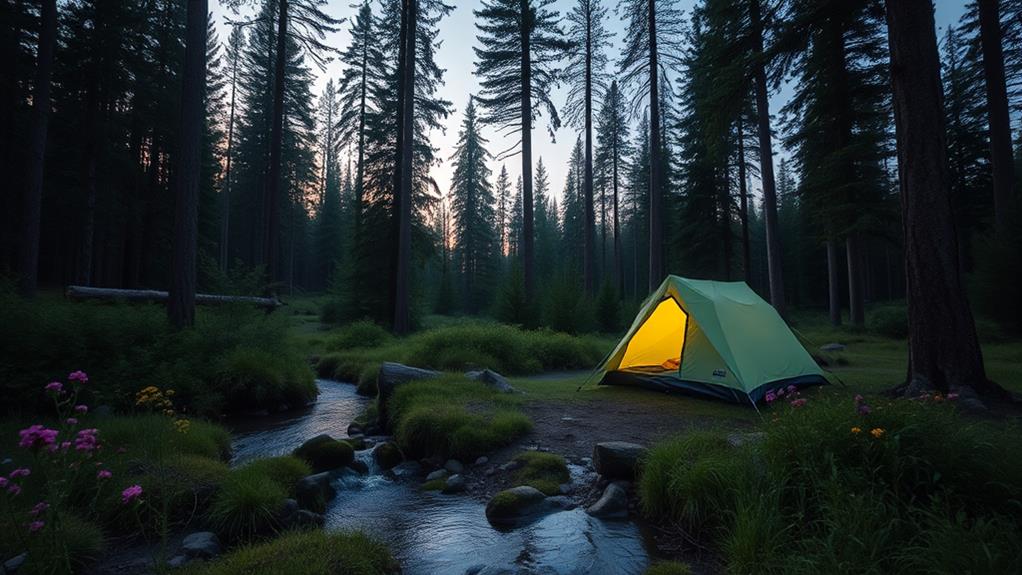
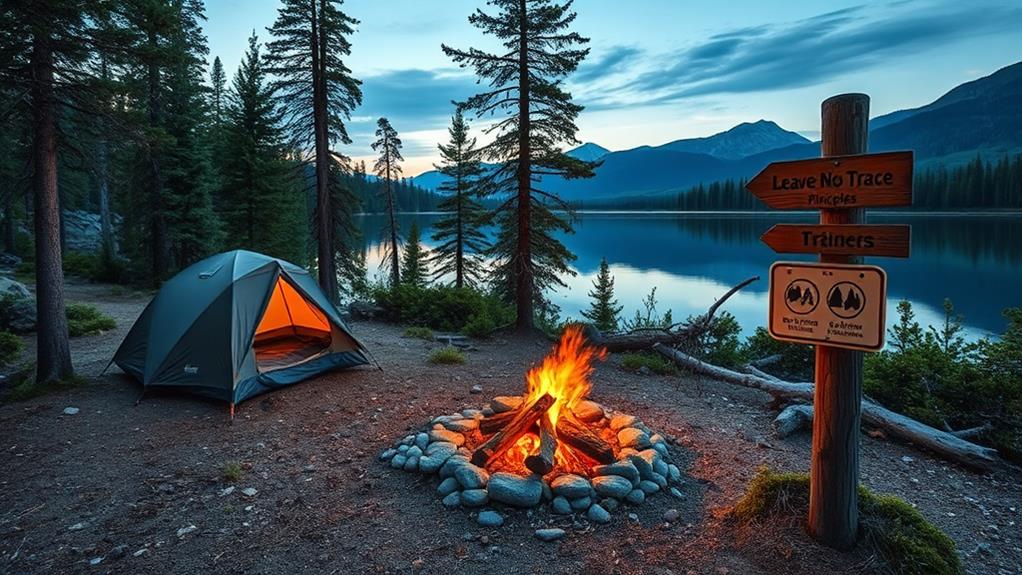
For first-time wild campers, adhering to Leave No Trace principles is essential for protecting the environment. Start by planning ahead and preparing, ensuring you know regulations and weather conditions. Choose durable campsites, camp at least 200 feet from water, and pack out all waste. Always leave natural artifacts as you found them and minimize campfire use. Maintain a quiet atmosphere, respect wildlife, and educate yourself and others about responsible camping practices. Follow local trail etiquette by staying on marked paths and yielding to other users. Understanding these guidelines helps preserve nature for others; there's much more to explore on this topic.

Key Takeaways
- Research local regulations and weather conditions before your trip to ensure a safe and compliant camping experience.
- Choose established campsites and durable surfaces to minimize environmental impact and protect fragile ecosystems.
- Follow the "Pack it in, Pack it out" principle by removing all trash and food scraps to prevent wildlife disruption.
- Keep noise levels low and engage in quiet activities to respect wildlife and fellow campers' experiences.
- Learn Leave No Trace principles and share them with others to promote responsible outdoor recreation and environmental stewardship.
Plan Ahead and Prepare
When you're planning a wild camping trip, it's important to do your homework. Start by researching the specific area you'll be visiting. Understand the local regulations, weather conditions, and potential hazards to guarantee a safe experience.
Planning Essentials:
- Detailed Itinerary: Create a plan and share it with a friend or family member, including your expected return time for added safety.
- Packing Smartly: Only pack essential gear to minimize weight and waste. Opt for items that serve multiple purposes.
- Food Supplies: Choose lightweight, easy-to-prepare meals while planning to minimize trash.
- Leave No Trace: Familiarize yourself with principles that help you minimize impact and preserve the environment's natural beauty.
Recommended Products


Choose Durable Campsites
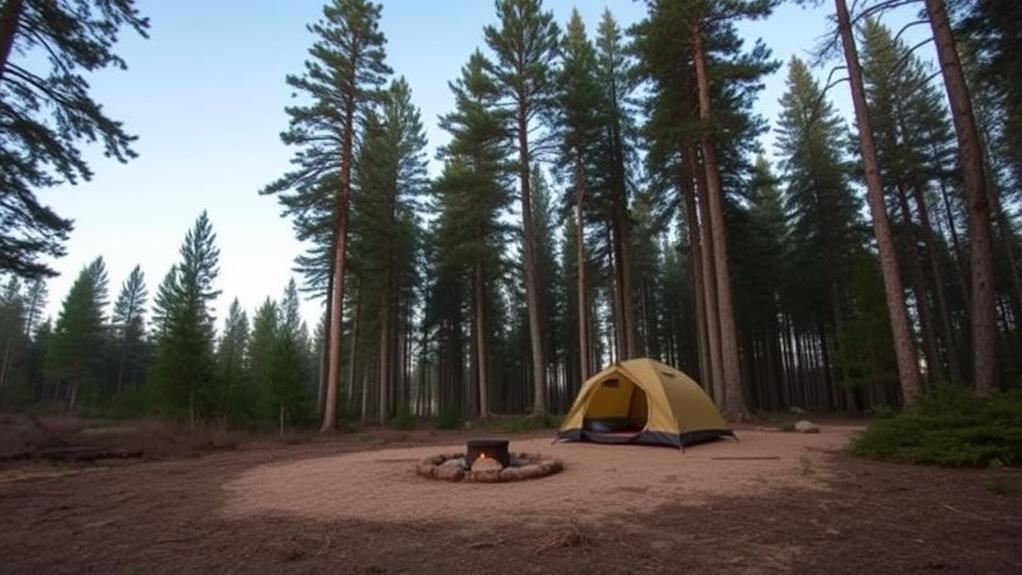
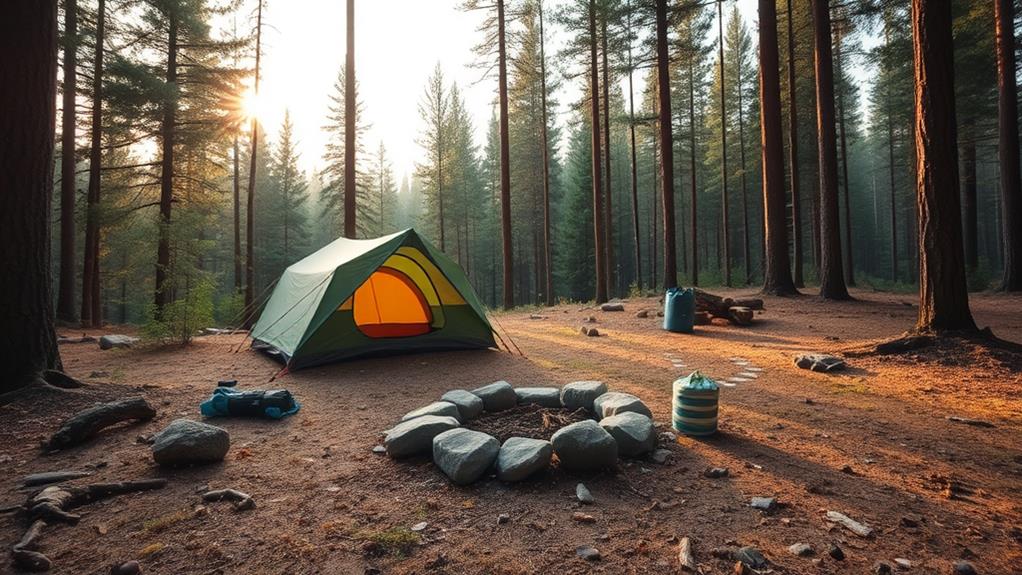
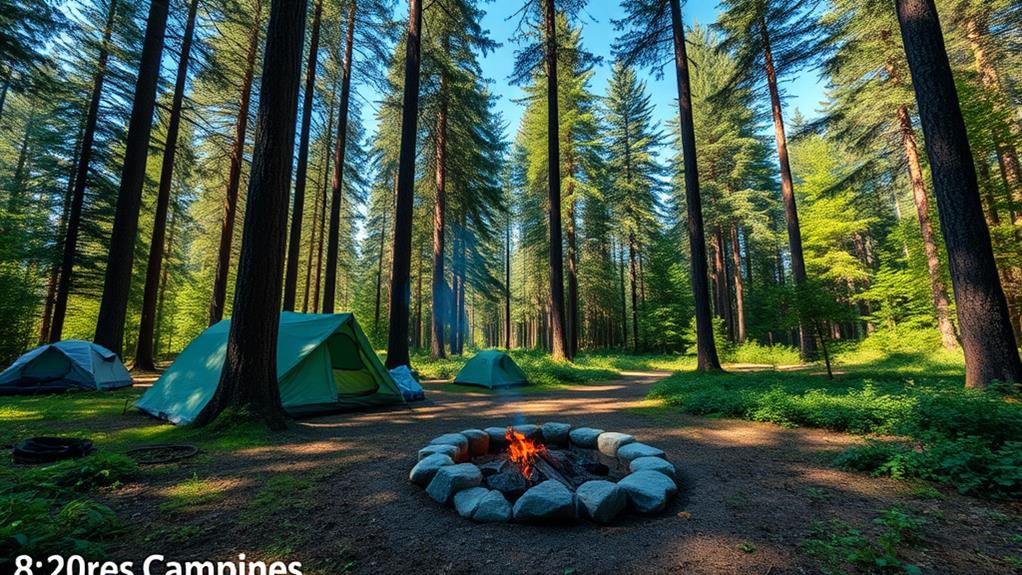
When you choose a campsite, opting for established sites or durable surfaces is vital to minimize your impact on the environment. Selecting areas with hard-packed soil or rock can help protect fragile ecosystems and vegetation, ensuring that natural features remain intact. Additionally, staying away from sensitive areas, like meadows or water sources, is essential for preserving wildlife habitats and maintaining the integrity of the landscape.
Recommended Products

Enjoy outdoors with a fire pit ring insert that brings back the iconic look and function of backyard bonfires with family and friends this season

Unleash the Bonfire (Utility Patent Pending): Transform your backyard into a fiery oasis with our 42"heavy-duty metal fire pit ring. Engineered for durability and designed for mesmerizing flames, this firepit ring is the heart of unforgettable outdoor gatherings.

FIRE RING WITH COOKING GRATE: Enjoy delicious wood-fired meals with this fire ring and swivel grate combo - designed for use inside your fire pit or on its own.
Select Established Campsites
Choosing the right campsite is essential for minimizing your impact on the environment. By selecting established campsites, you're opting for locations that help protect fragile ecosystems and limit soil erosion. These sites are usually on durable surfaces like gravel, sand, or grass, which can withstand foot traffic without significant damage.
Benefits of choosing established campsites include:
- Designated fire rings: These contain campfires, reducing wildfire risks and protecting surrounding areas.
- Dispersed visitor impact: By using well-worn sites, you're allowing popular areas to recover while preserving their natural beauty for future adventurers.
Ultimately, selecting established campsites aligns with Leave No Trace principles, encouraging responsible practices that safeguard the wilderness for generations to come.
Minimize Environmental Disturbance
Minimizing environmental disturbance is essential for protecting our natural spaces while enjoying the outdoors. To adhere to the Leave No Trace principle, choose established campsites that concentrate your activities on durable surfaces like gravel, sand, or dry grass. This approach helps minimize environmental disturbance and reduces soil erosion, preserving native vegetation.
Remember to:
- Camp at least 200 feet away from water sources to avoid contamination and protect aquatic ecosystems.
- Avoid creating new campsites or trails, which can harm fragile habitats and disrupt local wildlife.
- Select sites away from popular trails and other campers for a more secluded experience while minimizing your impact.
Respect Natural Features
To preserve the beauty of our natural surroundings, it is crucial to respect the landscape by selecting durable campsites. This helps minimize soil erosion and protects sensitive areas. Here are some key Leave No Trace Tips for choosing your campsite:
- Opt for established campsites to avoid harming fragile ecosystems.
- Select durable surfaces like gravel, dry grass, or established trails for your tent.
- Avoid delicate plant life and stay at least 200 feet from water sources to protect wildlife habitats.
- Look for flat ground that's away from trails to reduce noise pollution.
- Refrain from altering the environment; avoid digging trenches or building structures.
Pack Out All Waste
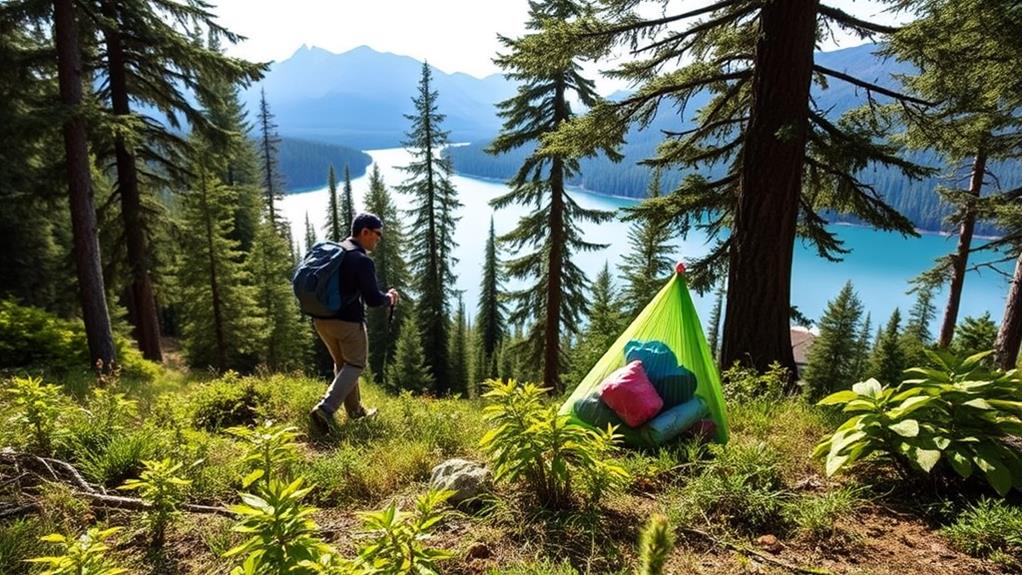
Packing out all waste is essential for preserving the beauty of our natural areas. To guarantee you leave no trace, follow these guidelines:
- Adhere to the "Pack it in, Pack it out" principle: Bring back all trash, leftover food, and hygiene products.
- Use a garbage bag: Carry a sealable bag for non-biodegradable items like wrappers and personal hygiene products.
- Manage solid human waste properly: Dig a cathole at least 6-8 inches deep, 200 feet away from water sources. Always pack out used toilet paper to prevent contamination.
- Dispose of food scraps: Pack out all biodegradable waste, as it can disrupt local wildlife.
- Prepare a checklist: Include trash bags and biodegradable soap to promote responsible camping practices.
Recommended Products


Eco Gel: Provides a mess-free way to deal with less-than-pleasant moments of camping or emergencies

VERSATILITY: Award-winning, top-of-the-line portable toilet, suited for RVs, boats, trucks, vans, healthcare, camping and even off-the-grid lifestyle
Leave Natural Artifacts Behind
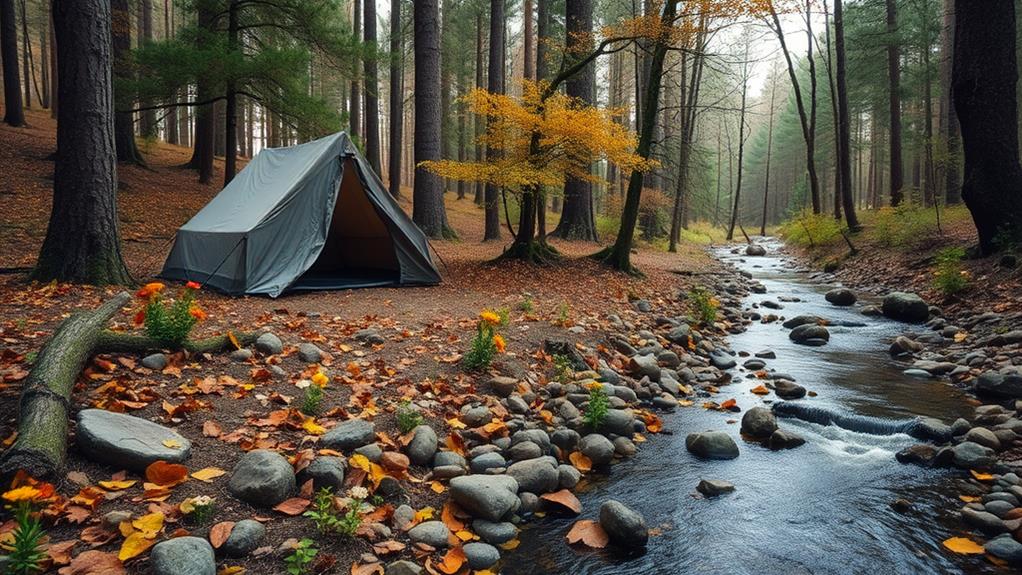
One of the key principles of responsible camping is leaving natural artifacts behind. By doing so, you help preserve the integrity of ecosystems and cultural heritage for future visitors. Removing items like rocks, plants, or historical artifacts can cause environmental damage, disrupt local habitats, and lead to ecological imbalances. Remember the Leave No Trace principle: Leave What You Find. Instead of taking souvenirs, appreciate and document your surroundings through photography.
Here are some things to keep in mind:
- Leave natural artifacts in their original locations.
- Avoid disturbing wildlife and plant life.
- Recognize the role every element plays in the ecosystem.
- Contribute to the beauty and context of the area.
- Make certain others can enjoy the same experience in the future.
Minimize Campfire Use
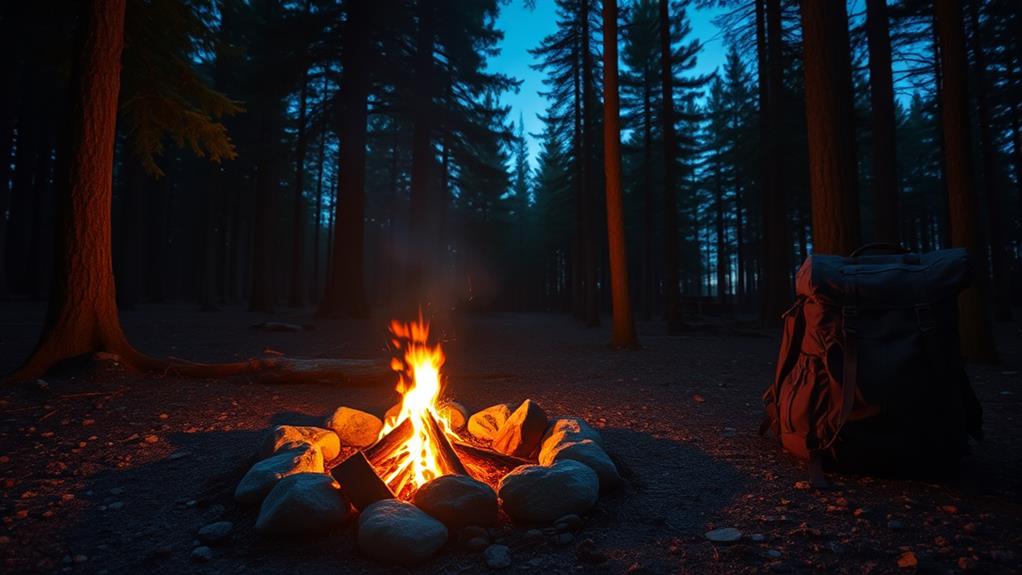
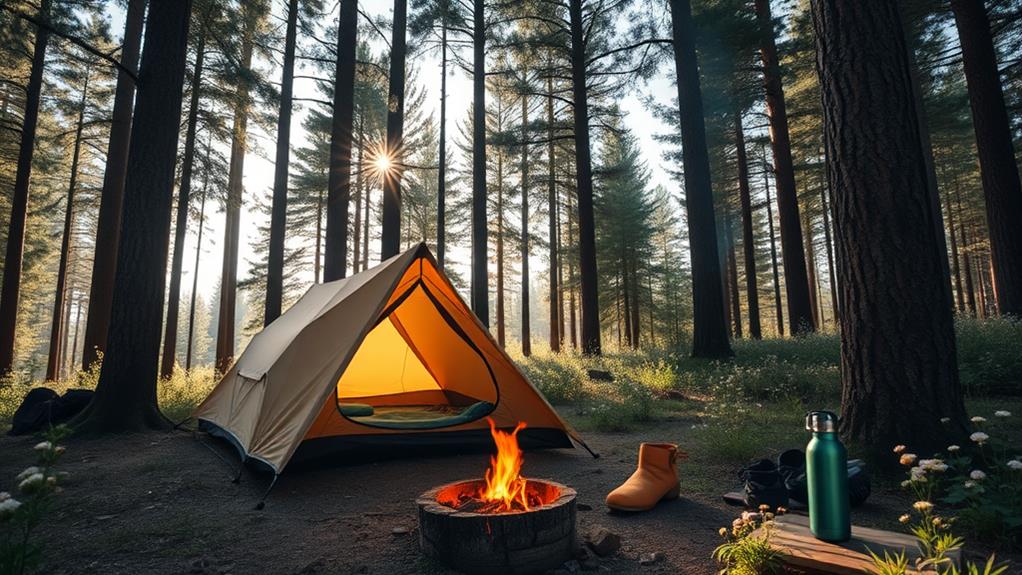
When you're out in the wild, it's crucial to minimize campfire use to protect the environment. Instead of building a fire, consider using portable camp stoves for cooking and warmth, as they leave a smaller ecological footprint. If a campfire is necessary, make sure to respect local fire regulations and use established fire rings to prevent damage to the surrounding area.
Recommended Products

304 STAINLESS STEEL precision construction that is highly corrosion resistant, ideal in harsh outdoor environments

INCLUDES 1 flat-fold accessory table

Portable 2-burner propane stove, perfect for outdoor cooking at campsites, picnics, tailgates and more
Use Portable Camp Stoves
In recent years, more campers have turned to portable camp stoves as a sustainable alternative to traditional campfires. By choosing to use portable camp stoves, you can minimize campfire use and reduce the environmental impact of your outdoor cooking. Camp stoves are efficient and help preserve the natural beauty of your surroundings. Here are some benefits:
- Require minimal fuel, reducing waste
- Boil water in half the time of a campfire
- Emit fewer pollutants, improving air quality
- Prevent soil erosion linked to fire rings
- Lower the risk of wildfires in sensitive areas
Using camp stoves not only enhances your cooking experience but also allows you to leave behind a cleaner, safer wilderness for future adventurers. Embrace this change for a more sustainable outdoor lifestyle.
Respect Fire Regulations
Respecting fire regulations is crucial for preserving the delicate balance of our natural environments. Before you head out, always check for local fire bans or restrictions; many areas impose these due to fire hazards. If campfires are allowed, use established fire rings and keep your fire small to minimize damage. Remember to gather firewood responsibly by collecting only fallen branches, avoiding any disruption to live trees or plants. If you do have a campfire, make sure it's completely extinguished before leaving, adhering to the Leave No Trace principles. Using a camp stove instead of a campfire can greatly reduce your environmental impact and risks, especially in dry regions. Prioritizing these practices helps protect our precious ecosystems for future generations.
Respect Wildlife Distances

Wildlife thrives best when given space, so it's crucial to maintain a respectful distance from animals and their habitats. To protect wildlife and guarantee your experience is rewarding, follow these guidelines:
- Keep at least 200 feet away from water sources.
- Observe wildlife quietly from afar to avoid causing stress.
- Never feed wildlife; it can lead to harmful dependency.
- If you see baby animals, don't approach; they're often not abandoned.
- Use headphones for music and keep camera settings quiet.
Keep Noise Levels Low
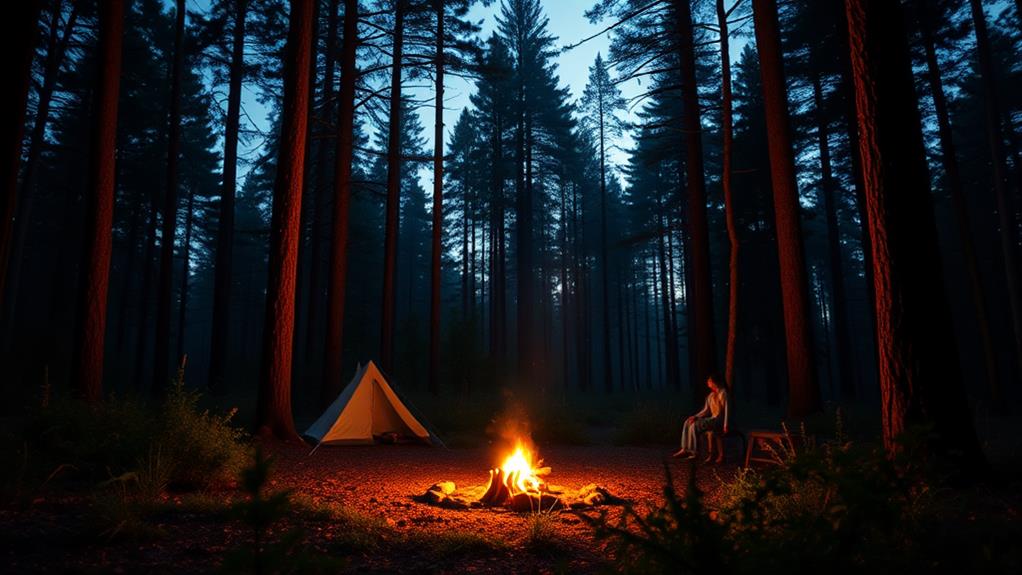
When camping in the wilderness, keeping noise levels low is essential for both wildlife and fellow campers. By respecting nature's sounds, you allow animals to thrive in their natural habitats, while also enhancing the serene experience for those seeking peace. It's important to engage in quiet conversations, use headphones for music, and refrain from loud activities to maintain the tranquil atmosphere that everyone values.
Respect Nature's Sounds
Keeping noise levels low in the great outdoors is essential for maintaining the delicate balance of nature. By respecting nature's sounds, you create a quiet environment that benefits both wildlife and your immersive outdoor experience. Loud noises can disrupt animal behaviors, so it's important to be mindful of your volume. Here are some tips to help you keep noise to a minimum:
- Keep conversations at a low volume.
- Avoid playing music in wilderness areas.
- Use headphones if you want to listen to music while hiking.
- Keep group sizes small to maintain tranquility.
- Take your time at scenic viewpoints, allowing others to enjoy the peaceful atmosphere.
Consider Other Campers
Camping is a shared experience, and being considerate of fellow campers is essential for everyone to enjoy the great outdoors. Keeping noise levels low preserves the tranquility of the environment, allowing both wildlife and other campers to appreciate nature without disturbances. Below are some key points to remember regarding noise:
| Noise Level | Considerate Actions | Benefits |
|---|---|---|
| Low | Quiet conversations | Enhances the camping experience |
| Moderate | Use headphones for music | Respects shared space |
| High | Avoid shouting and loud games | Prevents stress on wildlife |
Follow Local Regulations
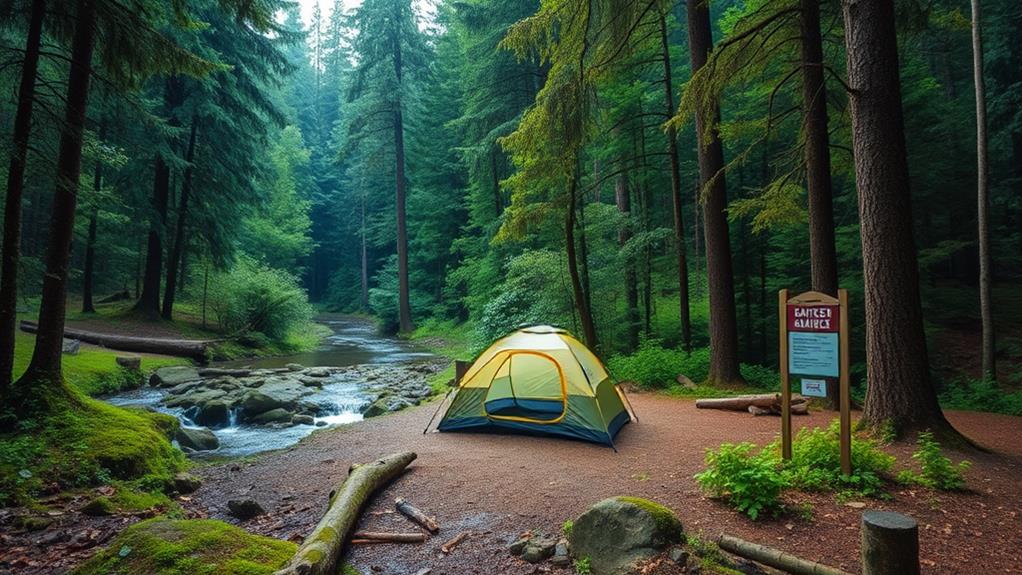
Understanding and following local regulations is essential for any wild camper. Before you hit the trail, take time to research the rules for your destination, especially in National Parks. Familiarizing yourself with the specific guidelines helps guarantee your adventure is safe and responsible. Here are key points to take into account:
- Check if camping permits are required.
- Know the designated camping zones to prevent environmental harm.
- Be aware of existing fire restrictions to minimize wildfire risks.
- Understand proper waste disposal methods to protect wildlife.
- Look for seasonal restrictions that may affect camping times.
Recommended Products

[✅Personalized National Park Adventure Sign] Customizable with your family name and establishment year, making it the perfect keepsake for outdoor and travel enthusiasts.

◆USA CHECKLIST NATIONAL PARK POSTER:This US National Park Map Checklist details almost outstanding nature destinations around the country .These encourage&motivate you to enjoy the health and mental benefits of time experiencing all that nature has to offer.

Camping Quotes Decor: Embraces meaningful camping-themed phrases: "Make Memories", "Go on adventures & have fun", "Breathe in the fresh air",and more. These positive quotes not only decorate your walls but also convey a relaxed outdoor lifestyle for family and friends
Educate Yourself and Others
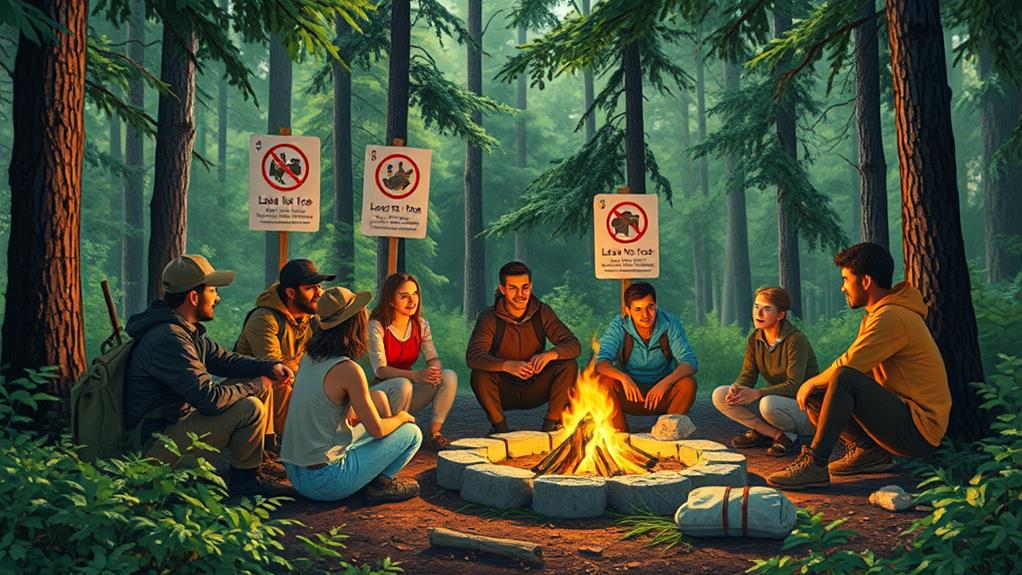
Educating yourself and others about the impact of outdoor activities is crucial for preserving our natural spaces. Did you know that 90% of adventurers are unaware of their impact? To combat this, take the initiative to educate yourself on Leave No Trace principles. Reflect on past behaviors; recognizing mistakes is key to improvement.
Engage in community sharing of best practices to enhance collective awareness and environmental stewardship. Participate in workshops and training sessions focused on outdoor ethics, as these can provide critical information about responsible recreation. Collaborating with biologists and outdoor education leaders guarantees these principles remain relevant, guiding your actions and inspiring others. Your dedication to education can foster a culture of respect for our wild spaces and promote sustainable practices.
Practice Good Trail Etiquette
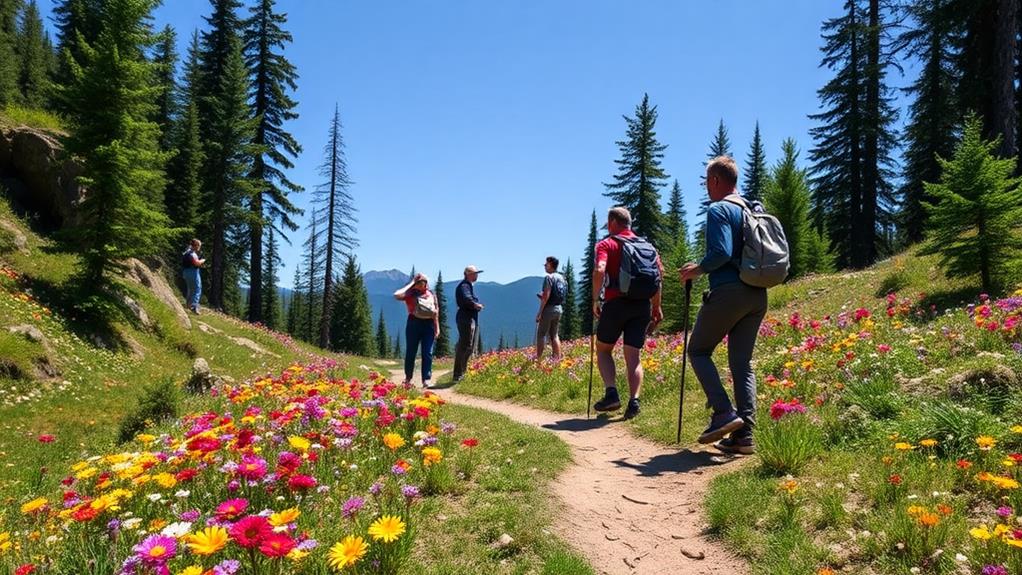
Practicing good trail etiquette is essential for ensuring a positive experience for everyone who enjoys the great outdoors. When you commence your adventures, remember these key guidelines to help you align with Leave No Trace principles while exploring trails and campsites:
- Always stay on marked trails to avoid damaging fragile ecosystems.
- Yield the right of way to other trail users, especially those on foot.
- Keep noise levels low to preserve the tranquility of nature.
- Avoid rushing others at scenic viewpoints to foster community respect.
- Adhere to local regulations regarding pets, keeping them leashed and cleaning up after them.
Frequently Asked Questions
What Is the Number 1 Rule of Wild Camping?
When you're wild camping, your top priority should be minimizing your environmental impact. Smart campsite selection and wilderness safety are wild camping essentials that guarantee you preserve nature while enjoying your freedom in the great outdoors.
How to Memorize Leave No Trace?
To memorize Leave No Trace, visualize a gigantic tree wearing camping gear! Use memory techniques like acronyms and rhymes, discussing outdoor ethics and environmental awareness. Practice these camping essentials, and freedom in nature will become your mantra!
What Are the 7 Principles of the Leave No Trace?
The seven principles of Leave No Trace focus on reducing environmental impact, promoting responsible camping, and embracing outdoor ethics. They guide you in planning, respecting wildlife, and minimizing your footprint for future generations to enjoy.
What Is the Etiquette for the Wilderness?
In the vast wilderness, it's essential to respect the surroundings! Keep quiet for nature's symphony, choose campsites wisely, and stay aware of wildlife. Freedom thrives when everyone enjoys the wild together, harmoniously and respectfully.