⚠️ Disclosure: This post contains Amazon affiliate links. We may earn a commission at no extra cost to you.
Following Leave No Trace when wild camping is critical for protecting natural habitats, ensuring safety, and enhancing the experience for future visitors. By adhering to these principles, you minimize your environmental impact, which includes:
- Preserving delicate ecosystems
- Reducing soil erosion
- Maintaining wildlife behavior
- Promoting cleanliness through proper waste disposal
You may be interested
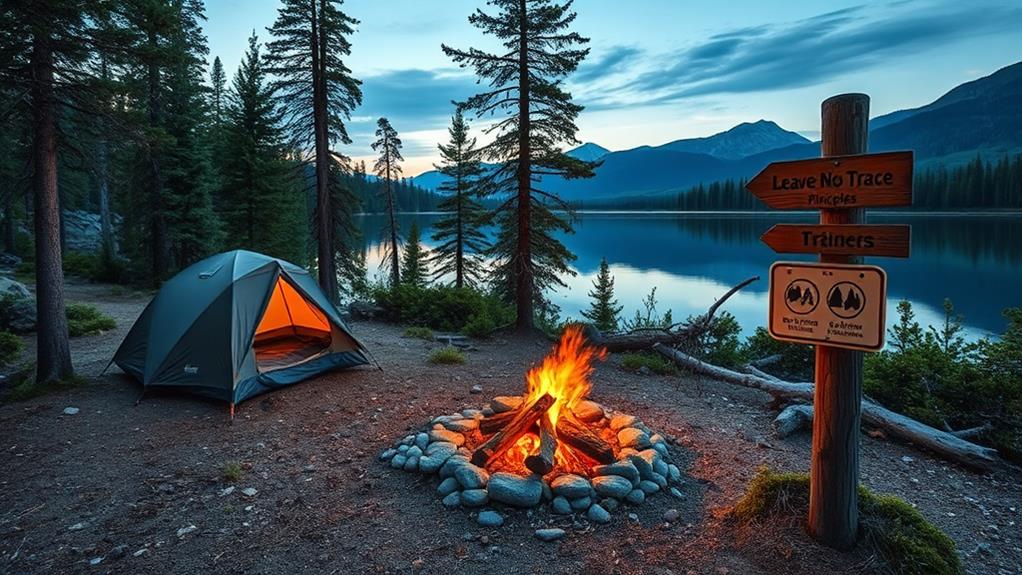

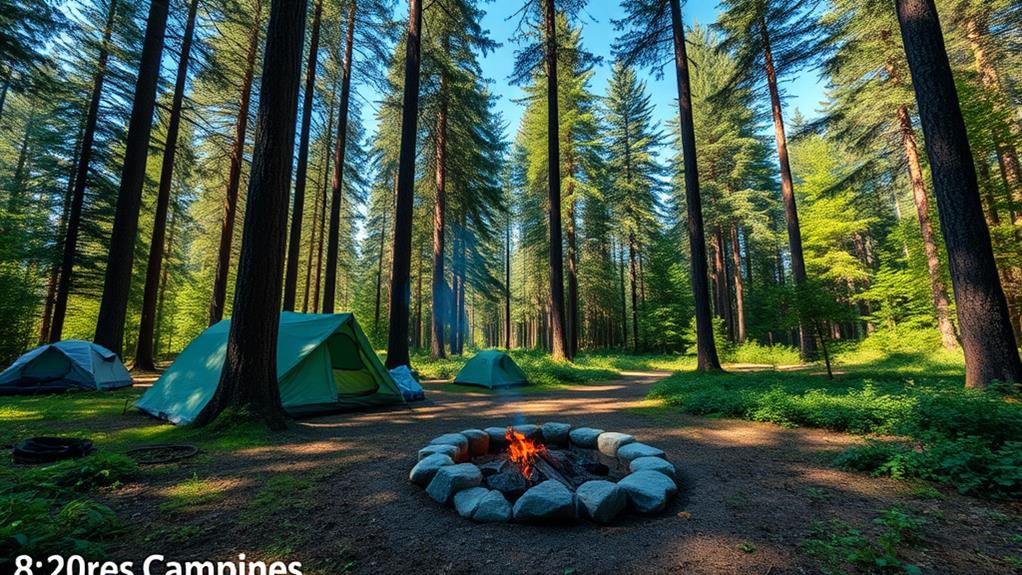
Moreover, practicing these ethics fosters mutual respect among campers. This shared responsibility allows everyone to enjoy nature's beauty while ensuring its longevity. If you're interested in understanding how to effectively implement these principles, you'll find that further exploration offers valuable insights.
Key Takeaways
- Following Leave No Trace principles helps preserve natural environments and ensures they remain intact for future visitors.
- Responsible waste management minimizes pollution and protects wildlife habitats from human impact.
- Respecting wildlife promotes natural behaviors and reduces stress on animal populations.
- Practicing outdoor ethics fosters a positive atmosphere among campers and enhances the shared experience of nature.
- Planning and preparation contribute to safer and more enjoyable camping experiences while encouraging stewardship in the community.
Understanding Leave No Trace
When you step into the great outdoors, it's vital to remember the principles of Leave No Trace. Developed in the 1960s by the US Forest Service, these principles guide responsible outdoor practices to minimize human impact on nature. Understanding these principles is important for fostering sustainability and preserving wildlife habitats.
Key Leave No Trace principles include:
- Plan ahead and prepare.
- Travel and camp on durable surfaces.
- Dispose of waste properly.
- Leave what you find.
- Minimize campfire impact.
- Respect wildlife.
- Be considerate of other visitors.
Importance of Wild Camping Ethics
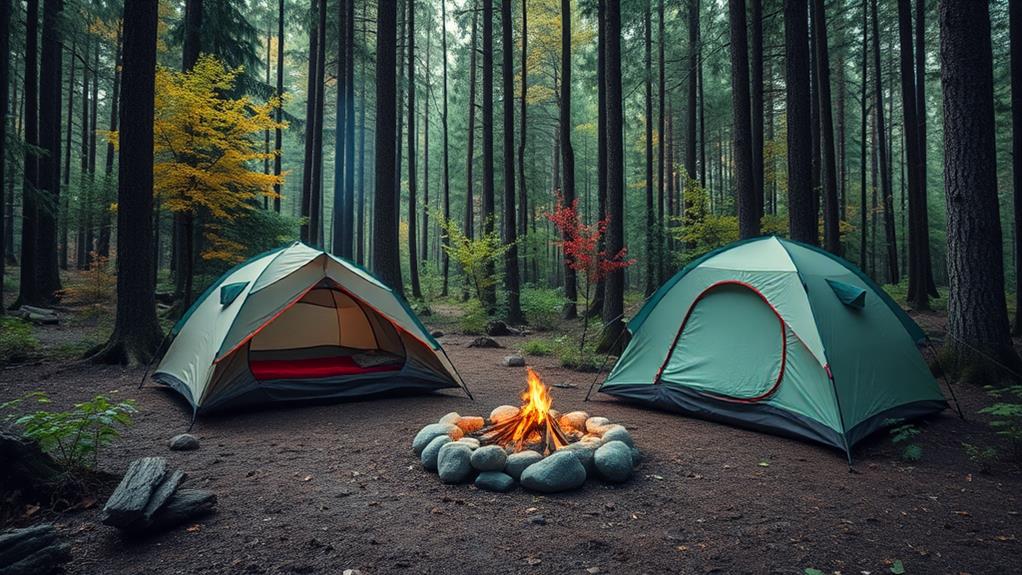
Understanding the importance of wild camping ethics is essential for preserving natural environments and respecting fellow campers. By adhering to ethical practices, you contribute to minimizing human impact on delicate ecosystems, ensuring they remain intact for future visitors. Additionally, respecting other campers fosters a positive atmosphere, promoting a shared responsibility for the outdoor experience we all cherish.
Preserving Natural Environments
Wild camping often brings you closer to nature, but it also requires a strong commitment to preserving the environment. To guarantee your adventures don't harm our precious ecosystems, consider these Leave No Trace tips:
- Minimize impact: Stick to established trails and durable surfaces to prevent soil erosion and vegetation damage.
- Responsible waste management: Practice the "pack it in, pack it out" principle, ensuring that all solid human waste is properly disposed of.
- Protect wildlife: Be aware of your presence, especially during sensitive times like nesting or mating seasons, to minimize disturbances.
Respecting Other Campers
Respecting other campers is essential for creating a positive atmosphere in the great outdoors. Maintaining a peaceful environment enhances everyone's outdoor experience. Here are some key practices to reflect upon:
| Practice | Description | Benefits |
|---|---|---|
| Use Low Voices | Keep conversations quiet to avoid disturbances | Promotes relaxation |
| Yield the Right of Way | Step aside on trails for others and pack animals | Fosters courtesy |
| Manage Group Sizes | Keep groups small to prevent overcrowding | Enhances connection with nature |
| Choose Camping Breaks Wisely | Avoid resting near trails to minimize congestion | Preserves integrity of the area |
The Seven Principles Overview
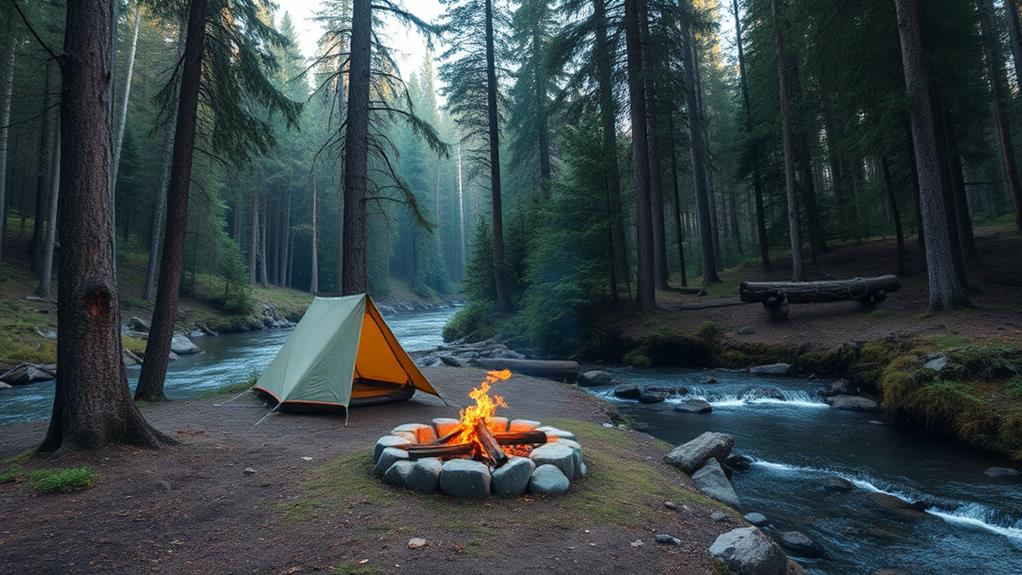
The Seven Principles of Leave No Trace offer essential guidelines for anyone looking to minimize their impact while camping in nature. By adhering to these principles, you'll enhance your outdoor experience and contribute to the stewardship of our wild spaces. Here's a brief overview of the key principles:
- Plan Ahead and Prepare: Guarantees responsible use of outdoor spaces and compliance with regulations.
- Travel and Camp on Durable Surfaces: Protects fragile ecosystems by minimizing damage to vegetation and soil.
- Dispose of Waste Properly: Emphasizes the "pack it in, pack it out" principle to maintain cleanliness and prevent pollution.
Respect wildlife and fellow campers, fostering a culture of stewardship that benefits everyone. Embrace these principles for a more enjoyable wild camping experience.
Planning and Preparation Tips
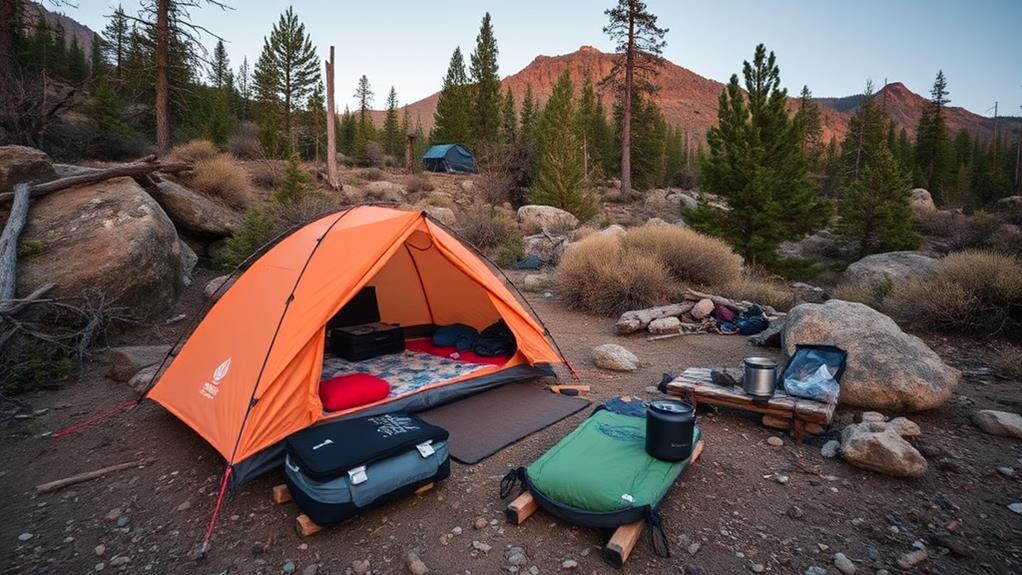
Before heading out for your wild camping trip, it's essential to research area regulations and potential hazards. This preparation not only guarantees compliance with local rules but also keeps you safe from unexpected dangers. Additionally, checking weather forecasts and packing suitable gear can make the difference between a comfortable experience and a difficult one.
Recommended Products

The Mamba III is the best in class all Aluminum-Bodied Hard Side Roof Top Tent with more standard included options. The Mamba III has a Set Up and Put Away time of less than a minute. For Set Up: Unlock two latches, pull down your ladder and insert 2 window rods. Reverse the process for Put Away.

Spacious & Practical Fold-Out Design Experience unparalleled comfort with our unique fold-out design that expands the tent to a spacious size in seconds. When not in use, it folds down to a compact size for easy storage. This design maximizes your living space without compromising on portability, making it ideal for both extended and quick getaways.

【Spacious Luxury Tent for 6–10 People】 Enjoy the ultimate outdoor comfort with this 12㎡ inflatable glamping tent, offering generous space for families or groups. Ideal for camping, glamping, or outdoor gatherings with plenty of room for beds, furniture, and gear.
Research Area Regulations
When you're planning a wild camping trip, diving into the specific regulations of your chosen area is vital. Each location has unique rules that can impact your experience and safety. To help you prepare, consider these key aspects:
- Permits Required: Many popular spots require reservations or permits to manage visitor impact.
- Fire Restrictions: Be aware of seasonal bans on campfires, especially in dry conditions, to prevent wildfires.
- Wildlife Regulations: Understand food storage requirements and guidelines for keeping a safe distance from animals.
Familiarizing yourself with these research area regulations guarantees you're respecting the Leave No Trace principles, safeguarding cultural resources, and practicing effective impact management. Keeping these rules in mind will enhance your wild camping experience while protecting the environment.
Prepare for Weather
Understanding area regulations sets the foundation for a successful wild camping experience, but weather preparedness is just as important.
- Research Weather Patterns: Before your trip, check forecasts to prepare for unexpected conditions.
- Essential Gear: Pack waterproof and windproof gear, like jackets and tarps, to protect against rain and strong winds.
- Insulated Layers: Bring insulated layers and thermal sleeping bags to retain body heat during cold nights.
- Timing Matters: Consider planning your trip during off-peak seasons to avoid extreme weather and crowds.
- Contingency Planning: Always have a contingency plan; know the locations of nearby shelters and guarantee you have emergency communication methods.
Waste Management Best Practices
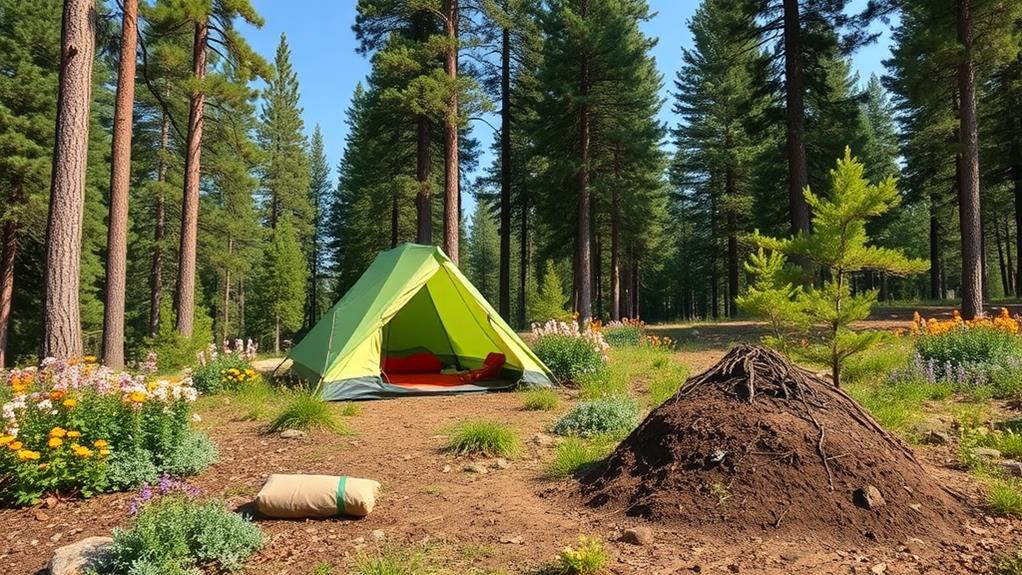
Responsible waste management is essential for preserving the beauty of our natural landscapes while enjoying the great outdoors. To guarantee you minimize your impact, follow these best practices:
- Pack out all trash: Carry out leftover food and packing materials to protect the environment.
- Dispose of human waste properly: Dig catholes 6-8 inches deep, at least 200 feet from water sources, to prevent contamination.
- Use biodegradable soap: When you wash dishes or yourself, do so 200 feet away from water sources to minimize pollution.
Additionally, pack out all hygiene products, including toilet paper, to avoid non-biodegradable waste. Adhering to these waste management practices aligns with the Leave No Trace principles, preserving natural habitats for future generations.
Wildlife Interaction Guidelines
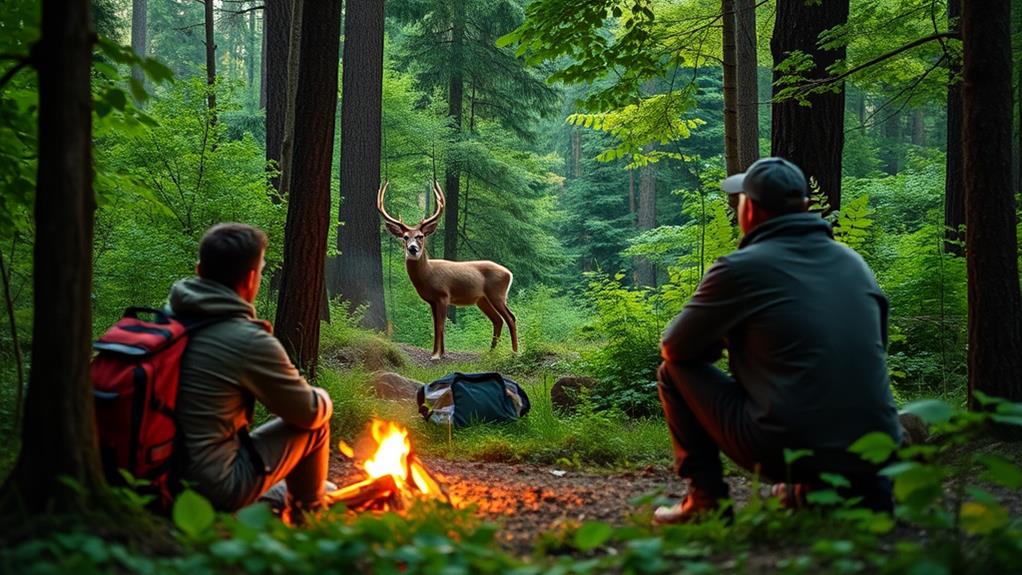
While enjoying the great outdoors, it is crucial to interact with wildlife in a respectful and safe manner. Follow these guidelines to guarantee a positive experience for both you and the animals:
- Observe from a Distance: Stay at least 200 feet away to minimize stress on wildlife and avoid dangerous encounters.
- Don't Feed Animals: Feeding them disrupts their natural behavior and can lead to dependency on human food.
- Secure Your Food: Store food and trash in bear-resistant containers or hang them high in trees to protect both wildlife and your supplies.
- Control Pets: Keep pets leashed at all times, especially during sensitive periods like nesting, to prevent them from disturbing wildlife.
- Respect Natural Habitats: Avoid areas frequented by animals, and never approach or attempt to touch them.
Respecting Other Campers
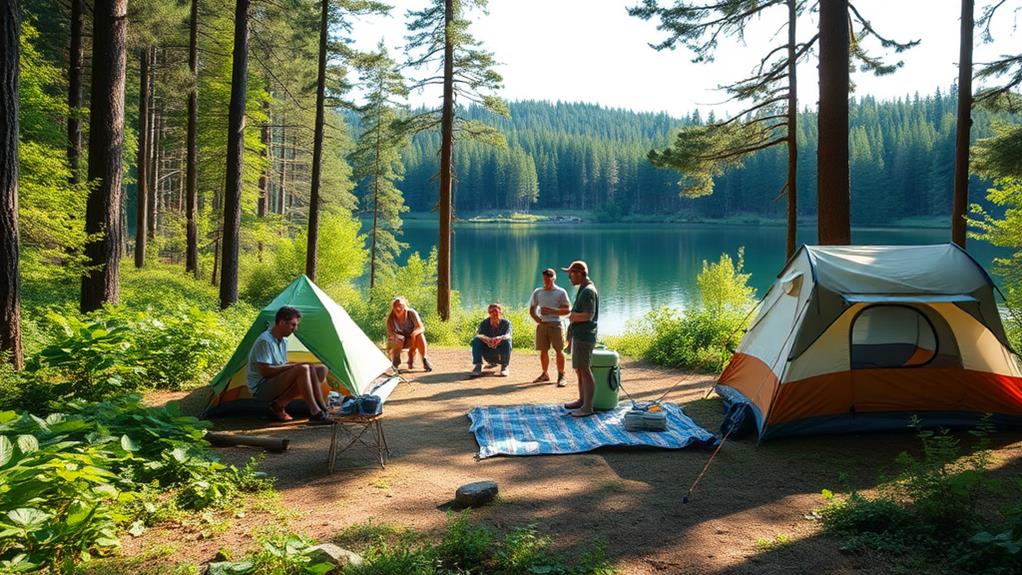
Respecting other campers is essential for creating a harmonious outdoor experience. To guarantee everyone enjoys nature's tranquility, keep these points in mind:
- Noise Level: Maintain a low noise level to foster a peaceful environment for all. Excessive noise can disrupt the natural experience and disturb fellow campers.
- Distance: Set up your campsite away from others and take breaks off the trails. This minimizes disturbances and allows everyone to connect with nature.
- Group Sizes: Keep your group sizes small and adhere to campsite etiquette. This reduces congestion and promotes enjoyable interactions among campers.
Community Involvement in Conservation
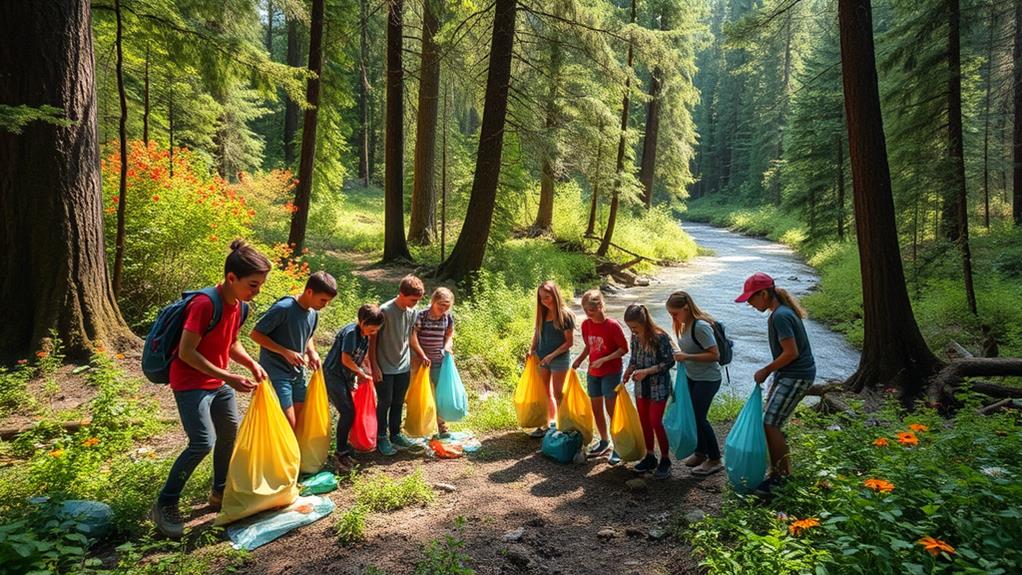
Creating a positive camping experience goes beyond just respecting fellow campers; it also involves actively participating in conservation efforts within your community. Community involvement is essential for protecting natural environments and fostering a culture of stewardship. By engaging in local Leave No Trace events, you can contribute to minimizing human impact and strengthening community bonds.
| Activity | Benefits | Participation Methods |
|---|---|---|
| Leave No Trace Events | Enhances awareness of outdoor ethics | Volunteer, attend workshops |
| Clean-Up Initiatives | Removes litter, protects ecosystems | Join local clean-up groups |
| Education Outreach | Increases knowledge of conservation | Host workshops, distribute materials |
| Collaboration Efforts | Amplifies conservation impact | Partner with local organizations |
Through these efforts, you not only protect nature but also inspire others to join in the commitment to sustainable practices.
Frequently Asked Questions
Recommended Products

It’s in the Bag: Do your business anywhere. Includes puncture-proof disposable gray urinal bag pre-filled with instant gelling powder and wet wipe. Made in USA.

Built-in drain line flow restrictor provides a more effective regeneration increasing the capacity by up to 55%

Rolling & Lock: 4 silent universal wheels glide over carpet or hard floors easily; the locking brakes keep the white board steady while you write or present.
Why Leave No Trace When Camping?
When you camp, think of sustainable camping as a dance with nature. Your choices—like gear selection, campfire safety, and trail etiquette—can protect wildlife, conserve water, preserve soil, and enhance your nature appreciation for all.
What Are the 7 Rules of Leave No Trace?
The seven Leave No Trace principles include campfire safety, wildlife protection, waste disposal, trail etiquette, gear selection, campsite selection, and food storage. By following these, you minimize environmental impact and embrace sustainable practices.
What Is Meant by "Leave No Trace" in an Outdoor Activity?
Think of your outdoor adventure as a delicate dance with nature. Practicing "Leave No Trace" means embracing sustainable practices, minimizing your environmental impact, and ensuring wildlife protection, all while enjoying eco-friendly camping and responsible recreation.
Why Is It Important to Leave What You Find in Nature?
Leaving what you find's essential for nature preservation and wildlife protection. It safeguards ecosystem balance, maintains natural beauty, and respects cultural heritage, promoting conservation ethics and sustainable practices for responsible exploration and future generations to enjoy.