⚠️ Disclosure: This post contains Amazon affiliate links. We may earn a commission at no extra cost to you.
To engage in eco-friendly wild camping, begin by adhering to Leave No Trace principles, ensuring minimal environmental impact. Research local regulations and select eco-friendly sites. Use sustainable gear, like biodegradable cooking supplies and durable tents. Practice responsible waste management by packing out all trash, using biodegradable bags, and digging cat holes for waste. Respect wildlife by observing from a distance and sticking to marked trails. Prioritize campfire safety by utilizing existing fire rings. For personal hygiene, opt for biodegradable products. Engaging with local communities enhances your experience and fosters collective responsibility. Discover further insights and detailed practices that can enhance your eco-friendly adventure.

Key Takeaways
- Follow Leave No Trace principles to minimize environmental impact and ensure responsible camping practices.
- Plan your trip during off-peak times to reduce strain on popular camping areas.
- Choose eco-friendly gear made from sustainable materials to promote environmental responsibility.
- Adopt sustainable food and water practices, like using reusable containers and portable water filters.
- Engage with local eco camping communities to enhance your knowledge and share best practices.
Understanding Leave No Trace
When it comes to enjoying the great outdoors, understanding Leave No Trace is essential for every camper. These principles guide you in minimizing your environmental impact while maximizing your freedom to explore.
- Proper Waste Disposal: Always pack out everything you bring in, including trash and leftover food. Use biodegradable soap for cleaning, respecting water sources.
- Travel on Durable Surfaces: Stick to established trails and campsites to protect sensitive areas.
- Respect Wildlife: Keep a safe distance from animals and secure your food to avoid attracting them.
Planning Your Eco Camping Trip
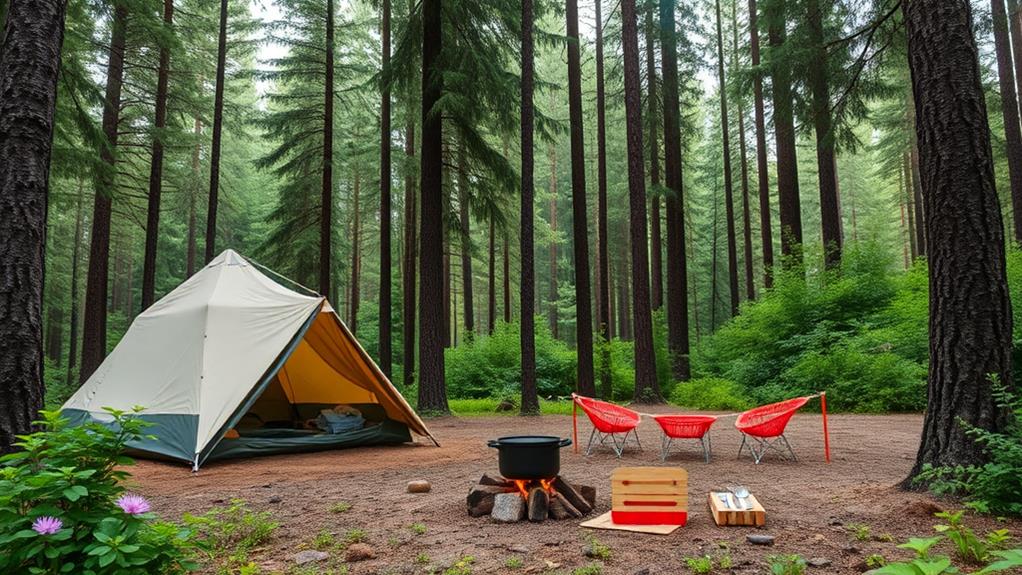
Before you begin your eco camping adventure, careful planning is essential to verify your trip is both enjoyable and environmentally responsible. Start by researching local regulations to confirm compliance and protect natural habitats. Choose eco-friendly locations like conservation parks that prioritize sustainability. Planning your eco camping trip during off-peak times can help reduce impact on popular sites and offer a more serene experience. Meal prep is key; use minimal packaging to reduce trash and pack reusable containers. Involve everyone in the planning process to foster collective responsibility for eco-friendly practices.
| Planning Steps | Tips |
|---|---|
| Research Regulations | Follow local guidelines |
| Choose Locations | Opt for certified campsites |
| Timing | Visit during off-peak times |
| Meal Preparation | Use minimal packaging and reusable items |
Recommended Products

Long Lasting Ice Pack Sheet: Ice sheets for coolers stay flexible when frozen and are great for shipping. Soak, dry off, freeze, then use ice pack sheets, which hold 25 times their weight in water, expanding to a flexible frozen ice pack about 1 inch thick, holding in water as they melt to prevent a soaking watery mess.
![[500 SET]Harvest Pack PFAS FREE 32oz Compostable Round Paper Bowls with Dome Lids, Heavy-Duty Eco-Friendly Disposable Bagasse Salad Bowl, from Sugarcane plant fibers for Meal Prep](https://m.media-amazon.com/images/I/41zfxaaiSwL._SL500_.jpg)
🌱 ALL NATURAL - SUGARFIBER is made from 100% natural sugarcane byproduct that is BPI CERTIFIED and PFAS free. The nontoxic material has a sturdy paper-like texture

EASY DRINKING AND AFFORDABLE PRICE: EASY DRINKING With The EASY TO OPEN CAP, Makes These Bottles GREAT FOR KIDS. Send It Along To SCHOOL, Sports, Workout, EXERCISE, And Other Activities. 108 Multicolor Pack. Add ICE CUBES EASILY For A Cold Drink With Its WIDE MOUTH Opening.
Choosing Eco-Friendly Gear
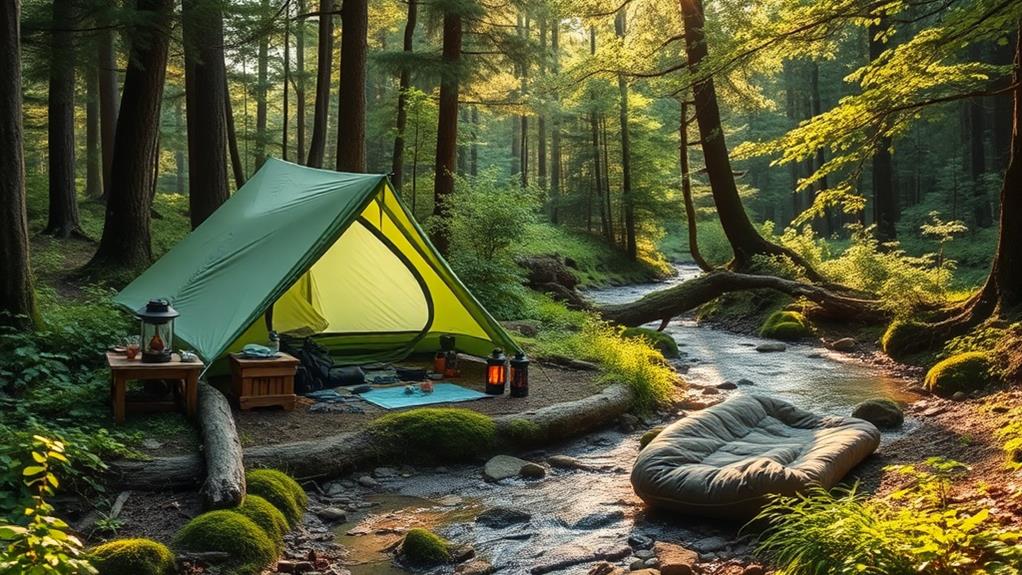
Selecting the right gear is a key part of making your eco camping experience both enjoyable and sustainable. Here are some crucial considerations:
- Tents: Opt for those made from recycled or sustainable materials. Confirm they are durable and repairable to minimize waste.
- Sleeping Gear: Choose sleeping bags and pads that utilize sustainable materials, which have longer lifespans to reduce replacements.
- Cooking Supplies: Invest in reusable containers and utensils to avoid single-use plastics. Favor biodegradable products for personal care and cleaning.
- Shelters: Consider lightweight options like tarps and hammocks, as they typically minimize landscape disturbance and are often made from sustainable materials.
- Brands: Support eco-friendly brands that prioritize sustainability in their gear production, promoting responsible manufacturing practices.
Recommended Products

COOKWARE SET INCLUDES: 2.27QT stainless steel saucepan with lid, 5.14QT stainless steel stockpot with lid, 10” carbon steel frying pan, removable handle, storage bag, silicone trivet

Premium Material: Pure titanium for lightweight, durable, and eco-friendly use.

Stackable, nesting stainless steel cookware set lets you worry less about consuming too much space in your kitchen or travel bag
Responsible Waste Management
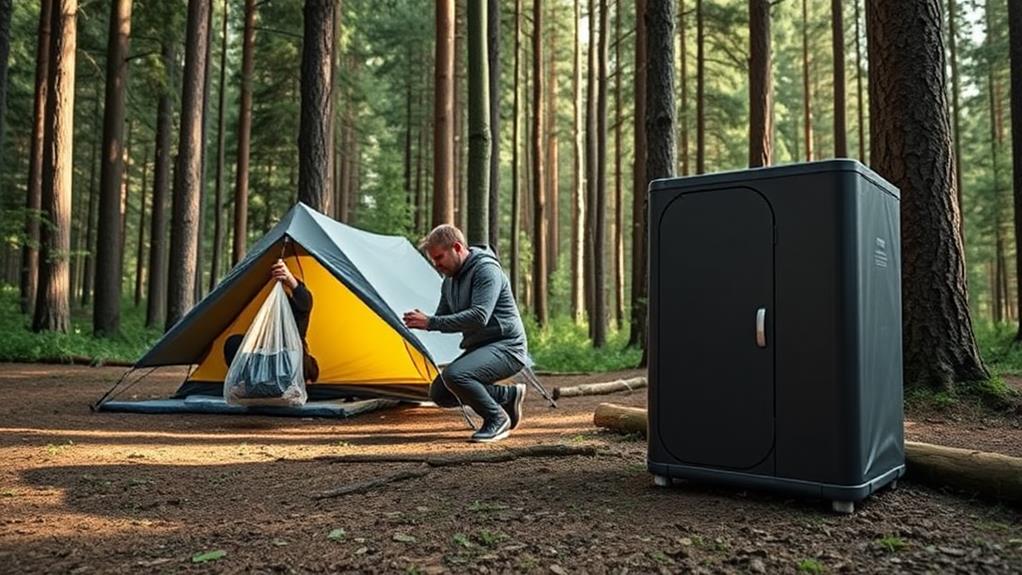
Responsible waste management is essential for preserving the beauty of nature while enjoying your wild camping experience. Adopt a "pack it in, pack it out" philosophy, ensuring you remove all trash, food scraps, and personal waste from your campsite. Here are some key practices:
- Use reusable or biodegradable trash bags for waste storage.
- Separate recyclables from non-recyclables to minimize landfill contributions.
- For human waste, dig cat holes at least 200 feet away from water sources to prevent contamination.
- Dispose of biodegradable soaps and cleaning products at least 200 feet from water bodies to protect aquatic ecosystems.
- Always utilize bear-proof bins for garbage disposal when available, as improper waste disposal can attract wildlife and create dangerous situations.
Recommended Products


All-in-One: Each Wag Bag Platinum Kit contains instant gelling poo powder inside a triple barrier zip close bag, toilet paper and sanitizing handwipe. Made in USA.

Respecting Wildlife and Habitats

While managing waste is key to preserving nature, respecting wildlife and their habitats is equally important. To guarantee a harmonious experience, follow these guidelines:
- Observe from a Distance: Keep at least 100 yards away from wildlife to avoid disturbing their natural behaviors.
- Avoid Feeding Animals: Feeding them can create dependency on human food and increases the risk of dangerous encounters.
- Stick to Marked Trails: This helps prevent trampling sensitive vegetation and protects vulnerable ecosystems.
- Use Designated Areas: Camp in established sites and use fire rings to minimize habitat disruption.
- Educate Others: Share the importance of wildlife conservation and preserving natural areas for future generations.
Sustainable Food and Water Practices

When you're out in the wilderness, maintaining sustainable food and water practices is essential for preserving the environment. To minimize your impact, consider the following:
- Opt for reusable containers to avoid excessive plastic waste.
- Carry a portable water filter to access clean water from natural water sources.
- Plan meals carefully to reduce food waste and avoid attracting wildlife.
Using biodegradable soap for cleaning guarantees that you maintain ecological integrity while minimizing harmful runoff into waterways. Always refill your reusable water containers at designated sources, reducing reliance on single-use plastic bottles. By implementing these sustainable food practices, you not only enhance your camping experience but also contribute to the health of the ecosystems you enjoy. Respecting nature begins with mindful choices in food and water management.
Recommended Products
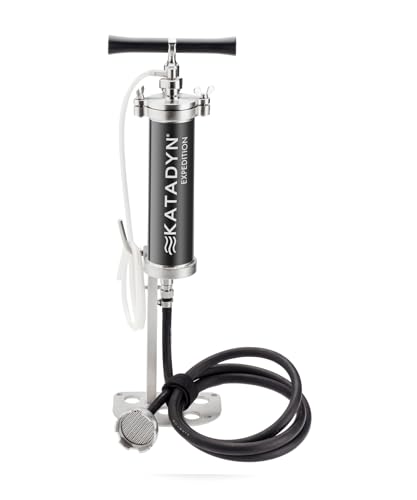
HIGH CAPACITY - Microfilter produces up to 100,000L

Large Water Tanks: Rely on the 160-gallon water tanks to meet your liquid storage needs with ease

WORLD'S SMALLEST HAND-POWERED DESALINATOR: Compact, lightweight reverse osmosis seawater filter built for life rafts, sailboats, marine survival kits, and ditch bags. Sized for groups of 1 to 6 people where space and weight are critical.
Campfire Safety and Etiquette
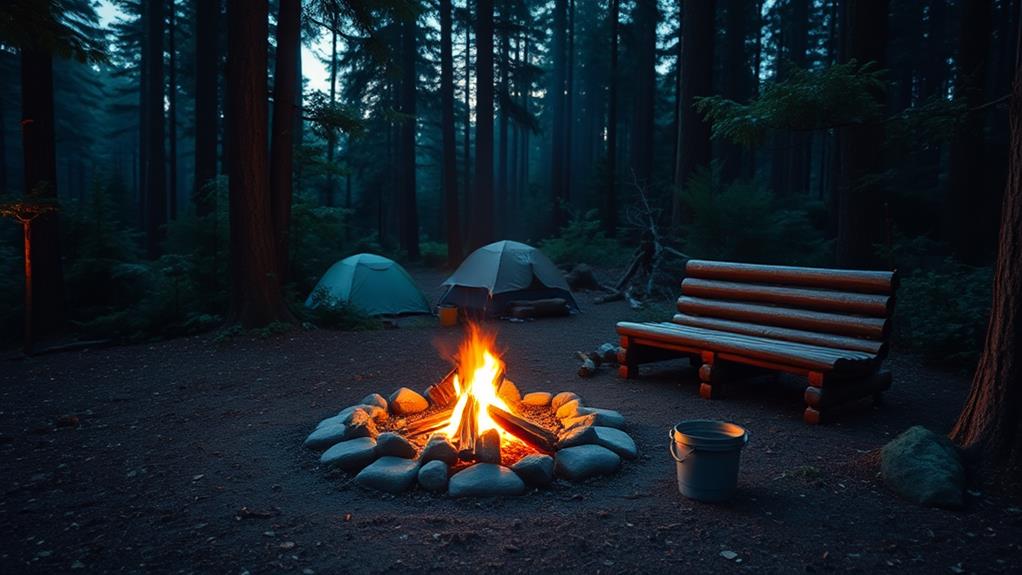
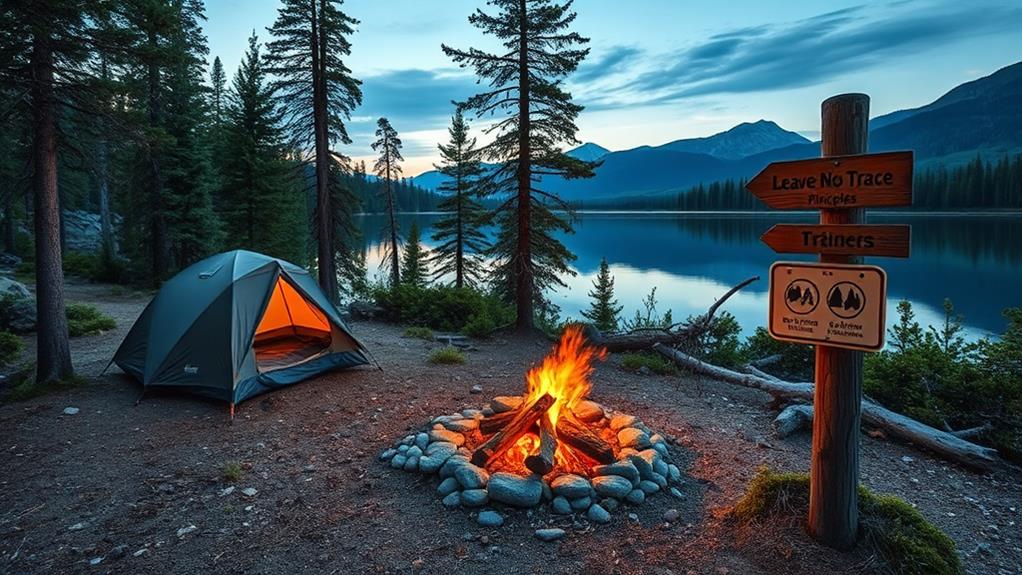
Before lighting a campfire, make sure you check local regulations regarding fire use, as some areas impose restrictions for safety. It's important to keep your fire small and use existing fire rings whenever possible, which helps protect the environment. Always be prepared to fully extinguish your fire with water and a shovel, ensuring it's completely out before leaving your campsite.
Fire Regulations Compliance
Understanding fire regulations is essential for any wild camping adventure, so make certain you're up to speed on local guidelines before sparking up a campfire. Many areas impose restrictions during dry seasons to prevent wildfires, so always check before you light up.
To guarantee fire regulations compliance, follow these tips:
- Use established fire rings to minimize your impact on the landscape.
- Keep your campfires small, relying only on dead and downed wood to limit the risk of fire spread.
- Always remain vigilant; never leave a campfire unattended and verify it's completely out before leaving.
Safe Extinguishing Practices
Making certain your campfire is safely extinguished is just as important as following fire regulations. To practice safe extinguishing, always check local rules regarding campfires, as some places may have fire bans. Use established fire rings and keep your fire small to minimize impact.
Before leaving, confirm you have water and a shovel to fully extinguish your fire; never leave it unattended. Only burn dead and downed wood to protect live trees and reduce smoke. Avoid flammable liquids for ignition.
Follow the principle of "Leave No Trace" by cooling all remnants of your fire and packing out ashes if local guidelines require it. These practices confirm you enjoy the freedom of the outdoors while protecting the environment for future campers.
Personal Hygiene With Minimal Impact
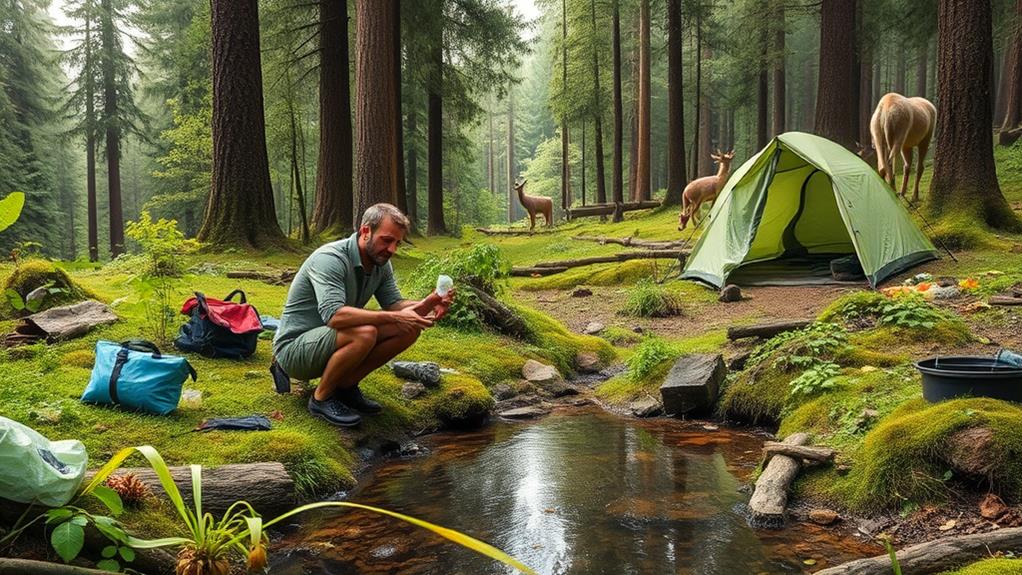
Practicing personal hygiene while wild camping doesn't have to harm the environment. You can maintain cleanliness and protect nature by following a few simple guidelines.
- Use biodegradable soap and shampoo, guaranteeing you're at least 200 feet away from water sources.
- Opt for bamboo toothbrushes and eco-friendly deodorants in recyclable packaging.
- Pack personal care items in reusable containers to minimize single-use plastics.
When it comes to solid human waste, utilize portable, environmentally-safe disposal methods like digging cat holes, also at least 200 feet from water sources. Always carry out any non-biodegradable hygiene products, such as sanitary items or plastic wrappers, to adhere to the "pack it in, pack it out" principle. Following these tips guarantees personal hygiene without compromising the environment.
Recommended Products

COMPACT & WATERLESS DESIGN: A self-contained composting toilet with urine separation, suitable for tiny homes, RVs, boats, and off-grid living, without the need for water or plumbing

Superior Sanitary Solution: Cleanwaste WAG Portable Toilet Bags provide the most hygienic and sanitary option for your portable toilet needs. Say goodbye to unsanitary conditions and embrace a clean and comfortable experience

Eco friendly, Comfortable, Hypoallergenic, Toilet Paper, Absorbent, Strong
Engaging With the Community
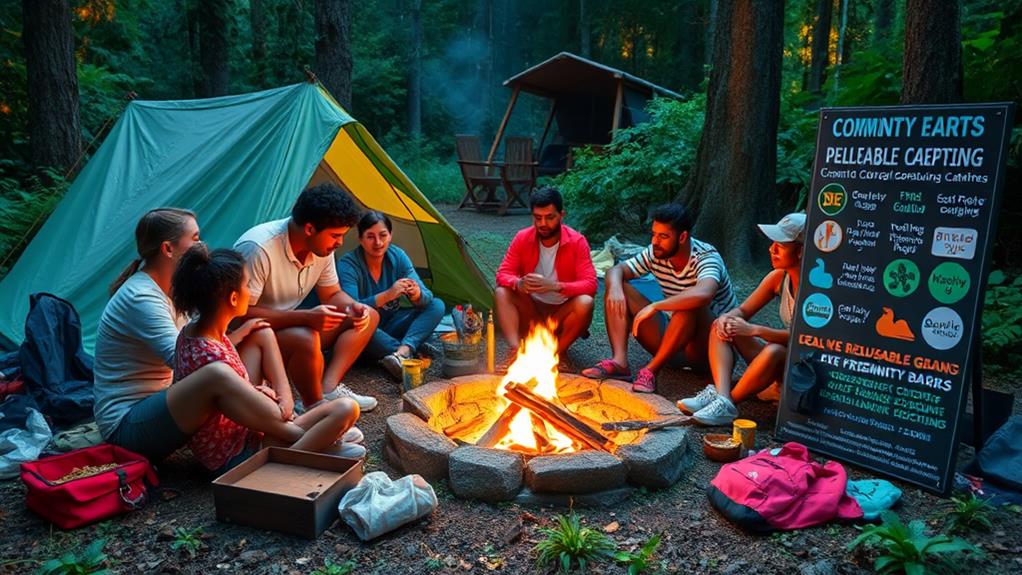
While maintaining personal hygiene is important, connecting with the camping community can enhance your experience and promote eco-friendly practices. Engaging with local eco camping groups offers you valuable knowledge on sustainable practices. Here's how you can get involved:
- Participate in Community Clean-Up Events: Join efforts to preserve natural landscapes, fostering a sense of responsibility and camaraderie among campers.
- Share Your Experiences: Use social media to inspire others with eco camping tips, creating a ripple effect in environmental stewardship.
- Attend Educational Workshops: Deepen your understanding of conservation practices through workshops organized by eco camping groups.
- Advocate for Sustainable Practices: Influence policies for eco-friendly regulations at campgrounds by actively promoting sustainable habits within the community.
Embracing Eco-Conscious Adventures
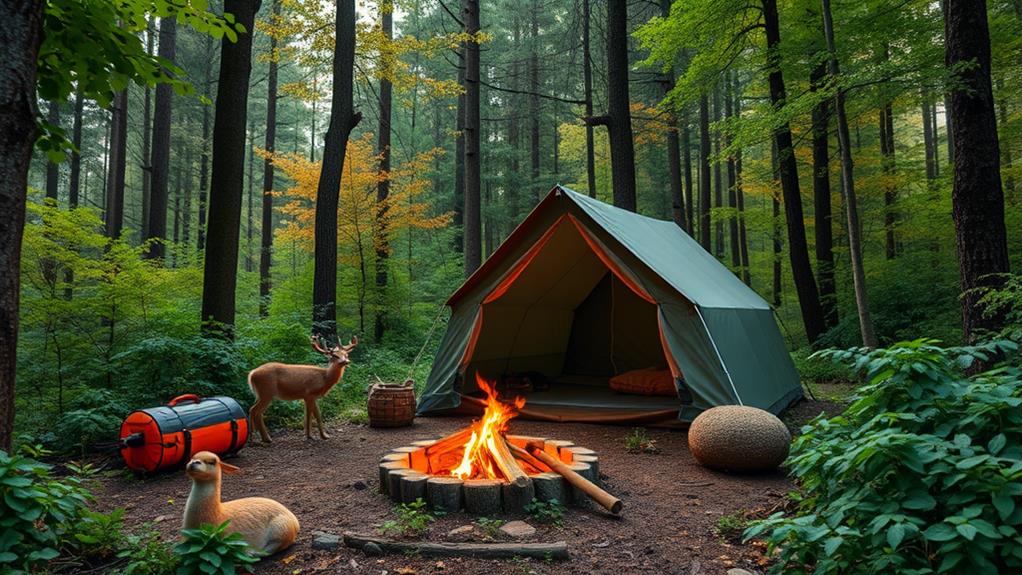
Embracing eco-conscious adventures transforms your outdoor experiences into opportunities for environmental stewardship. By prioritizing sustainability, you greatly reduce your impact and help preserve natural landscapes for future generations. Here are a few strategies to reflect on:
- Follow the Leave No Trace principles to minimize your footprint.
- Choose eco-friendly destinations and visit during off-peak times to protect local ecosystems.
- Invest in durable, sustainable gear and reusable materials to decrease waste.
Engaging with local eco camping communities can further enhance your experience, offering educational opportunities and fostering a sense of shared responsibility. By adopting these practices, you not only enjoy the freedom of the outdoors but also contribute meaningfully to its preservation, ensuring it remains a beautiful sanctuary for all.
Frequently Asked Questions
What Is the Number 1 Rule of Wild Camping?
The number one rule of wild camping is to "Leave No Trace." You've gotta respect nature by packing out all your gear and waste, staying aware of wildlife, and ensuring the environment remains pristine for future adventurers.
How to Camp Sustainably?
When it comes to camping sustainably, you've gotta leave no trace. Choose sustainable gear, respect wildlife conservation, and always remember to pack out what you pack in. Enjoy freedom while protecting nature's beauty!
How Do You Survive Camping in the Forest?
To survive camping in the forest, master shelter construction, use effective foraging techniques, and prioritize wildlife safety. Keep your campsite tidy, respect nature, and embrace the freedom of the wild while staying safe.
How Do Beginners Start Camping?
To start camping, you'll want to research suitable camping locations and invest in essential gear. Prioritize safety tips like checking weather conditions and having a first aid kit to guarantee a fun, worry-free adventure.