⚠️ Disclosure: This post contains Amazon affiliate links. We may earn a commission at no extra cost to you.
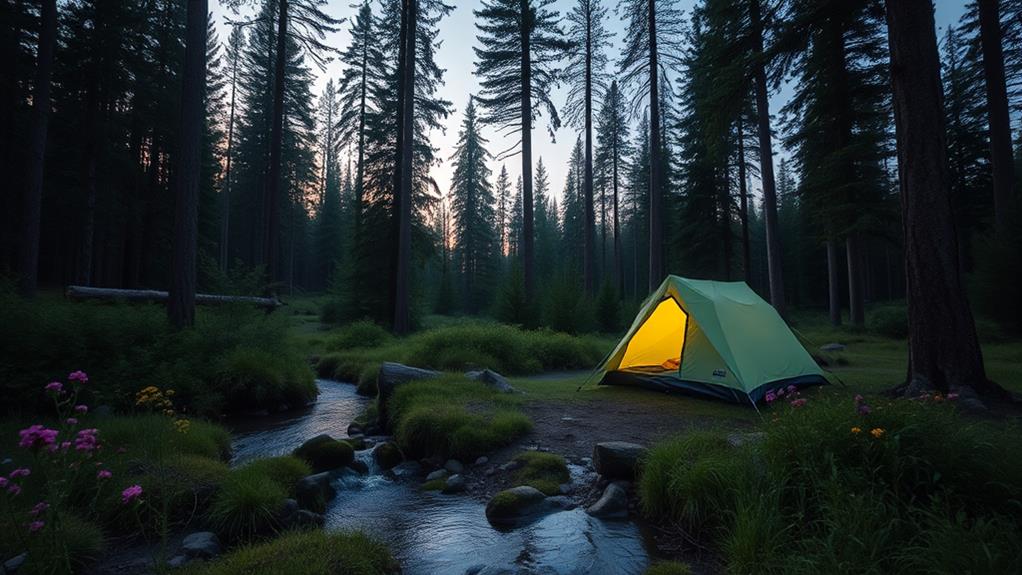
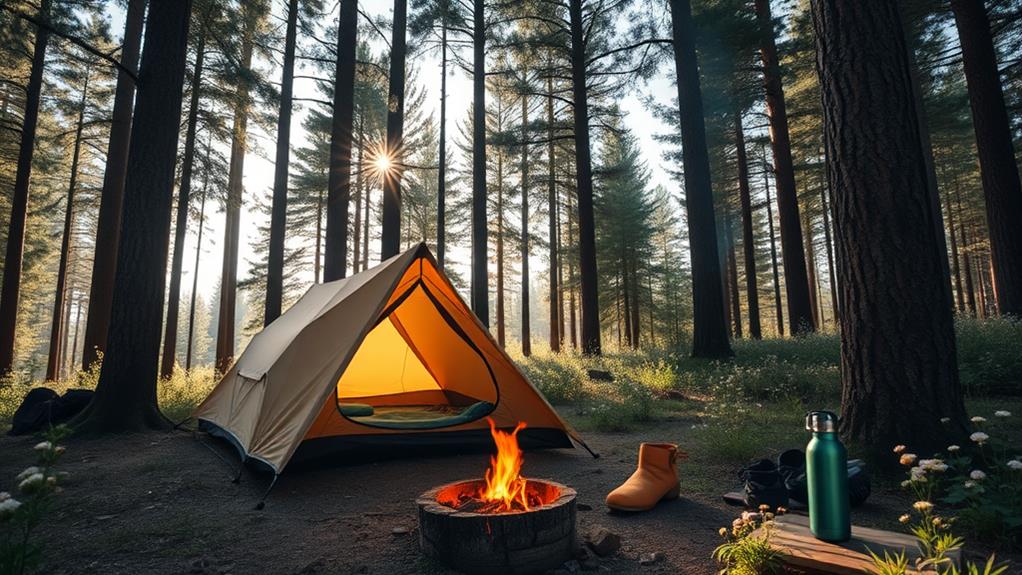
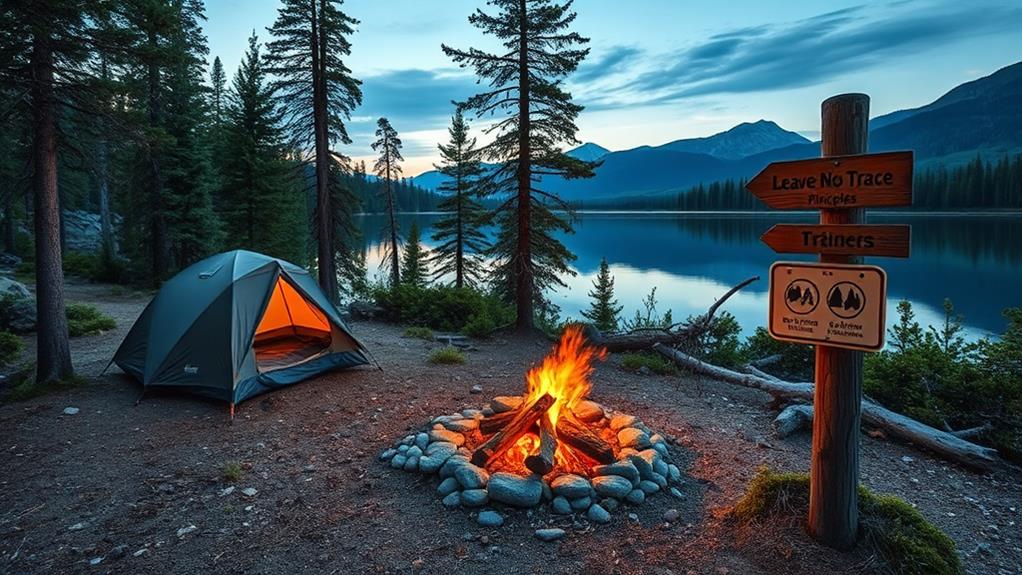
To successfully embrace wild camping while adhering to Leave No Trace principles, follow these key guidelines: First, research local regulations and plan thoroughly. When selecting a campsite, choose durable surfaces away from water sources. Always pack out what you pack in, including waste. Manage campfires responsibly by using existing fire rings and collecting only fallen wood. Secure your food to avoid attracting wildlife, and keep noise to a minimum to respect others. Educating yourself on these practices enhances your experience and protects the environment. You'll discover more essential insights that will contribute to your camping proficiency and responsibility.

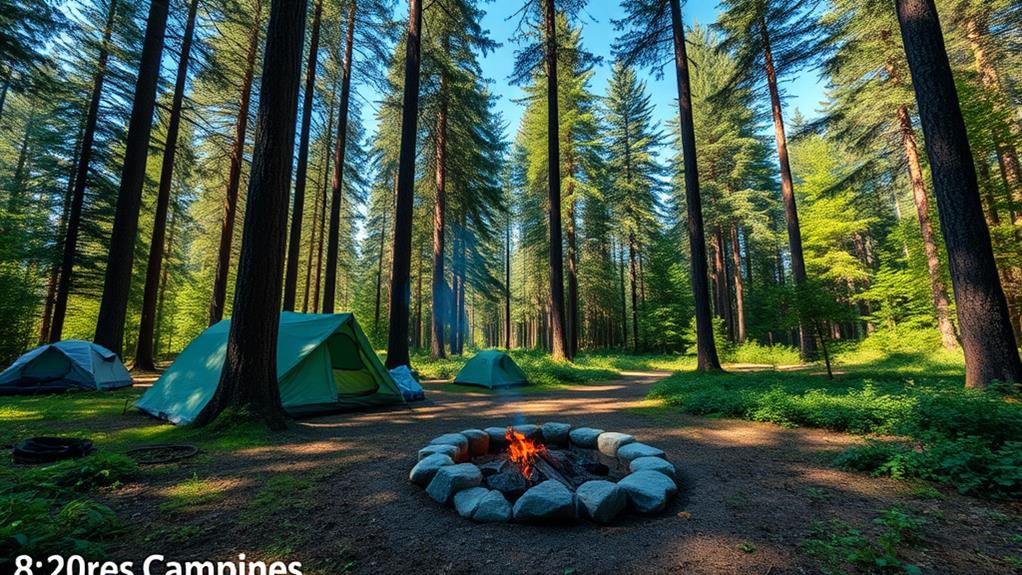
Key Takeaways
- Research local regulations and weather conditions before planning your wild camping trip to ensure a safe and legal experience.
- Select durable surfaces for your campsite, staying 200 feet away from water sources to minimize environmental impact.
- Follow the "pack it in, pack it out" principle by properly disposing of all waste to preserve natural beauty.
- Respect wildlife by securing food, observing from a distance, and minimizing noise to reduce stress on animals.
- Educate yourself and others on Leave No Trace principles to promote sustainable camping practices within your community.
Importance of Leave No Trace
Practicing Leave No Trace is essential for anyone venturing into the great outdoors. By adopting Leave No Trace principles, you minimize human impact on wilderness areas, ensuring these natural landscapes remain pristine. This responsible outdoor behavior is imperative for maintaining ecological balance, which in turn protects wildlife from human interference.
Key reasons to embrace Leave No Trace include:
- Preserving the beauty of natural environments for future generations.
- Preventing wildlife from becoming dependent on human food sources.
- Fostering a culture of respect among fellow campers.
Education on Leave No Trace is essential; informed campers can notably reduce their environmental footprint through simple guidelines. By prioritizing these practices, you actively contribute to sustainable recreation and protect the wild spaces you love.
Planning Your Wild Camping Trip
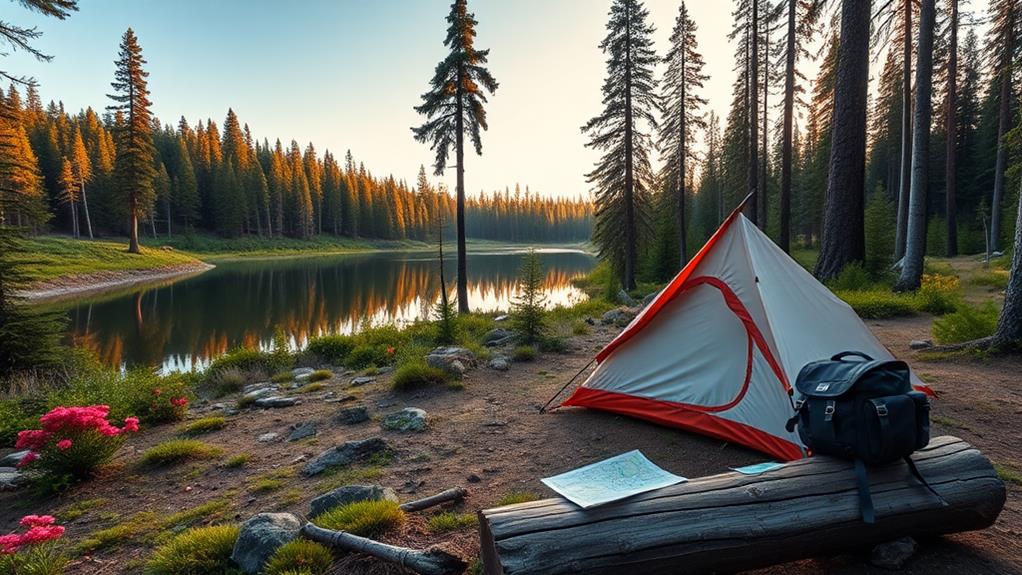
When planning your wild camping trip, understanding the legal regulations in your chosen area is essential, as rules can vary widely. Begin by researching local laws on wild camping to avoid any issues. Next, check the weather forecast to prepare for extreme conditions, ensuring you pack suitable clothing and gear.
- Choose a camping spot at least 30 meters from fresh water sources to protect the environment.
- Schedule your trip during off-peak times to enhance your solitude and connection with nature.
- Inform someone of your plans and expected return time for safety.
- Always carry a mobile phone with a power bank for navigation and communication.
Lastly, remember to leave no trash behind; respect the areas you camp in for future adventurers.
Recommended Products

Duty aluminum frame:license plate frame out of an outdoor durable scratch-proof and weather-proof aluminum composite material and then decorate them with matte black vinyl,...
Selecting the Right Campsite
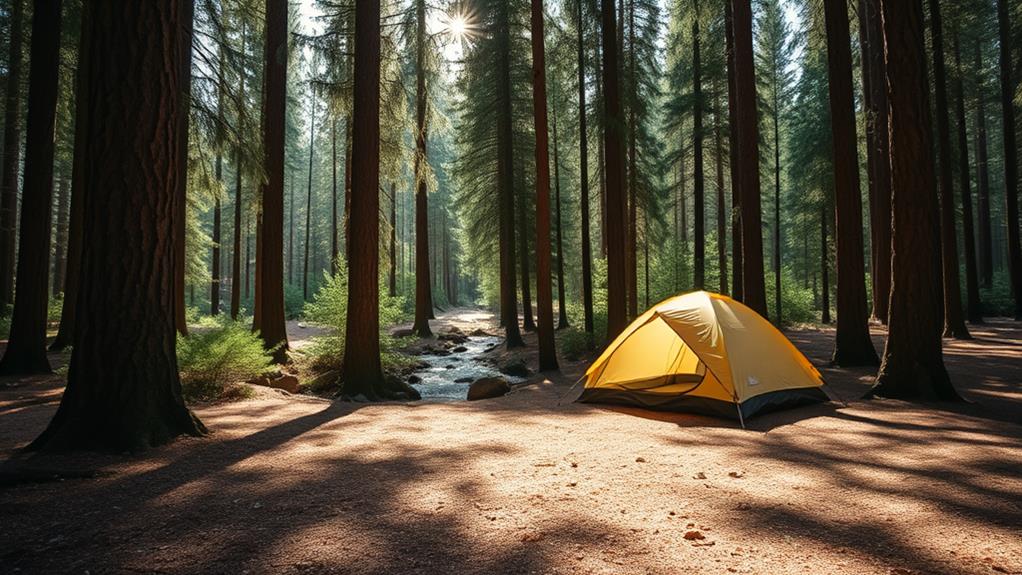
After you've planned your wild camping trip, the next step is selecting the right campsite. Here are some essential tips to take into account:
- Choose durable surfaces like rock, sand, or compacted dirt to minimize ecological impact.
- Stay at least 200 feet away from any water source to protect its quality and wildlife access.
- Look for flat, stable ground free from hazards such as dead trees or falling rocks for safety and comfort.
- Ensure privacy by maintaining a reasonable distance from other campers, fostering a respectful environment.
Recommended Products

Waterproof Design: The tent features a waterproof design with 1500mm water resistance technology to keep you dry in wet conditions.

PRO 1000W BI-DIRECTIONAL ANDERSON DC PORT – Skip inverter loss with direct 12-80V/30A DC hub. Outputs up to 1000W directly to RV fridges, e-bikes, 48V tool systems, camera V-mount batteries, custom DC gear, and auxiliary battery banks.

A Shared RV Camping Haven: FXW Instant helps create a peaceful shared outdoor space for you and your dog at the campsite. Your dog can move, play, and enjoy the outdoor views within a defined area, while you relax nearby—cooking, reading, or unwinding. Enjoy RV camping together with more freedom and peace of mind.
Best Practices for Waste Disposal
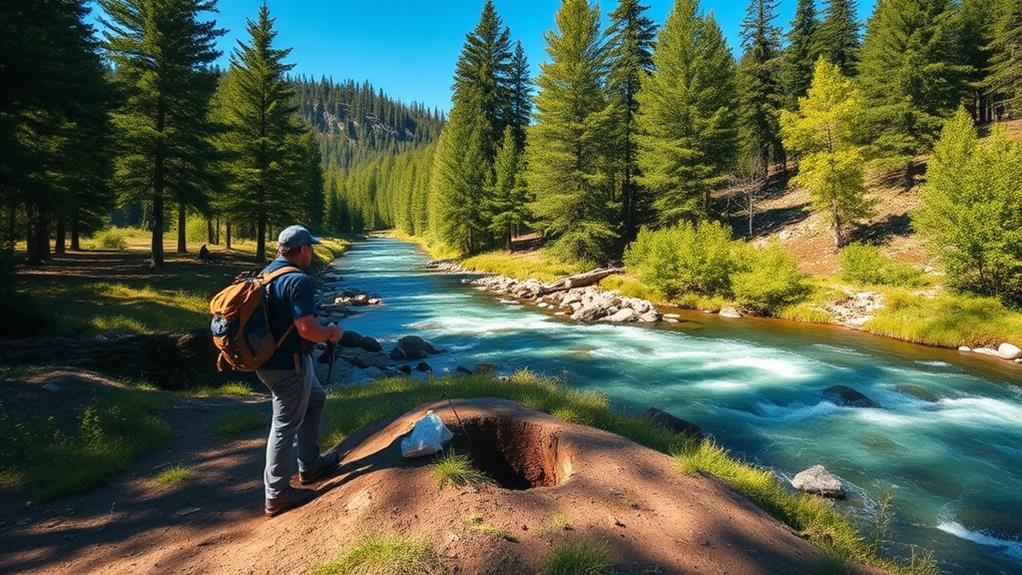
Proper waste disposal is essential for preserving the beauty of natural landscapes while wild camping. To guarantee you leave no trace, always follow the "pack it in, pack it out" principle. Bring back all waste, including trash or spilled foods, and hygiene products. When toilet facilities aren't available, dig a cathole for solid human waste that's at least 6-8 inches deep and 200 feet away from water sources and trails. Use biodegradable soap sparingly, and wash dishes at least 200 feet from water sources, scattering strained dishwater. Remember to pack out all toilet paper and hygiene products, as these can harm wildlife. By adhering to these practices, you'll help preserve nature for others to enjoy.
Recommended Products

Excavator track shovel for bulldozer track cleaning and mud removal: Purpose-built for prying thick hardened mud and heavy debris from bulldozer tracks; steel teeth pierce and dig through tough buildup; proven in the field by professional operators

HEAVY DUTY GARDEN SHOVEL FOR BREAKING THROUGH CLAY, ROCK, AND DENSE SOIL: Also known as a pony shovel, this all steel caprock shovel is the ultimate heavy duty digging shovel for breaking through dense materials including clay, coral, rock, decomposed granite, and compacted soil; ideal for all garden shovels for digging, landscaping, trenching, and tough outdoor applications

Specifically designed to dig out trees, shrubs and trenches
Managing Campfires Responsibly
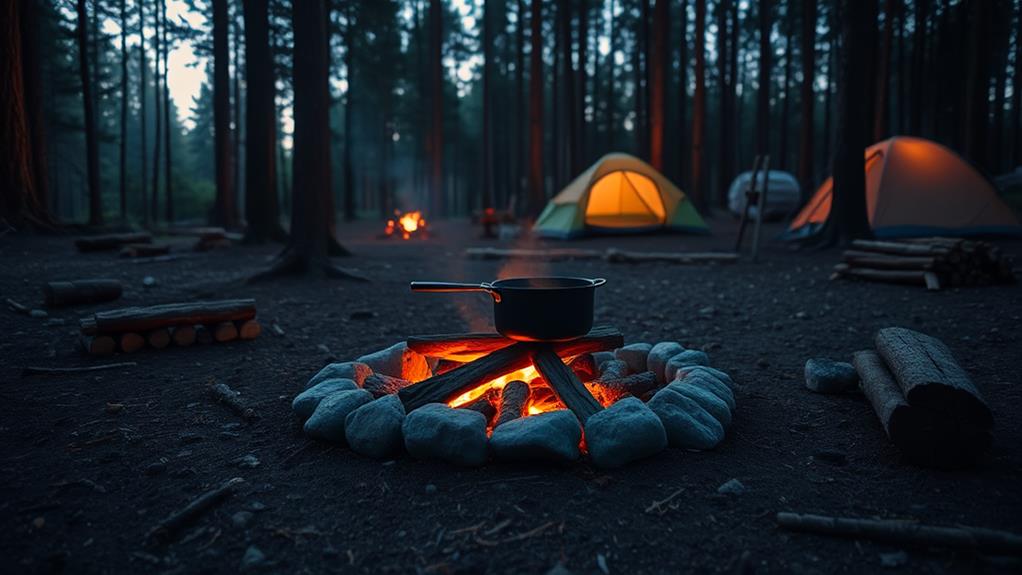
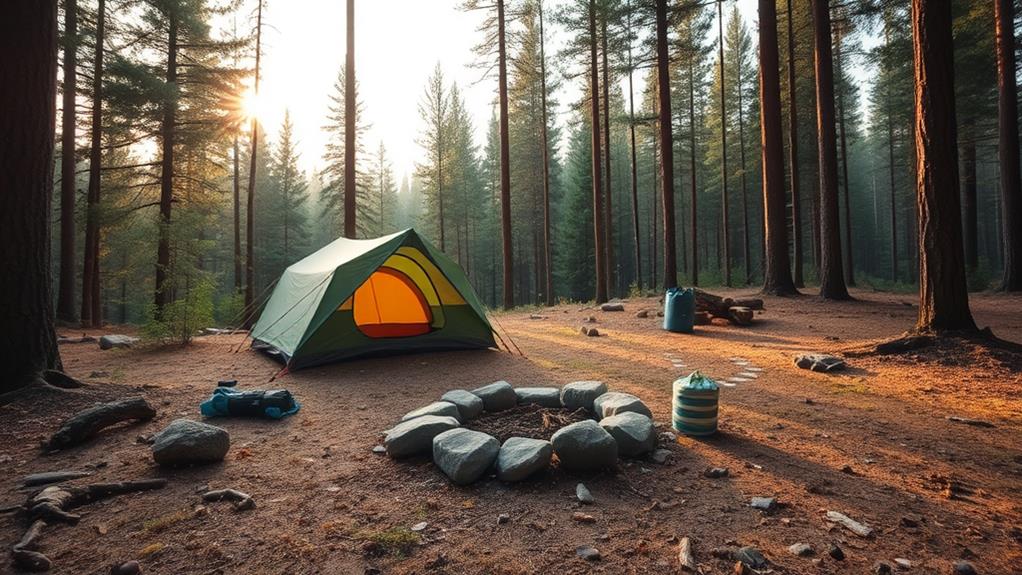
When you're out in the wild, managing campfires responsibly is critical to protect the environment. Always use established fire rings to minimize your impact, and collect firewood only from the ground to preserve local vegetation. Additionally, make certain you extinguish your fire completely, leaving no trace of your presence.
Recommended Products
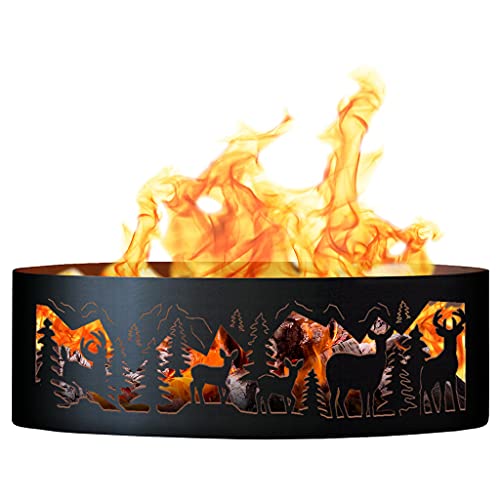
Image May Vary - Please See Product Title for Actual Size and Color!. Made in the USA. 12 gauge steel. Ships in four pieces. Some Assembly required

48 in. Dia. x 12 in. H

FIRE RING WITH COOKING GRATE: Enjoy delicious wood-fired meals with this fire ring and swivel grate combo - designed for use inside your fire pit or on its own.
Fire Ring Usage
Using established fire rings is essential for anyone looking to manage campfires responsibly while wild camping. By following these guidelines, you can minimize impact and reduce ecological disturbance:
- Use established fire rings whenever possible to avoid creating new fire scars.
- Keep fires small and manageable, using only wood gathered from the ground.
- Ensure all materials are burned down to ash before extinguishing the fire, eliminating debris and wildfire risks.
- Follow local regulations regarding campfires, as some areas may prohibit them entirely due to fire risk or environmental concerns.
Before leaving, make sure the fire is completely extinguished by dousing it with water and stirring the ashes. This responsible approach helps preserve nature for everyone.
Firewood Collection Guidelines
After ensuring your fire is properly managed, gathering firewood becomes the next important step in maintaining responsible camping practices.
- Collecting Firewood: Focus solely on dead and downed wood. This minimizes your impact and helps sustain the forest's health.
- Local Regulations: Always check for specific regulations regarding firewood collection, as some areas have restrictions that must be followed.
- Minimize Disturbance: Gather firewood in a way that leaves the surrounding environment undisturbed.
- Quantity: Limit your collection to what's necessary for a small, manageable fire to avoid ecological disturbance and overharvesting.
Safe Extinguishing Practices
Managing campfires responsibly is essential for both safety and environmental protection. To guarantee your campfire practices align with Leave No Trace principles, follow these guidelines:
- Use established fire rings to minimize impact and prevent new fire scars.
- Keep campfires small, using only small amounts of wood for a safe, enjoyable flame.
- Gather firewood responsibly by collecting only downed branches; never cut live trees or vegetation.
- Burn all materials to ash and fully extinguish the fire by dousing it with water, stirring the ashes, and checking for heat.
Additionally, always follow local regulations, as some areas may restrict or ban fires, especially during dry seasons, to prevent wildfires. Your careful practices will help preserve nature for future adventurers.
Interacting With Wildlife Safely
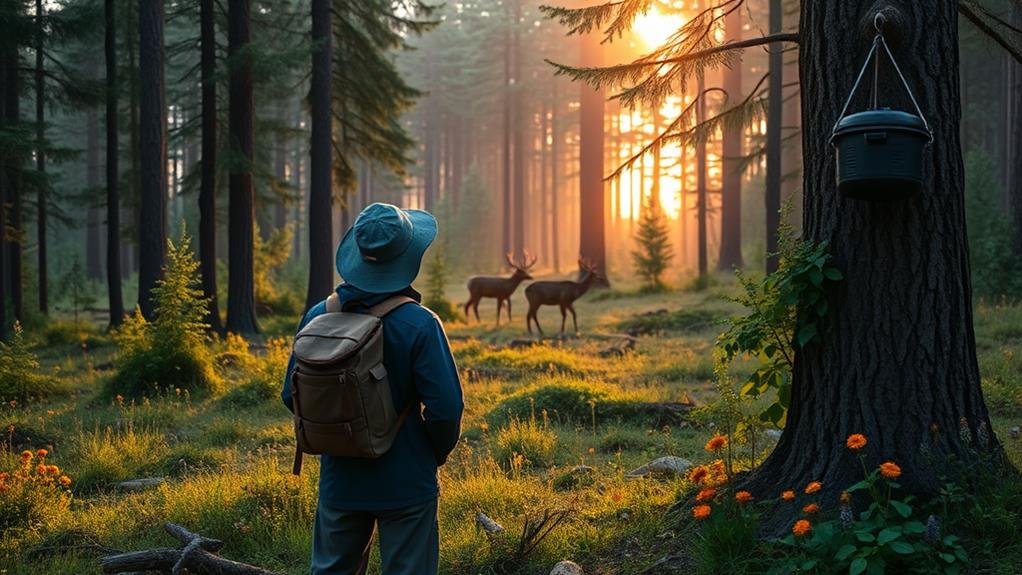
When you're out in nature, interacting with wildlife can be a thrilling experience, but it's crucial to do so safely. Here are key guidelines to follow:
| Action | Why It's Important | Tips |
|---|---|---|
| Avoid loud voices | Reduces stress on wildlife | Communicate quietly with your group |
| Secure food and trash | Prevents attracting animals | Use bear-proof containers |
| Observe wildlife from a distance | Guarantees safety for both you and animals | Use binoculars for a closer look |
| Consider wildlife access to water | Supports natural behaviors | Camp away from water sources |
Recommended Products

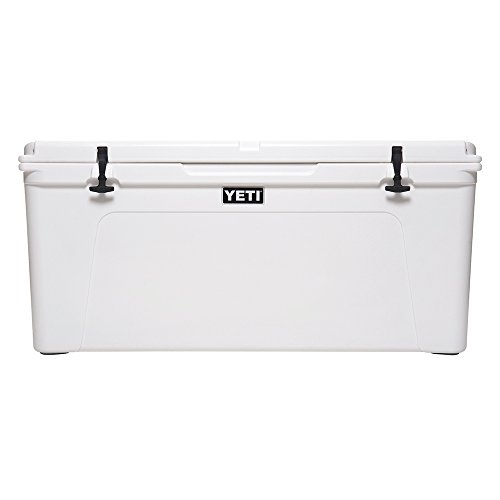
The YETI Tundra 160 is designed for those guys and gals who are in the field or on a boat season after season, for whom ordinary coolers just won’t cut it. Durable? You bet.

KIT INCLUDES - 2 Paintable Roof Tape 4'' x 25' with Roller, 4 x 10oz Tubes of Self Leveling Caulking Lap Sealant, 1 x 1G Roof Cleaner and 2 x 1G & 4G Silicone Pail
Respecting Other Campers
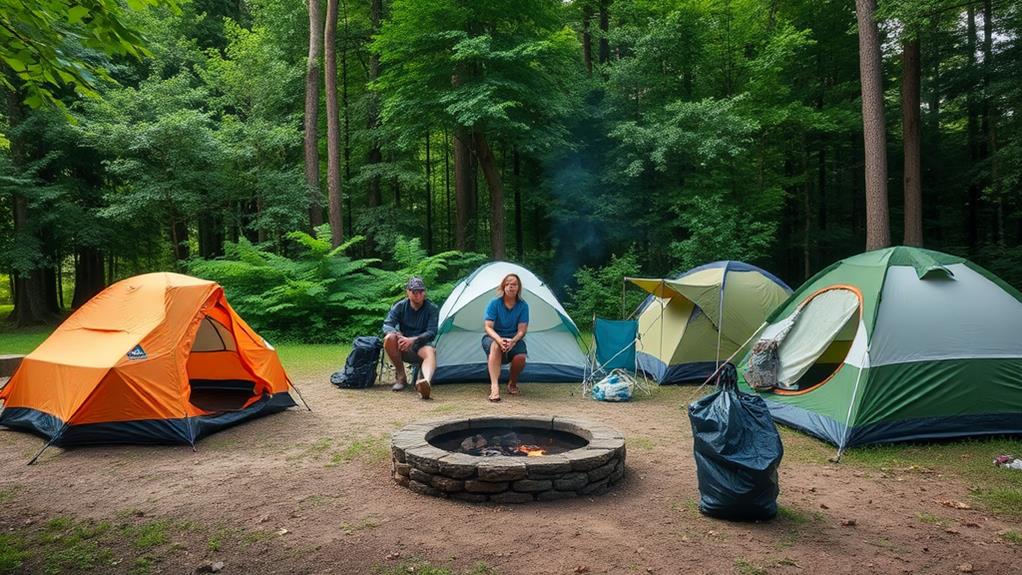
While enjoying the beauty of nature, it's important to remember that you're not the only one out there. Respecting fellow campers enhances everyone's experience. To do this effectively, consider the following guidelines:
- Maintain a distance of at least 200 feet from other campers to guarantee privacy.
- Keep noise levels low, especially during quiet hours, allowing nature's sounds to thrive.
- Clean up your campsite, disposing of waste properly, as this fosters a welcoming environment for all.
- Engage with nearby campers in a friendly manner, sharing recommendations while respecting their space.
Educating Yourself and Others
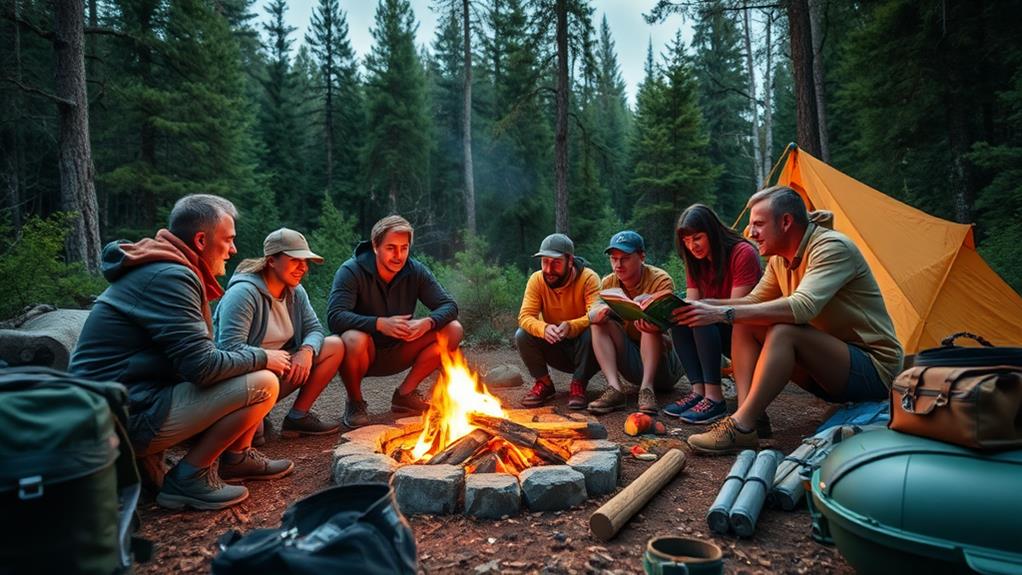
Understanding the principles of responsible camping is essential not just for your enjoyment, but also for preserving the natural beauty around you. Educating yourself and others about Leave No Trace practices creates a more aware community. Here are some effective ways to spread knowledge:
| Method | Description | Benefits |
|---|---|---|
| Take Courses | Enroll in Leave No Trace workshops. | Gain foundational knowledge. |
| Share Materials | Distribute educational posters. | Promote awareness among peers. |
| Engage in Outreach | Participate in community programs. | Foster respect for wildlife. |
| Use Social Media | Share tips and experiences online. | Inspire others to adopt practices. |
Frequently Asked Questions
What Is the Number 1 Rule of Wild Camping?
"When in Rome, do as the Romans do." The number one rule of wild camping's about respecting nature. You'll need to focus on campsite selection, wildlife safety, and cooking techniques while being mindful of fire regulations and weather preparation.
What Are the 7 Principles of the Leave No Trace?
When considering the seven principles, remember that camping ethics guide your environmental impact. Focus on outdoor safety, gear selection, wildlife interaction, and sustainable practices to guarantee a respectful, enjoyable experience in nature. Enjoy your freedom responsibly!
How Do You Go to the Toilet When Wild Camping?
When wild camping, you've got toilet options like catholes or biodegradable bags. For waste disposal, prioritize privacy solutions, follow campsite etiquette, and remember hygiene tips—keeping nature clean guarantees everyone enjoys the freedom of the outdoors.
What Is the Rule #1 of Camping?
When camping, your rule #1 is to plan ahead. Make certain you've got the right camping gear, prepare for weather, understand fire regulations, and be mindful of wildlife encounters for ultimate outdoor safety and campsite selection.