⚠️ Disclosure: This post contains Amazon affiliate links. We may earn a commission at no extra cost to you.
To guarantee a low-impact camping experience, follow these five essential tips:
- Research Regulations: Check local rules on permits and designated campsites, as many areas require them.
- Choose Durable Surfaces: Opt for established sites on rock or sand to minimize ecological damage.
- Maintain Distance from Water: Camp at least 200 feet away from water sources to protect water quality and wildlife habitats.
- Respect Fellow Campers: Keep noise levels low and maintain distance for privacy.
- Assess Hazards: Inspect the area for dead trees and unstable ground.
You may be interested

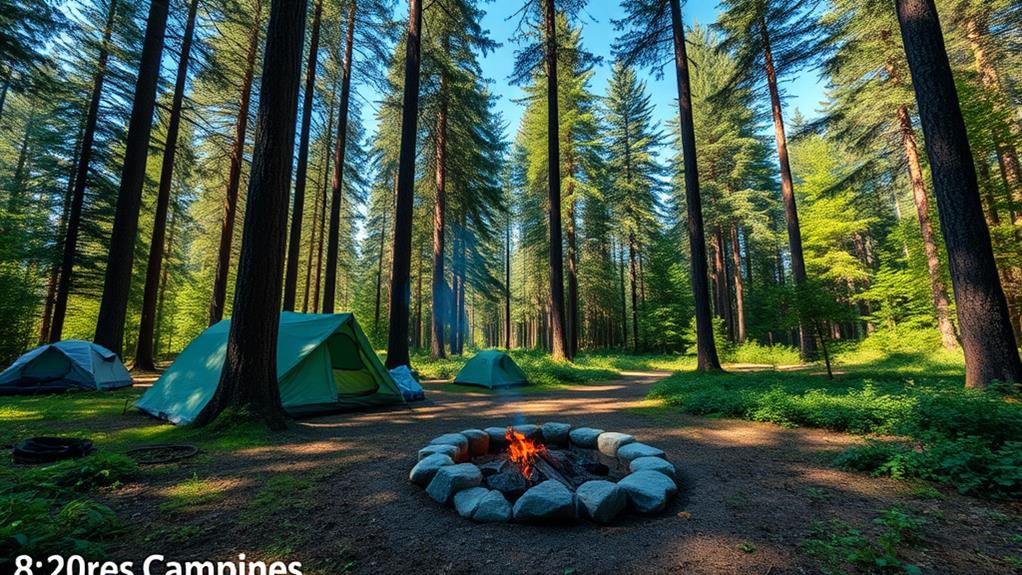
These guidelines are vital for sustainable camping; more insights await you.
Key Takeaways
- Choose established campsites on durable surfaces like rock or sand to minimize ecological damage and soil erosion.
- Camp at least 200 feet away from water sources to protect water quality and surrounding habitats.
- Maintain a distance of at least 200 feet from other campers for privacy and to enhance the camping experience.
- Assess the campsite for potential hazards, including dead trees, unstable ground, and proximity to cliff edges.
- Follow local regulations regarding permits, fire restrictions, and wildlife guidelines to ensure responsible camping practices.
Research Campsite Regulations
Before you head out on your camping adventure, it's crucial to explore the specific regulations that apply to your chosen area. Familiarizing yourself with campsite regulations can enhance your experience while minimizing your impact.
- Designated Campsites: Many parks require you to camp at designated sites.
- Distance from Water: Stay at least 200 feet away from any water source to protect local wildlife habitats and prevent contamination.
- Permits: Check if you need permits for overnight stays.
- Fire Hazards: Be aware of fire restrictions, as some areas may prohibit campfires entirely.
- Food Storage Techniques: Follow local wildlife guidelines, especially in bear country, to avoid attracting animals.
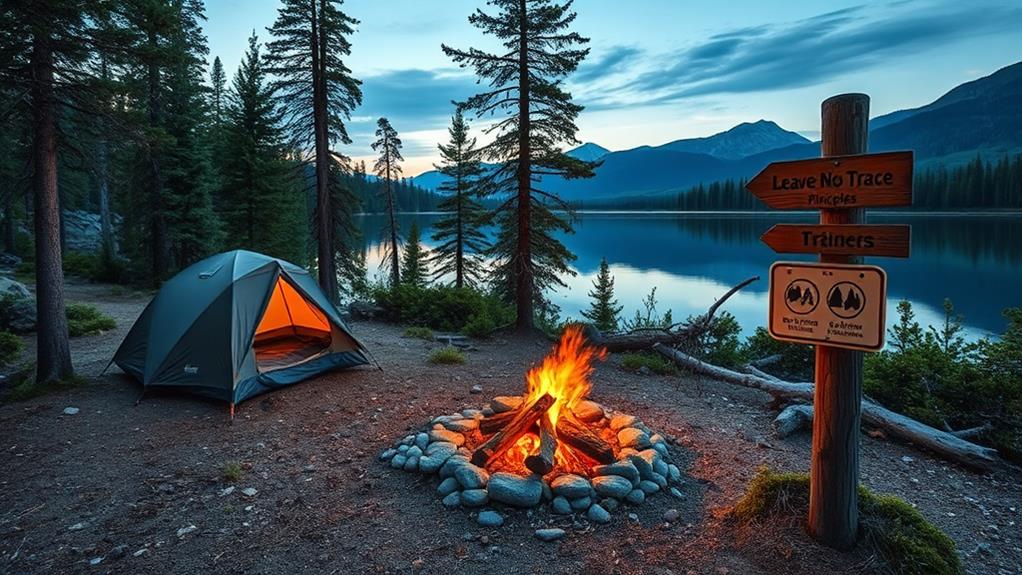
- Environmental Impact: Adhere to Leave No Trace principles to preserve the natural environment.
Recommended Products

ROTOMOLDED - If the walls of a cooler aren’t uniform in thickness, the strength and durability of that cooler is questionable at best. Our coolers are built with rotationally-molded LLDPE plastic to ensure even wall thickness, durability, and max performance on every adventure

Adjustable Size for 1–4+ Day Trips: Expands and collapses as your food supply changes, reducing wasted space in your pack. The center access and optional divider help you stay organized out on the trail.

Protects your food and protects the bears
Choose Durable Surfaces
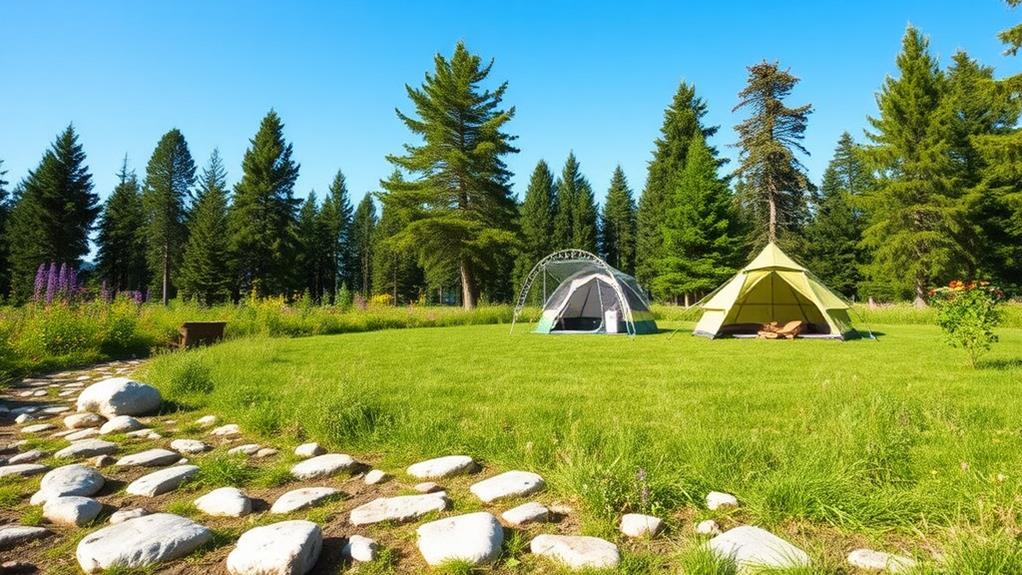
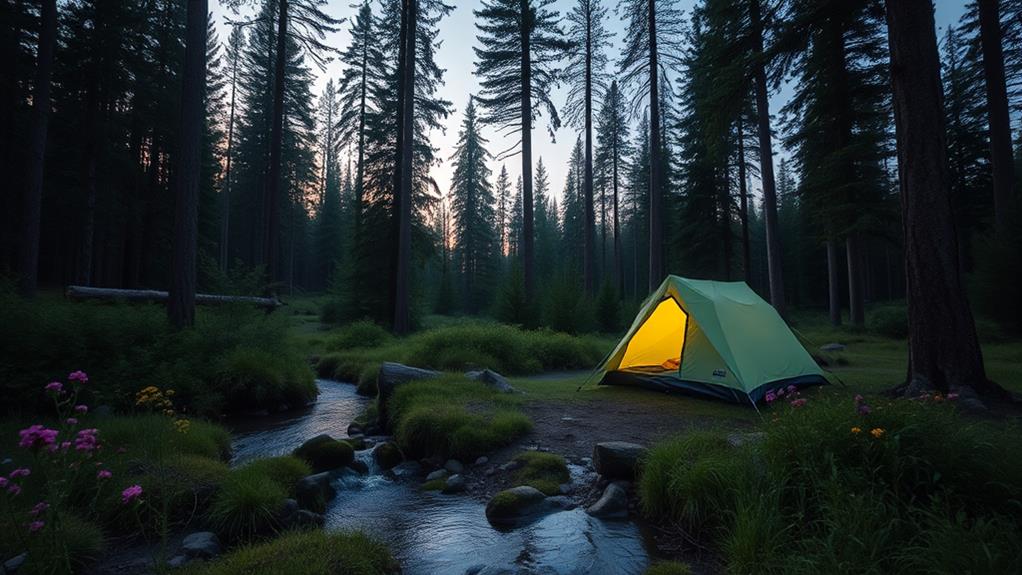
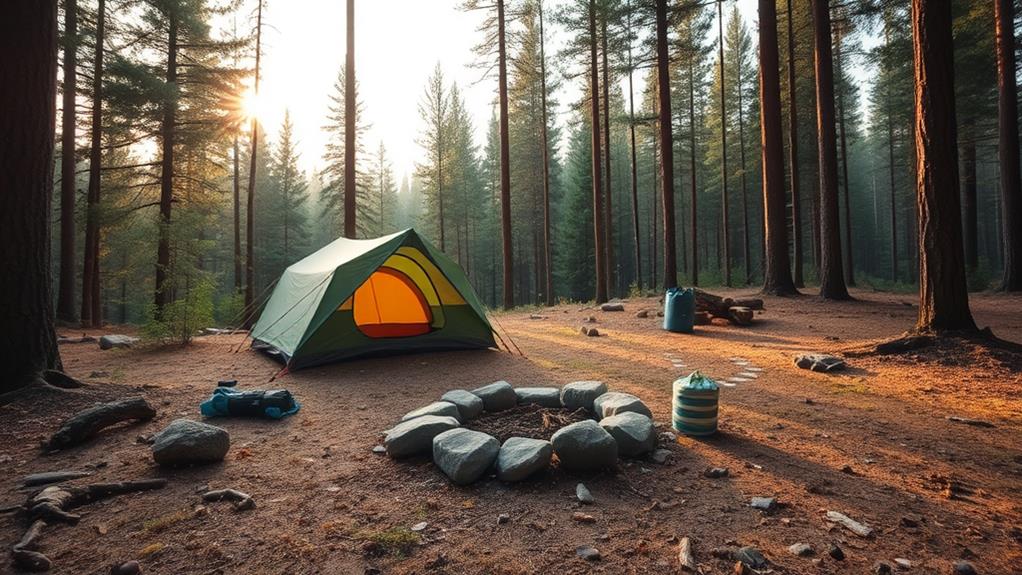
When selecting a campsite, it's important to choose durable surfaces like rock, sand, or compacted dirt. These surfaces help prevent soil erosion and minimize ecological damage, ensuring your tent camping experience has less impact on the environment.
When setting up camp:
- Look for established campsites that already utilize durable surfaces.
- Avoid sensitive vegetation, such as meadows and alpine zones, to mitigate trampling.
- Remember that durable surfaces provide better drainage, reducing flood risks and enhancing your setup's stability.
Recommended Products

100% WATERPROOF: 20,000 mm rating and heat-taped seams keep you dry in sustained heavy rain and shifting winds.
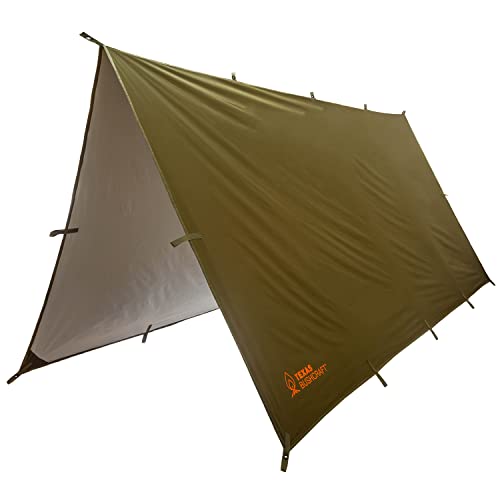
ENDURE THE STORM under the protection of a Texas Bushcraft Survival Tarp. Designed to fend-off rain, cold and hostile environs, this rugged waterproof tarp helps you overcome outdoor adversity in any season. Remain warm, dry and concealed until the coast is clear or help arrives with this emergency tent tarp in your go-time gear.

The Ultimate Wilderness Wingman: Whether you’re setting up at camp, the RV park, or on a river trip, Noah’s Tarp is an essential and capable piece of your kit. This simple shelter comes in three sizes, throwing shade for groups of 1 to 16.
Maintain Distance From Water
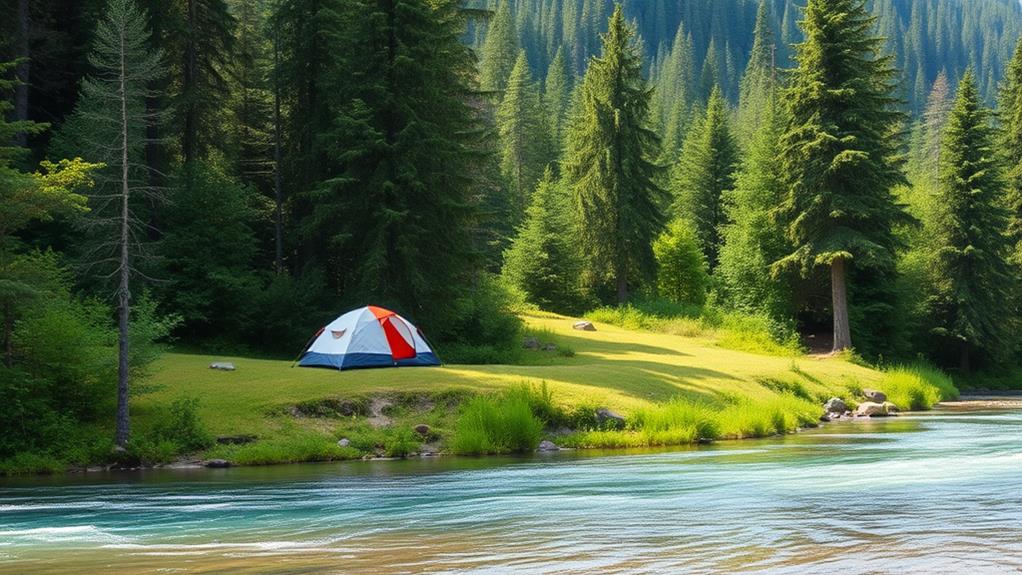
Choosing a durable surface for your campsite is just one part of minimizing your environmental impact. Maintaining a distance from water sources is equally important.
- Set Up Camp: Always camp at least 200 feet away from water sources. This distance helps protect water quality and prevents erosion.
- Wildlife Access: Staying back allows wildlife to access their habitats without disruption.
- Flood Prevention: Being further away reduces the risk of your campsite flooding during heavy rains.
- Responsible Camping: Following these guidelines guarantees you're practicing responsible camping, which is essential for sustainable natural resources.
Recommended Products

BUILT-IN LED LIGHTING: Ceiling pole-integrated LEDs with three levels of illumination—high, low, and night light—controlled by a wall switch for versatile lighting
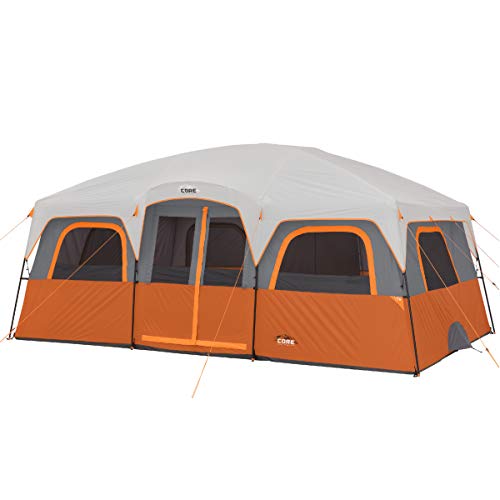
SPACIOUS INTERIOR: Features a nearly straight-wall design for ample standing room and easy movement

Spacious 6-Person Family Tent: Comfortably fits two queen-size airbeds with extra room for gear—ideal for family camping trips or group getaways in the great outdoors.
Respect Fellow Campers
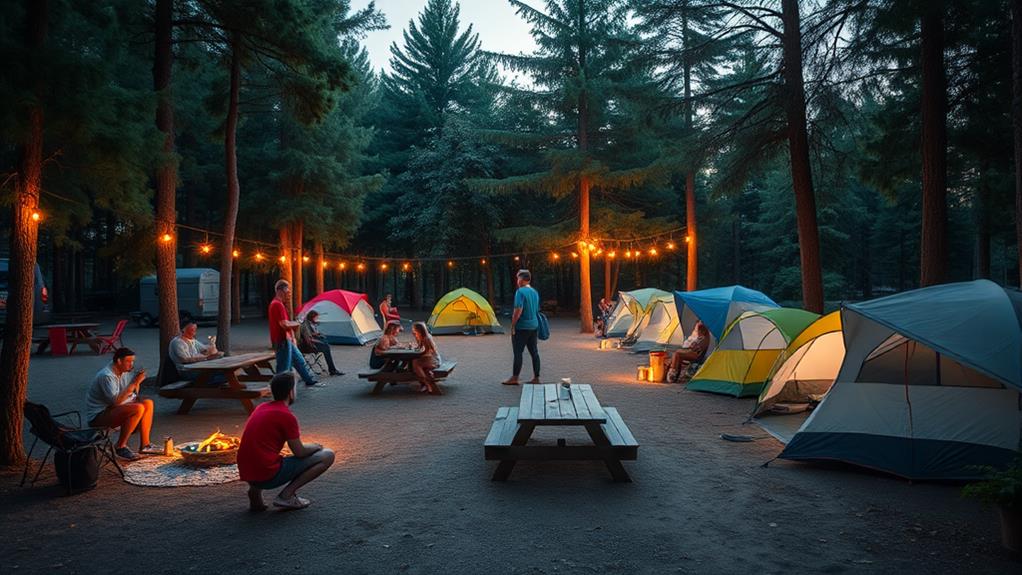
Respecting fellow campers is essential for creating a positive outdoor experience. To guarantee everyone enjoys their time, maintain a distance of at least 200 feet from other campers when you choose a campsite. This distance not only provides privacy but also fosters a respectful atmosphere. Keep noise levels low, particularly during quiet hours, so everyone can savor the tranquility of nature.
When setting up your tent, avoid obstructing trails with your gear, as this can disrupt others. If you're loading your car or using biodegradable soap, be mindful of your surroundings. Engaging respectfully with fellow campers, sharing experiences without crowding them, helps protect the camaraderie of the camping community, especially during your first camping or backpacking trip.
Assess Potential Hazards

Ensuring a safe and enjoyable camping experience involves more than just respecting fellow campers; evaluating potential hazards in your chosen site is equally important. Assess the ground's stability by checking for loose soil or signs of flooding nearby. Look for dead trees that could fall during storms, and maintain a safe distance from cliff edges to prevent accidents.
Here's a quick reference table for potential hazards:
| Potential Hazards | Safety Measures |
|---|---|
| Dead Trees | Inspect trees for health |
| Loose Soil/Flooding | Choose stable ground |
| Cliff Edges | Stay at least 10 feet back |
| Weather Changes | Check the weather forecast |
Recommended Products

A Velcro cover protects lanyard labels and holds an i-Safe identification tag for recording and storing information on inspections

【Dual Fuel & High Power】Powered by a reliable 322cc OHV engine with a cast iron sleeve, this dual-fuel generator delivers 7500 peak watts and 6300 rated watts on gasoline, or 6800 peak watts and 5800 rated watts on propane, offering flexible fuel choice and dependable performance for home emergencies, powering tools, or outdoor recreation, ensuring you have strong and steady power whenever you need it.

No Standalone lithium batteries are sold with the product
Frequently Asked Questions
Recommended Products

RELIABLE 24/7 VISION - Infrared/Thermal imaging reveals humans and animals in complete darkness or glaring light, offering reliable detection at any time of day.

【Multi-Function Rainfly】With high waterproof-rated Silver-coated fabric, the rainfly provides full protection to effectively block heavy rain and prevent moisture inside the tent, featuring stain-repellent properties for easy cleaning and maintenance. The silver coating helps reflect most UV rays, effectively reducing the interior temperature/ stuffiness of the Air tent, particularly suitable for summer use or in areas with intense sunlight, such as beach camping.

🏕️【Spacious Space】 Waterproof, with diameter 16.4ft(5M)/door height 5.6ft(1.7m)/top height 9.9ft(3m)/side wall 23.6in(60cm),you're able to fit a queen bed and two blow-up mattresses, the bell tent still has plenty of room to walk around.
How to Choose the Perfect Campsite?
Choosing the perfect campsite's like picking a hidden gem; you want features that balance natural surroundings, accessibility options, and privacy levels. Consider weather, local wildlife, ground surface, and fire regulations to guarantee a memorable experience.
How to Camp for First Timers?
When you camp for the first time, focus on essential camping gear, fire safety, and cooking tips. Master tent setup, wildlife awareness, weather preparation, and navigation skills while practicing camping etiquette and basic first aid. Enjoy your adventure!
When Picking a Campsite, You Should Avoid What Kinds of Areas?
When picking a campsite, steer clear of wet areas, rocky terrain, steep slopes, flood zones, wildlife trails, high traffic zones, unstable ground, dense brush, near water, and exposed ridges. You deserve a safe retreat!
Where Not to Set up Camp?
When choosing where not to set up camp, steer clear of water sources, wildlife trails, steep slopes, dead trees, marshy ground, busy roads, and sensitive habitats. Avoid areas with fire hazards or high wind risks too.