⚠️ Disclosure: This post contains Amazon affiliate links. We may earn a commission at no extra cost to you.
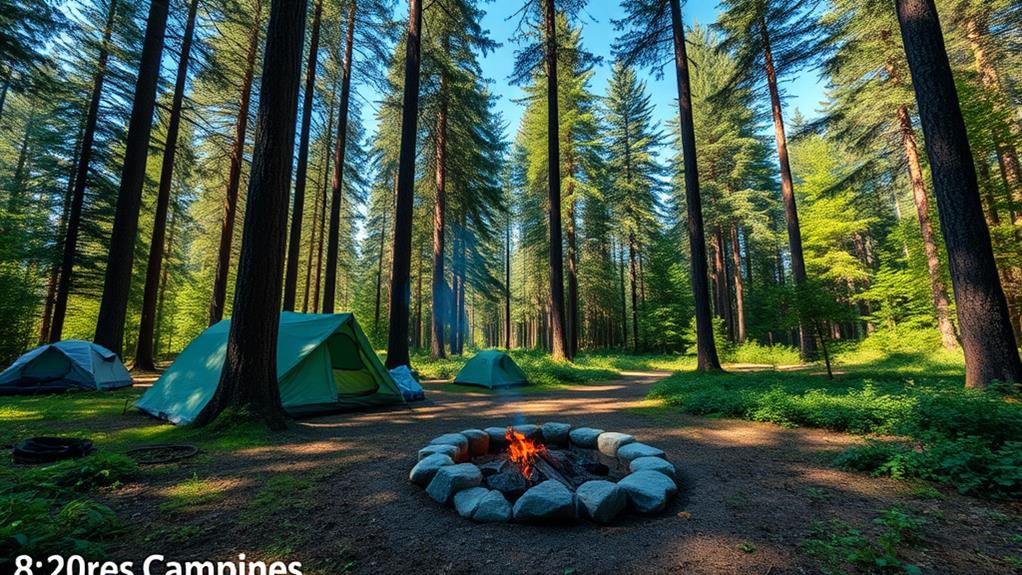
Mastering Leave No Trace principles is essential for sustainable wild camping. As you plan your trip, research local regulations and aim for off-peak seasons. Select established campsites, at least 200 feet from water sources, to minimize environmental disturbance. Implement effective waste management strategies, such as packing out all trash and using biodegradable products. For food, prepare only what's necessary and responsibly dispose of scraps away from wildlife. Maintain hygiene by keeping toiletries unscented and managing wastewater properly. Respect wildlife by observing from a distance and avoiding disruptions. Engaging with fellow campers fosters a community dedicated to preserving nature. Explore further to enhance your skills.

Key Takeaways
- Follow the seven core principles of Leave No Trace to minimize your environmental impact while camping in the wild.
- Plan your trip by researching local regulations and choosing off-peak seasons to avoid overcrowding and protect natural areas.
- Select established campsites and durable ground cover, camping at least 200 feet away from water sources to safeguard ecosystems.
- Practice responsible waste management by packing out all trash and food scraps, and using proper disposal methods for solid waste and wastewater.
- Respect wildlife by observing from a distance, avoiding feeding animals, and educating yourself on local wildlife behaviors for safer interactions.
Understanding Leave No Trace
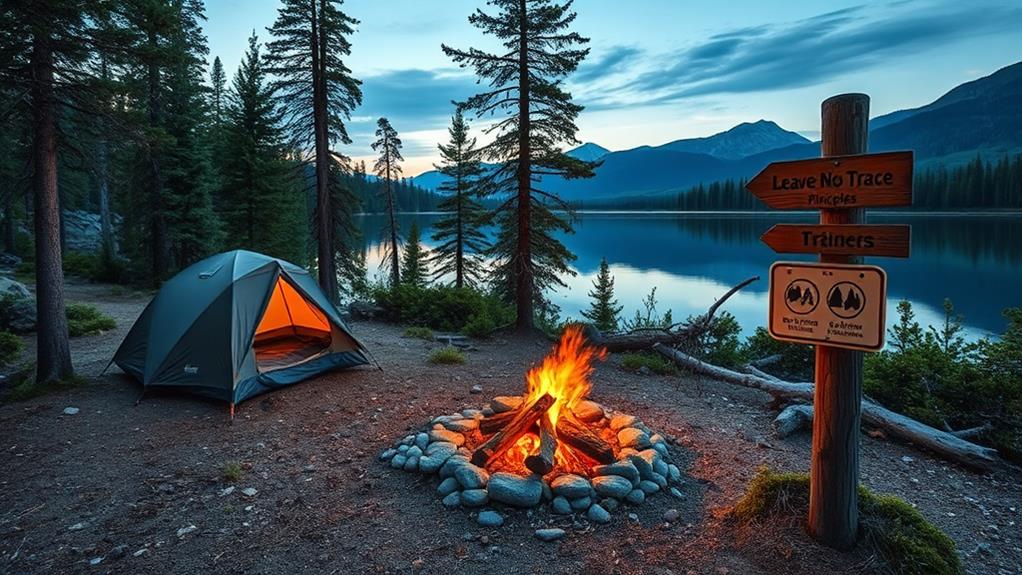
When you venture into the great outdoors, understanding Leave No Trace is essential for preserving the environment. The Leave No Trace principles consist of seven core guidelines designed to minimize human impact on natural areas. By adhering to these principles, you engage in responsible wild practices that safeguard our wilderness.
- Plan Ahead: Prepare for your trip to reduce risks and waste.
- Travel on Durable Surfaces: Stick to established trails to prevent soil erosion.
- Dispose of Waste Properly: Litter, especially plastics, harms wildlife. Always pack out what you bring in.
- Respect Wildlife: Observe from a distance and never feed animals.
- Consider Other Visitors: Be mindful of noise and space to enhance everyone's experience.
These guidelines foster a culture of respect for nature, ensuring the beauty of our wild places endures for generations.
Planning Your Wild Camping Trip
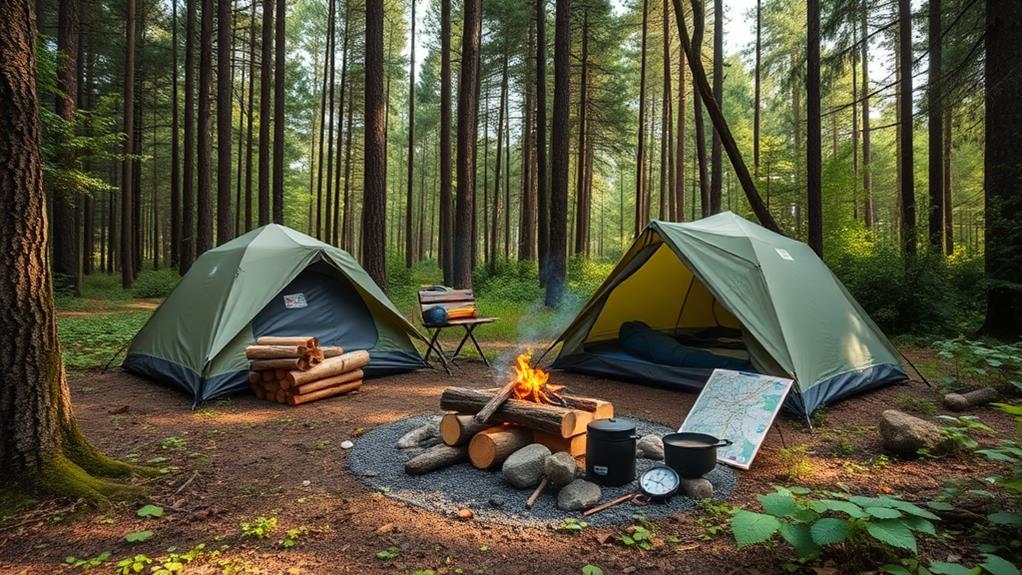
Understanding Leave No Trace principles lays the groundwork for a successful wild camping adventure. When planning your wild camping trip, consider the following essential aspects:
- Research Regulations: Familiarize yourself with local guidelines, as wild camping legality varies, especially in regions like England.
- Timing: Opt for off-peak seasons to reduce environmental impact and avoid overcrowding.
- Campsite Selection: Choose previously impacted areas with durable ground cover, steering clear of sensitive environments needing recovery.
- Water Sources: Identify reliable water sources, guaranteeing you have a filtration system for safe drinking water.
- Gear Checklist: Prepare a list of necessary supplies, including food, waste disposal materials, and camping gear to uphold responsible practices.
Planning carefully guarantees a respectful and enjoyable experience in nature.
Recommended Products
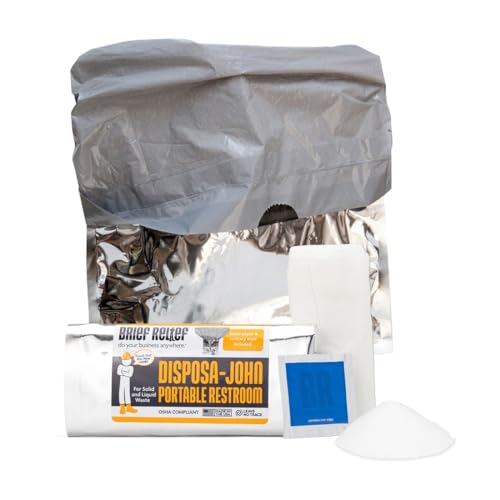
All-in-One Kit: Includes silver triple barrier bag, inner bag, ample toilet paper and wet wipe. Everything you need for a restroom break on-the-go. Made in USA.

All-in-One: Each Wag Bag Platinum Kit contains instant gelling poo powder inside a triple barrier zip close bag, toilet paper and sanitizing handwipe. Made in USA.

CONVENIENT AND COMPACT: The GO Anywhere Complete Portable Camping Toilet weighs only 7 pounds and folds to the size of a standard briefcase. It provides the comfort and height of a standard toilet, supporting up to 500 pounds. No need for messy chemical waste storage tanks or dump stations. No assembly required.
Selecting the Right Campsite
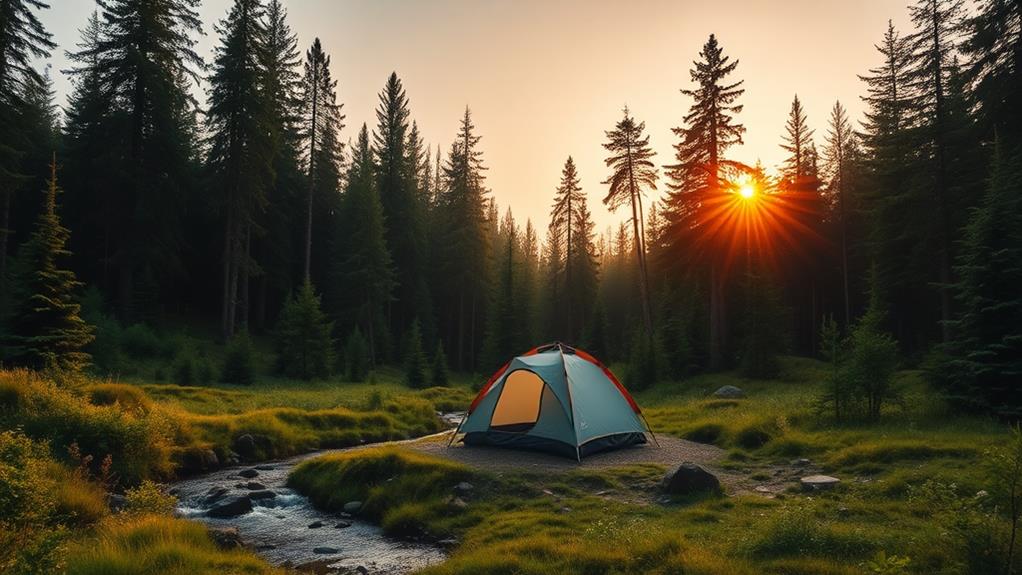
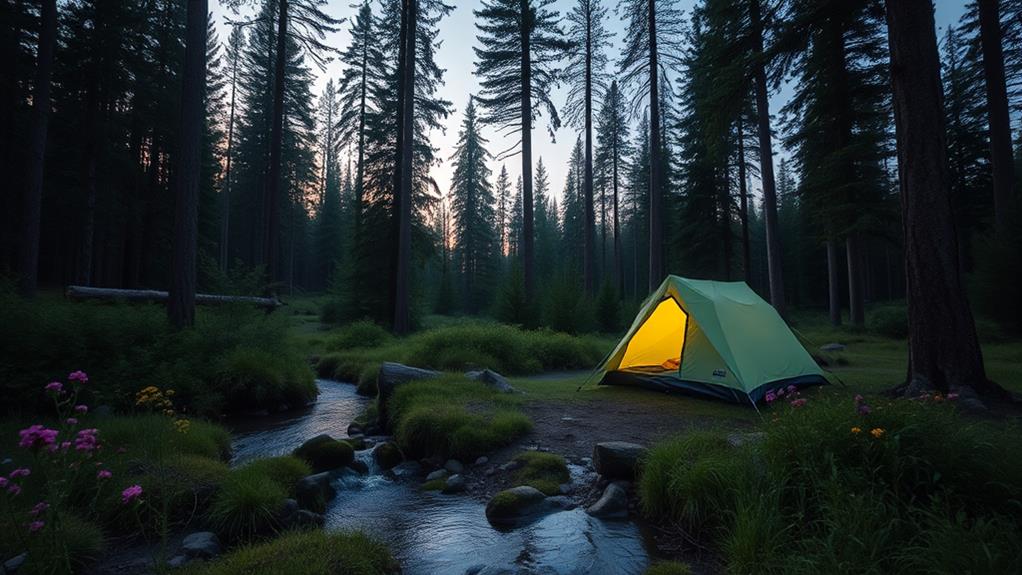
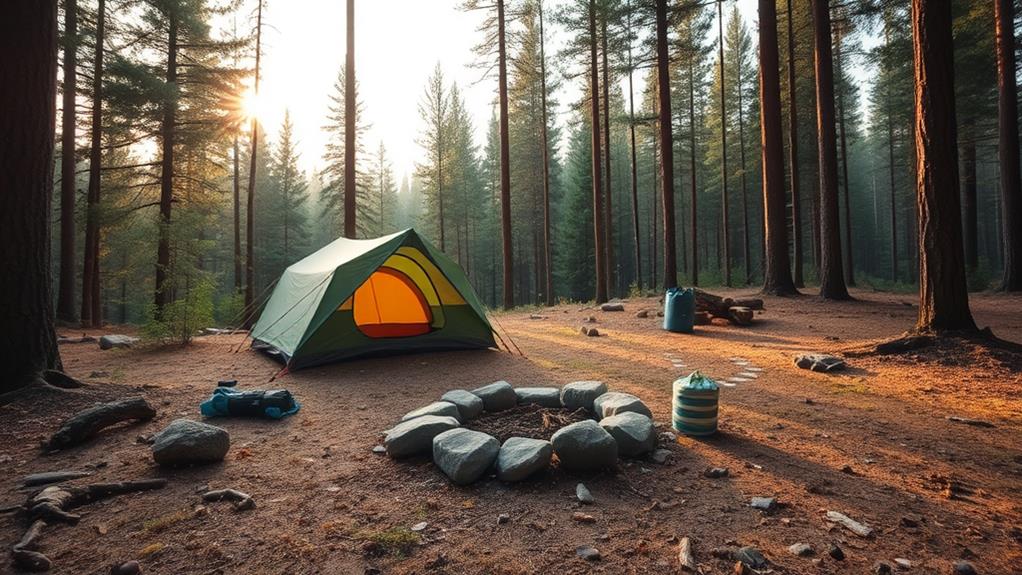
When selecting a campsite, it's crucial to evaluate the impact on the surrounding environment. Opt for established campsites or previously impacted areas, and prioritize durable ground cover like bare rock or dry grass to minimize vegetation damage. Additionally, avoid sensitive locations, ensuring your site is at least 200 feet from water sources to protect fragile ecosystems and promote natural recovery.
Recommended Products

COMPATIBLE WITH FORD E150 (2011-2014): Works with 4th Gen XL, XLT & Premium models (4.6L & 5.4L). Don't let heavy camping gear slow you down. This controller restores acceleration to your overland rig, making travel between campsites faster and more efficient.

JUNGLE SAFARI ZIP XXL 100% bug proof 40d double bottom; Holds accessory Heat-Reflecting Pad between the layers on correct diagonal; Designed for anyone up to 7 ft and 350 lbs / 213 cm and 159 kg; Side entry with full length heavy duty 10YKK zipper

Upper: Stretch fabric, Suede 1.4-1.6 mm, Mesh, 3F System with Kevlar Cables
Impacted Areas Selection
Choosing the right campsite is essential for both your experience and the environment. To minimize disturbance, aim for already impacted areas. Here are some key considerations:
- Site Selection: Choose established campsites or areas with durable ground cover, like bare rock or dry grass.
- Distance from Water: Set up at least 200 feet away from water sources to prevent pollution.
- Awareness of Surroundings: Be mindful of prevailing winds to minimize smoke exposure and avoid disturbing wildlife with cooking odors.
Durable Ground Cover
Selecting a campsite with durable ground cover is essential for preserving the environment and enhancing your outdoor experience. As wild campers, you should prioritize areas with:
- Bare rock: This surface withstands foot traffic without damage.
- Sand: It's resilient and recovers quickly from use.
- Dry grass: This provides a cushion while minimizing impact.
Avoid fragile surfaces like meadows or wetlands, as they are sensitive to trampling and take longer to recover. Spread your tents across the campsite to reduce concentrated foot traffic, allowing vegetation to recover. Look for previously impacted areas, which often have less vegetation. Always camp at least 200 feet away from lakes and streams to protect water sources and preserve surrounding habitats. By choosing wisely, you can enjoy nature while minimizing your footprint.
Sensitive Area Avoidance
Your campsite's location plays an essential role in preserving the environment while ensuring a rewarding outdoor experience. To effectively avoid sensitive areas during your wild camp, follow these guidelines:
- Steer clear of wetlands, meadows, and endangered plant zones to minimize environmental stress.
- Choose durable ground cover like bare rock, sand, or dry grass for your tent to reduce vegetation damage.
- Camp at least 200 feet away from water sources to prevent pollution and allow wildlife unimpeded access to drinking water.
Waste Management Strategies
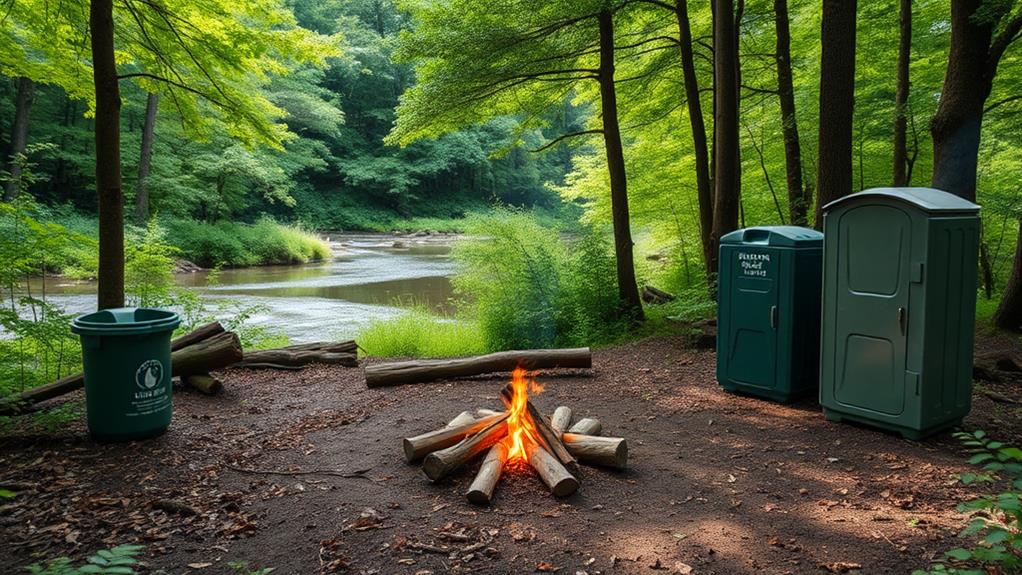
When you're out in the wild, managing waste properly is essential to protect both the environment and wildlife. You'll need to adopt effective disposal techniques for solid waste and guarantee personal hygiene without leaving a trace. By following best practices, like using catholes and packing out non-biodegradable items, you can minimize your impact on nature while enjoying your camping experience.
Proper Waste Disposal Techniques
Proper waste disposal techniques are essential for preserving the beauty of nature while camping, and following a few straightforward guidelines can make a big difference. Here are three key strategies:
- Solid Waste: Always dig a cathole 15-20 cm deep, at least 50 meters from water sources, to prevent contamination.
- Toilet Paper: Use unscented, unbleached toilet paper, and pack it out in a sealed plastic bag to avoid attracting wildlife. Burning toilet paper can lead to wildfires.
- Food Waste: Don't bury leftovers. Instead, spread food scraps over a large area to minimize wildlife attraction and aid decomposition.
Personal Hygiene Essentials
Maintaining personal hygiene while camping is essential not just for your comfort, but also for protecting the environment. Here are some key strategies for effective waste management:
- Urination: Always urinate at least 50 meters away from water sources to prevent contamination.
- Solid Waste: Dig a cathole 15-20 centimeters deep, at least 70 paces from trails and water. Use unscented, unbleached toilet paper and carry it out in a sealed container.
- Biodegradable Soaps: When using soap, opt for biodegradable options and dilute soapy water, dispersing it over a wide area.
- Wet Wipes: Plan ahead for personal hygiene by carrying out all wet wipes, as they do not decompose easily and can harm wildlife.
Cooking and Food Disposal Tips
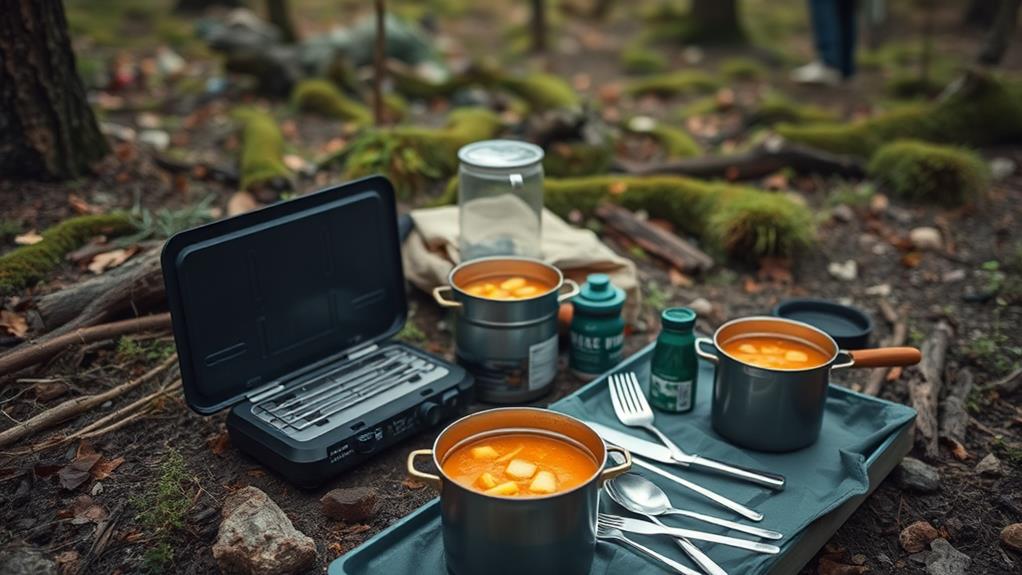
Cooking in the wilderness can be a rewarding experience, but it comes with responsibilities, especially regarding food waste. To guarantee you're minimizing your impact, consider these tips for cooking and food disposal:
- Cook only what you need: This reduces leftovers and helps limit food waste.
- Dispose of scraps wisely: Spread food scraps over a large area instead of burying them, as burying can attract wildlife and disrupt their foraging.
- Use biodegradable soap sparingly: When washing pots, dilute soapy water and disperse it over a wide area to minimize environmental impact.
Always pack out any uneaten food, waste, and packaging. This practice keeps natural areas pristine and protects wildlife from harmful materials. Your choices matter in preserving these wild spaces.
Recommended Products

36x20x10 Inch Larger Superior Quality Sink: This 36 farmhouse white kitchen sink is made of true fireclay a special white clay that is fired at 2900 °F for extreme strength and durability. Its surface is extremely resistant to chips, abrasion or scratches, and discoloration for years of beauty and reliable performance

Product size:sink dimension(inch) 33" L x 21" W x 9" H.standard 3-1/2" drain opening that fits the most common garbage disposal system. (No Included, Sold Separately)

Fit Type: Vehicle Specific
Personal Hygiene in the Wild
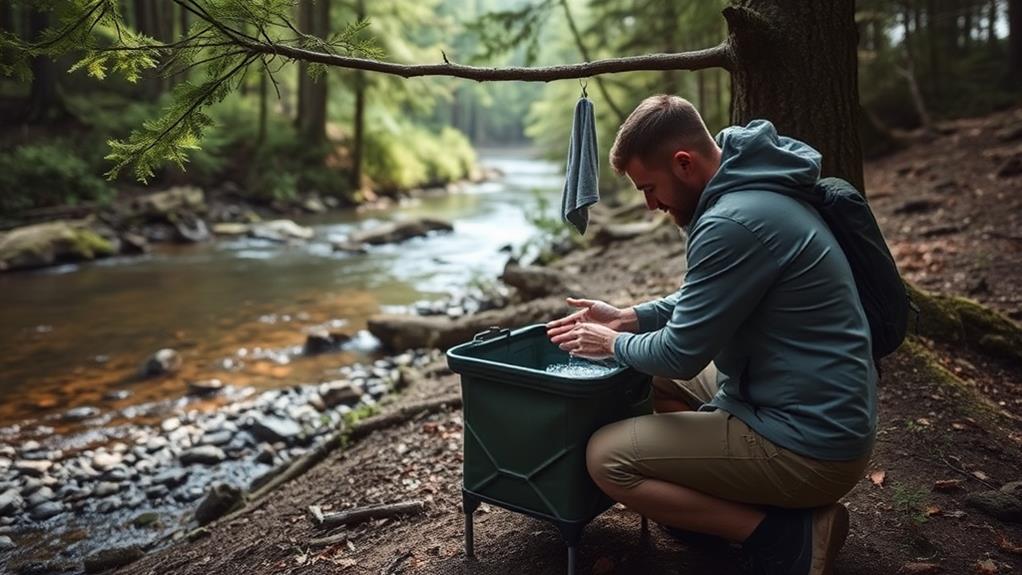
Staying clean while wild camping is essential for both your health and the environment. To maintain personal hygiene and leave no trace, consider the following guidelines:
- Use Biodegradable Soap: Choose unscented, biodegradable products to minimize your impact on local ecosystems.
- Handwashing: Always wash your hands before eating and after using the toilet, using natural water sources responsibly and staying at least 50 meters away.
- Dishwashing: Contain soapy water in a folding camp bowl, and disperse diluted wastewater over a large area to prevent contamination.
- Dental Care: Bring natural toothpaste and pack out any used dental products to avoid pollution.
- Plan Ahead: Confirm you have sufficient supplies and understand local regulations to uphold cleanliness and protect the environment.
Recommended Products

ECONOMICAL & ECO-FRIENDLY: The ECOS PRO bulk gallon size liquid hand soap refill is perfect for refilling soap dispensers in commercial and industrial facilities including restaurants, offices, schools, daycares, hospitals, hotels, spas, gyms, or at home. It also reduces plastic consumption and plastic waste by refills of existing soap dispensers.

Biodegradable Camping Soap: Sierra Dawn Concentrated Campsuds is the original all-purpose camp soap. A few drops create effective suds for dishes, pots, pans, clothes, hands, body, and hair. Works in hot, cold, fresh, and salt water.

Biodegradable Camping Soap: Sierra Dawn Concentrated Campsuds is the original all-purpose camp soap. A few drops create effective suds for dishes, pots, pans, clothes, hands, body, and hair. Works in hot, cold, fresh, and salt water.
Respecting Wildlife Encounters
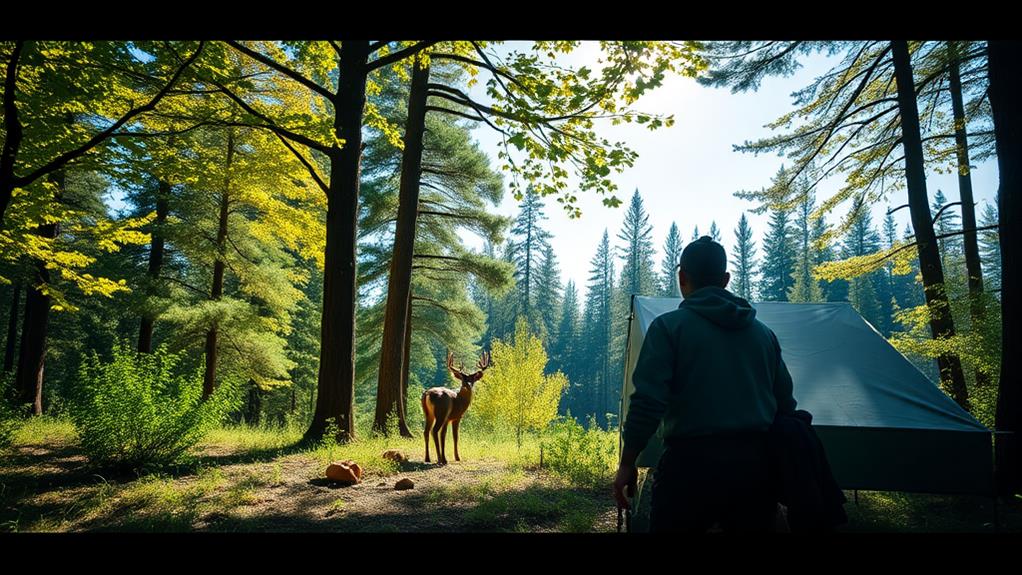
While exploring the great outdoors, it's crucial to respect wildlife encounters to guarantee both your safety and the well-being of the animals. To enhance your wild camping experience while protecting the natural world, consider these guidelines:
- Observe from a Distance: Keeping a safe distance allows wildlife to maintain natural behaviors, reducing stress on them and enriching your experience.
- Avoid Feeding Animals: Feeding disrupts their foraging instincts and can lead to dangerous dependency on humans, increasing the risk of conflicts.
- Educate Yourself: Learn about local wildlife behaviors and safety protocols to foster coexistence and decrease misunderstandings.
Engaging With Fellow Campers
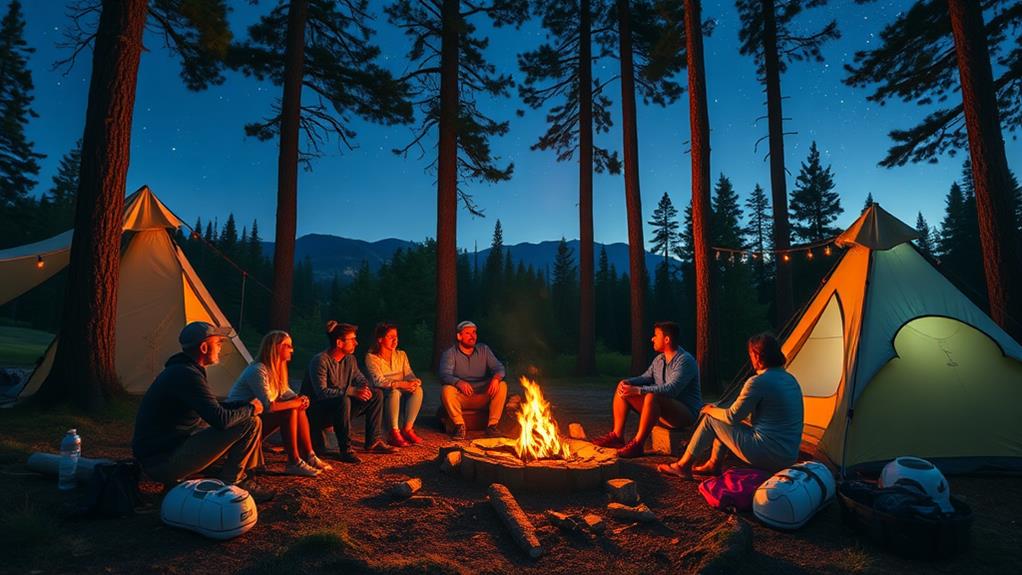
Engaging with fellow campers can greatly enhance your outdoor experience, creating a sense of community that makes wild camping even more enjoyable. By maintaining courtesy, greeting others, and offering assistance, you foster positive interactions that can prevent conflicts in shared spaces. Remember to keep noise levels down to respect the tranquility of the natural setting. Sharing knowledge about Leave No Trace principles can encourage responsible camping behaviors, promoting a sustainable environment.
| Interaction Tips | Benefits |
|---|---|
| Greet fellow campers | Builds a sense of community |
| Offer assistance | Creates positive interactions |
| Share Leave No Trace tips | Raises awareness and responsibility |
| Participate in cleanups | Strengthens bonds and preserves nature |
Frequently Asked Questions
What Is the Number 1 Rule of Wild Camping?
Imagine setting up camp by a serene lake, but remember, the number one rule of wild camping is to "Leave No Trace." Prioritize campfire safety and wildlife awareness to preserve nature's beauty for everyone.
What Is the First Rule of Camping?
The first rule of camping's all about planning ahead and preparing. By knowing camping essentials and safety tips, you'll guarantee a smooth adventure, allowing you to fully embrace the freedom of the great outdoors.
What Is the Wild Camping Code?
The Wild Camping Code's all about respecting nature. You've gotta prioritize campfire safety, manage waste responsibly, and be mindful of wildlife encounters. Remember, leave nature untouched and educate yourself on local regulations for a truly liberating experience.
How to Practice Leave No Trace?
To practice Leave No Trace, focus on sustainable practices like choosing durable surfaces for your campsite selection. Always plan ahead and respect nature, ensuring your adventures leave the wild as beautiful as you found it.