⚠️ Disclosure: This post contains Amazon affiliate links. We may earn a commission at no extra cost to you.
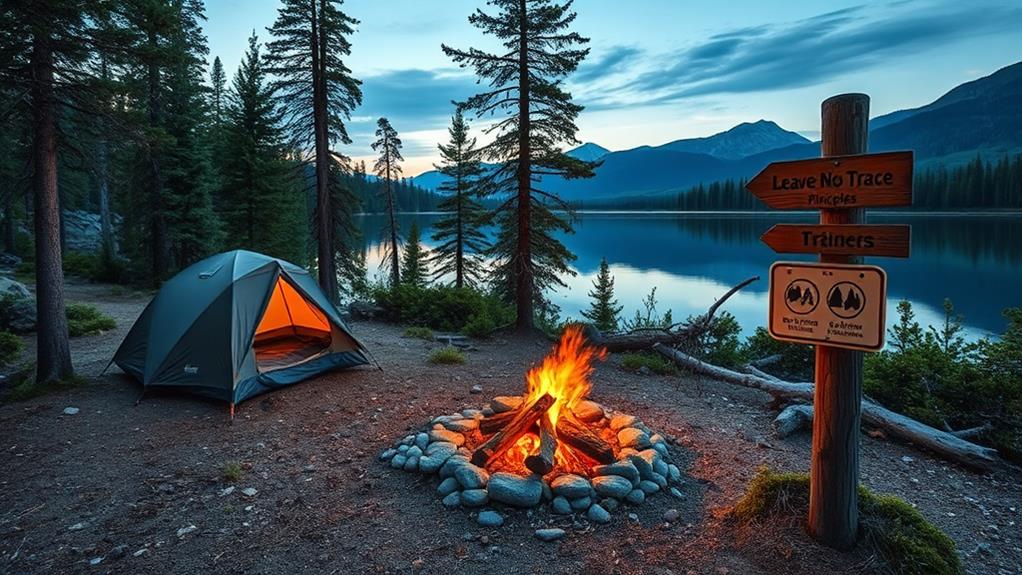
As a new camper, you'll want to adhere to essential Leave No Trace (LNT) principles to protect the environment. Start by planning ahead and researching local regulations. Travel and camp on durable surfaces to minimize impact, and always dispose of waste properly by packing it out. Respect wildlife by observing from a distance and securing food. When possible, minimize campfire impacts by using a stove. Remember to leave natural features undisturbed and be considerate of fellow visitors by maintaining a clean and orderly campsite. Understanding these guidelines is crucial for a sustainable outdoor experience and may inspire further exploration of best practices.

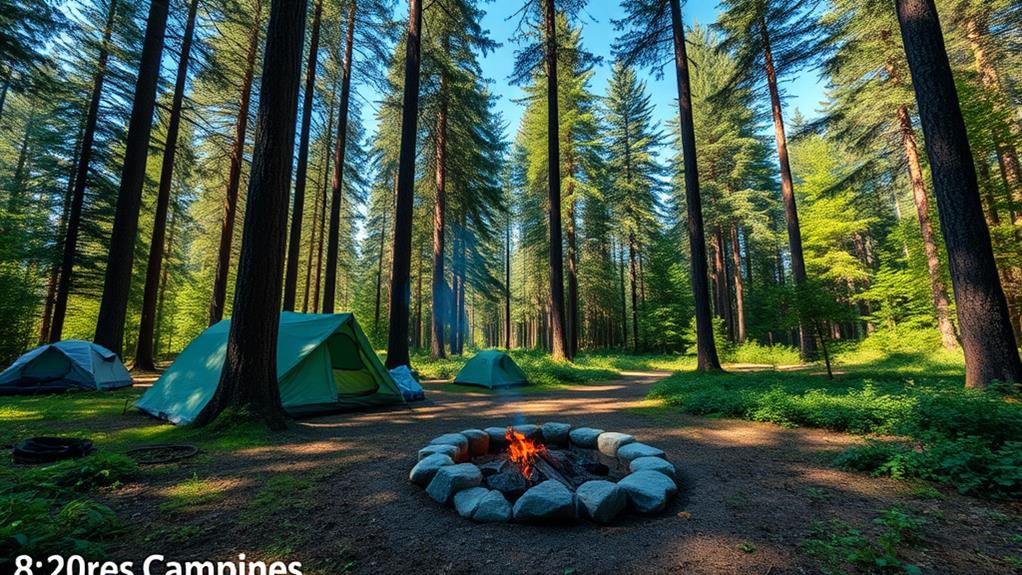
Key Takeaways
- Camp at least 200 feet away from lakes and streams to protect water quality and riparian areas.
- Pack out all trash and food scraps to keep the environment clean and wildlife safe.
- Use established trails and campsites to minimize damage to the surrounding ecosystem.
- Observe wildlife from a distance and avoid feeding them to maintain their natural behaviors.
- Leave natural and cultural features undisturbed to preserve them for future visitors.
Overview of Leave No Trace
When you're enjoying the great outdoors, it's crucial to remember the Leave No Trace (LNT) principles. These guidelines are important for outdoor recreation, including camping, as they promote conservation and help minimize impacts on nature. The LNT principles include:
- Travel and Camp on Durable Surfaces: Stick to established trails and campsites to prevent soil erosion.
- Dispose of Waste Properly: Pack out what you bring in, including trash and food scraps.
- Respect Wildlife: Observe animals from a distance and don't feed them.
- Minimize Campfire Impacts: Use a camp stove instead of a fire when possible.
- Leave What You Find: Preserve natural and cultural features for others to enjoy.
Plan Ahead and Prepare
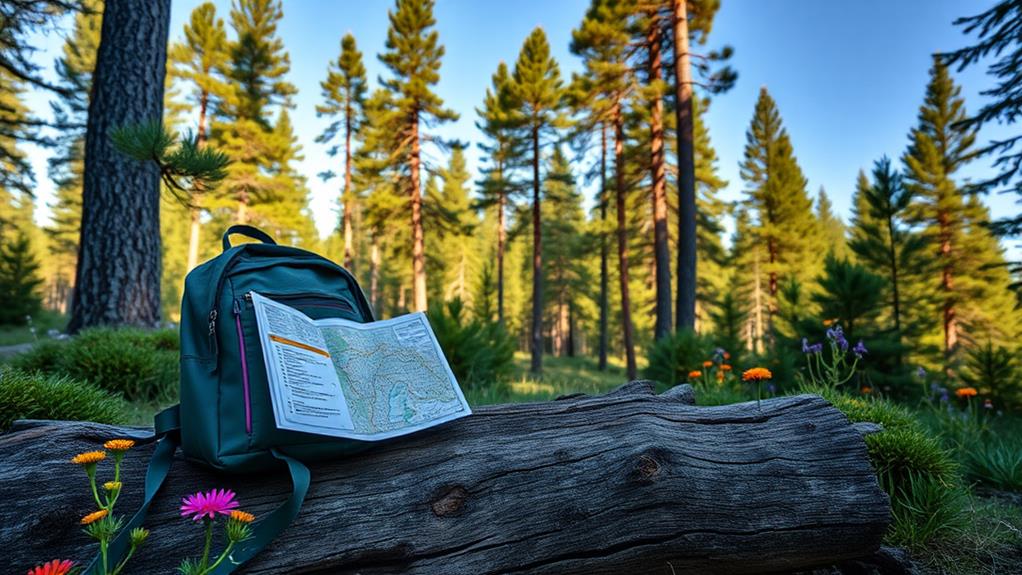
When planning your camping trip, it's essential to research your destination's regulations and potential hazards. Understanding these factors not only enhances your safety but also guarantees compliance with local guidelines. Additionally, choosing the right timing for your visit can greatly improve your experience, as it helps you avoid overcrowding and enjoy a more peaceful environment.
Recommended Products

JUNGLE SAFARI ZIP XXL 100% bug proof 40d double bottom; Holds accessory Heat-Reflecting Pad between the layers on correct diagonal; Designed for anyone up to 7 ft and 350 lbs / 213 cm and 159 kg; Side entry with full length heavy duty 10YKK zipper

Men's hiking shoes ideal for camping and hiking
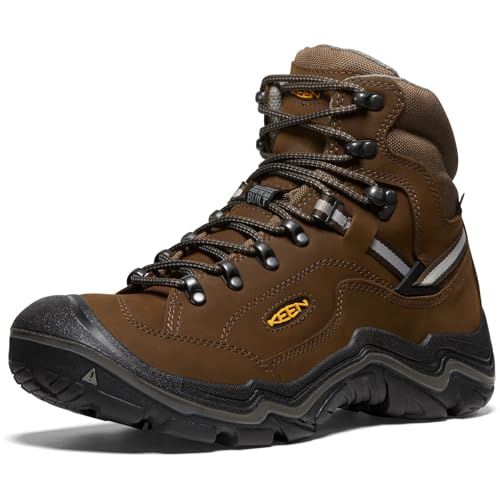
WATERPROOF: The KEEN.DRY waterproof breathable membrane keeps feet dry and comfortable all day long by allowing vapor out without letting water in
Research Regulations and Hazards
Before heading out on your camping adventure, it is crucial to thoroughly research the specific regulations and hazards of your chosen destination. Understanding the rules can prevent unintended violations and protect fragile ecosystems.
- Check for regulations regarding camp and trails, as these can vary considerably by park.
- Prepare for extreme weather by reviewing forecasts and packing suitable gear.
- To minimize environmental impact, consider visiting during off-peak times, such as weekdays, to avoid overcrowding.
- Travel in small groups to lessen the strain on natural resources.
- Utilize maps or GPS devices instead of marking trails, which helps preserve the landscape for future visitors.
Following these guidelines aligns with the Leave No Trace principles, ensuring a responsible outdoor experience.
Choose Appropriate Timing
Understanding the local regulations and potential hazards is just the first step in planning your camping trip; timing can make all the difference in your experience.
To enhance your adventure, consider these guidelines for choosing appropriate timing:
- Schedule During Off-Peak Times: Visit popular locations when others aren't to avoid overcrowding, guaranteeing a more peaceful experience.
- Assess Seasonal Conditions: Research weather patterns to prepare for extreme conditions, enhancing your safety and comfort.
- Travel in Small Groups: This reduces your environmental footprint and minimizes the impact on natural resources.
- Follow Local Regulations: Adhering to guidelines not only protects the environment but also secures a sustainable adventure.
Travel and Camp on Durable Surfaces
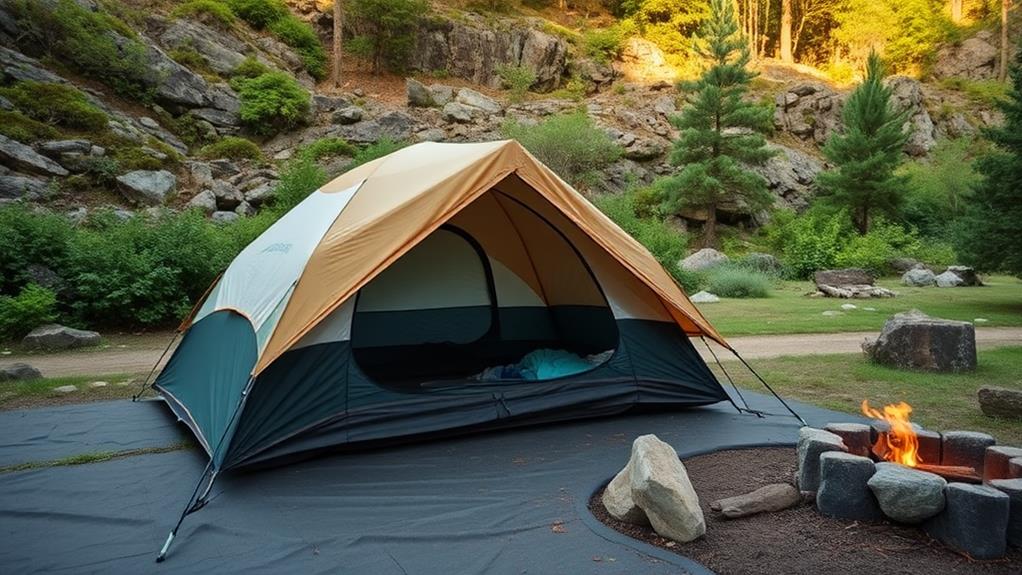
When you're camping, it's crucial to travel and camp on durable surfaces to protect the environment. Opt for established campsites and trails, avoiding sensitive areas like lakes and streams to minimize ecological impact. By concentrating your activities in these designated spots, you help prevent further damage and preserve the natural beauty for future visitors.
Recommended Products

Removable Eva Footbed With Arch Support For All-Day Comfort

【All in One Outdoor Cooking Solution】 Transform your campsite into a gourmet kitchen with this versatile fire pit and grill combo. Seamlessly switch between a cozy large wood-burning fire pit for warmth and a robust camping grill for delicious BBQ. This multi-functional unit is your go-to for all outdoor cooking adventures, from grilling burgers to roasting marshmallows. It’s the perfect fire pit with grill for backyard entertaining, RV camping, outdoor summer camping & beach bonfires.

Upper: Stretch fabric, Suede 1.4-1.6 mm, Mesh, 3F System with Kevlar Cables
Choosing Established Campsites
Choosing established campsites is essential for minimizing your ecological impact, especially since these sites are often located on durable surfaces like rock, gravel, or dry grasses. To protect our natural landscapes, keep these guidelines in mind:
- Camp at least 200 feet away from lakes and streams to safeguard riparian areas.
- Select high-use areas to concentrate your use, reducing the disturbance to undisturbed areas.
- Avoid camping near trails and water sources to minimize disturbance to the ecosystem and fellow campers.
- Focus your tents and kitchen areas on already impacted sites to limit further disruption.
Minimizing Trail Impacts
To minimize your impact on the environment, stick to durable surfaces like established trails, rock, gravel, dry grasses, or snow. Following Leave No Trace principles helps you minimize ecological damage and preserve natural habitats.
- Stay on Established Trails: Avoid creating new trails to prevent soil erosion and the spread of invasive species.
- Choose Campsites Wisely: Camp at least 200 feet away from lakes and streams to protect riparian areas and maintain water quality.
- Concentrate Activities: Limit your campsite activities to already impacted areas to reduce disturbance.
- Be Mindful in High-Use Areas: Seek secluded sites away from popular trails to lessen impacts on wildlife and other visitors.
Proper Waste Management
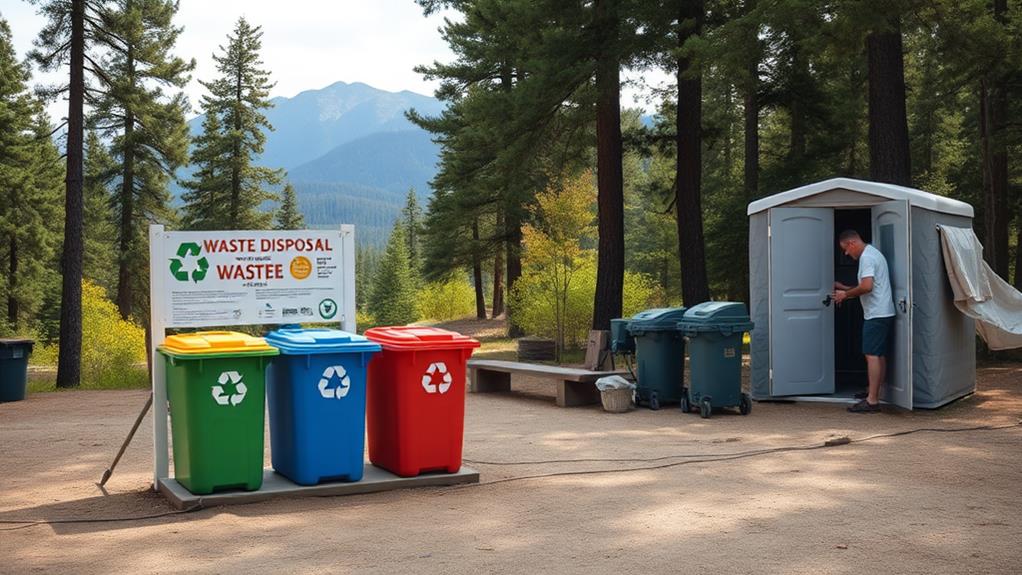
Proper waste management is essential for preserving the beauty of nature and ensuring a safe environment for wildlife. To maintain the pristine conditions we cherish, you should always follow these key practices:
- Pack it in, pack it out: Take all trash and leftover food with you.
- Catholes: Dig 6-8 inch deep catholes for solid human waste, at least 100 meters from water sources.
- Toilet paper: Always pack out used toilet paper and hygiene products.
- Dispose of dishwater: Strain and scatter cooking liquids at least 200 feet from water sources.
Recommended Products


SUPER EASY TO CARRY – Take your toilet anywhere! It’s lightweight, comes with a carry bag, and is perfect for camping, RV trips, or even in your backyard when you don’t want to walk far.
Respect Wildlife
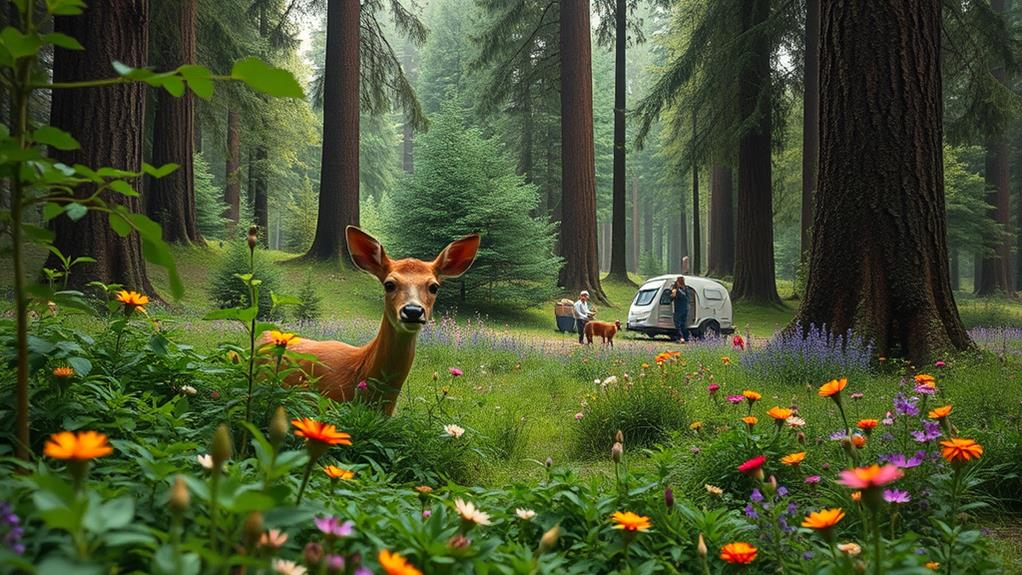
Respecting wildlife is essential for maintaining the delicate balance of nature while you're out camping. To truly respect wildlife, follow these guidelines:
- Observe Wildlife from a Distance: Getting too close can disrupt their natural behavior and endanger their health.
- Secure Food and Trash: Proper storage prevents wildlife from becoming dependent on human food sources, which can lead to dangerous encounters.
- Sensitive Times: Be mindful during nesting or mating seasons; your presence can affect their reproductive success and ecological balance.
- Avoid Non-Native Species: Keep your gear clean to prevent introducing hitchhiking plants or insects to new environments.
- Minimize Noise Pollution: Reducing disturbances helps preserve the tranquility of wildlife habitats, enhancing the experience for everyone.
Recommended Products

CADDYCAN LARGE: The Caddycan is 15 x 15 x 19 Inch, Whatever your outdoor lifestyle experience, this multi-purpose recreation and travel companion offers a simple and convenient way to remove, conceal and secure waste of any kind. Don't let a flimsy, leaky trash can ruin your boating trip!

INCLUDES CARRY CASE FOR EASY TRANSPORT – Includes a durable fabric carry case with adjustable straps, allowing you to attach the canister to your pack or carry it comfortably on the trail.

DESIGNED BY A GRIZZLY BEAR ATTACK SURVIVOR – Created by Mark Matheny, who survived a grizzly bear attack and made it his mission to help protect people in bear country. Real experience, real safety.
Minimize Campfire Impacts
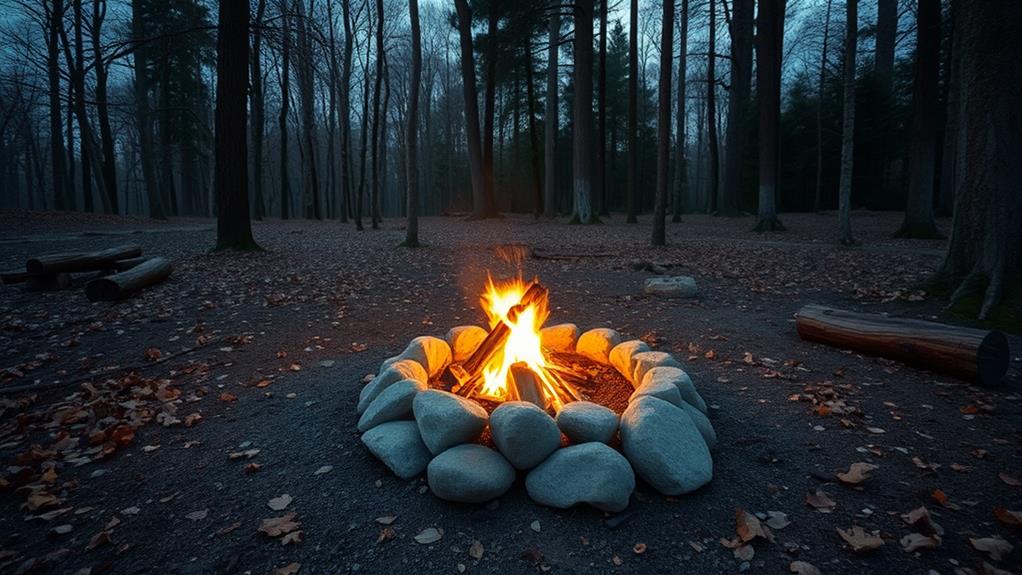
Campfires can enhance your camping experience, but they also come with responsibilities that shouldn't be overlooked. To minimize campfire impacts, keep these essential points in mind:
- Check local regulations before starting a fire to guarantee compliance.
- Use a fuel stove for cooking whenever possible; it reduces environmental impact and minimizes wildfire risks.
- Only use established fire rings to concentrate your fire's impact, protecting the surrounding area.
- Confirm your campfire is completely extinguished before leaving to prevent accidental wildfires and safeguard local ecosystems.
Additionally, dispose of waste properly instead of burning it, as this can release harmful substances. By following these guidelines, you can enjoy your camping experience while respecting nature and minimizing your environmental impact.
Recommended Products

Carbon Dioxide, 5 lb.

Chemical & Capacity: ABC Dry Chemical, 5 Pounds

Easy to use with a large loop stainless-steel pull pin and easy-to-follow directions on the label
Leave What You Find
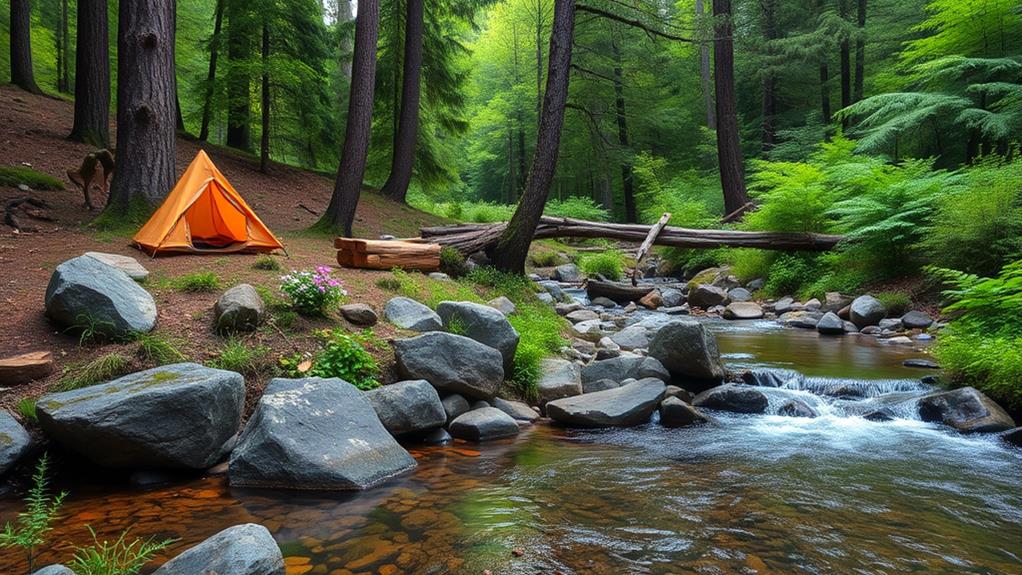
While enjoying the beauty of nature, it's important to remember that the landscape belongs to everyone. The principle of "Leave What You Find" emphasizes the need to preserve natural features and cultural significance. Here's how you can contribute:
- Leave Rocks and Plants Undisturbed: Removing items disrupts local ecosystems and diminishes experiences for future visitors.
- Avoid Collecting Souvenirs: Picking flowers, plants, or rocks can deplete local flora, leading to ecological imbalance.
- Respect Historical Sites: Honor the cultural significance of archaeological sites by leaving them intact for future generations.
Consideration for Other Visitors
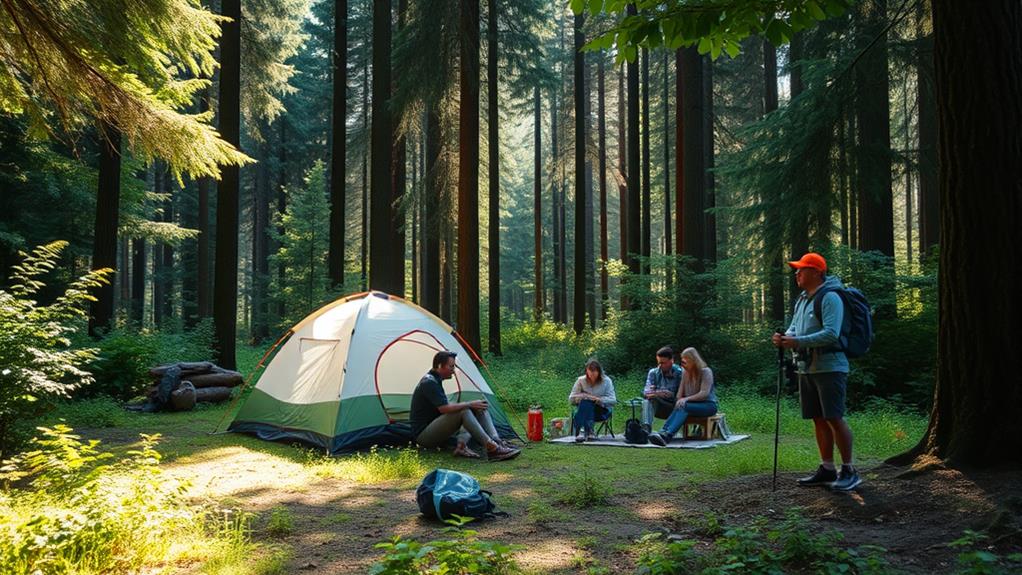
Being considerate of other visitors is essential for everyone to enjoy the great outdoors. To foster a culture of respect, keep these tips in mind:
- Respect noise levels: Keep conversations down and avoid loud music to guarantee a peaceful environment.
- Yield on trails: Step aside for hikers, equestrians, and pack animals to allow for smooth passage.
- Camp away from trails: This minimizes disturbance to others and preserves their experience.
- Maintain a tidy campsite: Leaving your site clean guarantees subsequent visitors can enjoy the space.
Frequently Asked Questions
What Are the 7 Principles of the Leave No Trace?
The seven principles of Leave No Trace guide your outdoor adventures: choose campsite selection wisely, manage your fire responsibly, conserve water, dispose of waste properly, practice trail etiquette, store food securely, and prioritize wildlife safety.
How Many Leave No Trace Principles Are There?
Think of the Leave No Trace principles like a compass guiding your outdoor adventures. There're seven key principles you'll want to embrace for sustainable camping, wildlife protection, and responsible recreation, ensuring nature's beauty thrives for all.
What Do the Leave No Trace Principles and the Outdoor Code Mean?
The Leave No Trace principles and Outdoor Code promote outdoor ethics, emphasizing sustainable camping and camping responsibility. They advocate for wildlife protection, trail etiquette, eco-friendly gear, and environmental awareness to guarantee nature preservation during your adventures.
What Is the Leave No Trace Ethics?
Imagine a time traveler, stepping into today's world, realizing that Leave No Trace ethics embody nature conservation and environmental responsibility. By embracing eco-friendly practices, you'll guarantee sustainable camping, wildlife protection, and trail etiquette for future adventurers.