⚠️ Disclosure: This post contains Amazon affiliate links. We may earn a commission at no extra cost to you.
To practice sustainable wild camping, consider these seven essential tips:
- Eco-Friendly Gear: Use durable, sustainable materials for your camping equipment.
- Leave No Trace: Pack out what you pack in, including waste.
- Choose Off-Peak Times: Camp during quieter seasons to lessen environmental impact.
- Use Reusable Dinnerware: Opt for reusable items to minimize waste.
- Source Local Organic Food: Support local farmers and reduce your carbon footprint.
- Practice Responsible Campfire Etiquette: Follow local regulations regarding campfires.
- Manage Waste and Water: Use portable filters and dispose of waste properly.
You may be interested

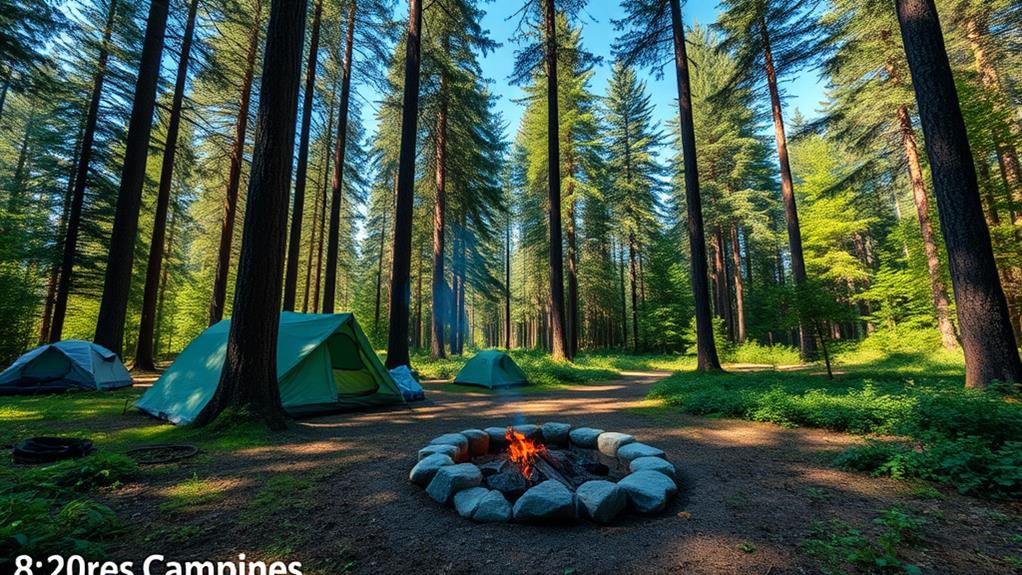
Understanding these practices can enhance your eco-friendly outdoor experiences.
Key Takeaways
- Invest in durable, eco-friendly camping gear and use reusable dinnerware to minimize waste and reduce your environmental impact.
- Follow Leave No Trace principles by packing out all trash and properly disposing of human waste away from water sources.
- Choose local organic food options to support sustainability, reduce transportation emissions, and enjoy fresher produce while camping.
- Practice responsible campfire etiquette by using established fire rings, keeping fires small, and ensuring they are completely extinguished before leaving.
- Minimize water usage and utilize biodegradable soaps to protect local ecosystems and conserve valuable natural resources.
Eco-Friendly Camping Gear
When you're planning your next camping trip, choosing eco-friendly camping gear can make a significant difference in reducing your environmental impact. Here are some key considerations:
- Sustainable Materials: Invest in durable camping equipment made from recycled or organic materials, such as Tentsile tents, to promote sustainability.
- Reduce Waste: Opt for reusable dinnerware and containers to cut down on single-use plastics, which helps save money and minimizes waste.
- Biodegradable Products: Use biodegradable soaps and toiletries to protect local ecosystems while enjoying your eco-friendly adventure.
- High-Quality Brands: Support high-quality brands that focus on sustainability to enhance your camping experience and contribute positively to the environment.
Recommended Products

𝐕𝐀𝐋𝐔𝐄 𝐏𝐀𝐂𝐊 𝐃𝐈𝐍𝐍𝐄𝐑𝐖𝐀𝐑𝐄 - It includes 8 Cases of 50-count of 7-inch square plates. Make this your one-stop shop for all your dinnerware. They are available in multiple sizes and shapes for you to choose from on your special occasion. Being portable, they are best used for Birthday parties, weddings, picnics, camping, and outdoors too.

BAMBOO LEAF SQUARE PLATES Approx 3.5 Inch (9cm) premium thermopressed bamboo leaf square dinner plate, 100% All Natural Disposable Compostable, 1,000 Pieces

This 16-piece set includes four of each: 10.5 inch Outdoor Big Plate, 8.5 inch Outdoor Small Plate, 8.25 inch Outdoor Big Bowls, and 5.75 inch Outdoor Small Bowls
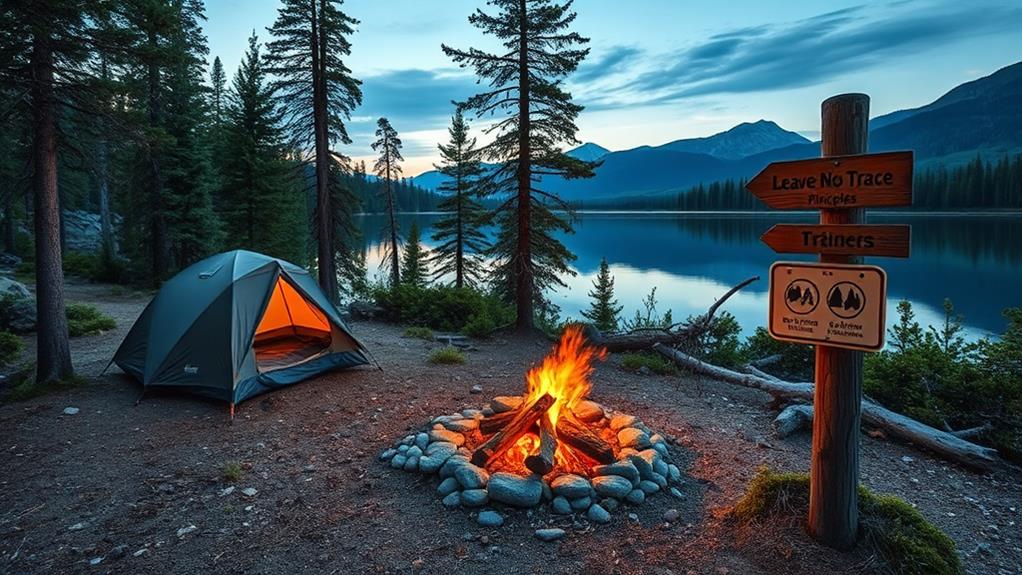
Follow Leave No Trace
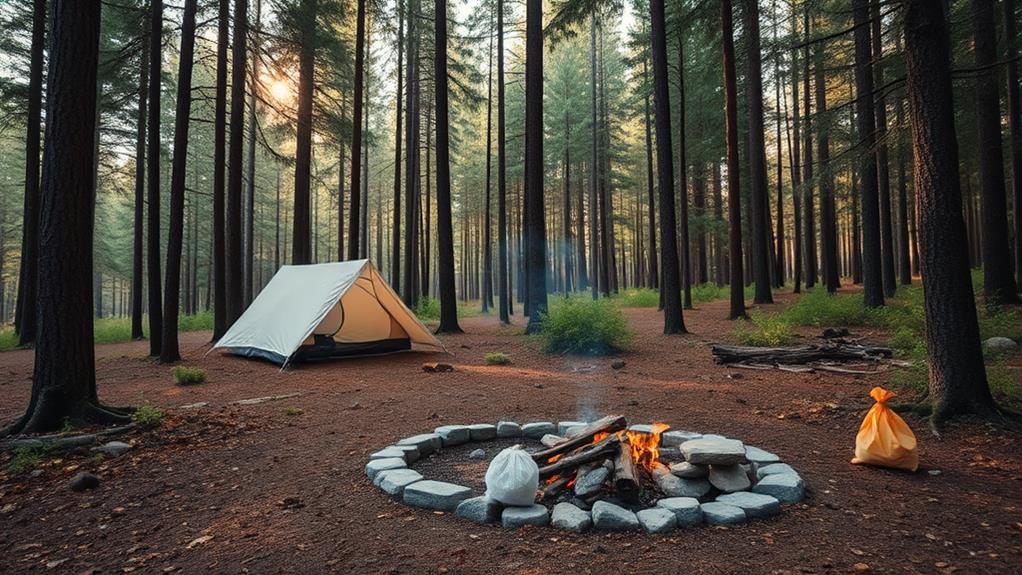
When you're out camping, it's crucial to follow the Leave No Trace principles to protect the environment. This means packing out all your trash, properly disposing of waste, and preserving natural resources for future visitors. By adopting these practices, you not only minimize your ecological footprint but also contribute to the conservation of the beautiful landscapes you enjoy.
Pack Out Your Trash
Often overlooked, packing out your trash is crucial for preserving our natural environments. When you camp, it's imperative to carry out all waste, including food scraps and packaging. Leaving waste behind can harm wildlife and pollute natural habitats. Adhering to the "Pack It In, Pack It Out" principle, guarantee every item you bring into the wilderness returns with you.
To minimize pollution, use reusable or biodegradable trash bags for waste storage.
- Educate fellow campers on responsible waste disposal.
- Dispose of human waste properly, utilizing designated facilities or digging cat holes at least 200 feet from water sources.
Dispose of Waste Properly
Properly disposing of waste is essential to maintaining the beauty of our natural spaces, and it's a responsibility every camper shares. To guarantee sustainable camping practices, follow these guidelines:
- Pack It In, Pack It Out: Bring all trash and waste back with you, leaving no litter behind.
- Human Waste: Use established restroom facilities or dig a cat hole at least 200 feet from water sources, trails, and campsites to prevent contamination.
- Recyclables: Separate recyclables from non-recyclables, utilizing biodegradable trash bags to minimize environmental impact.
- Cleaning: When washing dishes or personal items, use biodegradable soap at least 200 feet away from water bodies.
- Educate Others: Encourage fellow campers to practice Leave No Trace principles to preserve our environment for future generations.
Preserve Natural Resources
To truly enjoy the great outdoors, it's important to preserve the natural resources that make camping such a rewarding experience. Following the Leave No Trace principles helps minimize environmental impact, ensuring all waste is packed out. Here are key ways to protect our natural surroundings:
- Travel on Durable Surfaces: Stick to established trails and campsites to reduce land degradation.
- Proper Waste Disposal: Use outhouses or dig cat holes for human waste at least 200 feet from water sources to protect local water quality.
- Leave What You Find: Don't remove plants or artifacts to maintain ecological balance.
- Sustainable Cooking: Opt for a lightweight stove for cooking instead of traditional campfires to reduce wildfire risks and carbon footprints.
Choose Off-Peak Times
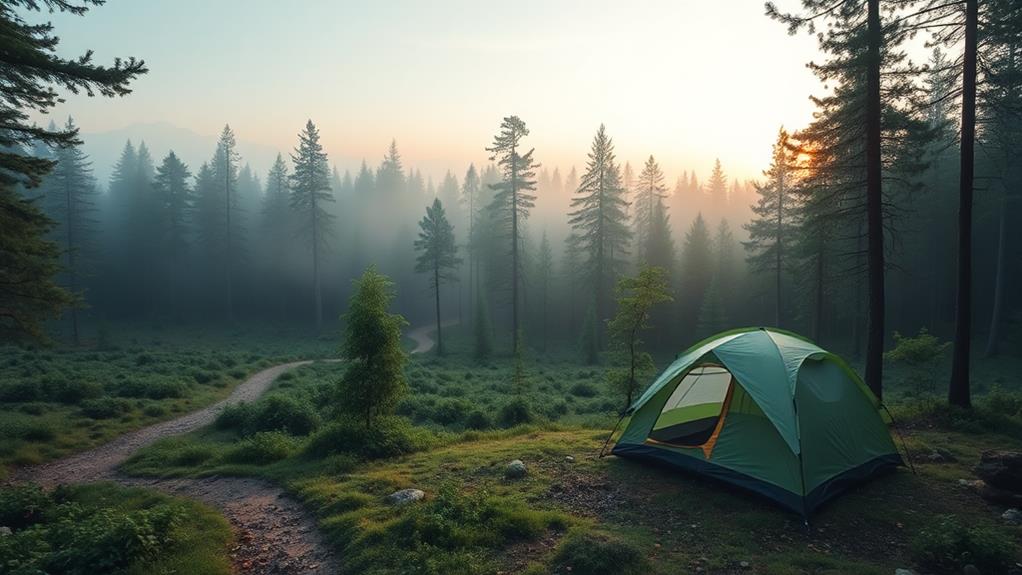
Choosing to camp during off-peak times not only reduces environmental strain on popular sites but also enhances your overall experience. With visitor numbers dropping considerably, you can enjoy a more peaceful atmosphere, which is essential for local wildlife during sensitive periods. Additionally, you'll often discover hidden gems and enjoy lower rates, making your eco-friendly adventure both budget-friendly and rewarding.
Reduce Environmental Strain
Camping during off-peak seasons can make a significant difference for the environment and your experience. By planning your trips during these quieter times, you help reduce environmental strain and contribute to sustainable practices. Here are a few ways you can make a positive impact:
- Minimize foot traffic: Fewer campers mean less wear on trails and ecosystems, preserving natural habitats.
- Distribute tourism: Visiting during off-peak periods helps balance the environmental footprint across the year, rather than concentrating impact in peak months.
- Support local communities: Off-peak camping can enhance economic opportunities for local businesses that thrive on tourism year-round.
Enjoy Peaceful Experience
Planning your outdoor adventures during off-peak times not only benefits the environment but also enhances your personal experience. Off-peak camping allows you to enjoy a more peaceful experience, reducing overcrowding at popular sites. This choice provides a cost-effective option, as fees are typically lower during these times.
Discover Hidden Gems
While many outdoor enthusiasts flock to popular camping spots during peak seasons, you can uncover hidden gems by venturing out during off-peak times. This not only provides a peaceful experience with nature but also helps in the conservation of local flora and fauna. Consider these benefits of off-peak camping:
- Reduced overcrowding, leading to less trail erosion.
- Opportunities to witness unique wildlife activity without the disruption of large crowds.
- Discounts or special programs that support local economies while making your adventure more affordable.
Use Reusable Dinnerware
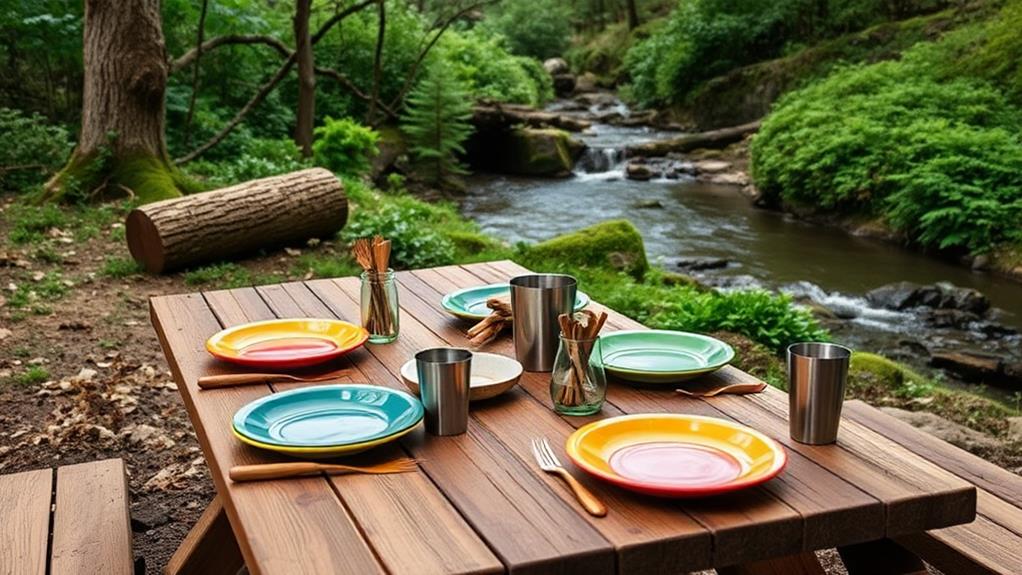
Often overlooked, using reusable dinnerware is a simple yet impactful way to reduce waste during your outdoor adventures. By opting for durable, eco-friendly options like stainless steel or bamboo plates and utensils, you greatly lower the plastic waste generated from single-use items. Consider these benefits:
- Waste Reduction: Single-use plastics contribute to over 300 million tons of waste globally.
- Cost Savings: Investing in reusable dinnerware saves money over time, eliminating the need for continual purchases.
- Lower Carbon Footprint: Eco-friendly materials help lessen the environmental impact of production and disposal.
- Leave No Trace: Using reusable items promotes responsible camping and encourages sustainable practices within your community.
Enhance your outdoor dining experience while supporting a culture of sustainability.
Recommended Products

Mesh Plate for Washing Produce

【Service for 12】 Our bamboo silverware set can be used by a total of 12 people. This includes 12 dinner knives, 12 dinner forks, 12 dinner spoons, 12 tea spoons, and 12 dessert forks. Sufficient quantity and complete supporting facilities can meet your needs.

INGENIOUS ENGINEERING – 0.8” thick strong ceramic wall and dome shape design maximize heat efficiency and airflow with minimal fuel use. Upgraded with a new waterproof top vent for precise control in any weather.
Source Local Organic Food
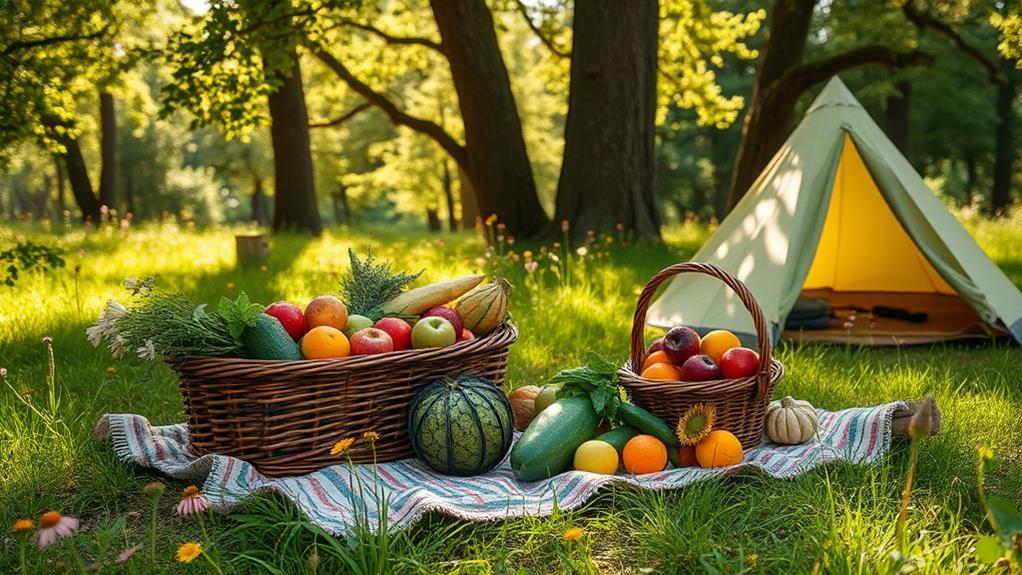
When you're out in nature, sourcing local organic food can greatly enhance your camping experience. By choosing organic options, you not only support local farmers but also contribute to a healthier ecosystem. Here are a few benefits:
- Reduced transportation emissions, as local food typically travels shorter distances.
- Enhanced biodiversity, thanks to organic farming practices that avoid synthetic pesticides.
- Fresher, seasonal produce from farmers' markets, which means better meals.
Opting for local, organic food minimizes packaging waste, leading to a more sustainable adventure. Furthermore, organic foods are often richer in antioxidants and nutrients, promoting a healthier diet while you camp. By planning meals around seasonal produce, you can enjoy fresher flavors and support your community, all while reducing your carbon footprint.
Recommended Products

DEFENDER DOZEN NUTRITIVE PACK:-The Defender Dozen Nutritive Pack offers the ultimate in Healthy Bulk Emergency Meals, featuring 12 comprehensive Defender Nutritive Packs from NuManna Foods. Designed to provide a robust and nutritious emergency food solution, this package includes a total of 2,448 servings. It combines 1,448 servings of gourmet meals with an additional 960 servings of organic grains and superfoods such as chia seeds and organic quinoa. With a variety of delicious meal options like Pasta Primavera, Sweet Habanero Chili, and Enchilada, Beans & Rice, these Healthy Bulk Emergency Meals ensure that you have access to nutritious and flavorful options in any emergency situation.

MEGA DEFENDER PACK WITH MEAT:- The Mega Defender Pack w/ Meat is the perfect High-Protein Survival Supply for anyone looking to ensure their family is well-nourished and prepared for any emergency. With a focus on both protein and overall nutrition, this pack is the ideal solution for comprehensive and delicious emergency preparedness.

BE READY TO GO: At home, out camping, or caught in a day to day rush when disaster strikes, READYWISE 6 Buckets are a Survival Kit that has you covered with 894 servings of ready to eat meals for any unexpected emergencies!
Practice Responsible Campfire Etiquette
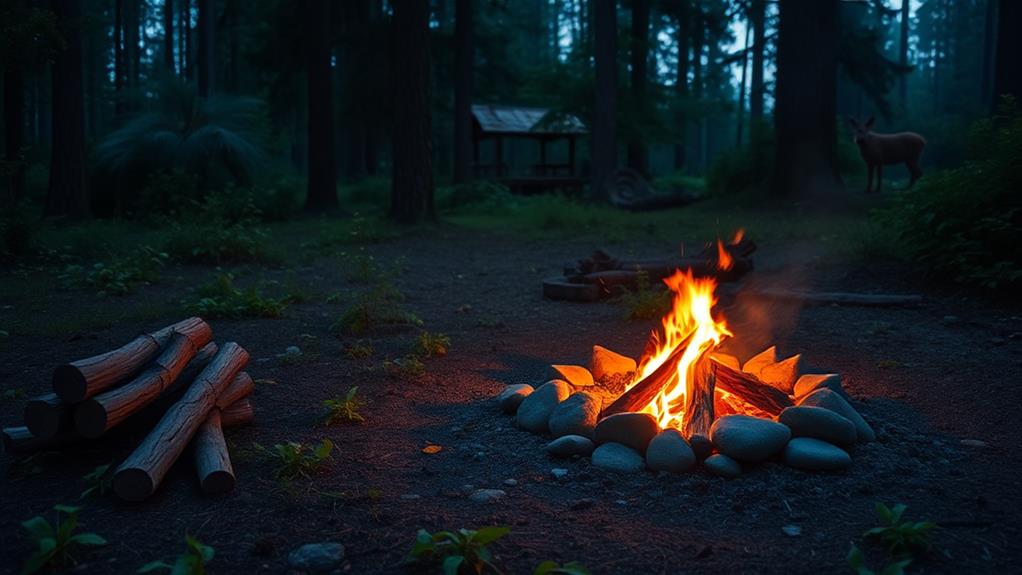
A responsible campfire is essential for both your safety and the environment. To practice fire safety while camping, follow these guidelines:
- Check Local Regulations: Always review local rules regarding campfires, as many areas impose bans to prevent wildfires.
- Use Fire Rings: Utilize established fire rings or pits to contain your fire, protecting the surrounding vegetation and wildlife habitats.
- Limit Fuel: Keep your campfire small and manageable, using only dead and downed wood to minimize your ecological impact.
- Extinguish Properly: When it's time to leave, thoroughly extinguish your campfire with water, ensuring it's cold to the touch after at least 45 minutes.
- Educate Others: Share knowledge about fire safety and responsible campfire management to foster respect for the environment.
Recommended Products

Great for Big Group Gatherings: East Oak smokeless fire pit is 29.53 inch x 29.53 inch in diameter, and that large size means it's perfect for more than 8 people sitting around the fire on the patio or backyard. The firepit can extend your time outdoors, and you can also roast hot dogs and s'mores to enjoy a fantastic outdoor flavor

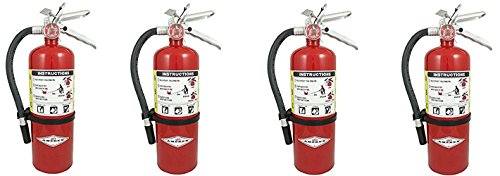
Chemical & Capacity: ABC Dry Chemical, 5 Pounds
Manage Waste and Water
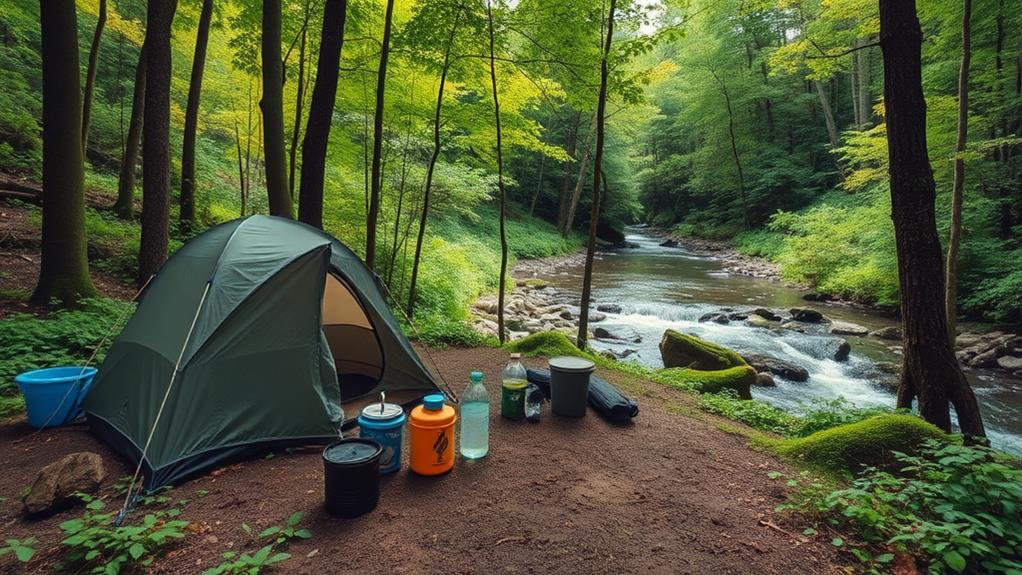
Managing waste and water effectively is essential for preserving the natural beauty of the wilderness and ensuring a safe camping experience. To maintain the integrity of your surroundings, keep these tips in mind:
- Always "pack it in, pack it out" using reusable or biodegradable bags for waste disposal.
- Use portable water filters for drinking water, and wash dishes at least 200 feet away from water bodies to protect aquatic ecosystems.
- Properly dispose of human waste by digging a cat hole or using designated restroom facilities.
Incorporate water conservation techniques, such as sponge baths and rainwater collection, to minimize water usage. Additionally, choose biodegradable soaps to reduce chemical runoff, thereby minimizing pollution and safeguarding local wildlife during your camping adventures.
Recommended Products

Microfilter water filter pump for hiking, backpacking, camping, travel, survival, and emergency preparedness

Microfilter water filter pump and 50 purification tablets for hiking, backpacking, camping, travel, survival, and emergency preparedness
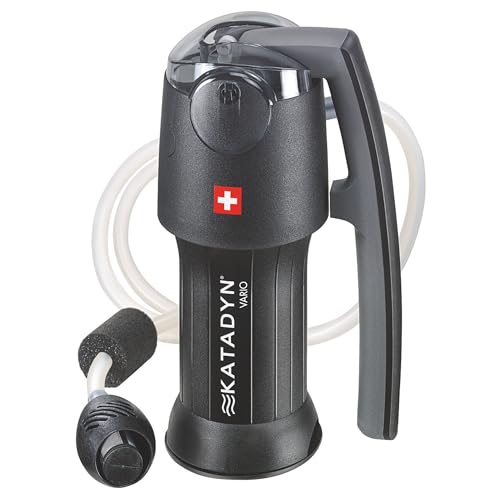
PORTABLE EASY TO USE DUAL MODE HAND PUMP WATER FILTER FOR CAMPING, BACKPACKING, HIKING, SURVIVAL AND EMERGENCY - Lightweight 15 oz microfilter pumping up to 2L of clean water per minute; connects to most water bottles and hydration packs.
Frequently Asked Questions
How Can I Find Designated Camping Spots in My Area?
To find designated camping spots, explore online resources like camping directories and map applications. Check local regulations and user reviews. Engage with community forums, social media, and outdoor apps for the latest recommendations and insights.
What Are the Best Natural Personal Care Products for Camping?
When you're camping, consider using natural deodorants, biodegradable soap, and eco-friendly sunscreen. Don't forget herbal insect repellent, organic lip balm, sustainable shampoo, natural toothpaste, and plant-based moisturizers for a guilt-free, invigorating experience.
How Do I Safely Extinguish a Campfire?
Carefully consider campfire safety! Use proper campfire tools and extinguishing methods, like dousing with water. Follow local regulations, manage smoke, and be mindful of your firewood sourcing to minimize environmental impact and guarantee emergency preparedness.
What DIY Snack Ideas Are Easy for Camping Trips?
For easy camping snacks, pack healthy options like energy bars, trail mix, and nut butter. Don't forget fruit leather, granola bites, veggie chips, or popcorn seasoned with your favorite spices. Chocolate clusters and oatmeal packets are great, too!
How Can I Minimize My Impact on Wildlife While Camping?
You've got to be a stealthy ninja when camping! Embrace wildlife awareness, practice eco-friendly habits, reduce noise, store food properly, follow local regulations, and respect habitats—your responsible choices guarantee incredible wildlife observation and preservation for all.