⚠️ Disclosure: This post contains Amazon affiliate links. We may earn a commission at no extra cost to you.
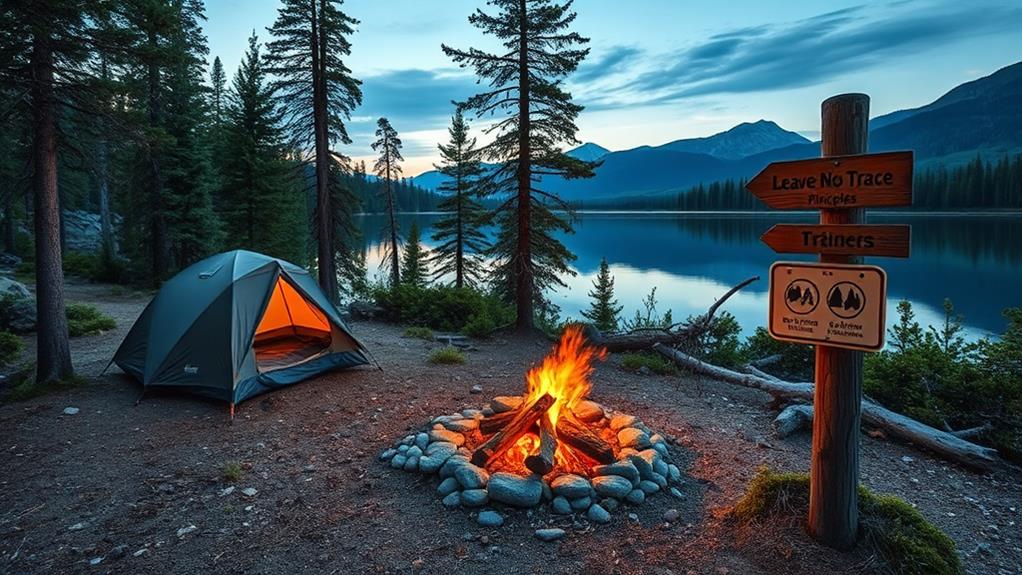
When you engage in eco-friendly wild camping, adhering to Leave No Trace principles is essential for protecting natural environments. Begin by planning your trip thoroughly, ensuring knowledge of local regulations and terrain. Choose durable surfaces for camping, and always practice "pack it in, pack it out" waste disposal. Use established fire rings to minimize impact, and maintain a safe distance from wildlife to respect their habitats. Opt for lightweight, eco-friendly gear, and prioritize reusables over disposables. These practices not only enhance your experience but also preserve nature for future visitors. Continue exploring to gain further insights into sustainable camping practices.

Key Takeaways
- Follow the seven Leave No Trace principles to minimize environmental impact and preserve nature for future generations while camping.
- Plan your trip by researching local regulations, terrain, and wildlife to ensure a safe and responsible camping experience.
- Practice proper waste disposal by adhering to the "pack it in, pack it out" guideline and managing human waste responsibly.
- Choose eco-friendly gear, such as tents made from recycled materials and reusable utensils, to reduce your environmental footprint.
- Respect wildlife by observing from a distance, avoiding feeding, and sticking to designated paths to protect natural habitats.
Understanding Leave No Trace
When you head out into nature, understanding Leave No Trace is essential for protecting the environment and enhancing your outdoor experience. Originating in the 1960s from the US Forest Service, the Leave No Trace principles are fundamental for preserving fragile ecosystems. Increased outdoor activities can lead to overcrowding and damage in popular areas, making it even more important to adopt these outdoor ethics.
To effectively protect and preserve nature, consider these key practices:
- Dispose of Waste: Pack out everything you bring in, including trash and food scraps.
- Minimize Campfire Impacts: Use established fire rings or stoves.
- Respect Wildlife: Observe animals from a distance and avoid feeding them.
Seven Leave No Trace Principles
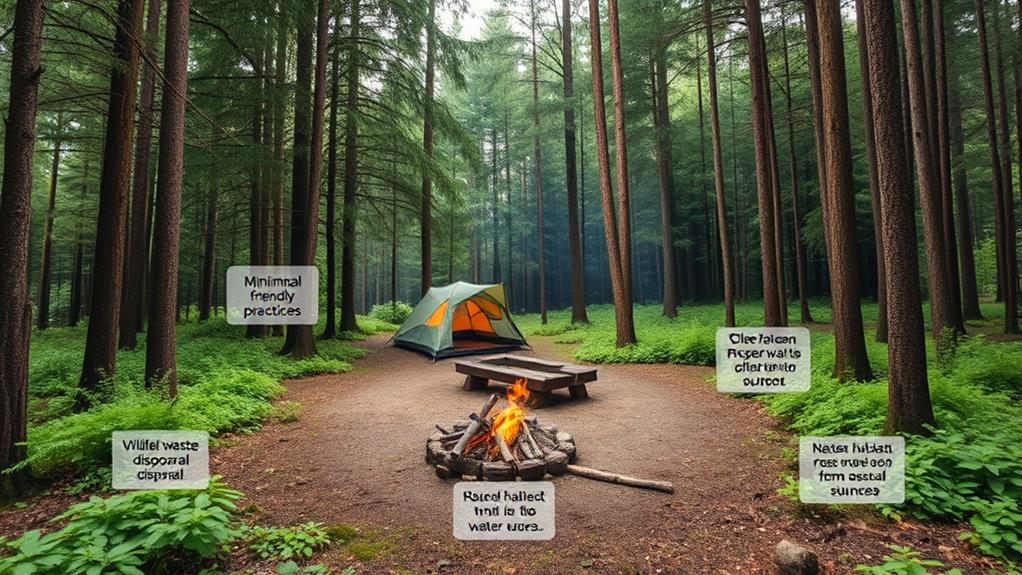
Understanding the Seven Leave No Trace Principles is essential for responsible wild camping. By planning ahead, disposing of waste properly, and respecting wildlife, you can greatly reduce your impact on the environment. Each principle serves as a guideline to guarantee that you enjoy nature while preserving its integrity for future generations.
Recommended Products
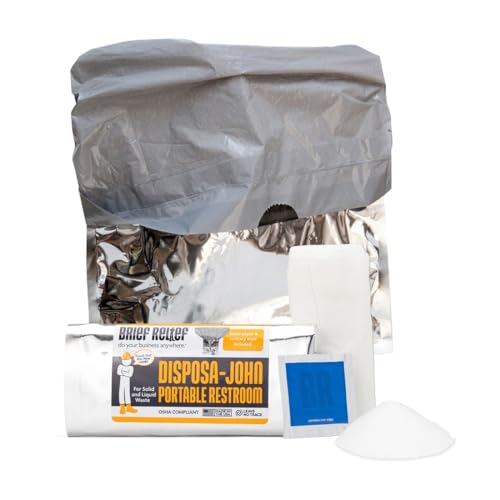
All-in-One Kit: Includes silver triple barrier bag, inner bag, ample toilet paper and wet wipe. Everything you need for a restroom break on-the-go. Made in USA.

It’s in the Bag: Do your business anywhere. Includes puncture-proof disposable gray urinal bag pre-filled with instant gelling powder and wet wipe. Made in USA.

CONVENIENT AND COMPACT: The GO Anywhere Complete Portable Camping Toilet weighs only 7 pounds and folds to the size of a standard briefcase. It provides the comfort and height of a standard toilet, supporting up to 500 pounds. No need for messy chemical waste storage tanks or dump stations. No assembly required.
Planning and Preparation Tips
Planning a wild camping trip can be an exhilarating experience, but it's vital to prioritize the environment while you enjoy the great outdoors. Here are some essential tips:
- Plan Ahead and Prepare: Know the rules, weather, and terrain of your destination. Pack necessary gear to guarantee safety and enjoyment.
- Travel and Camp on Durable Surfaces: Stick to established trails and campsites. This helps preserve fragile ecosystems for future visitors.
- Dispose of Waste Properly: Follow the "pack it in, pack it out" guideline. Take all trash and waste with you, including biodegradable items.
- Minimize Campfire Impacts: Use established fire rings if permitted, keep fires small, and consider a portable camp stove to mitigate ecological damage.
Waste Disposal Guidelines
Waste disposal is vital for preserving the natural beauty of wild camping sites. Following the waste disposal guidelines can guarantee you leave no trace. Here are significant tips to keep in mind:
- Pack it in, pack it out: Take all rubbish, including biodegradable items, back with you.
- Human waste: Bury it 6-8 inches deep and at least 200 feet from water sources to minimize contamination.
- Biodegradable soap: Use it sparingly, and wash dishes at least 200 feet away from lakes, rivers, or streams.
- Reduce waste: Opt for reusable containers over disposable items to decrease waste volume.
Respecting Wildlife and Nature
When you venture into the wild, respecting wildlife and nature is essential for sustaining the environment and ensuring a harmonious experience.
- Respect Wildlife: Maintain a safe distance from animals, and secure your food to prevent attracting them, avoiding dependency and behavioral shifts.
- Leave What You Find: Preserve the ecosystem by leaving natural and historical items undisturbed, which helps prevent the introduction of non-native species.
- Travel and Camp on Durable Surfaces: Stick to established trails and campsites to protect fragile ecosystems.
- Pack It In, Pack It Out: Follow this guideline by taking all trash, including biodegradable items, with you to avoid attracting wildlife.
Planning Your Wild Camping Trip
How do you guarantee a successful wild camping trip? Proper planning is essential for an enjoyable experience and to protect nature for future generations. Here's a quick guide to get you started:
- Check the area: Research the legality of wild camping in your chosen location, including landowner permissions.
- Plan your route: Use Ordnance Survey maps to find trails and campsites, focusing on flat ground near water sources.
- Familiarize with wildlife: Understand local species and environmental conditions to minimize disturbances and secure safety.
- Inform someone: Always let a friend or family member know your plans and have a charged power bank for emergencies.
Recommended Products

SAFE FOR INDOOR USE: This essential fuel burns clean without toxic chemicals or smoke. And in case it gets knocked over, the spill-safe glycol will not stay lit. This canned heat keeps you warm and safe!

New, sleek, beautiful and improved design great for courtyard, deck, garden, camping chair, beach, patio chair, backyard, swimming pool, tanning, sky view, garden, back yard chair and other outdoor activities or therapy related healthcare use. Elastic chair transform to the body shape for ideal sitting posture with elevated leg and proper blood circulation to relax the muscles

COMPACT & LIGHTWEIGHT DESIGN: Our Fireside Outdoor Trailblazer pop up fire pit expands to a 12"x12" burn area and folds down to the size of a thermos. At only 3 lbs, it's a true portable fire pit for camping—easy to pack in your kayak, backpack, or ATV. Whether you're heading out with friends or just need a mini fire pit for the backyard, this camping essential is built for easy transport and quick setup, making your next outing more convenient and enjoyable.
Essential Gear for Beginners
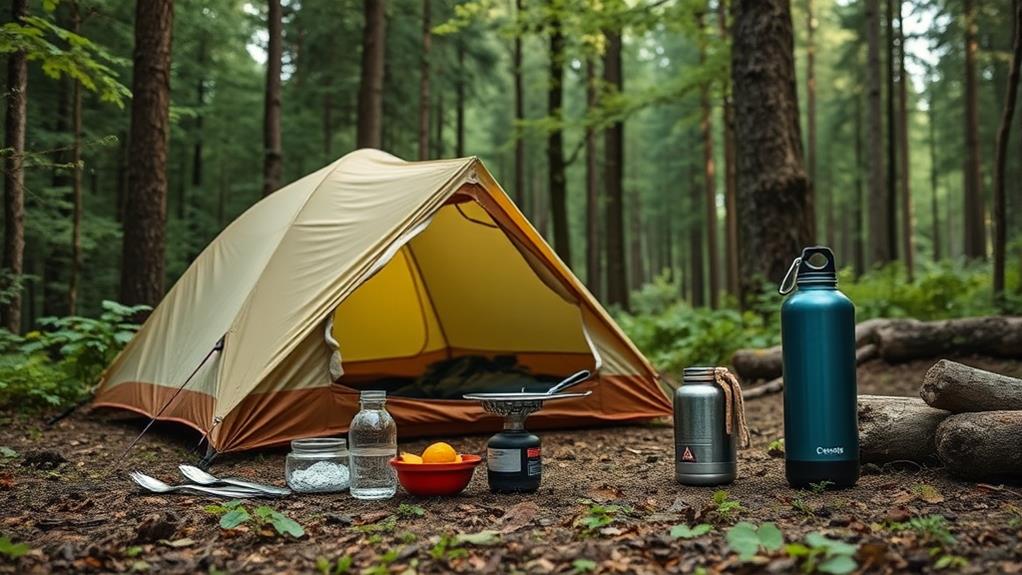
When you're starting your wild camping journey, having the right gear is vital for both your comfort and the environment. You'll want to prioritize lightweight essentials that are easy to transport, such as a compact tent and a suitable sleeping bag, while also considering eco-friendly options for cooking and hydration. Additionally, adopting sustainable food practices will enhance your experience and minimize your ecological footprint.
Recommended Products
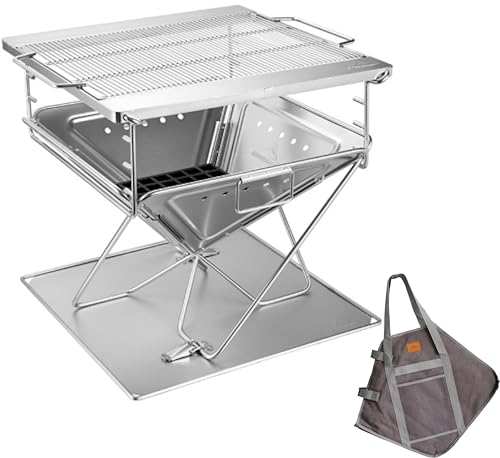
【All in One Outdoor Cooking Solution】 Transform your campsite into a gourmet kitchen with this versatile fire pit and grill combo. Seamlessly switch between a cozy large wood-burning fire pit for warmth and a robust camping grill for delicious BBQ. This multi-functional unit is your go-to for all outdoor cooking adventures, from grilling burgers to roasting marshmallows. It’s the perfect fire pit with grill for backyard entertaining, RV camping, outdoor summer camping & beach bonfires.

【Patented Firepit Bowl Upgrade Material and Heavy Duty Iron】: Our 20" fire pits for outside is made of high-quality iron,which made of high temperature resistant materials, long-term high temperature barbecue will not change color,it is sturdy and durable for many years use, Note:Please wait for the hot ash to cool down naturally,do not put it out with water to avoid peel and rustcaused by heat expansion and contraction.

ENGINEERING SIMPLE - The Pop-Up Pit sets-up in just under 60 seconds without the use of any tools while still holding up to 125lbs worth of fuel!
Lightweight Camping Essentials
Packing light is essential for beginners venturing into wild camping. Carrying less weight not only enhances mobility but also allows for a deeper connection with nature. Here are some lightweight camping essentials to contemplate:
- Lightweight Tents: Choose a tent under 3 pounds for easy transport and adequate shelter.
- Portable Cooking System: Opt for a compact camp stove or lightweight cookware to prepare meals efficiently without adding bulk.
- First-Aid Kit: Include a compact first-aid kit and a whistle for emergencies, ensuring safety without excessive weight.
- Bivvy Bag: Consider a bivvy bag or hammock, weighing as little as 1 pound, for versatile sleeping options that adapt to various environments.
Eco-Friendly Gear Options
Choosing the right gear for wild camping not only enhances your experience but also helps protect the environment. Here are some eco-friendly gear options to take into account:
- Lightweight Tents: Look for tents made from recycled fabrics to minimize your environmental impact.
- Sleeping Bags: Opt for bags filled with organic cotton or recycled materials, ensuring warmth without harmful chemicals.
- Biodegradable Soap: Use biodegradable soap for your cleaning needs, protecting local waterways.
- Reusable Utensils: Bring reusable utensils to reduce waste and promote sustainability during meals.
- Portable Camp Stove: Instead of traditional campfires, choose a portable stove to prevent fire scars and lower your carbon footprint.
- Solar-Powered Charger: Keep your devices charged sustainably without relying on fossil fuels.
Using these options, you can effectively leave no trace while enjoying the great outdoors.
Sustainable Food Practices
How can you enjoy delicious meals while minimizing your impact on the environment? Embracing sustainable food practices is key to wild camping in wilderness areas. Here are some essential tips for beginners:
- Choose lightweight storage: Opt for resealable bags or compact containers to minimize packaging.
- Select dehydrated meals: These require less packaging and are easy to pack, making them eco-friendly.
- Use reusable utensils: Bring plates, cups, and utensils to avoid single-use plastics.
- Plan meals: Use a meal planner to bring only what you need, reducing food waste.
Additionally, utilize biodegradable soap for dish cleaning and always dispose of wastewater at least 200 feet from water sources to protect local ecosystems. Enjoy your adventure while being kind to nature!
Choosing the Right Campsite

Finding the ideal campsite involves careful consideration of both environmental impact and personal comfort. When choosing a campsite, prioritize established sites that are at least 200 feet away from water sources to protect fragile ecosystems. Opt for durable surfaces like gravel, sand, or dry grass for pitching your tent, minimizing the impact on vegetation and soil.
To further reduce strain on the environment:
- Avoid peak times: Camp during weekdays or in lesser-known locations.
- Disperse your camping spots: In remote areas, this helps prevent the creation of new campsites.
- Check local regulations: Always respect land ownership and conservation guidelines to guarantee compliance and protect the natural beauty of your chosen area.
These practices enhance your experience while preserving nature.
Recommended Products

JUNGLE SAFARI ZIP XXL 100% bug proof 40d double bottom; Holds accessory Heat-Reflecting Pad between the layers on correct diagonal; Designed for anyone up to 7 ft and 350 lbs / 213 cm and 159 kg; Side entry with full length heavy duty 10YKK zipper

Explore the outdoors in the durable, supportive and comfortable SALEWA Rapace GTX shoes. These shoes offer a lace-up closure in a round toe silhouette with a leather and textile upper, textile lining and insole, and a 3F System for ankle support, fle

Men's hiking shoes ideal for camping and hiking
Proper Waste Disposal Techniques
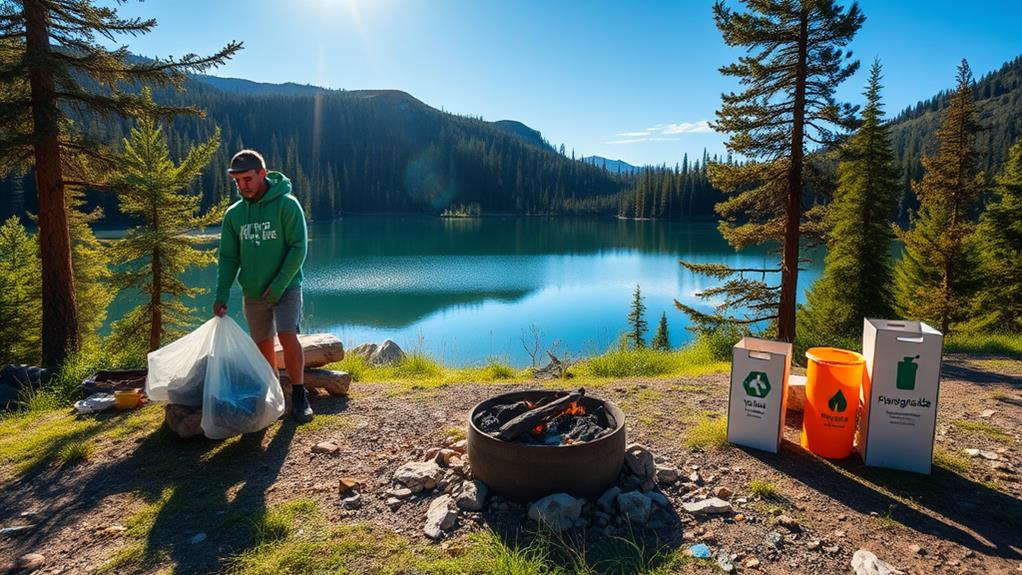
When camping in the great outdoors, proper waste disposal is essential for protecting the environment and ensuring a pleasant experience for everyone. To practice effective waste disposal techniques, follow these guidelines:
- Pack it in, pack it out: Take all trash and leftover food back with you to prevent attracting wildlife.
- Use biodegradable soap: When washing dishes, always use biodegradable soap and dispose of wastewater at least 200 feet away from water sources.
- Bury human waste: If necessary, bury human waste in a hole at least 6-8 inches deep, away from trails and water sources.
- Minimize packaging: Repackage food into reusable containers to reduce waste volume before your trip.
Always scout for local regulations, as some areas may have specific waste disposal guidelines.
Recommended Products

All-in-One: Each Wag Bag Platinum Kit contains instant gelling poo powder inside a triple barrier zip close bag, toilet paper and sanitizing handwipe. Made in USA.

CONSCIOUSLY CREATED: Minimal waste construction now available in multiple materials including canvas, leather and the classic, quick dry nylon; This airy shoe is perfect work with socks or barefoot for indoor and outdoor use

CONSCIOUSLY CREATED: Minimal waste construction; Washable recycled PET polyester fibers help sustain the environment
Wildlife Respect and Awareness

Respecting wildlife and maintaining awareness of your surroundings is essential during any camping trip. Here are key principles to enhance your wildlife respect:
- Observe from a Distance: Keep a respectful space between you and wildlife to avoid disturbing their natural behaviors. Close encounters can stress animals and alter their habits.
- Avoid Feeding Wildlife: Feeding wildlife can lead to dependency on human food, disrupting their natural foraging instincts and potentially causing aggressive behavior.
- Stick to Designated Paths: Following designated paths minimizes human-wildlife interactions, protecting both animals and their ecosystems.
- Maintain Quietness: Limiting noise helps preserve the natural experience for you and the wildlife around you.
- Educate Yourself: Learn about local wildlife, including their feeding habits and breeding seasons, for more respectful interactions.
Engaging With the Outdoor Community
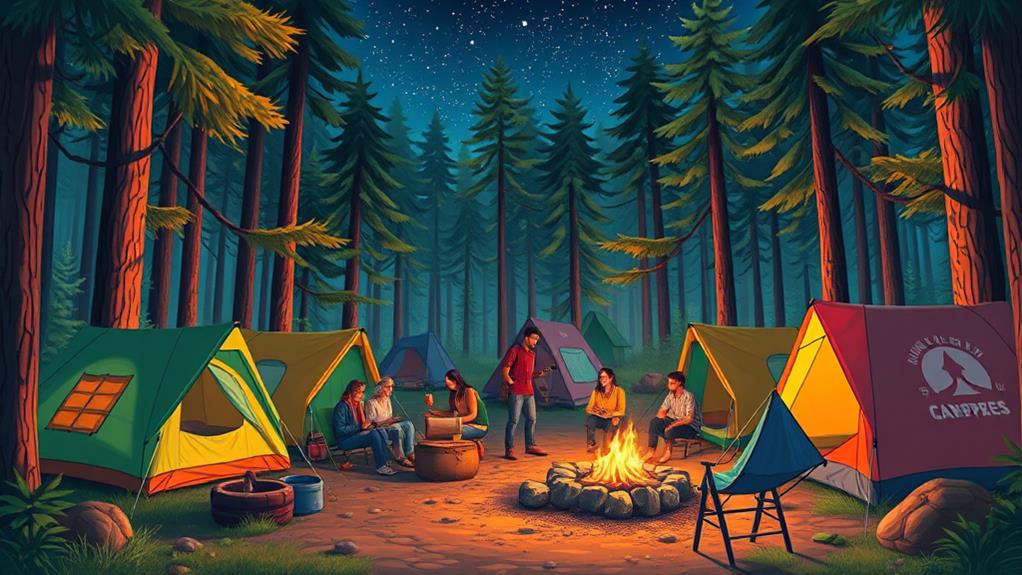
Connecting with the outdoor community enriches your camping experience and reinforces the importance of responsible practices. By engaging with fellow enthusiasts, you can deepen your understanding of Leave No Trace principles and promote sustainable practices. Consider these actions:
- Participate in local clean-up events to enhance community involvement and stewardship.
- Attend workshops on outdoor ethics for valuable education on minimizing environmental impact.
- Collaborate with conservation organizations that advocate for policies protecting natural areas.
- Leverage social media and online forums to exchange tips, best practices, and recommendations.
These connections not only foster friendships but also empower you to contribute to preserving wilderness for future generations, ensuring that freedom in nature remains intact and responsible.
Frequently Asked Questions
What Are the 7 Principles of the Leave No Trace?
The seven principles of Leave No Trace guide you in outdoor ethics, promoting sustainable camping and nature conservation. They encourage planning, protecting surfaces, proper waste disposal, and leaving natural artifacts undisturbed for future adventurers.
What Is the Number 1 Rule of Wild Camping?
The number one rule of wild camping is to respect nature. Always choose your campsite wisely, follow fire regulations, guarantee wildlife safety, and pack the right camping gear to minimize your impact and enjoy freedom outdoors.
How to Start Stealth Camping?
To start stealth camping, focus on choosing locations away from trails, use gear essentials like bivvy bags, and follow safety precautions. Remember, stealth camping tips emphasize blending in and minimizing your impact on nature.
How to Deal With Human Waste While Camping?
When camping, you'll need to contemplate toilet alternatives for waste disposal. Use biodegradable products and follow sanitation tips like packing out waste. A portable toilet or wag bag can make it easier to maintain cleanliness.