⚠️ Disclosure: This post contains Amazon affiliate links. We may earn a commission at no extra cost to you.
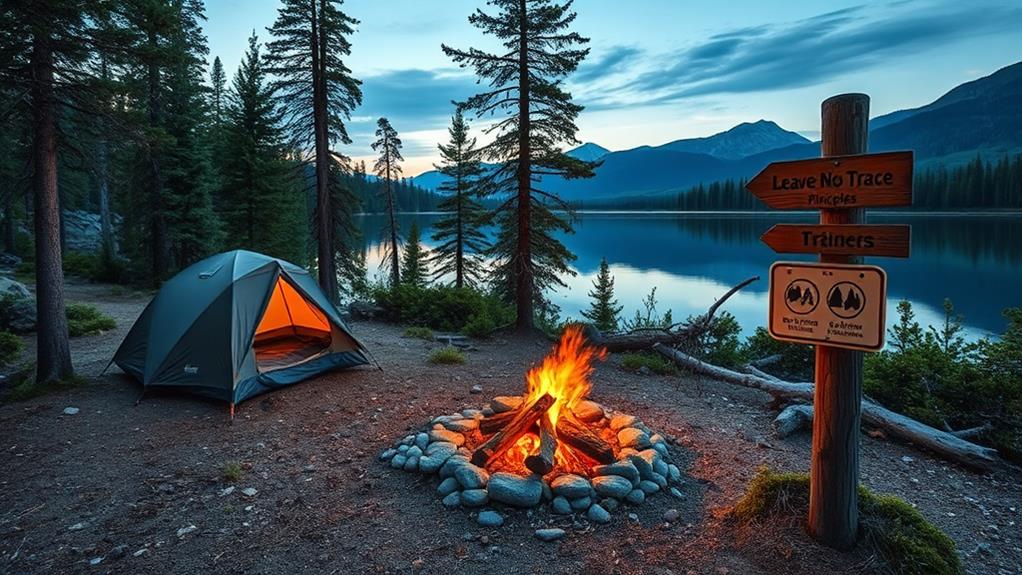
For a successful camping experience, adhere to these seven Leave No Trace (LNT) principles: 1) Choose established campsites to protect ecosystems and maintain amenities. 2) Pack out all trash, using resealable bags for waste. 3) Manage waste properly by disposing of human waste in designated areas. 4) Respect wildlife by storing food securely and maintaining distance. 5) Minimize campfire impact by using established fire rings and keeping fires small. 6) Use biodegradable products to reduce pollution. 7) Leave natural objects intact to preserve ecosystems. Following these guidelines guarantees a responsible adventure, enhancing your outdoor experience while protecting nature's beauty.
Key Takeaways
- Choose established campsites to protect ecosystems and enjoy amenities like fire rings and toilets.
- Pack out all trash using resealable bags to maintain a clean environment and protect wildlife.
- Manage waste properly by using a cathole or Wag Bag for human waste and sealing food scraps.
- Respect wildlife by storing food securely and observing animals from a safe distance.
- Use biodegradable products to minimize pollution and support local ecosystems while camping.
Choose Established Campsites
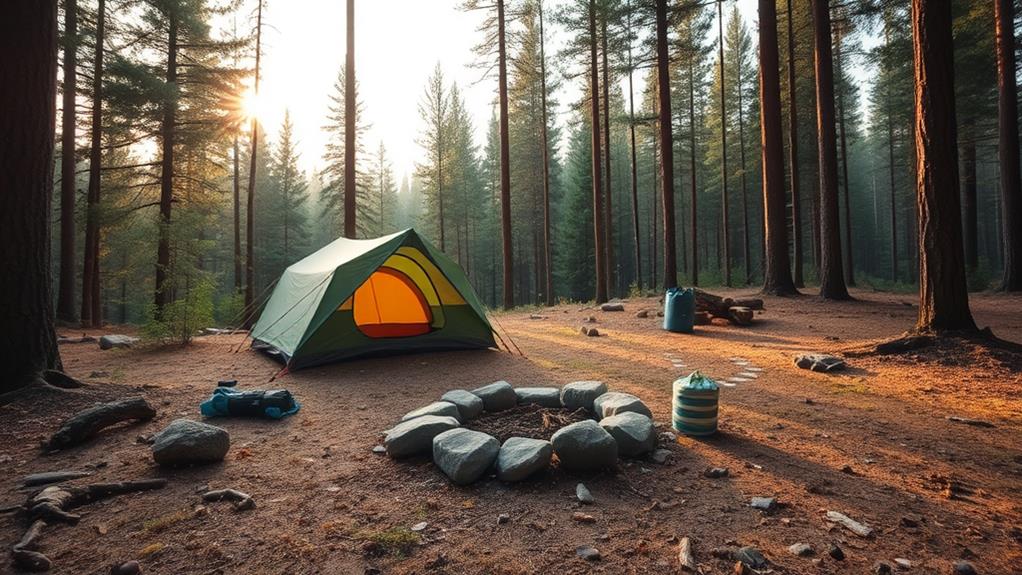
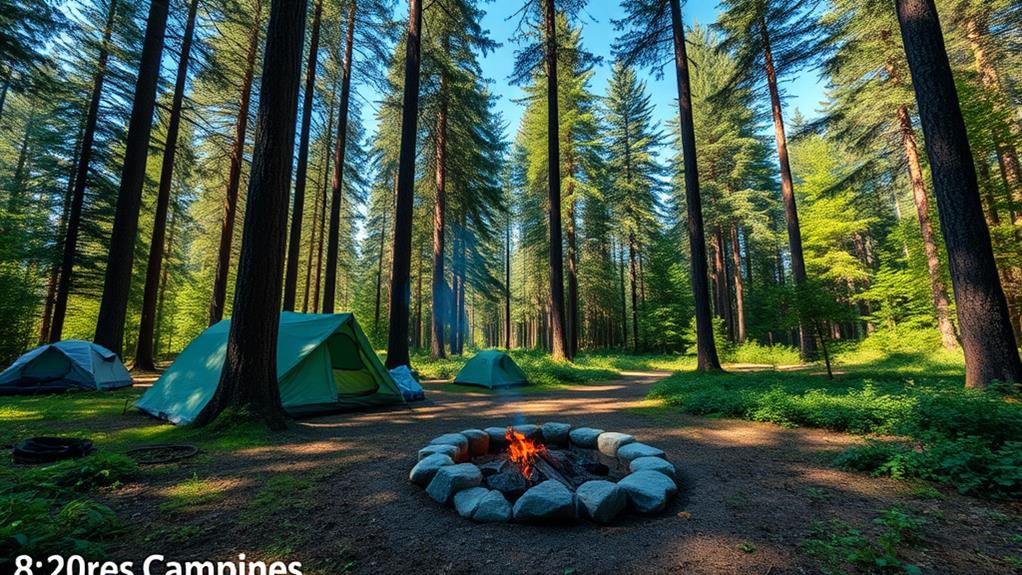
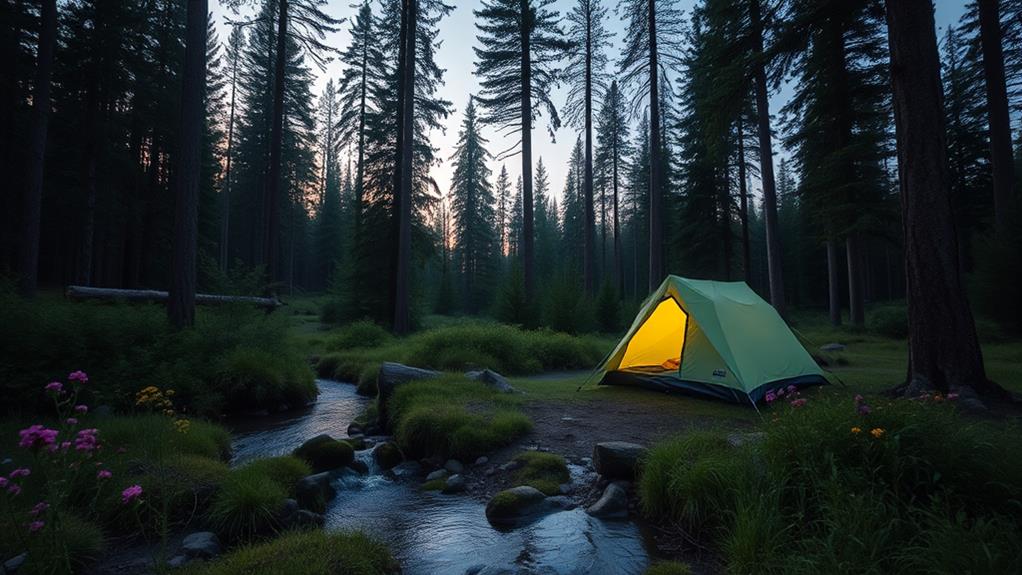
When you're planning your first camping trip, choosing established campsites can make a significant difference in your experience. These designated sites help minimize your environmental impact by protecting sensitive ecosystems and preserving wildlife habitats.
Key benefits of established campsites include:
- Convenience: Many come equipped with fire rings and toilets, reducing the need to disturb natural areas.
- Adherence to Leave No Trace (LNT): By camping in designated sites, you're following principles that promote responsible recreation.
- Regulations: Established campsites often have guidelines for food storage and waste management, ensuring safety and compliance with local environmental standards.
Opting for these sites not only enhances your camping experience but also supports the conservation of the beautiful landscapes you're enthusiastic to explore.
Pack Out All Trash
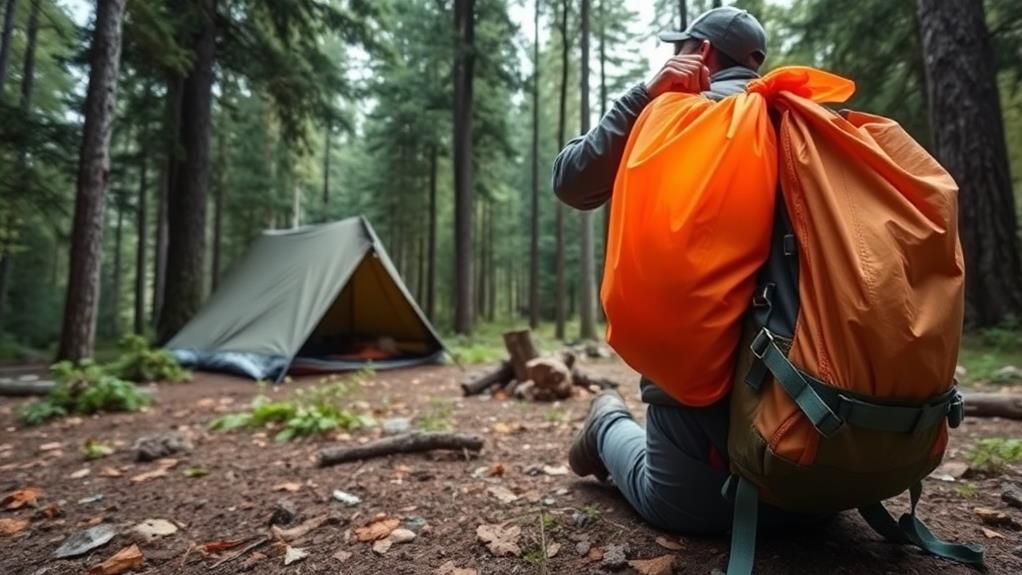
When you're out camping, packing out all trash is essential for protecting the environment and wildlife. You should use resealable bags or durable containers to store your waste securely, ensuring nothing spills during your hike. Remember to leave your campsite cleaner than you found it, which not only reflects good stewardship but also enhances the experience for future visitors.
Recommended Products

All-in-One Slide-Out Camp Kitchen: Transform your camping experience with the Jagahaha Overland Kitchen. Designed with a slide-out system, this camp kitchen offers washing, chopping, and cooking functions on one platform. Perfect for overlanding, SUV camping, and outdoor adventures.

Our best selling model has now been upgraded! New upgrades include powerful 5 Watt Walkie Talkies. 5x more powerful than our previous walkie talkies. Our Solar Lantern has also been upgraded to LED COB Technology - Twice as bright as before!

72 HOUR EMERGENCY PREPAREDNESS FOR 1 TO 2 PEOPLE - This survival kit is pre-packed with food, water, shelter, first aid, and tools to support 1 to 2 people for up to 3 days. Works as a bug out bag, go bag, family emergency kit, or grab and go backpack for home, car, office, or travel. Designed for outdoor adventures and unexpected events.
Importance of Trash Disposal
Trash disposal is a critical aspect of responsible camping that every adventurer should take seriously. Adhering to the Leave No Trace (LNT) principles guarantees that you protect the environment and preserve beautiful ecosystems. Here are key points to take into account:
- Waste Management: Pack out all trash, including biodegradable items like food scraps, to prevent pollution.
- Wildlife Safety: Proper disposal keeps wildlife safe, avoiding dangerous encounters that arise from animals becoming dependent on human food.
- Organized Packing: Use resealable bags and trash compactor bags to keep your trash organized and minimize odors.
Creative Packing Solutions
Packing out all trash is easier with some creative solutions that keep your campsite clean and organized. To practice effective waste management while camping, consider these tips:
- Designated Trash Bag: Always carry a sturdy trash bag in your backpack to collect and pack out all trash.
- Resealable Bags: Use resealable bags for food scraps and wrappers. This helps contain odors that attract wildlife and makes waste easier to manage.
- Lightweight Trash Containers: A collapsible, lightweight trash can or bin can keep your trash organized at the campsite.
- Biodegradable Options: Consider biodegradable bags for food waste, adhering to Leave No Trace (LNT) principles.
- Final Check: Before leaving, do a thorough check to verify no debris remains, preserving the outdoor environment for others.
Manage Waste Properly
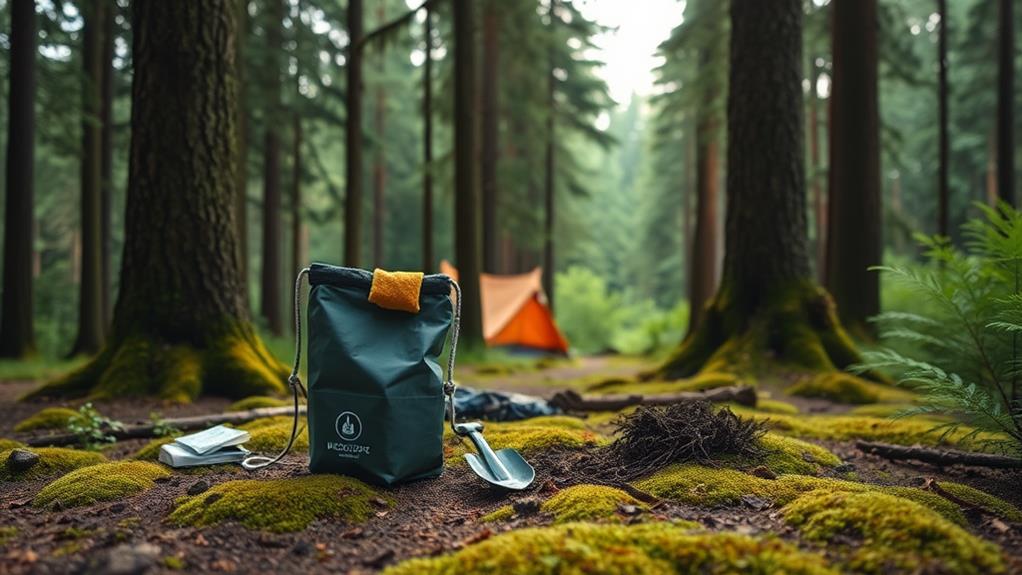
Managing waste properly is essential for preserving the beauty of nature. To effectively manage waste, follow these LNT principles:
- Human Waste Disposal: Dig a cathole 6-8 inches deep, at least 200 feet from water sources. Cover it afterward to minimize impact. In sensitive areas, use a Wag Bag to pack out waste.
- Trash Management: Bring trash bags to pack out all waste, including food scraps and biodegradable items. This guarantees a pristine environment.
- Food Storage: Use sealable containers to prevent attracting wildlife, and comply with local bear canister regulations.
- Dishwater Disposal: Scatter dishwater 200 feet away from water sources to protect aquatic ecosystems.
Recommended Products

Made in United States

Superior Sanitary Solution: Cleanwaste WAG Portable Toilet Bags provide the most hygienic and sanitary option for your portable toilet needs. Say goodbye to unsanitary conditions and embrace a clean and comfortable experience

Respect Wildlife
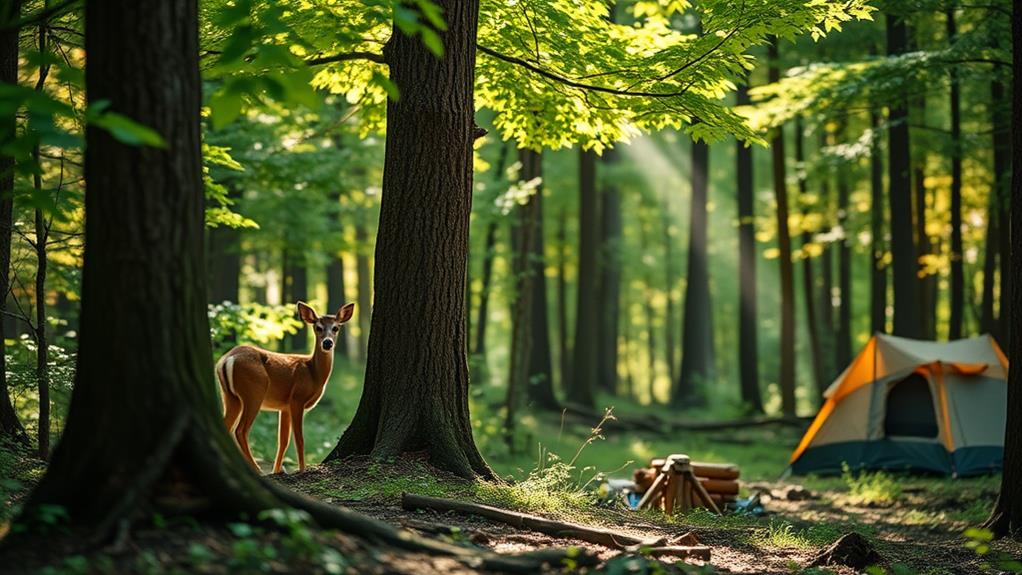
Respecting wildlife is essential for ensuring both your safety and the well-being of the animals you encounter while camping. To do this effectively, follow these guidelines:
- Always store food in bear-proof containers or hang it at least 10 feet off the ground and 4 feet away from the trunk. This prevents attracting wildlife.
- Maintain a minimum distance of 100 yards from large animals, such as bears and moose.
- Never feed wildlife, as human food can be harmful and lead animals to associate people with food.
- Use a "Wag Bag" to pack out human waste where traditional disposal isn't allowed, protecting habitats.
- Keep your campsite clean by disposing of trash properly and ensuring no food scraps are left behind to avoid attracting unwanted animals.
Minimize Campfire Impact
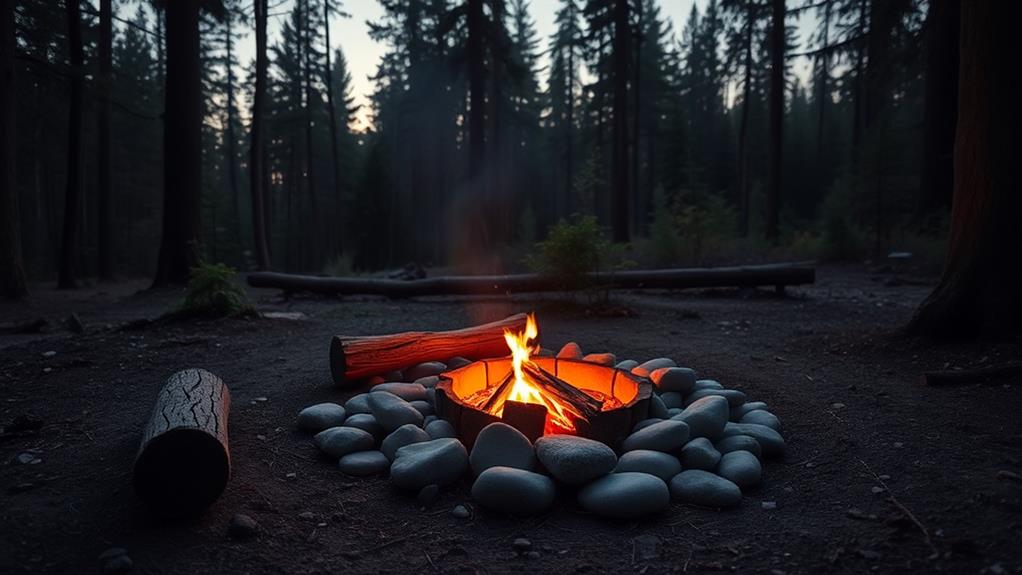
After ensuring wildlife safety, it's time to contemplate how your campfire can impact the environment. To minimize this impact, follow these guidelines:
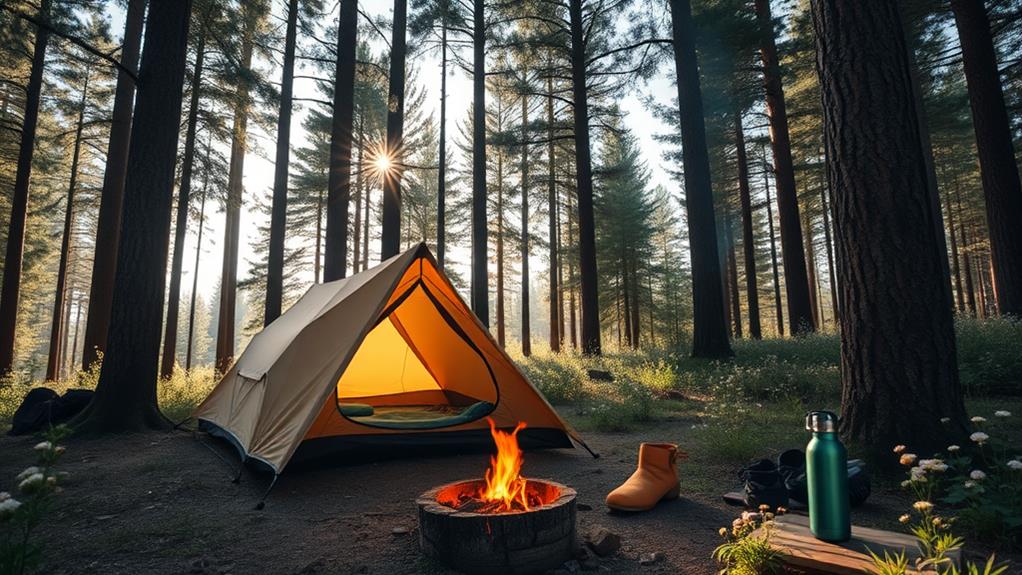
- Use Established Fire Rings and Fire Pits: This reduces soil erosion and confines damage to a small area.
- Keep Campfires Small: Aim for a diameter of no more than 3 feet to limit disturbance and conserve wood.
- Fuel with Dead and Downed Wood: Avoid cutting live trees, as this harms the ecosystem.
- Extinguish Completely: Always douse your fire with water, ensuring no embers remain that could reignite.
- Follow Local Regulations: Be aware of fire bans during dry conditions to prevent wildfires.
Recommended Products

Chemical and Capacity: Pressurized Water, 2.5 Gallon

Chemical & Capacity: Water, 2.5 Gallons

Water pressurized units provide effective and economical protection for common combustible fires
Use Biodegradable Products
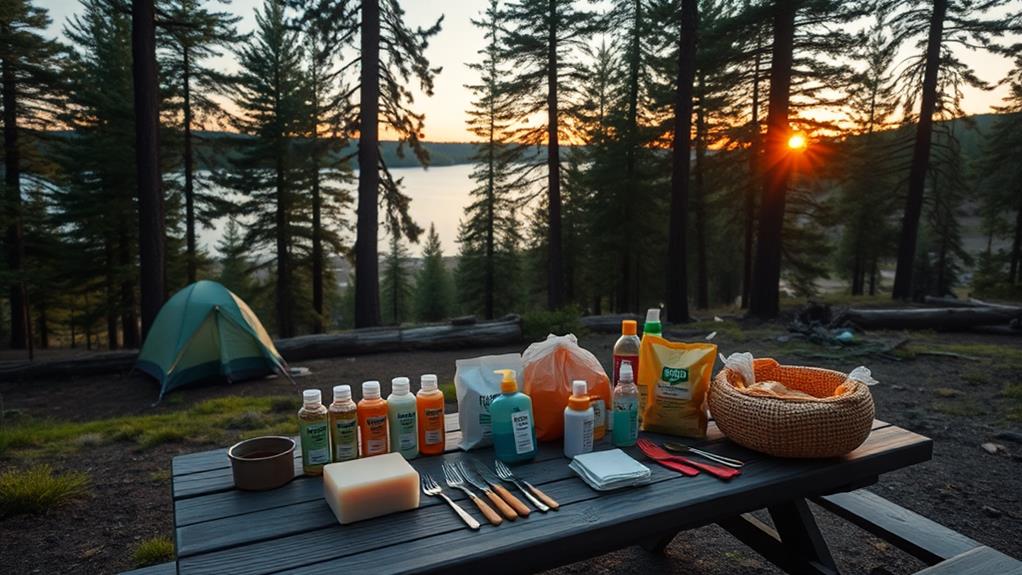
When you're out in nature, using biodegradable products can make a significant difference in minimizing your environmental impact. These products break down more easily and help protect delicate ecosystems. Always use them at least 200 feet away from water sources to prevent contamination, as even biodegradable substances can harm aquatic life.
| Benefit | Impact |
|---|---|
| Minimizes pollution | Protects water sources |
| Decomposes naturally | Supports local ecosystems |
| Fewer chemicals | Reduces harmful runoff |
| Easy to pack out | Helps maintain cleanliness |
| Complies with laws | Respects local regulations |
Remember to pack them out, ensuring complete waste management, and familiarize yourself with local regulations to protect sensitive ecosystems. Choosing natural products is a step toward preserving the environment for future adventurers.
Recommended Products

COMPACT & WATERLESS DESIGN: A self-contained composting toilet with urine separation, suitable for tiny homes, RVs, boats, and off-grid living, without the need for water or plumbing
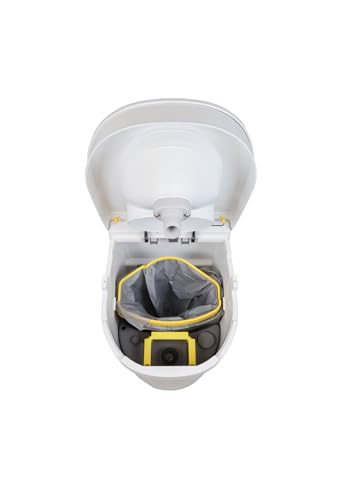
Designed for Remote Off-Grid Use: Suitable for locations with no access to electricity, water, or sewage including camps, off-grid shelters, and wilderness cabins

Leave Natural Objects Intact
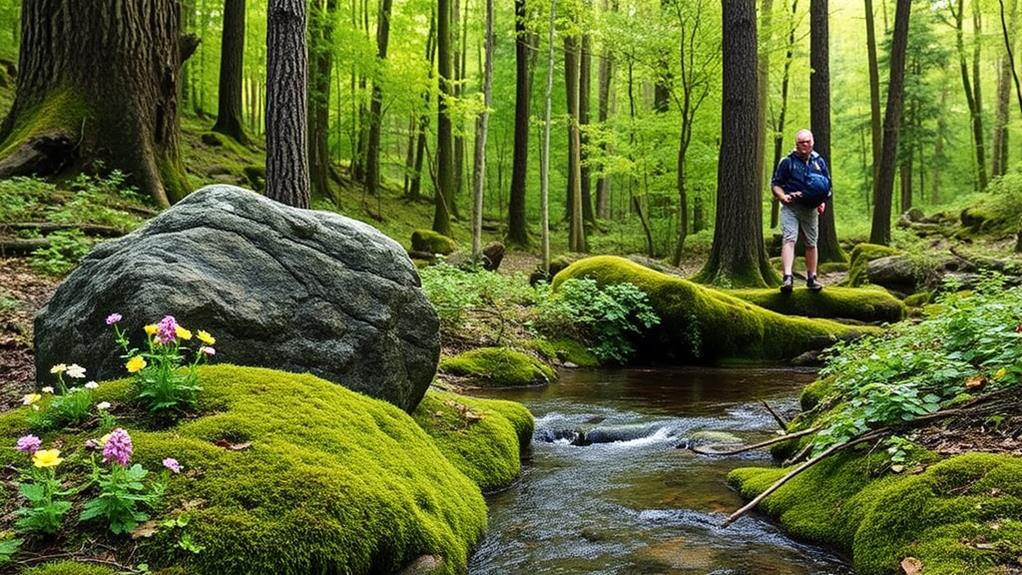
Leaving natural objects intact is essential for preserving the beauty and balance of the ecosystem. As a first-time adventurer, you should always leave natural objects, like rocks and plants, in their original location. This practice helps preserve the ecosystem and maintains the area's charm for future visitors. Taking or disturbing these items can disrupt wildlife habitats, contribute to erosion, and cause ecological imbalances.
To respect the natural environment, follow these guidelines:
- Observe wildlife from a distance.
- Familiarize yourself with park regulations regarding natural objects.
- Practice Leave No Trace principles to promote sustainability and conservation in outdoor spaces.
Frequently Asked Questions
Recommended Products

Powerful RV and Home Generator with LED Display: Ideal for furnaces, fridges, most 13,500 BTU RV AC units, and more, this easy-to-use house generator features advanced inverter technology to supply power reliable enough for computers

【Nationwide Walkie Talkie】Cellular POC ptt-walkie talkies technology for seamless unlimited range coverage.The 4g lte SIM card is pre-inserted for you.Just unbox,power on, and enjoy crystal clear instant rapid communication across California to New York,cities, states,and countries.Connectivity relies on robust nationwide cellular towers for reliable coverage.FCC ID: 2BK59-M12

55 MIN FAST CHARGING - The Ampace Andes 1500 portable power station can be fully charged in just 55 minutes, you don't need to wait over 1 hour then you can get a full-charged power station. With a capacity of 1,496Wh, the Andes 1500 offers a larger battery capacity compared to similar 1kWh models, ensuring longer usage time. You can check the battery status of this power station on the app, enabling smart control.
How Do Beginners Prepare for Camping?
Imagine a ship setting sail; you'll need to chart your course. For camping, research campsite selection, create a packing checklist, prioritize safety precautions, plan meals, and consider gear rental, weather, and fire safety for smooth sailing.
What Is the Rule #1 of Camping?
When camping, Rule #1 is planning ahead. Understand campsite selection, fire safety, wildlife encounters, and weather awareness. Hone navigation skills, pack cooking essentials, guarantee gear maintenance, practice emergency preparedness, and follow campsite etiquette to guarantee an enjoyable experience.
What Is the Number 1 Rule of Wild Camping?
When wild camping, the number one rule's to "Leave No Trace." You've gotta focus on campsite selection, wildlife safety, and proper food storage, while ensuring gear essentials and emergency plans prepare you for any environmental impact.
What to Bring First Time Camping?
When you're heading out, remember: the early bird gets the worm! Pack essential camping gear like a quality tent, navigation tools, clothing layers, food storage, first aid, and fire safety items, considering weather and campsite selection.