⚠️ Disclosure: This post contains Amazon affiliate links. We may earn a commission at no extra cost to you.
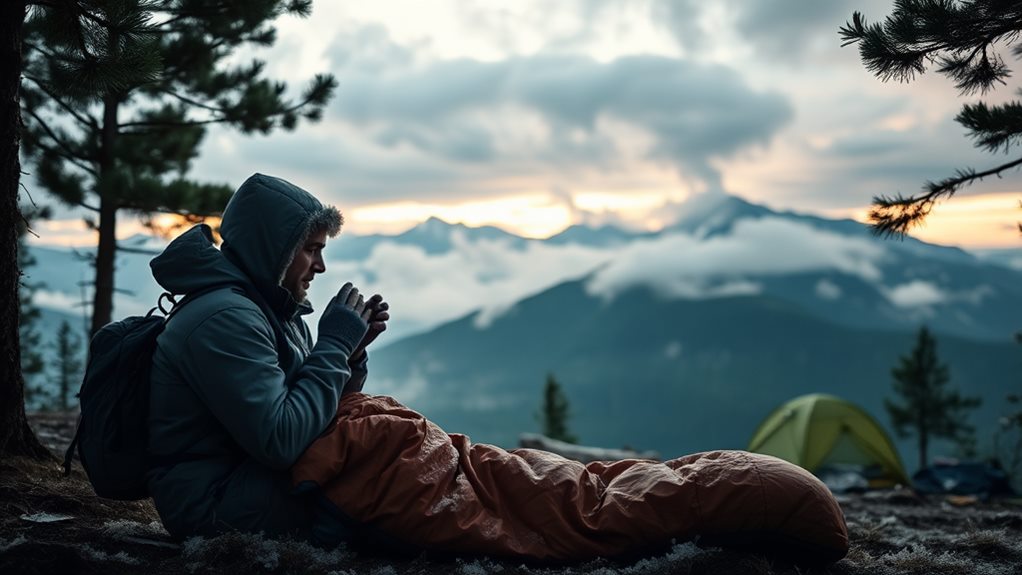
You need to understand hypothermia because it’s a silent killer that doesn’t care about your camping experience level. Unlike bears or snakes, it’ll sneak up on you – even at 50°F. Your core body temperature can plummet fast, especially if you’re wearing wet clothes or cotton (rookie mistake). The early signs? Uncontrollable shivering and confusion, which make it harder to help yourself. Smart gear choices, proper layering, and knowing where to set up camp can literally save your life. Most campers focus on the wrong threats, but hypothermia’s the one you really need to master.


Key Takeaways
- Hypothermia can occur rapidly, even at seemingly mild temperatures around 50°F, catching inexperienced campers off guard.
- Novice campers often make dangerous clothing choices like wearing cotton, which retains moisture and accelerates heat loss.
- Without proper knowledge, beginners may miss early warning signs like uncontrollable shivering, leading to life-threatening situations.
- Inexperienced campers frequently underestimate the importance of proper campsite selection and protection from wind and moisture.
- New campers need basic survival skills to help both themselves and others when hypothermia symptoms appear unexpectedly.
Understanding Cold Weather Dangers
Nature’s cold-weather threats extend far beyond what many novice campers might expect. You might think you’re safe in 50°F weather – think again. Hypothermia doesn’t play by your rules, and it can strike even during a spring camping trip when you least expect it.
Here’s what you absolutely need to know about cold weather camping:
- Your core body temperature can plummet faster than you’d imagine
- Wet clothes are your worst enemy – period
- Wind plus moisture equals serious trouble
The scariest part? You might not even realize you’re in danger. When hypothermia kicks in, your brain gets fuzzy. You’ll start shivering uncontrollably, your speech will slur, and you’ll make terrible decisions. Not exactly ideal when you’re trying to stay warm in the wilderness.
Prevention is your best friend out there. Don’t be that overconfident newbie who thinks they’re immune to the cold. The signs and symptoms of hypothermia aren’t subtle – but by the time you notice them, you might be too confused to help yourself. Every outdoor activity needs a solid plan for staying warm and dry. No exceptions.
Let’s be real: Mother Nature doesn’t care about your camping experience level.
Recommended Products
![[120 Pack] Oversized Emergency Blanket 71”x142” | Emergency Mylar Blankets | Survival Blanket for Survival Supplies, Camping, Hiking, or Emergencies](https://m.media-amazon.com/images/I/61mhrxJycfL._SL500_.jpg)
✅[Oversized Blanket] Upgrade your survival gear with our Oversized Blanket. Unlike standard emergency blankets measuring 52” x 84”, this extra-large blanket spans 71”x 142”. Its generous size allows you to comfortably cover yourself or 2 people simultaneously, ensuring warmth and protection in any situation.


Warmer & Lighter Down Sleeping Bag for Cold Weather: Beat frigid nights with this premium cold weather sleeping bag! Filled with 3.3 lbs of RDS-certified traceable down (odorless, impurity-free), it boasts 680 fill power for exceptional warmth and breathability. Comfort temperature ranges from 8°F to -7°F, making this down sleeping bag perfect for adults camping in cold conditions.
Warning Signs and Symptoms
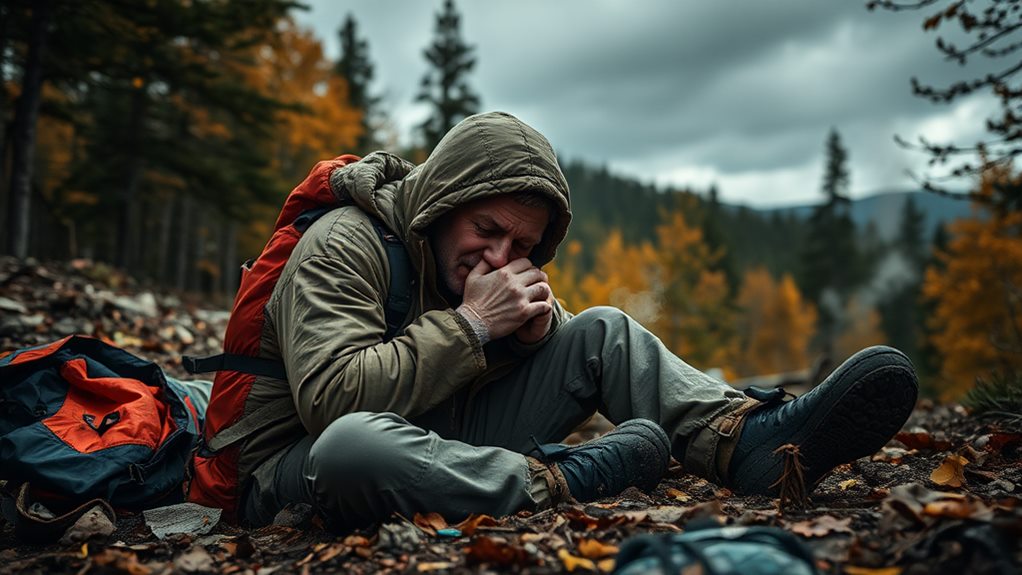
You’ll notice the first signs of hypothermia when your body starts shivering uncontrollably and your fingers feel like useless frozen sticks. As things get worse, you’re going to feel confused and clumsy – trust me, dropping your water bottle three times isn’t just you being tired. When your body temperature really starts dropping, you’ll get hit with the scary stuff: you might stop shivering completely, feel weirdly warm (don’t fall for it), and maybe even start seeing things that aren’t there.
Recommended Products

Package Includes: there are 100 pack of space insulation blankets survival kit camping blankets; Each survival blanket is individually folded, wrapped and sealed for easy storage and retrieval; They are reusable, waterproof, windproof and can also be applied for ground coverings and shading


50-PACK BULK EMERGENCY BLANKETS : Our 50 piece bulk pack emergency blankets (52” x 82”) offers reliable, all-weather protection to keep you safe, warm, and dry. Designed with durability and portability in mind, these thermal mylar emergency blankets are an essential addition to any survival kit, emergency preparedness plan, and first aid supply.
Early Physical Changes
During the early stages of hypothermia, your body will display clear warning signs that shouldn’t be ignored. As a novice camper, you need to understand how cold exposure affects you – it’s literally a matter of life and death.
Your body temperature dropping below 95°F is no joke. Here’s what happens:
- You’ll start shivering – and not just a little. We’re talking intense shivering that you can’t control
- Your coordination goes wonky (try tying a shoelace – seriously, you’ll look drunk)
- Fatigue hits you like a ton of bricks
Let’s be real – these early warning signs are your body screaming “Hey, something’s wrong!” As your core temperature continues dropping, things get worse fast. You’ll stumble over words, feel confused, and might even think you’re fine when you’re definitely not. Trust me, hypothermia isn’t picky about its victims.
Don’t play tough. When your body starts showing these signals, act immediately. Life-threatening conditions develop faster than you’d think, and being stubborn about it won’t make you look cool – it’ll make you look unconscious.
Mental State Deterioration
When your brain gets too cold, it starts playing dangerous tricks on you. It’s not just about shivering anymore – we’re talking serious mental state deterioration that can literally kill you. As your core body temperature drops, your mind turns into your worst enemy.
Here’s what happens to your brain when hypothermia kicks in:
- Between 95°F and 91.4°F: You’ll notice confusion setting in. Can’t think straight? Having difficulty speaking? Yeah, that’s hypothermia messing with your head.
- Between 91.4°F and 87.8°F: Things get weird. You might start hallucinating or enter a stupor. Not fun.
- Below 87.8°F: Welcome to severe hypothermia – and trust me, you don’t want to be here.
The scariest part? Your impaired decision-making might lead you to do something completely insane called paradoxical undressing. That’s right – you might actually strip off your clothes when you’re freezing to death. Sounds crazy, but it happens.
Don’t ignore the early signs. When you start feeling confused or can’t speak properly, it’s not “just tiredness.” It’s your body screaming for help. Take action before your brain convinces you to make fatal mistakes.
Essential Cold Weather Gear

Proper cold weather gear stands between comfort and potential hypothermia while camping in frigid conditions. Let’s be real – you can’t just throw on any old jacket and hope for the best. Cold-weather camping requires serious preparation, and your life literally depends on it.
Your sleeping setup is non-negotiable. You’ll need a closed-cell foam pad – it’s your barrier against the frozen ground trying to steal your body heat. Pair that with a sleeping bag rated way below the expected temperature. Don’t cheap out here.
For insulated clothing, here’s your strategy:
- Ditch the cotton – it’s a death trap
- Layer up with synthetic or wool base layers
- Add insulating middle layers
- Top with weatherproof outer layers
Don’t forget your extremities! Your fingers, toes, and ears will thank you for proper protection. Pack extra socks – wet feet are miserable feet.
Keep your energy up with high-calorie foods. Pack chocolate, nuts, and cheese – they’re not just treats, they’re survival tools. Your body needs fuel to fight heat loss and prevent hypothermia. Simple as that.
Recommended Products

100% ALUMINUM ALLOY MATERIAL: Made of high quality aircraft grade aluminum, not easy to aging and thermal expansion and contraction, super durable, can be used for many years. If it is made of plastic, it is easy to leak after winter and summer seasons.

[Upgraded Rooftop Tent Hardshell to 100% Market Excellence] - HEYFUN roof top tent RTT, directly from the industry-leading manufacturer, are standout options with attachable side awning and built-in LED light strip, perfect choice for camping enthusiasts and seasoned adventurers of all levels valuing quality and affordability.

15-degree Fahrenheit (-9-degree Celsius) ultralight down sleeping bag for 2-season backpacking, bike packing, and touring
Basic Survival Skills
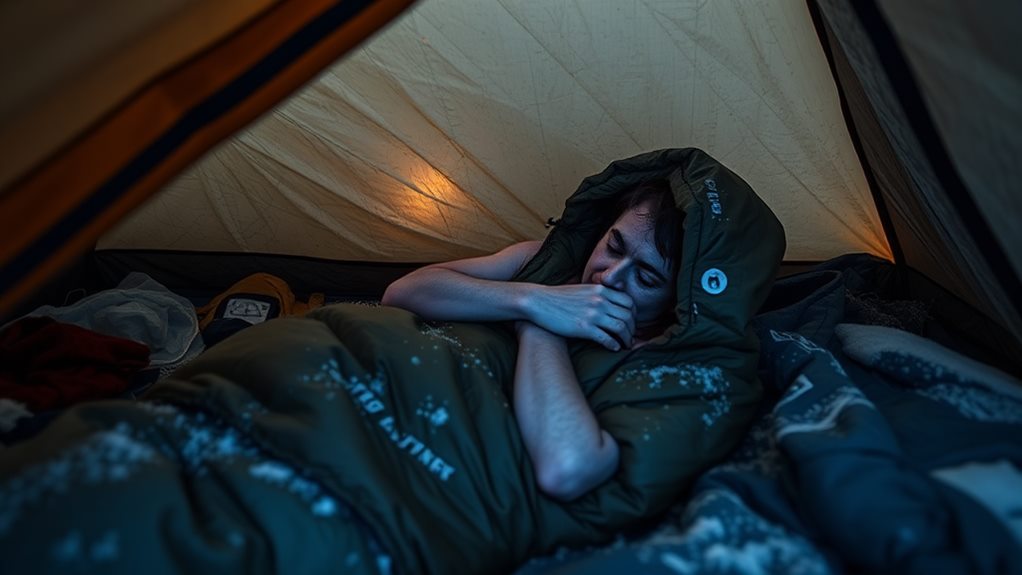
Your life could depend on spotting hypothermia’s warning signs – yeah, it’s that serious. You’ll need to quickly recognize when things are going south, like when your buddy starts shivering uncontrollably or talking nonsense (and not the usual campfire chatter kind). Whether you’re dealing with wet clothes, dropping temperatures, or both, knowing exactly how to handle an emergency situation – from basic first aid to calling for help – can make the difference between a scary story to tell later and a real disaster.
Recognizing Cold Weather Dangers
Many novice campers underestimate cold weather dangers because they don’t realize hypothermia can strike even in temperatures above freezing. It’s not just about brutal winter conditions – you can get into serious trouble during those “nice” spring and fall camping trips too.
Here’s what you need to know:
- Your core temperature can plummet fast, especially if you’re wet
- Proper clothing layers aren’t optional – they’re survival gear
- Waterproof garments aren’t just for rain – they’re your defense against deadly moisture
The scary part? You might not even realize you’re in trouble. When hypothermia kicks in, your brain gets fuzzy. You’ll start shivering uncontrollably, then maybe stop altogether – and that’s not a good thing. Your speech will slur, and you’ll make stupid decisions. Trust me, you don’t want to be that person stumbling around camp, insisting you’re “totally fine” while wearing a t-shirt in 40-degree weather.
Stay aware of your camping buddies too. If someone’s acting weird, getting clumsy, or can’t string together a decent sentence, don’t wait – get them warm and dry immediately. Your awareness could save their life.
Essential Emergency Response Skills
Now that you understand the dangers, let’s focus on life-saving response skills you’ll need if hypothermia strikes. Let’s be real – your survival skills could mean the difference between life and death out there.
Here’s what you absolutely must do when hypothermia symptoms appear:
- Check temperature and mental state. If they’re confused or slurring words, you’ve got trouble.
- Get them dry – fast. Wet clothes are your enemy.
- Break out that first aid kit. You did pack one, right?
- Give warm fluids if they’re conscious. No alcohol – that’s amateur hour.
- Use your body heat. Skin-to-skin contact works wonders, and no, it’s not weird when it’s about survival.
When things get serious (and they can quickly):
- Don’t rush rewarming if evacuation is possible
- Handle them gently – no jumping jacks or rough movement
- Call for help if you’ve got signal. This isn’t the time to play hero.
Remember: Cold-related injuries don’t care about your outdoor safety knowledge or experience level. They’ll strike anyway. Your response needs to be immediate, smart, and decisive. No exceptions.
Emergency Response Protocol
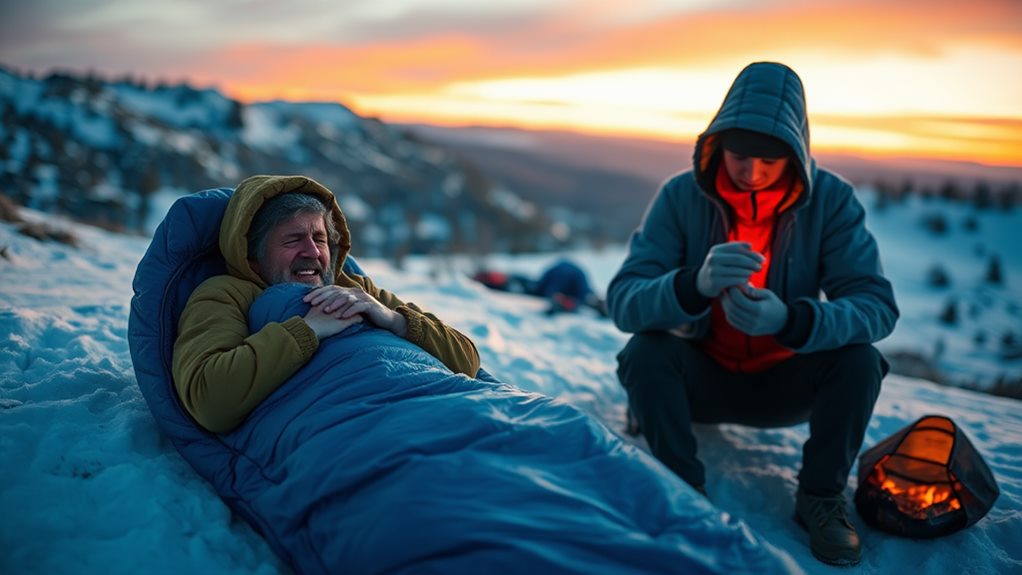
According to field experts, responding to hypothermia requires immediate and decisive action. Let’s be real – when someone’s freezing to death, you don’t have time to flip through a manual. You need to know this stuff cold (pun intended).
Here’s what you’ve got to do, no questions asked:
- Get them to shelter immediately. No exceptions.
- Strip off those wet clothes – they’re literally stealing body heat
- Apply warm, dry clothing or blankets
- Share body heat if you have to (yes, it’s awkward, but it works)
For conscious victims, warm sugary drinks are your friend. But don’t even think about alcohol – it’s a rookie mistake that’ll make things worse. And here’s the thing about severe hypothermia: you’ve got to be gentle. Really gentle. Rough handling can trigger cardiac arrhythmias, and nobody wants that drama.
Keep monitoring their crucial signs and temperature like a hawk. Don’t assume someone’s dead just because they look it – hypothermia victims can appear lifeless but still be saved. Trust me, you’ll want to remember this one.
Bottom line: Your emergency response could mean the difference between life and death. No pressure, right?
Recommended Products

4 INDIVIDUAL VACUUM-SEALED KITS IN DURABLE PLASTIC CASE – Each single use pack includes the essentials for traumatic blood loss situations. Each kit includes a tourniquet, an Israeli pressure bandage, 2 compression gauze, a mylar survival blanket, shears, gloves, a permanent marker and 3 antiseptic wipes. The non-resealable package includes our Quick Tear feature for fast and easy access.

PREPARED FOR ANY ADVENTURE — Whether you're at home, on the road, or exploring the great outdoors, this first aid kit is your essential companion. Equip your car, pack for travel, or take it on hikes, camping trips, or any outdoor activity. Be ready to handle emergencies with confidence, ensuring safety for yourself and your loves ones.
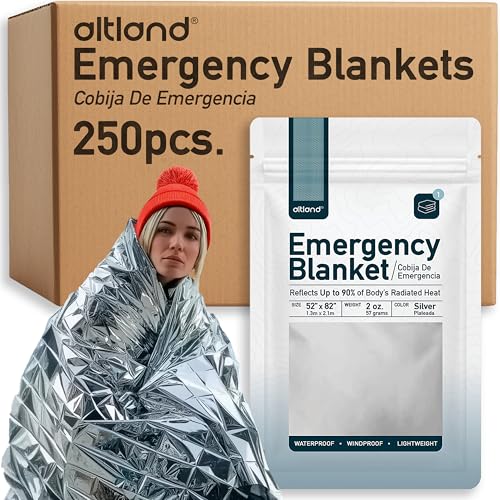
EXCEPTIONAL THERMAL INSULATION: Our silver foil emergency blankets are designed to help reflect up to 90% of your body’s radiated heat, providing vital warmth and protection in harsh conditions. With generous dimensions of 52" x 82", each blanket provides ample coverage, ensuring individuals can wrap themselves comfortably for maximum warmth.
Campsite Selection for Safety
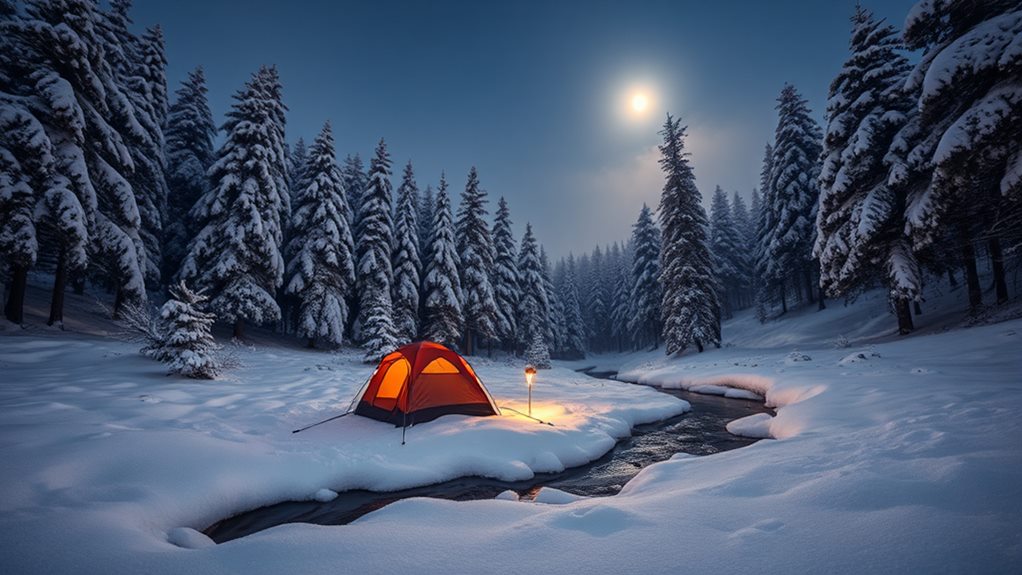
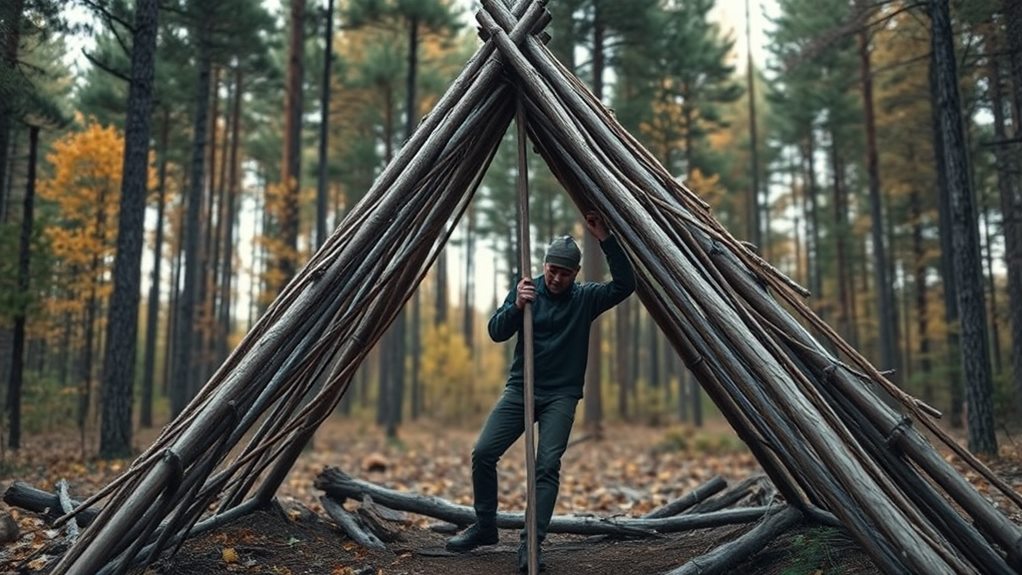
Smart campsite selection can make or break your battle against hypothermia. Let’s be real – picking the wrong spot could turn your camping trip into a miserable (or dangerous) experience. You’ve got to be strategic about this.
Here’s what you need to know:
- Always go for elevated locations. Cold air sinks, people! Don’t be that rookie who wakes up in a frost pocket because you picked the lowest spot in the valley.
- Find natural wind barriers. Trees, hills, rock formations – they’re your friends. Wind chill isn’t just uncomfortable; it’s a fast track to hypothermia.
- Stay away from water. Seriously. That babbling brook might sound peaceful, but it’s pumping moisture into the air and dropping temperatures faster than your camping dreams.
Remember: you’ll want to keep at least 200 feet between you and trails or other campers. It’s not just about being antisocial – it’s about safety and environmental impact. And don’t get too cozy in one spot. Weather conditions can change fast, so be ready to move if storms are heading your way. Your survival might depend on it.
Proper Layering Techniques
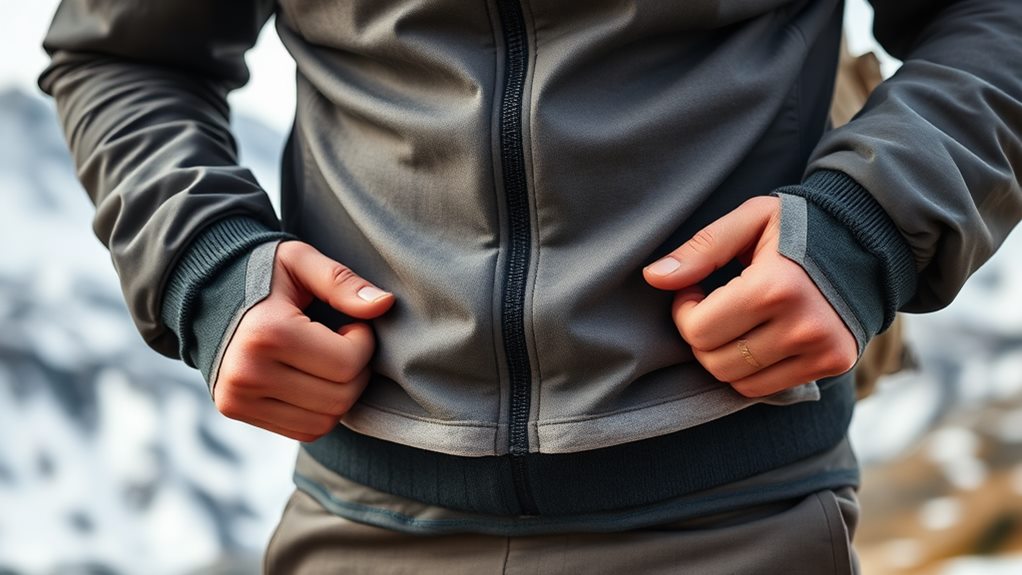
Staying warm out in the wilderness comes down to mastering the art of layering. If you think your old cotton hoodie will cut it, think again. Proper layering techniques can literally save your life when temperatures plummet, and yes, hypothermia is a real threat – even for weekend warriors like you.
Here’s what you need to know about layering clothing:
- Start with moisture-wicking materials against your skin. Synthetic fibers or wool – no exceptions. Cotton is your enemy out there, so don’t even think about it.
- Your insulating middle layer is your best friend. Fleece or down will trap that precious body heat where you need it most.
- Top it all off with a waterproof and windproof outer shell. Because getting wet equals rapid heat loss, and nobody’s got time for that.
The beauty of proper layering? You can adjust as needed. Too hot during that uphill hike? Shed a layer. Getting chilly at camp? Layer up. It’s not rocket science, but it requires smart cold-weather performance choices. Remember, your life could depend on these decisions. No pressure, right?
Recommended Products

Fair Trade Certified: We proudly produce one of the best winter jackets for men in a Fair Trade Certified facility. Building worker well-being into our product DNA.

Gamma MX Hoody: Our warmest Gamma softshell hoody

Gamma MX Hoody: Our warmest Gamma softshell hoody
Frequently Asked Questions
Why Is It Important to Know About Hypothermia?
You’ve got to know about hypothermia because it’s literally a matter of life and death. Understanding symptoms recognition and prevention strategies could save your life – or someone else’s. It’s not just about wearing warm clothes; it’s about proper layering techniques, maintaining body heat, and having the right gear. Plus, you need solid weather awareness and emergency plans. Smart first aid knowledge and hydration importance matter too. Don’t mess around with this stuff.
Can You Get Hypothermia Camping?
You bet you can get hypothermia camping – it’s scary how quickly it can hit! Even when it’s not freezing, you’re at risk if you’re not careful with your clothing layers and weather conditions. Signs include shivering and confusion. Prevention’s key: pack proper gear, stay hydrated, and keep dry. For campsite safety, always check forecasts and bring emergency supplies. And here’s the kicker – it’s not just a winter thing; it can strike in any season!
What Temperature Is Too Cold for Camping?
When camping, you’ll want to stay above 40°F unless you’ve got serious cold weather camping gear. But here’s the real deal – it’s not just about the temperature. You’ve got to factor in wind chill and moisture management too. With proper layering techniques and warmth retention strategies, you can safely camp in temps down to 20°F. Below that? You’d better be an expert with high-quality emergency preparedness, or you’re just asking for trouble.
Which Age Group Is at Highest Risk for Hypothermia?
While you might think young, active adults face the biggest hypothermia risk, it’s actually both ends of the age spectrum that are most vulnerable. Children aged 0-4 and adults over 65 top the risk list. Your kids lose body temperature fast due to less body fat, while elderly folks might not even realize they’re getting cold. Both groups need extra attention to clothing layers and environmental conditions. Don’t take chances – monitor them closely.