⚠️ Disclosure: This post contains Amazon affiliate links. We may earn a commission at no extra cost to you.
If you’re considering your first wild camping adventure, you’ll quickly discover it’s vastly different from traditional campground experiences. While the allure of untamed wilderness and complete solitude can be intoxicating, it is crucial to understand that proper preparation stands between an unforgettable experience and a potentially dangerous situation. You might think you’ve got the basics covered with a tent and sleeping bag, but there’s much more to successful wild camping than basic gear. Let’s explore three fundamental tips that experienced adventurers wish they’d known before their first overnight in the wilderness.


Key Takeaways
- Always share your camping location and expected return time with a trusted friend or family member.
- Pack essential navigation tools including maps, compass, and GPS device with spare batteries.
- Research local regulations and obtain necessary permits before setting up camp in your chosen location.
- Choose a campsite away from animal paths and near a reliable water source, scouting the area during daylight.
- Bring a comprehensive first-aid kit and know basic wilderness first aid procedures before your trip.
Location Research and Emergency Planning
Three key steps form the foundation of successful wild camping: thorough location research, legal verification, and emergency preparation.
Let’s be real – you can’t just pitch your tent anywhere. Start by pulling up Google Maps and Ordnance Survey maps to scout wild camping locations. Look for those sweet spots away from civilization, preferably near water sources. Trust me, you’ll thank yourself later. And please, don’t be that person who camps illegally. Check local regulations – Scotland’s pretty cool with it under their Outdoor Access Code, but other places? Not so much.
Before you get too excited:
- Scout your chosen spot in daylight – identify hazards, escape routes, the works
- Create a solid emergency plan (because stuff happens)
- Tell someone where you’re going and when you’ll be back
- Pack smart: lightweight first aid kit, whistle, portable power bank
Here’s the non-negotiable part: location research isn’t just about finding a pretty spot. It’s about survival, folks. Your phone might die. The weather might turn. Having a backup plan isn’t being paranoid – it’s being smart. No Instagram-worthy view is worth risking your safety.
Recommended Products

✅【DISCREET SURVIVAL】 The Stealth Tactical Bag's non-tactical appearance allows you to blend into urban environments, providing a crucial advantage in emergencies where discretion is key. This feature ensures your preparedness remains inconspicuous, protecting you and your supplies from unwanted attention.

COLOR-CODED ORGANIZATION SYSTEM: Built for 2 Person for a 3-Day Period, Organized in Re-sealable Waterproof Packs

Kit Contains: 1 - Honey Bucket w/Lid. 4 - 2400 Calorie Food Bars. 4 - Solar Blankets. 24 - Pouches of Waters. 4 - Dust Masks. 4 - Ponchos. 1 - 12 Pack of Liners. 6 - Wet Naps. 1 - 12 Hour Light Stick. 1 - T-5 Chemical Toilet Disinfectant. 1 - Roll 10 yards Duct Tape.
Essential Safety Equipment
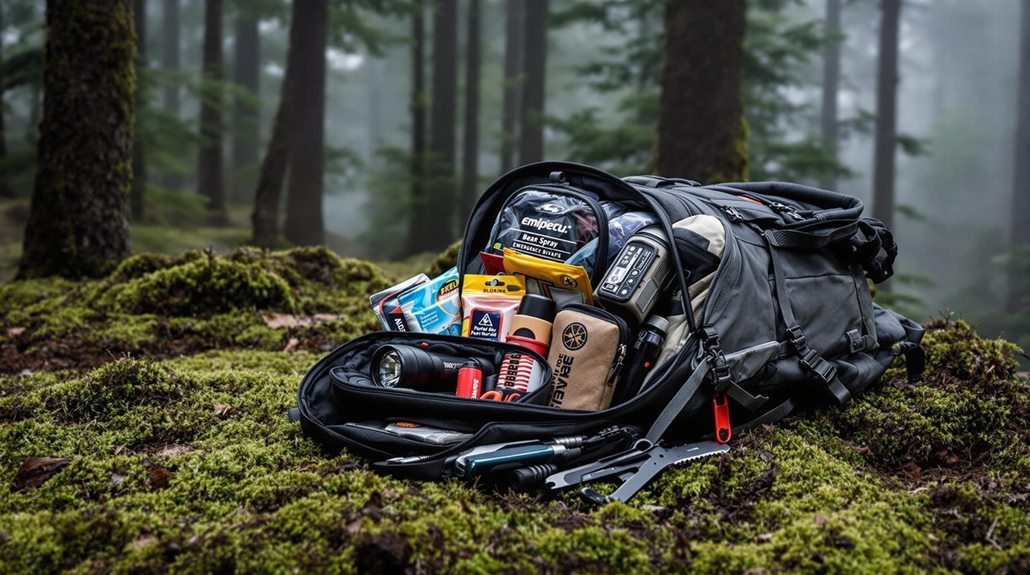
The right safety equipment can make the difference between a memorable adventure and a dangerous predicament. Let’s be real – nature doesn’t care about your Instagram photos. You need the right gear to stay safe out there.
First things first: Don’t even think about heading into the wilderness without these essentials:
- A fully charged power bank (because your phone dying in the middle of nowhere? Not fun.)
- A thorough first-aid kit (trust me, you’ll thank me later)
- A reliable map and compass (GPS isn’t foolproof, folks)
- A whistle (the ultimate low-tech safety tool)
Here’s the thing – emergencies don’t announce themselves. You need to be ready. Keep your navigation tools accessible, not buried at the bottom of your pack. And please, for the love of common sense, inform someone about where you’re going. It’s not being dramatic; it’s being smart.
Remember: Your first-aid kit isn’t just for show. Make sure you know how to use everything in it. And that whistle? Three blasts to signal for help. Simple, effective, and it could save your life. No excuses – pack these items every single time.
Recommended Products

SURVIVAL KIT FOR EXTREME EMERGENCIES: This 72-hour survival kit bug out bag includes 291 pieces of essential gear to assist two adults during disasters, evacuation, or outdoor survival. Includes shelter, water filter, food, tools, first aid, hygiene, lighting, and a 45L emergency backpack. Ideal for preparedness at home, in a vehicle, or packed for grid-down scenarios.

Coast Guard Approved First Aid Kit: Coast Guard Approval #160.041/23/0 ensures this marine first aid kit meets rigorous maritime safety standards

Pro Series Design: Equipped with hospital-quality tools, this professional first aid kit ensures preparedness for backcountry emergencies
Weather and Wildlife Awareness

Having the right safety gear is only half the battle – Mother Nature calls the shots when you’re in the wild. Before you even think about pitching that tent, check reliable weather forecasts. Trust me, getting caught in an unexpected storm isn’t anyone’s idea of fun.
Let’s talk wildlife – they’re not your cute Disney friends. You’re in their territory now. Here’s what you absolutely must do:
- Choose your camping location wisely – stay away from animal paths and known habitats
- Follow local regulations (they exist for a reason, folks)
- Secure your food properly (unless you fancy a midnight bear visit)
- Keep that first-aid kit handy – wildlife encounters can get messy
Planning ahead is essential. Know what creatures call your camping area home. Bears? Snakes? Lovely. Learn their habits and how to avoid them. It’s basic survival stuff, really.
Don’t get cocky about safety. Mother Nature doesn’t care about your Instagram shots or camping experience. Weather can turn nasty in minutes, and wildlife doesn’t schedule appointments. Stay alert, respect the environment, and always – ALWAYS – have a backup plan.
Recommended Products

Comprehensive Emergency Kit: Includes adhesive plastic bandages, triple antibiotic ointments, BZK antiseptic towelettes, gauze roll and pads, gloves, scissors, tweezers, and other multi-use first aid items including a 4-ounce eye wash

SURVIVAL KIT FOR EMERGENCY SITUATIONS: This 48-hour survival kit includes 228 pieces of camping gear to prepare for disasters, travel disruptions, or outdoor emergencies; includes shelter, tools, nutrition, hydration, lighting, first aid, and one backpack. Built for emergency preparedness at home, on the road, or packed with your camper essentials.

Coast Guard Approved First Aid Kit: Coast Guard Approval #160.041/23/0 ensures this marine first aid kit meets rigorous maritime safety standards
Frequently Asked Questions
What Is the Number One Rule of Wild Camping?
You’d think the number one rule would be “don’t get eaten by bears,” but surprisingly, it’s Leave No Trace. When you’re wild camping, you’ve got to treat nature like your grandmother’s pristine living room – leave it exactly as you found it, or better. That means packing out all your trash, minimizing your impact, and being a responsible steward of the land. It’s not just a rule, it’s your ticket to preserving these wild spaces for future adventures.
How Do You Go to the Toilet When Wild Camping?
When nature calls in the wild, you’ll need proper toilet solutions. Find a spot at least 50m from water sources and dig a 15-20cm hole using a trowel for waste disposal. Pack biodegradable bags for used toilet paper – no excuses! For privacy considerations, seek natural locations behind bushes or rocks. Don’t forget hand sanitizer for hygiene practices. If digging isn’t possible, portable toilets are your friend. Planning ahead means less environmental impact and better campsite etiquette.
Why Is Stealth Camping Illegal?
you can’t just pitch your tent wherever you want! It’s a mess of legal consequences when you’re trespassing on private property or breaking campsite regulations on public land. You’ll face hefty fines or worse. Plus, there’s the environmental impact – you might damage local ecosystems. Safety concerns and noise restrictions exist for good reason. Local laws and ethical considerations protect both landowners and nature. Think before you stealth!
What Should You Take for Wild Camping?
For wild camping, you’ll need essential camping gear like a lightweight tent, sleeping bag, and camping mat. Don’t forget food supplies and a reliable water purification system – you can’t just drink from streams! Pack safety measures including first aid kit, fire-starting tools, and navigation tools (map/compass). Be smart with weather preparation – check forecasts and pack accordingly. Stay wildlife aware by storing food properly. And seriously, don’t skimp on shelter options – comfort matters!