⚠️ Disclosure: This post contains Amazon affiliate links. We may earn a commission at no extra cost to you.
Like Goldilocks stumbling upon the bears’ cottage, we’ve all found ourselves in unfamiliar territory when camping in national parks. We’re here to guide you through the essential food storage rules that apply in these protected areas. It’s not just about keeping our snacks safe; it’s about preserving the delicate balance between humans and wildlife. From bear-resistant containers to park-specific regulations, there’s a lot to reflect upon. But why are these rules so important, and what happens if we don’t follow them? Let’s explore the ins and outs of proper food storage in our cherished national parks.
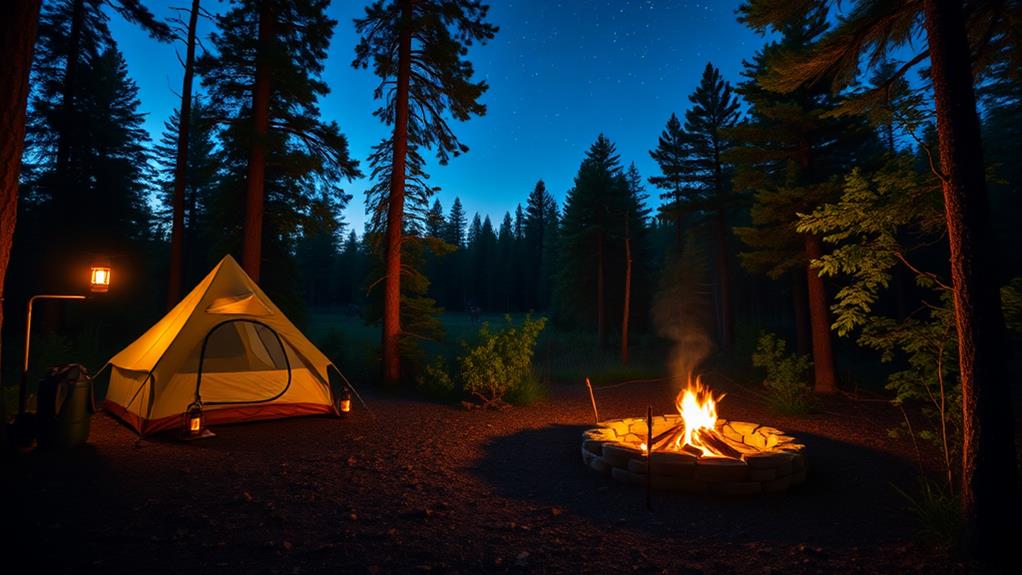

Key Takeaways
- All food, trash, and scented items must be stored in bear-resistant containers or lockers.
- Containers should be locked and kept at least 100 feet from sleeping areas.
- Bear-resistant containers are mandatory in many national parks, especially for backcountry camping.
- Park-specific rules may vary, with some requiring bear boxes or allowing sealed storage in RVs.
- Non-compliance with food storage regulations can result in fines or eviction from the park.
General Food Storage Guidelines
When camping in America’s national parks, we’ve got to be smart about our food storage. Trust us, we’ve learned the hard way! Proper food storage isn’t just about keeping our snacks safe; it’s about protecting wildlife and ourselves. Remember that time we forgot to secure our cooler? Let’s just say we had an unexpected bear visitor!
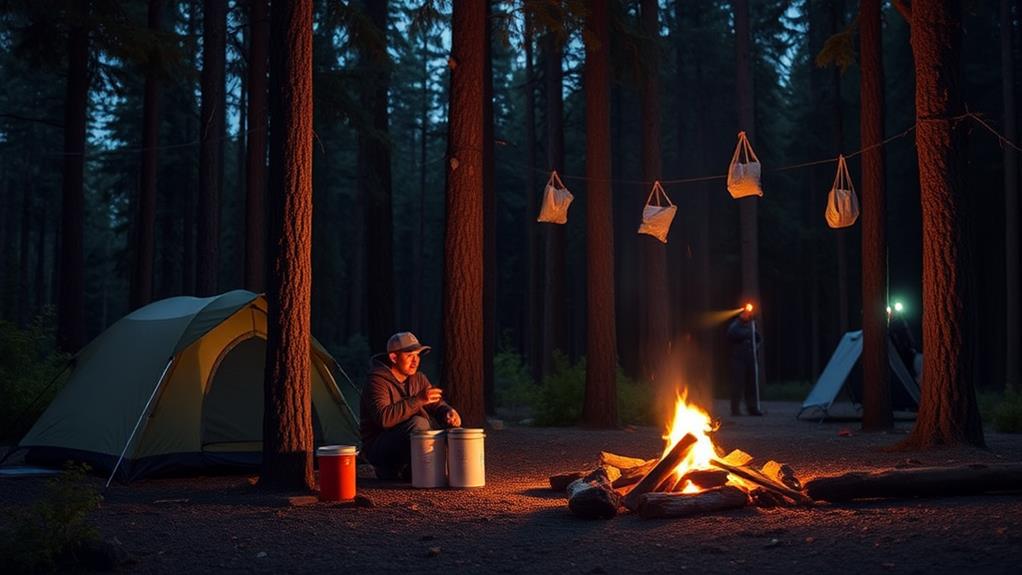
Now, here’s the deal: all our food, trash, and even scented items need to go in bear-resistant containers. These bad boys should be locked up tight and kept at least 100 feet from where we’re sleeping. It’s not just a suggestion – it’s the law in national parks. Got medication or toiletries? Yep, those need to be properly stored too. Breaking these regulations could mean hefty fines or even getting kicked out of the park. So, let’s play it safe and follow the rules, okay?
Bear-Resistant Containers
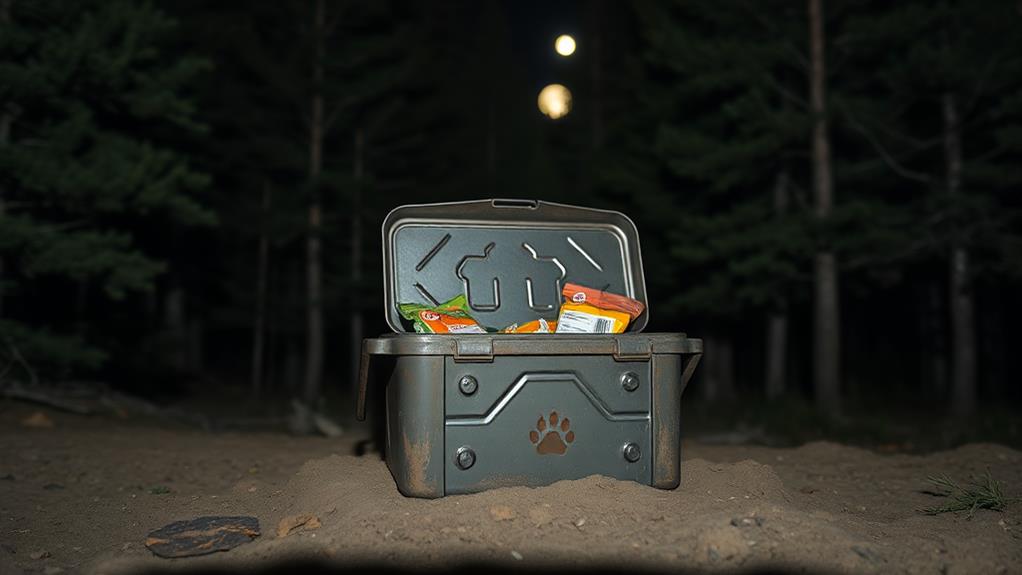
Campers, listen up! We’ve all heard about bears getting into food and garbage at National Parks, right? Well, that’s where bear-resistant containers come in handy. These tough guys are approved by the experts and are a must-have in many parks. Trust us, we’ve learned the hard way!
Whether you’re in the frontcountry or backcountry, food storage regulations can vary. But here’s the deal: all your grub and scented items need to fit in these containers. Can’t squeeze it all in? No worries! You’ll need to hang it up or use those bear-proof lockers.
Recommended Products

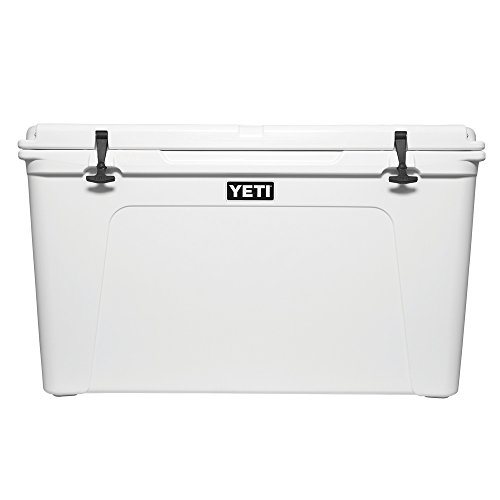
The YETI Tundra 210 is our deepest outdoor cooler, lets you haul a mighty load of food or drinks without taking up too much space
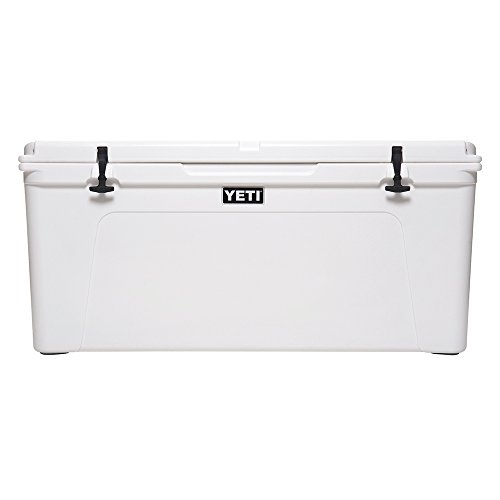
The YETI Tundra 160 is designed for those guys and gals who are in the field or on a boat season after season, for whom ordinary coolers just won’t cut it. Durable? You bet.
Campground Storage Regulations
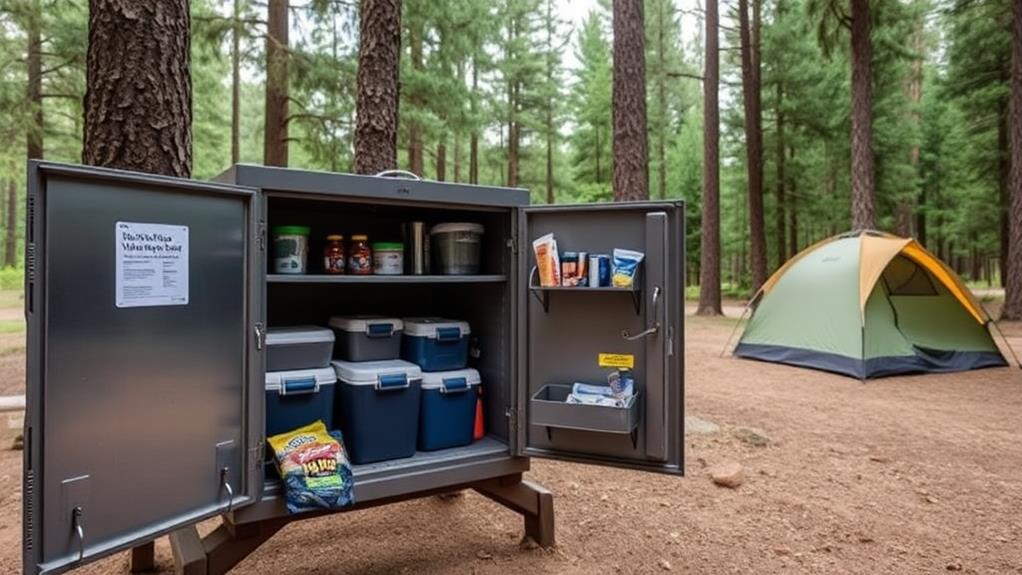
Now that we’ve covered bear-resistant containers, let’s talk about the nitty-gritty of campground storage regulations. When we’re camping in National Parks, we’ve got to play by the rules to keep our food safe and wildlife wild. Here’s a quick rundown:
| Regulation | What it Means for Us |
|---|---|
| All food must be secured | No midnight snacks left out |
| Bear-resistant containers required | Our grub stays locked up tight |
| Proper hanging techniques | If we’re not using containers |
| Non-compliance = penalties | Let’s avoid fines and eviction |
Recommended Products

Adjustable Size for 1–4+ Day Trips: Expands and collapses as your food supply changes, reducing wasted space in your pack. The center access and optional divider help you stay organized out on the trail.

Protects your food and protects the bears

Every ounce matters! The BV500 excels as a high volume, lightweight bear barrel for backpacking. The most spacious choice of bear canister for backpacking ultralight style, pack food for 7 plus days.
Backcountry Food Protection Methods
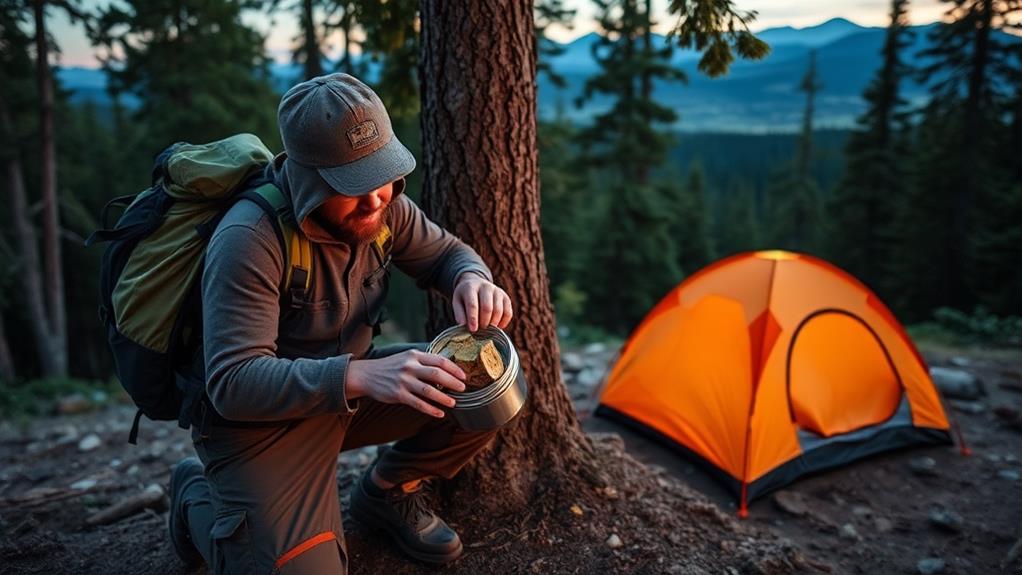
As we venture into the backcountry, protecting our food becomes even more vital. We’ve learned the hard way that proper food storage is essential for keeping bears and other wildlife away from our campsites. In many parks you plan to visit, bear canisters are a must-have from June to November. These bear-resistant containers are our best friends when it comes to safeguarding our food sources.
Recommended Products

KITCHEN CANISTERS COUNTERTOP - Decorative stoneware jars designed to fit seamlessly with your kitchen motif while also keeping cooking and baking supplies easily accessible

Keep your food safe from wild animals

[Trustworthy Material] Crafted from ultra-durable, high-strength PVC, our bear canister for backpacking is engineered to withstand even the most aggressive encounters. Its rugged design resists impacts, scratches, and bear claws, ensuring your food and gear stay securely protected—no matter how hard a bear tries to break in.It can also serve as a temporary stool when you're tired
Consequences of Improper Storage
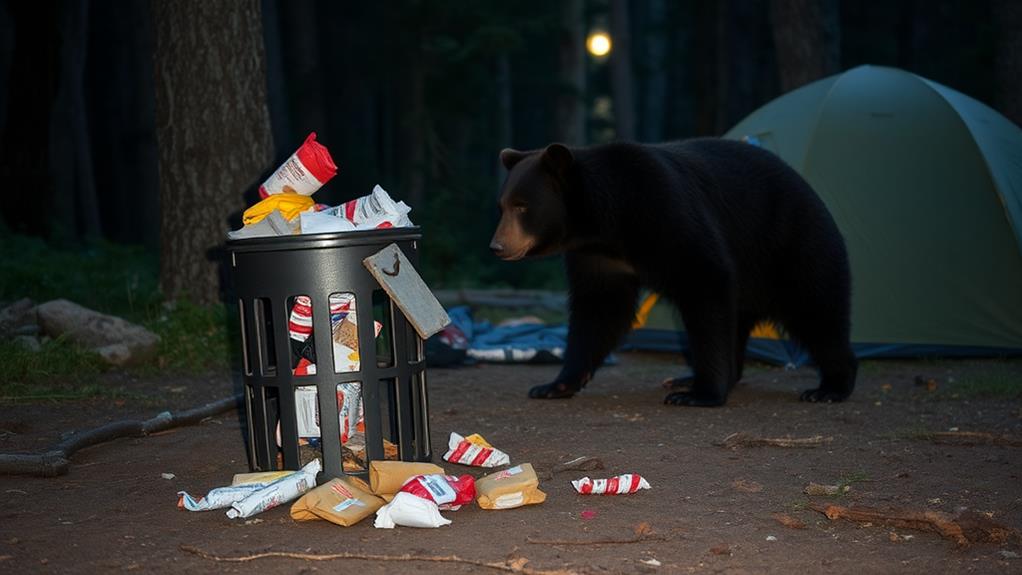
Failing to properly store food in national parks can lead to severe consequences for both wildlife and visitors. We’ve all been tempted to leave that cooler out overnight, but trust us, it’s not worth the risk! Bears that get a taste for human food become dangerously habituated, often leading to their euthanization. Plus, you might face hefty penalties for violating food storage rules. Remember that time we forgot to use our bear-resistant container? We spent the night worrying about every rustle outside our tent!
But it’s not just about us campers. Improper storage impacts the entire ecosystem. From increased bear activity to ecological impacts on other wildlife, our carelessness can have far-reaching effects. So, let’s do our part to keep the parks wild and safe. How? By always following proper food storage practices, of course!
Wildlife-Friendly Camping Practices
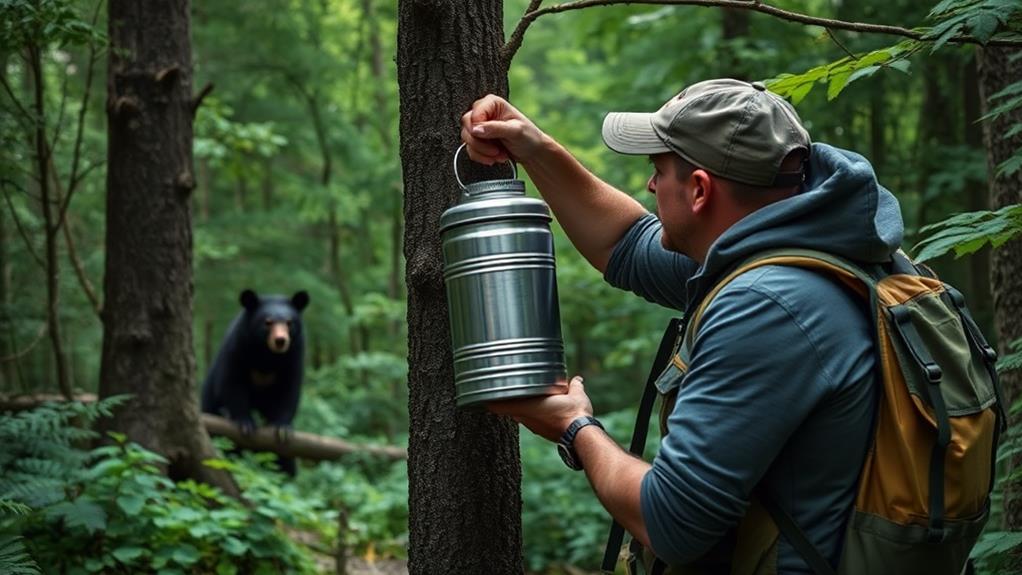
Three key practices form the foundation of wildlife-friendly camping in national parks. First, we’ve got to master proper food storage. Those bear-resistant containers aren’t just for show, folks! They’re our best defense against curious critters. Second, we need to keep our campsites clean. Remember that time I left a granola bar wrapper in my tent? Big mistake! Always dispose of trash in designated dumpsters. Finally, we must educate ourselves on local wildlife behavior. Each park has its own set of regulations, and it’s up to us to know them. By following these practices, we’re not just protecting ourselves, but also preserving the natural habitat of our furry neighbors. So, let’s embrace these rules and make our camping adventures both thrilling and responsible. Who’s ready to hit the trails?
Park-Specific Food Storage Rules
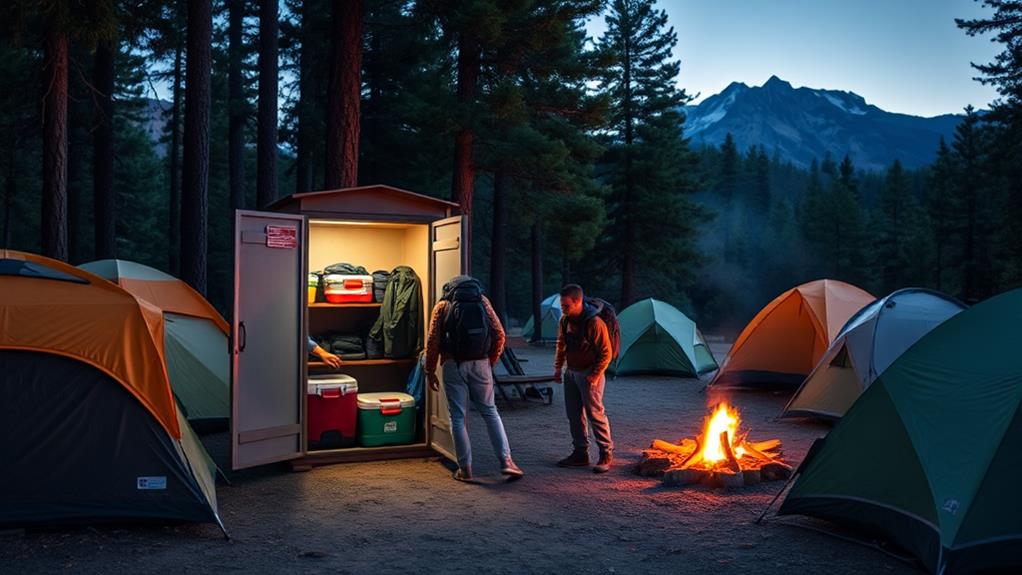
National parks across the country have their own unique set of food storage rules, and it’s essential we familiarize ourselves with them before setting up camp. Take Yosemite, for instance – they’re all about those bear boxes. But head over to Yellowstone, and you can keep your grub in your RV, as long as it’s sealed tight and out of sight. Remember our trip to Sequoia? Those food lockers were a must-use, no exceptions! And if you’re planning a backcountry adventure in North Cascades, don’t forget your bear-resistant canister from June to November. These guidelines aren’t just for show – they’re vital for wildlife protection and our safety. So, let’s make sure we comply with each park’s rules. After all, we’re guests in these wild spaces, and it’s up to us to keep them wild!
Recommended Products

VOLUME: True 70 quart internal volume

VOLUME: True 50 quart internal volume

TOUGH AS A RHINO: A top-of-the-line trunk for summer camp & college dorm life. Handles 1500+ lbs. USA Made with 3/8" Birch plywood, embossed vinyl & professional grade steel hardware. Comes assembled.
Scented Items and Attractants
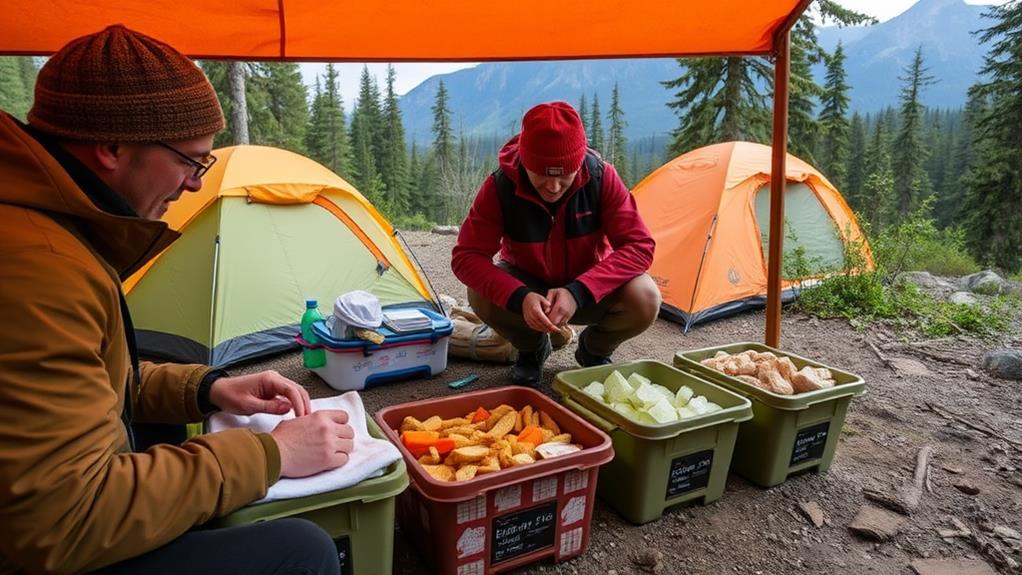
When it comes to scented items and attractants, we’ve got to think beyond just food. Bears have an incredible sense of smell, and they’re not picky eaters. That’s why we need to be extra careful with our toiletries, medications, and even cosmetics. These scented items can attract bears just as much as our snacks!
Here’s a quick guide to keep in mind:
| Item Type | Storage Method |
|---|---|
| Food | Bear-resistant container |
| Toiletries | Bear-resistant locker |
| Coolers | Out of sight |
| Grills | Secured away |
Recommended Products

Sturdy & Durable:This orange metal locker storage cabinet is made of high-quality metal, which is strong and stable, and can bear up to 480 lbs,120 lbs each tier,And the adjustable foot pads make it more stable on uneven ground.Vibrant color brings vitality to your home and family

Sturdy Steel Build: This black metal sideboard is constructed with a reinforced steel frame, and each shelf can bear up to 50 pounds—perfect for placing heavy kitchen appliances like mixers, blenders, or stacked dinnerware sets. The sturdy steel structure resists deformation, ensuring long-term stability, making it an ideal choice for storing dining essentials and large cookware.

【Enlarge Storage Space 】 - The bathroom wall cabinet can add extra storage space to any bathroom, which helps you organize all daily necessities. With adjustable shelf available in 3-height, you can store different size items.
Frequently Asked Questions
What Are the 5 Guidelines for Food Storage?
Let’s keep our grub safe and wildlife wild! We’ll use bear-proof containers, practice campsite hygiene, cook away from tents, dispose of waste properly, and store food 100 feet from sleeping areas. It’s all about freedom and respect!
How to Store Food When Camping in Bear Country?
Want to stay safe in bear country? We’ll use bear-proof containers and odor-proof bags for our grub. Let’s master food hanging techniques, keep our campsite clean, and cook away from sleeping areas. Freedom comes with smart wildlife safety measures!
Can I Leave Food in My Car in Yellowstone?
Yes, we can leave food in our cars in Yellowstone, but let’s be smart about it. We’ll keep it out of sight, windows closed, and use proper food containers. It’s all about balancing our freedom with wildlife safety and park regulations.
Can Bears Smell Unopened Cans?
Let’s imagine a bear’s nose, sniffing the air. Yes, bears can smell unopened cans! Their incredible senses make food safety essential. To avoid wildlife encounters, we must use bear-proof containers and practice odor prevention during our wild adventures.