⚠️ Disclosure: This post contains Amazon affiliate links. We may earn a commission at no extra cost to you.
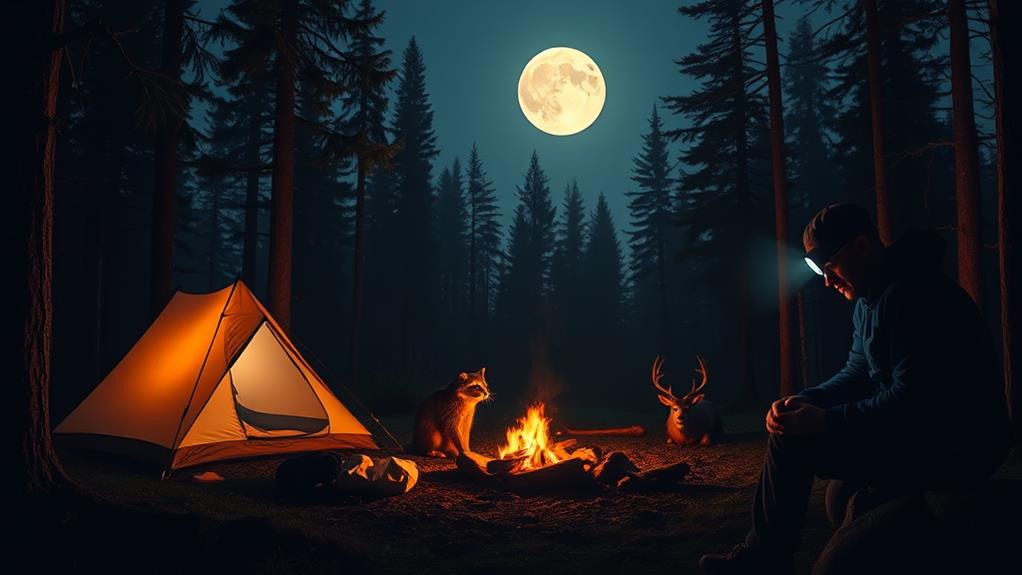
We’ve all experienced those unexpected “wildlife encounters” while camping, but let’s face it, they’re not always as thrilling as we might hope. That’s why organizing campsites for wildlife safety and harmony is more than just a good idea—it’s essential. We’re not just protecting ourselves; we’re safeguarding the very creatures that make our outdoor adventures so special. By implementing thoughtful campsite practices, we’re creating a delicate balance between human enjoyment and wildlife preservation. But how exactly do we achieve this harmony, and what are the long-term benefits for both campers and animals? The answers might surprise you.

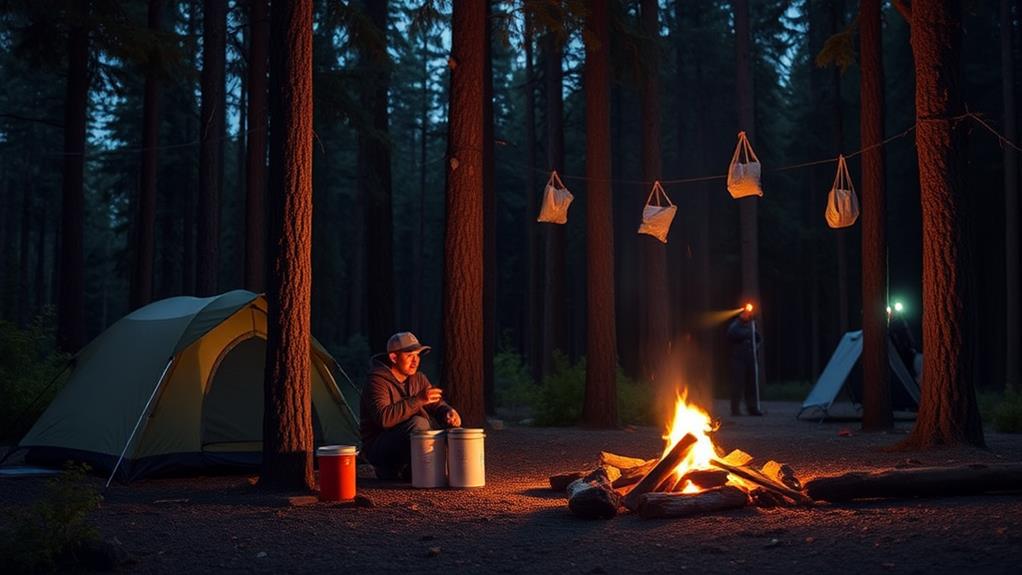
Key Takeaways
- Proper campsite organization minimizes human-wildlife conflicts and promotes coexistence.
- Well-organized campsites reduce attractants that can lure wildlife into potentially dangerous encounters.
- Structured camping areas help preserve natural habitats and wildlife behavior patterns.
- Organized campsites facilitate easier implementation of Leave No Trace principles.
- Thoughtful campsite layout promotes wildlife safety while enhancing the overall camping experience.
Proper Food Storage Techniques
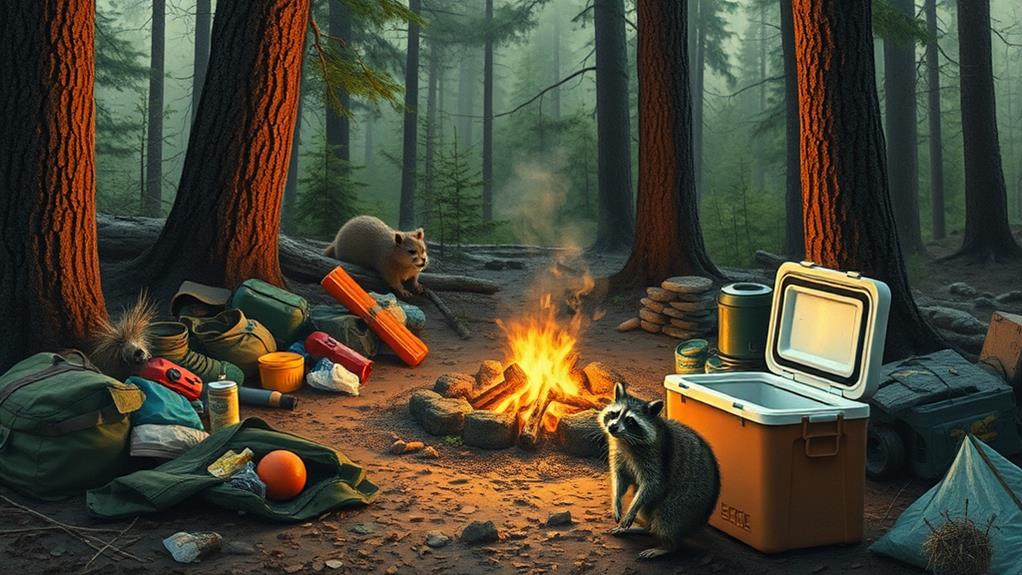
Almost every camper knows that proper food storage is essential for wildlife safety. But let’s face it, we’ve all been tempted to leave that half-eaten granola bar in our tent, right? As responsible campers, we’ve got to resist that urge! To minimize odors and prevent wildlife encounters, we need to use bear-proof containers or hang our food high and away from camp. Remember, it’s not just about our safety; it’s about preserving the natural camping environment for everyone.
Here’s a pro tip: Keep your cooking area far from where you sleep, and always clean those cooking utensils thoroughly. No food scraps left behind! And when it’s time to pack up, use designated dumpsters or take your trash with you. By following these simple steps, we’re not just avoiding bears – we’re becoming true stewards of the wilderness!
Recommended Products

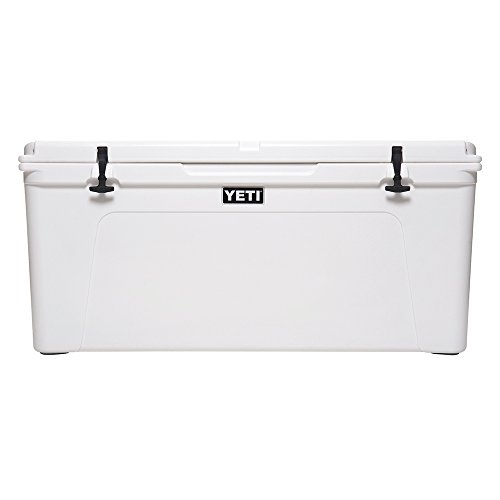
The YETI Tundra 160 is designed for those guys and gals who are in the field or on a boat season after season, for whom ordinary coolers just won’t cut it. Durable? You bet.

KIT INCLUDES - 2 Paintable Roof Tape 4'' x 25' with Roller, 4 x 10oz Tubes of Self Leveling Caulking Lap Sealant, 1 x 1G Roof Cleaner and 2 x 1G & 4G Silicone Pail
Minimizing Scent Attractions
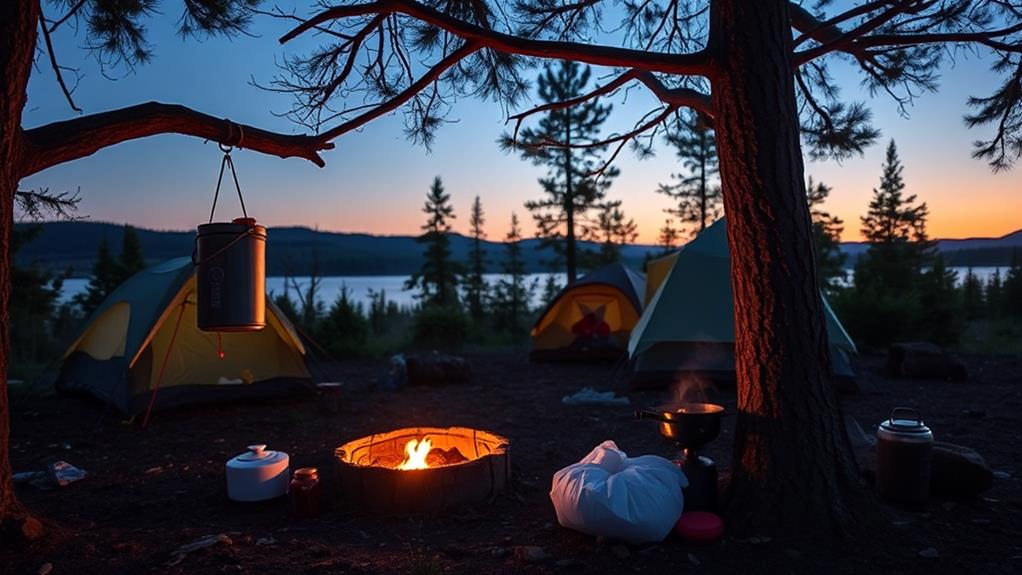
How can we keep our campsites from becoming wildlife magnets? It’s all about minimizing scent attractions, folks! We’ve got to be smart about our food storage and waste disposal to maintain a safe distance from our furry neighbors. Let’s start by using airtight containers to reduce scent emissions – it’s like putting our grub in a smell-proof vault! Remember when I accidentally left a bag of chips open? Big mistake! Now, we always use odor-proof bags for trash and dispose of waste in designated bear-proof dumpsters. Here’s a pro tip: keep your cooking area at least 100 yards from where you sleep. This’ll limit scent trails and prevent attracting animals to your tent. And why not try cooking with minimal odors? Pre-packaged meals or no-cook options can be a game-changer for wildlife safety!
Recommended Products

About Shelves: Our storage shed built-in shelves are required to buy separately. Please slide down to the bottom of the product detail page and click on the link to purchase


【Eco-friendly Materials】Made of P2 grade MDF board with a polished, the freestanding kitchen tilt-out trash can features good crimple resistance and not easy deformation. A formaldehyde-free recycling cabinet can be safely adapted to any place you live: kitchen, laundry room, bedroom,living room, balcony, dorm room, etc.
Creating Wildlife-Safe Camping Zones
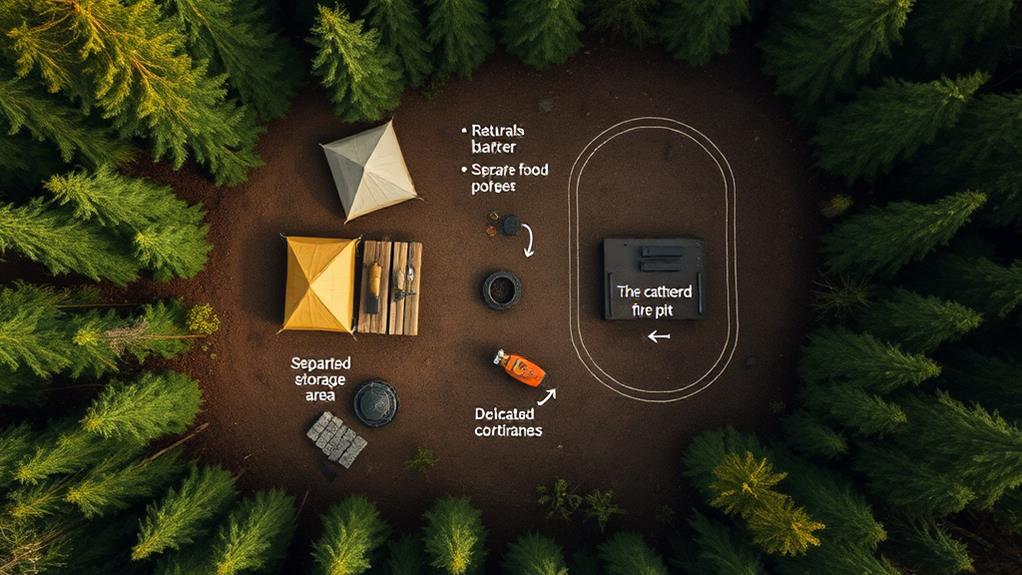
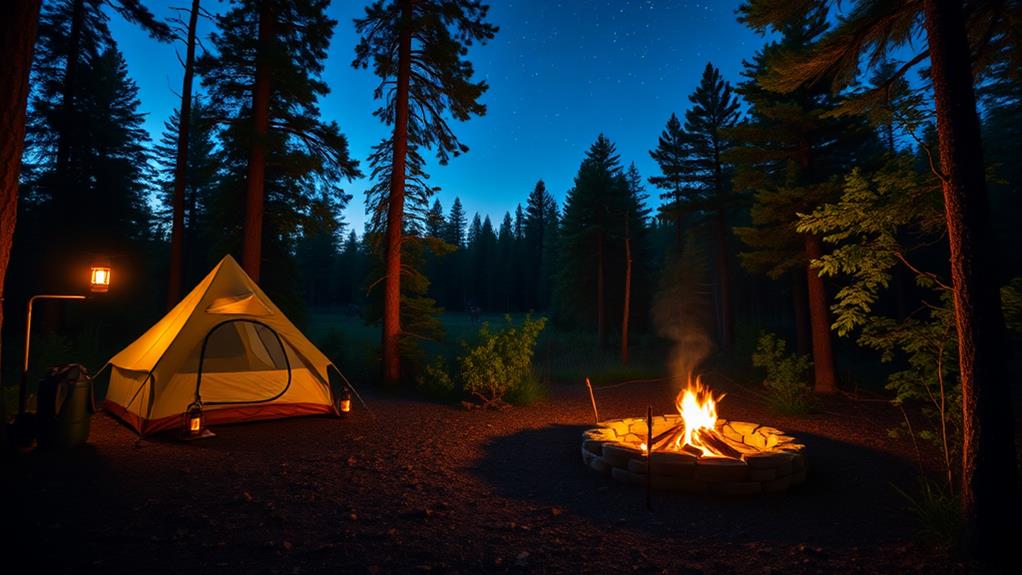
Now that we’ve tackled scent control, let’s focus on creating wildlife-safe camping zones. We’re all about freedom in nature, but we’ve got to be smart about it! Here’s how we can promote responsible camping and keep wildlife at a safe distance:
- Set up designated cooking areas away from our sleeping spots
- Use bear-proof containers for secure food storage
- Create clear boundaries with visual markers for different camp activities
- Practice proper waste disposal and leave no trace principles
Recommended Products

The YETI Tundra 65 is just as adept at keeping your catches cold in the field as it is storing the drinks and food for your backyard barbecue, this ice chest is plenty roomy, holding a limit of redfish or your prized brisket

KIT INCLUDES - 2 Paintable Roof Tape 4'' x 25' with Roller, 4 x 10oz Tubes of Self Leveling Caulking Lap Sealant, 1G Roof Cleaner and 1G & 4G Silicone Pail
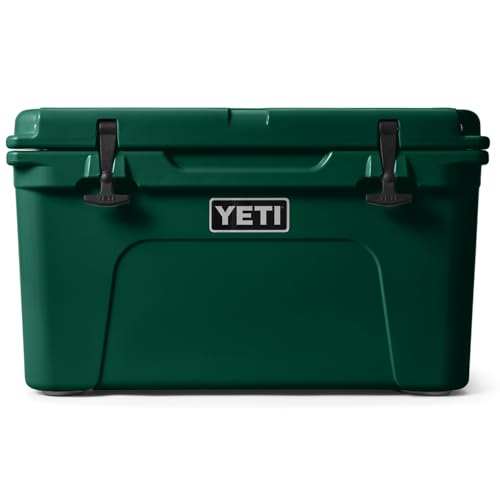
The YETI Tundra 45 combines versatility with durability with a capacity of up to 26 cans with a recommended 2:1 ice-to-contents ratio
Responsible Waste Management
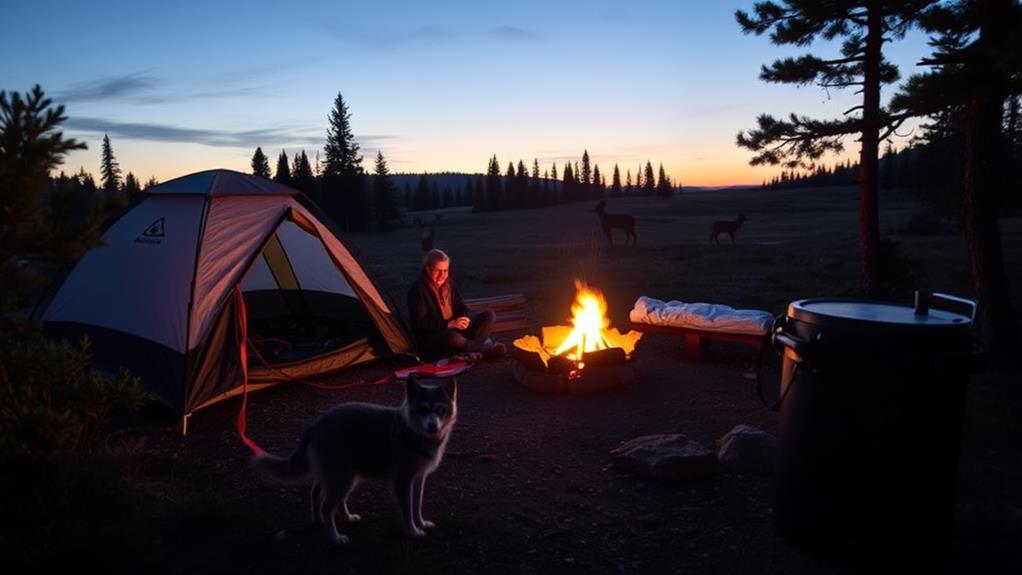
Let’s tackle responsible waste management, the unsung hero of wildlife-safe camping. We’ve all been there – that moment when we realize we’ve forgotten to properly store our food, and suddenly, we’re faced with unwanted furry visitors. But fear not! By following Leave No Trace principles and using designated trash receptacles, we can keep our campsites clean and wildlife-safe.
Here’s a quick guide to responsible camping:
| Action | Why | How |
|---|---|---|
| Store food | Prevents attracting animals | Bear-proof containers |
| Dispose trash | Maintains clean campsite | Pack out all waste |
| Compost | Reduces odors | Away from campsite |
Recommended Products
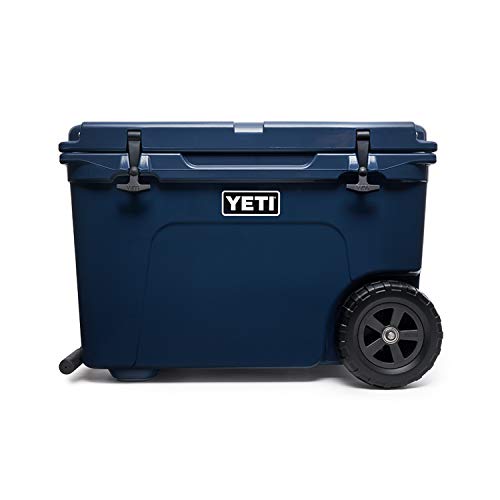
The Haul is the first-ever YETI cooler on wheels. Perfect for taking the Tundra's legendary toughness and unmatched insulation power the extra mile

KIT INCLUDES - 1 Reapir Seam Tape 4'' x 25' with Roller, 4 x 10oz Tubes of Self Leveling Caulking Lap Sealant, 1G Roof Cleaner and 1 4G Silicone Pail

MEET USFS AND INTER-AGENCY GRIZZLY BEAR COMMITTEE REQUIREMENTS - These panniers meet USFS and Interagency Grizzly Bear Committee (IGBC) requirements for bear-resistance on state and federal lands, and have been approved for use as bear resistant containers for all National Parks, including Sequoia and Kings Canyon National Parks and Yosemite National Park.
Wildlife-Friendly Campfire Practices
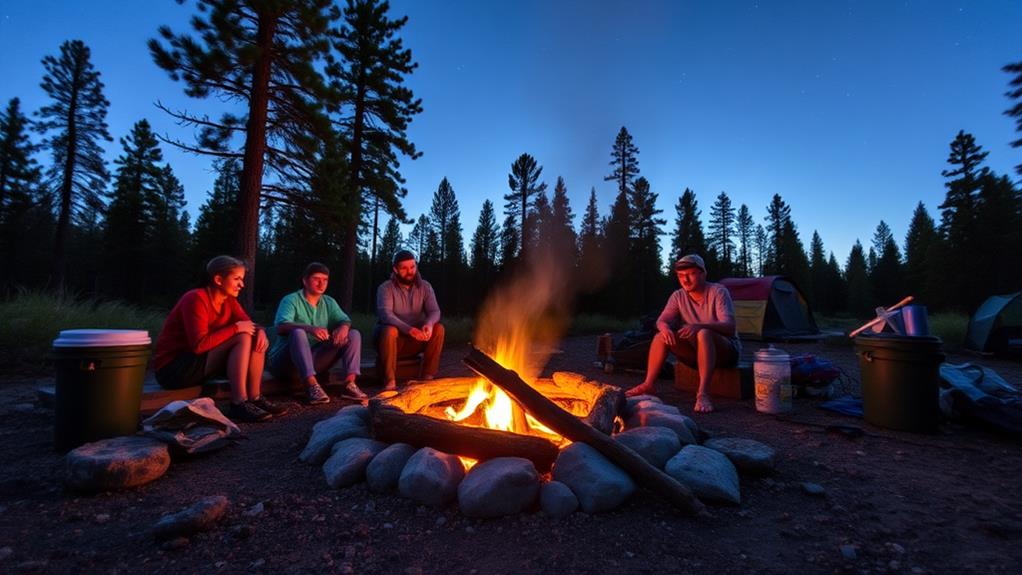
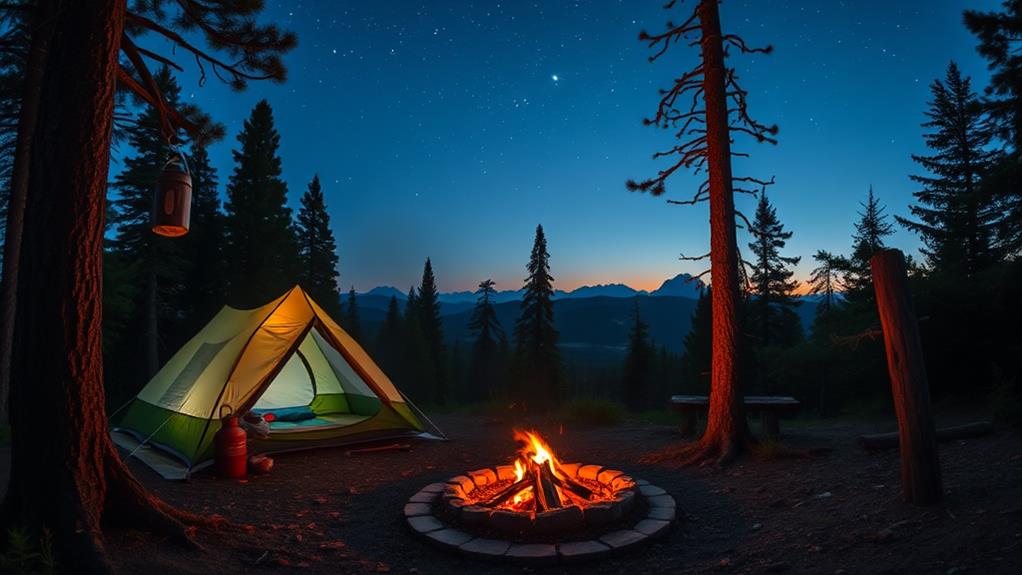
With our campsites clean and wildlife-friendly, it’s time to gather ’round the campfire. Let’s talk about how we can enjoy this quintessential camping experience while preserving our wild surroundings. Remember, we’re guests in nature’s home, so it’s up to us to minimize our impact.
Here are four key practices to keep in mind:
- Use designated fire rings to contain our campfires
- Fully extinguish fires before bed or leaving
- Avoid burning treated wood or plastics
- Keep cooking areas clean and free of food scraps
Recommended Products

【EXTREME PROTECTION】-WZQH Leather Animal Handling Gloves are made from 1.2mm thick shoulder split natural cowhide leather which is the Top Grain Leather.Reinforced double leather Finger Palms & Backs and high strength Kevlar sewing ,provide an excellent bite-proof function from small animal for your hands and Forearm. The 23.6 inches extra long glove protect your Fingers and Forearm from Animal bite, Cat scratch, Parrot grabbing, Eagle grabbing, Snake bite etc.

get Bear Smart Playing Cards
Quiet Camping for Animal Comfort
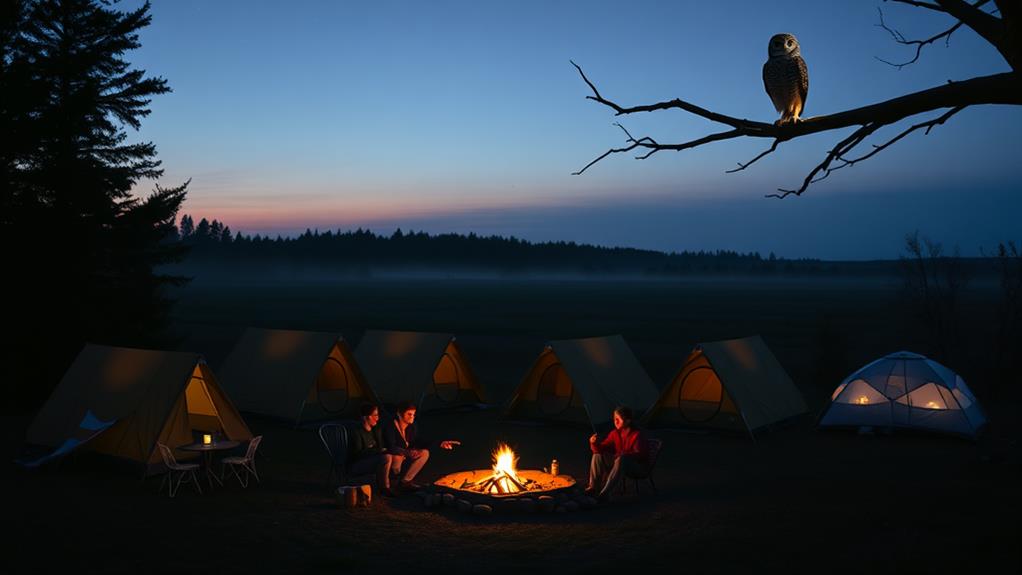
While enjoying the great outdoors, we mustn’t forget that we’re sharing the space with countless animals who call it home. That’s why quiet camping is essential for animal comfort and conservation. Have you ever noticed how peaceful a campsite feels during quiet hours? It’s not just for our benefit – wildlife thrives when we minimize sound pollution. By keeping noise levels low, we’re creating a respectful atmosphere that allows animals to go about their natural behaviors undisturbed. Trust me, I’ve seen firsthand how a noisy campsite can drive away curious critters. Let’s make our outdoor recreation a win-win for everyone by whispering, avoiding loud music, and embracing the tranquility of nature. Remember, a harmonious camping experience isn’t just about us – it’s about preserving natural habitats for generations to come.
Pets and Wildlife Interactions
Bringing pets along on camping trips can spice up our outdoor adventures, but we’ve got to be mindful of how they interact with wildlife. Let’s face it, our furry friends can be real troublemakers if we’re not careful! To keep everyone safe and happy, here’s what we need to do:
- Keep pets leashed at all times
- Clean up after our four-legged companions
- Vaccinate before hitting the trails
- Maintain a safe distance from wildlife
Leave No Trace Principles
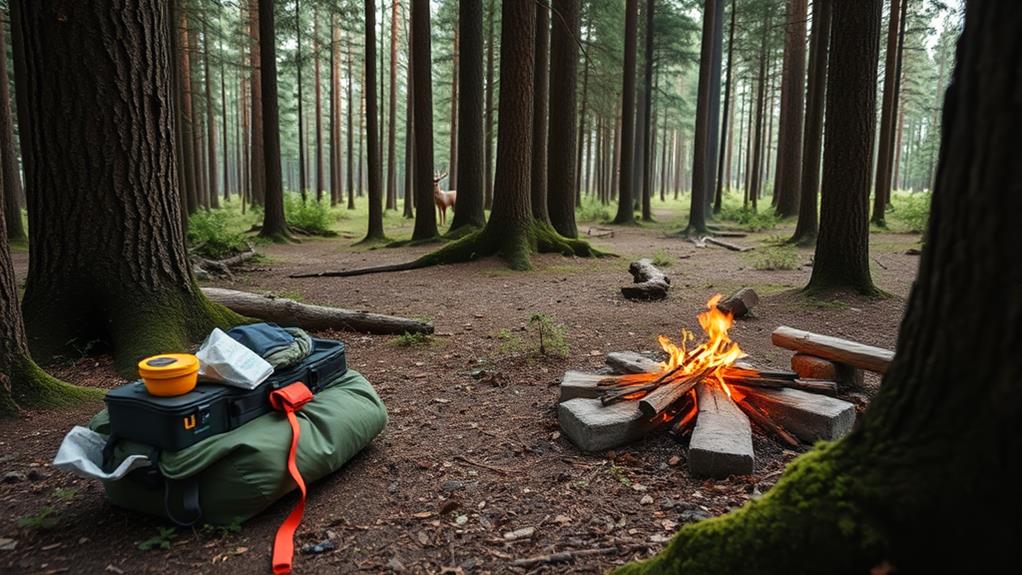
Just as we need to manage our pets in the wilderness, we’ve got to keep our own impact in check too. That’s where the leave no trace principles come in handy. These guidelines are essential for ensuring wildlife safety and preserving the natural beauty we all cherish. By practicing proper waste disposal and minimizing our impact, we’re doing our part to respect the natural environment.
Remember when we used to think it was cool to feed the squirrels? Well, now we understand better. It’s vital to observe wildlife from a distance and let them do their thing. Camping on durable surfaces? That’s a no-brainer for preventing erosion. Trust me, I’ve seen what happens when people ignore these rules. By following these principles, we contribute to the conservation of our favorite outdoor spots. Who’s ready to be a responsible camper?
Frequently Asked Questions
Why Is Camping Safety Important?
We prioritize camping safety to avoid wildlife encounters, guarantee proper campsite layout, and practice fire safety. It’s about respecting nature while protecting ourselves. Smart gear selection, eco-friendly practices, and first aid knowledge help us minimize our impact and stay prepared.
Why Is Planning for Camping Important?
We plan for camping to create an ideal campsite layout, minimize wildlife interaction, and practice sustainability. It’s about being prepared for emergencies, preserving habitats, and following local regulations. Planning empowers us to enjoy nature responsibly while maintaining ecological balance.
What Are the Environmental Impacts of Campgrounds?
We’ve gotta face it: our campgrounds can wreak havoc. From pollution and wildlife conflicts to habitat loss and soil erosion, we’re messing with nature’s balance. Water quality suffers, invasive species spread, and noise disturbs the wild. Let’s tread lightly, friends.
What Safety Precautions Should I Take While Camping?
Let’s tread lightly in nature’s domain. We’ll secure our food, respect campsite boundaries, and manage waste wisely. We’ll be fire-smart, stay alert for wildlife, keep noise down, and have emergency plans ready. Freedom comes with responsibility, fellow adventurers.