⚠️ Disclosure: This post contains Amazon affiliate links. We may earn a commission at no extra cost to you.
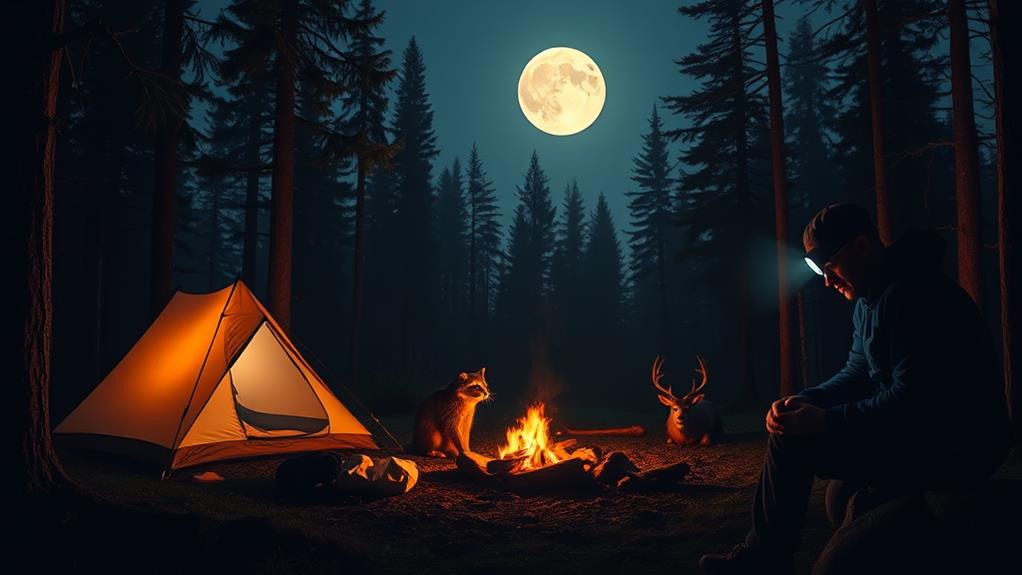
When we venture into the wild for a camping experience, we’re not just seeking adventure—we’re entering the domain of nocturnal creatures. While the thrill of nature is undeniable, it’s vital we prioritize our safety and respect the wildlife around us. We’ve compiled five essential tips for wild campers to guarantee a peaceful coexistence with nocturnal animals. These strategies aren’t just about avoiding danger; they’re about fostering a deeper connection with the natural world while maintaining a safe distance. As we explore these tips, you’ll discover how small adjustments to your camping routine can make a big difference in wildlife interactions.

Key Takeaways
- Choose a campsite away from wildlife trails, water sources, and natural food sources to minimize encounters.
- Store food and scented items in bear-proof containers at least 25-30 yards from sleeping areas.
- Use noise deterrents like tripwires with bells or high-decibel alarms to discourage wildlife approaches.
- Learn to identify common nocturnal animal sounds to better understand your surroundings at night.
- Develop and practice emergency response plans for potential wildlife encounters, including designated meeting points.
Choose a Wildlife-Free Campsite
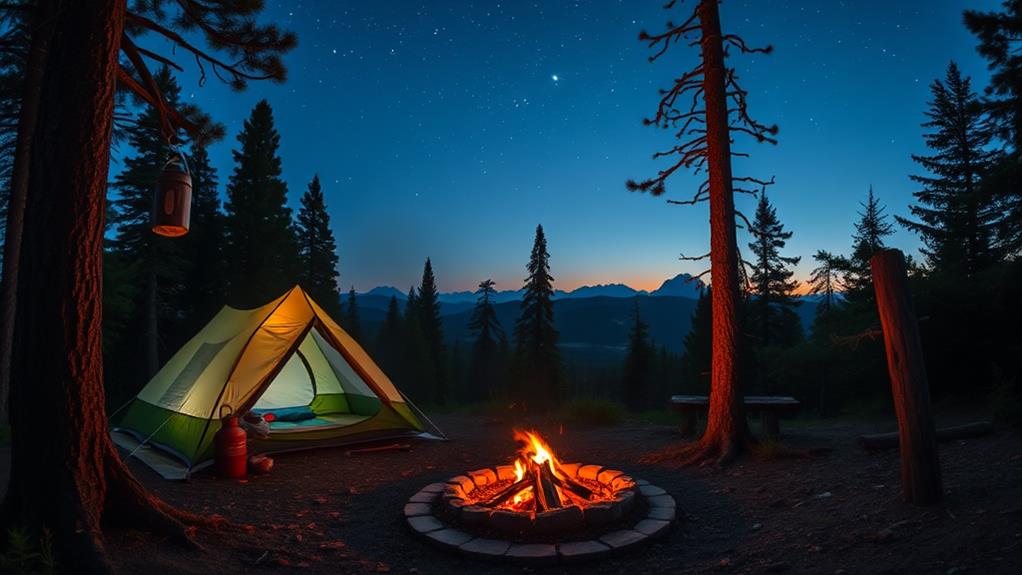
When choosing a campsite, we’ve got to think like nocturnal wildlife detectives. We’re not just camping; we’re on a mission to find the safest spot away from our furry neighbors. Let’s start by avoiding animal highways – those well-worn trails and areas with tracks or droppings. Trust me, we don’t want to set up shop in the middle of a wildlife rush hour!
Next, we’ll steer clear of nature’s buffets. Berry bushes and water sources? They’re like all-you-can-eat restaurants for animals. Instead, we’ll look for natural barriers like steep banks or rocky outcrops. These act as our camping area’s bodyguards against curious critters. Remember, responsible camping means respecting wildlife presence. By choosing wisely, we’re not just ensuring our safety but also minimizing our impact on nocturnal wildlife. It’s a win-win for freedom-loving campers and animals alike!
Recommended Products

PALACE-LIKE SPACE & UNMATCHED COMFORT: Experience the ultimate "From Home to Nature" luxury. With a massive 22FT (6.7M) diameter, this glamping tent boasts an expansive 2.5x4m central living room and side bedroom that comfortably accommodate 10-12 people. We revolutionized the classic bell tent design by raising the side walls to 29.5 inches (75cm) and the door height to 76.7 inches (195cm), completely eliminating the cramped feeling and allowing unhindered, upright movement throughout the cabin

Ultra-Slim & Lightweight Hardshell Roof Tent: Experience a new level of fuel efficiency and driving dynamics. Our tent's sleek, low-profile design significantly reduces wind resistance and weight, saving you money on gas and making it feel nearly invisible on the road
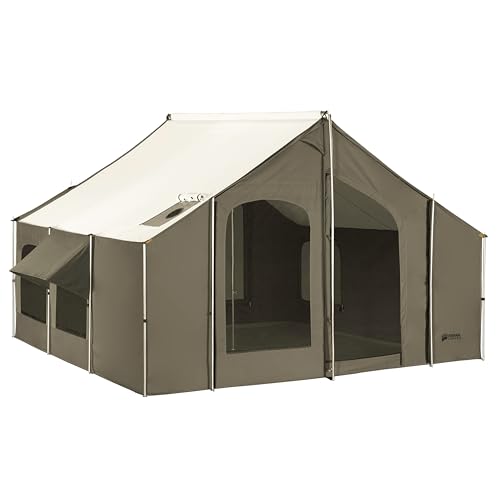
SPACIOUS DESIGN: Features 12x12 ft. tent space with 7.5 ft. peak ceiling height and vertical walls for stand-up, walk-around comfort, accommodating up to 8 people (4 when using a stove).
Secure Food and Scented Items
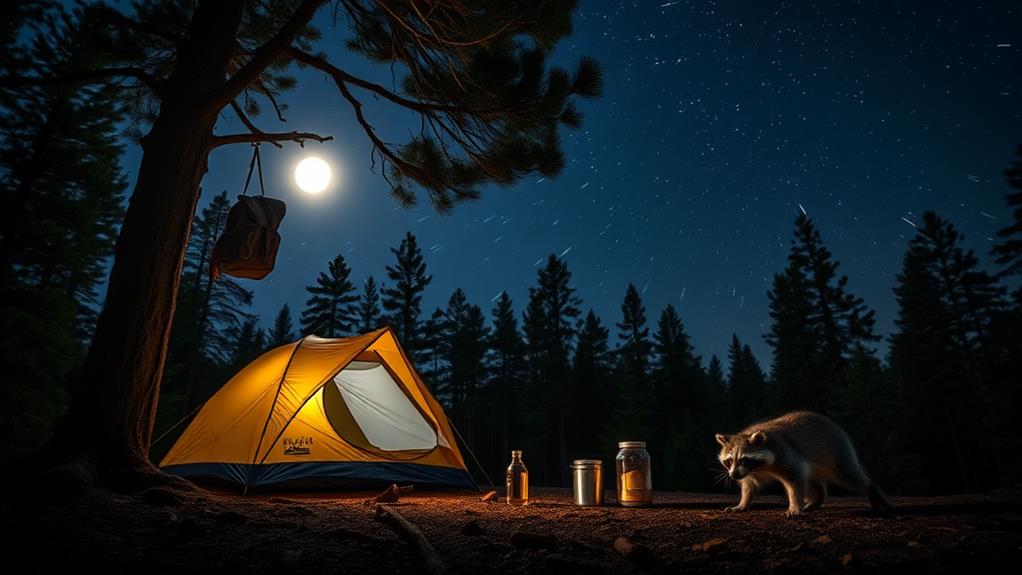
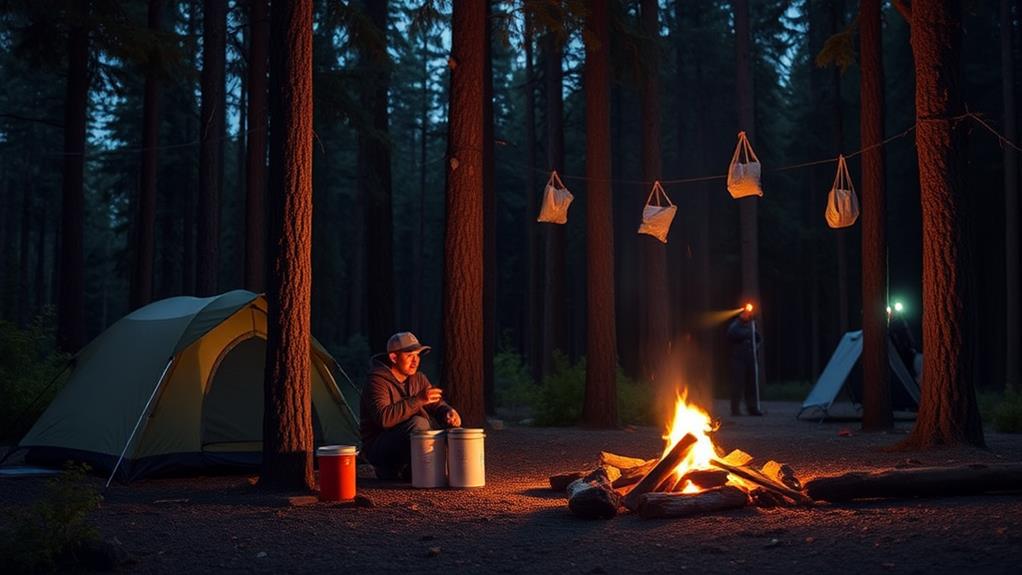
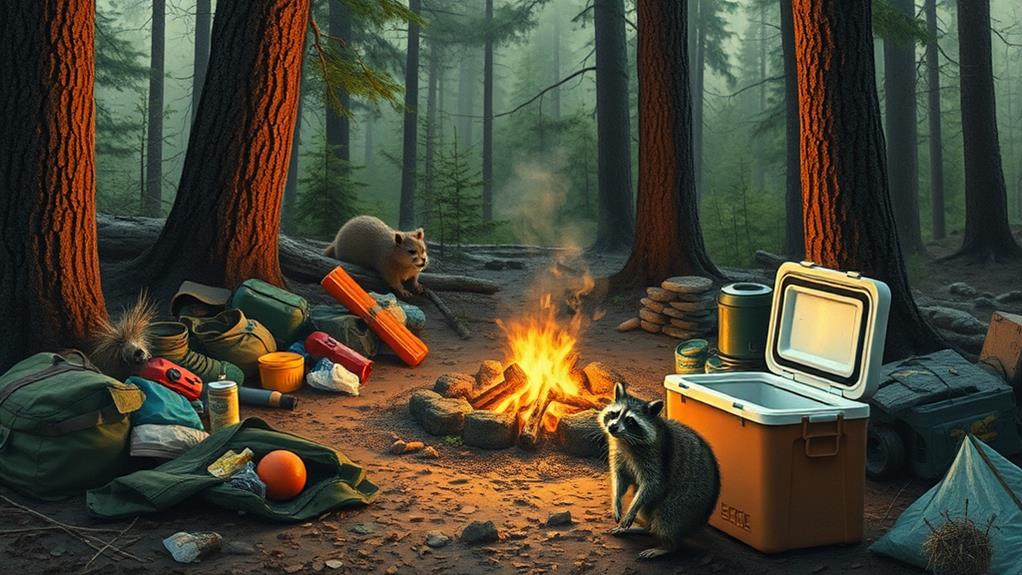
Now that we’ve found our perfect wildlife-free campsite, let’s tackle the next challenge: keeping our food and scented items secure. Trust me, we don’t want any unexpected wildlife around when we’re trying to catch some Z’s! Let’s start by storing our grub in bear-proof containers. Remember, our nocturnal neighbors have super-senses, so even the tiniest scent can lure them in. We’ll want to leave these containers at least 25-30 yards away from where we’re sleeping. What about those fragrant toiletries? They’ll need to stay away from our tents too. And don’t forget the trash! We’ll secure it properly or take it with us when we leave. When trees are scarce, I’ve found Ursack Kevlar bags to be a lifesaver. By following these tips, we’ll keep our campsite critter-free and enjoy our wild adventure!
Recommended Products

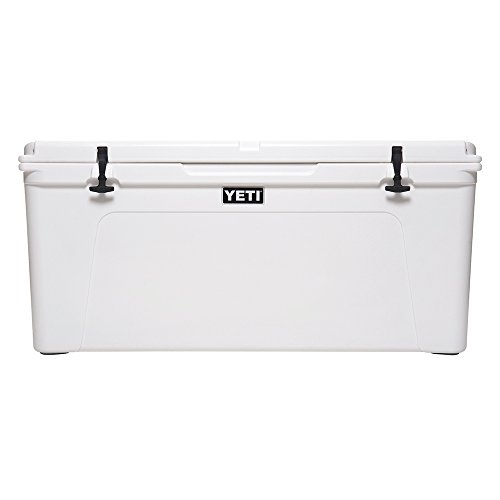
The YETI Tundra 160 is designed for those guys and gals who are in the field or on a boat season after season, for whom ordinary coolers just won’t cut it. Durable? You bet.

KIT INCLUDES - 2 Paintable Roof Tape 4'' x 25' with Roller, 4 x 10oz Tubes of Self Leveling Caulking Lap Sealant, 1 x 1G Roof Cleaner and 2 x 1G & 4G Silicone Pail
Use Noise Deterrents Effectively
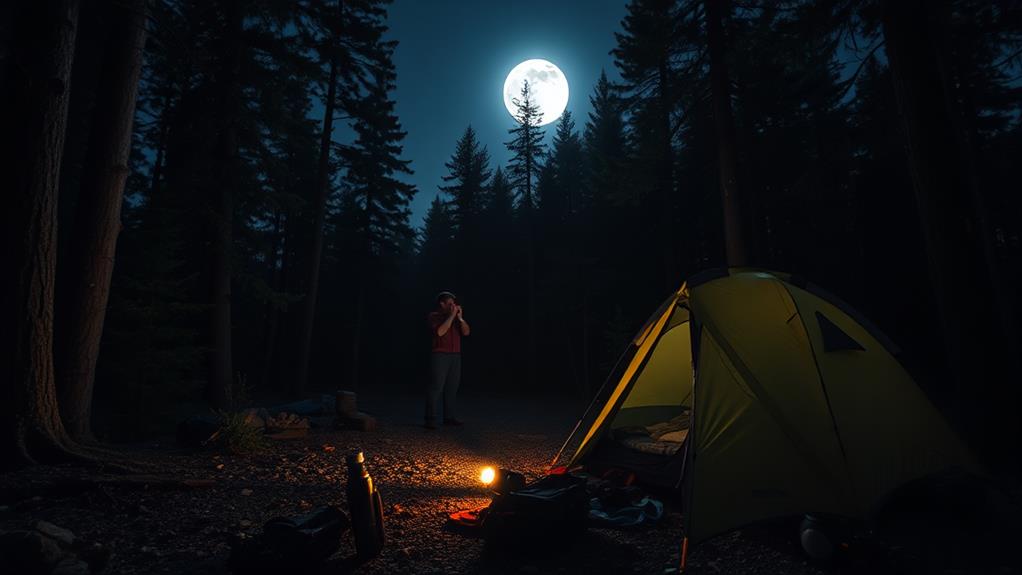
Why rely on just our eyes when our ears can be our best defense against nocturnal wildlife? Let’s talk noise deterrents, folks! We’ve found that a little racket goes a long way in keeping critters at bay. Ever tried tying bells to tripwires around camp? It’s a game-changer! And don’t forget to pack a high-decibel alarm or air horn for those unexpected wildlife encounters. Trust us, a sudden blast can save valuable energy you’d waste running from a curious bear.
Recommended Products

🚨 Bone-Rattling Power: Experience the commanding roar of the Rage 4-Chime Air Horn, blasting at a powerful 120 PSI to ensure you're noticed whether in traffic or on the open road.

Powerful Sound Output: Experience the stunning high-pitched tone of our stealth black 2-chime air horn, designed for maximum audibility and performance.

Compact All‑in‑One Train Horn includes remote receiver, powerful air compressor, dual metal trumpets, and battery-powered drill housing
Identify Nocturnal Animal Sounds
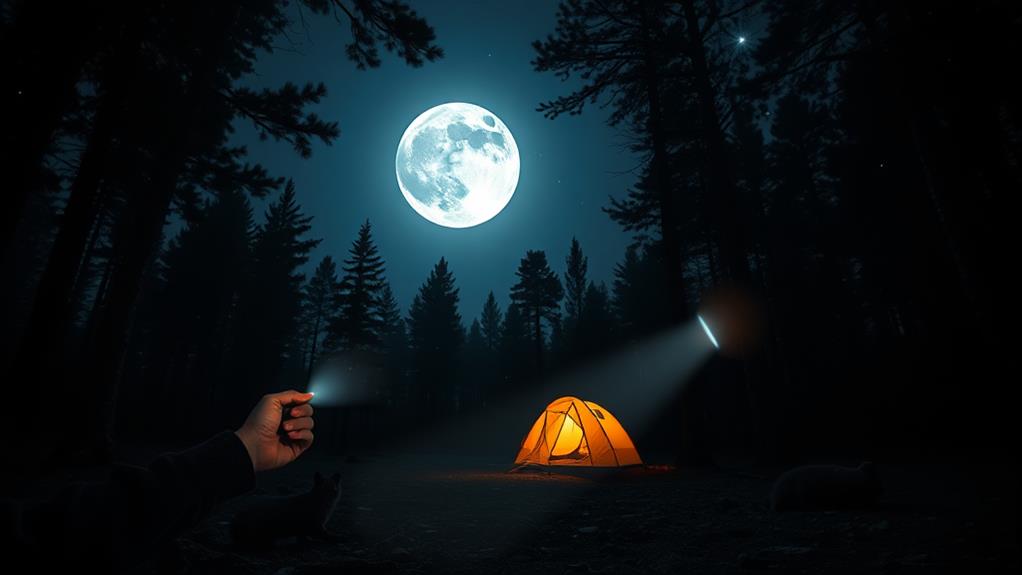
Let’s tune our ears to the symphony of the night! Recognizing nocturnal animal sounds is key to wildlife safety and enhancing our camping experience. Ever heard a mysterious hoot or rustle in the darkness? That’s the ecosystem talking to us! We can learn to identify these sounds, from the eerie howl of coyotes to the rapid clicks of bats. By paying attention to pitch and rhythm, we’ll soon be nocturnal animal experts. Want to impress your camping buddies? Try using wildlife sound apps or field guides to name that noise. Not only does this skill keep us safer during encounters, but it also helps us appreciate the wild world around us. So next time you’re out there, listen closely – you might just recognize a fox’s bark or an owl’s call!
Prepare Emergency Response Plans
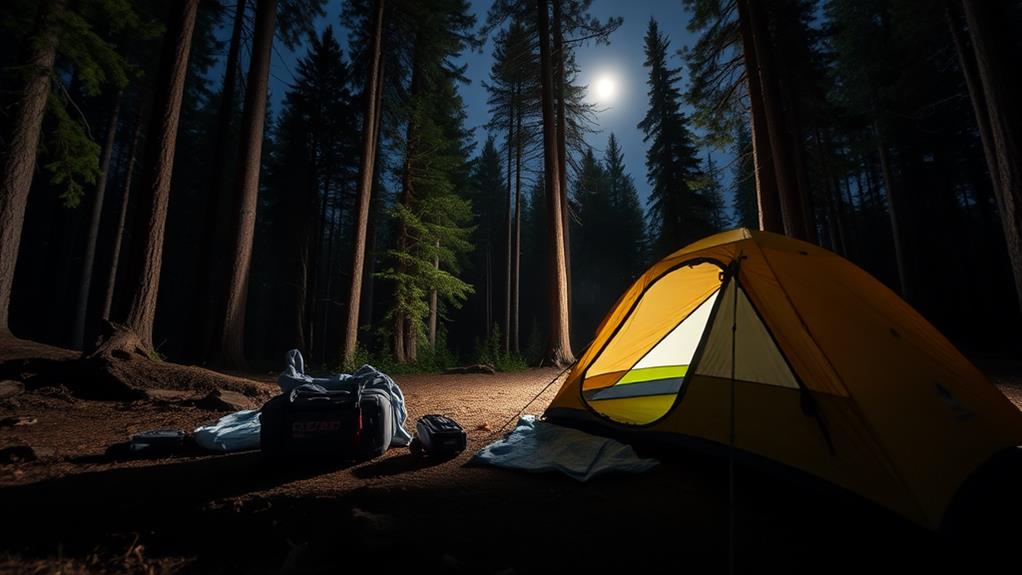
Always be prepared – that’s the camper’s motto, especially when it comes to nocturnal wildlife encounters. We’ve got to prepare emergency response plans that’ll keep us safe while respecting wildlife. Remember, if you bump into a bear or cougar, stay quiet and back away slowly. We’ve learned this the hard way!
Designate a meeting point well away from camp, and make sure everyone’s got a whistle or air horn to call for help. Practice those emergency drills – they’re not just for show! And don’t forget to leave food sealed up tight.
Want to stay safe and free in the wild? Familiarize yourself with local critters’ habits. Trust me, knowing when to whistle for help or stay at least 100 yards away can make all the difference. Let’s embrace those Leave No Trace principles and keep our wild spaces wild!
Recommended Products

【Super Loud 120dB Emergency Whistle with Dual-Chamber Design】

Rich in Quantity: there are 200 pieces of plastic whistles with lanyard in bright orange, which are easy to be noticed, and very suitable for self defense, emergency or other situations

【ULTRA LOUD 120dB DUAL CHAMBER DESIGN】Professional-grade emergency whistle features dual-chamber technology producing piercing 120dB sound that can be heard from far distances, perfect for emergency situations and outdoor activities
Frequently Asked Questions
How to Protect Yourself From Wild Animals in the Wilderness?
We’ll stay safe from wildlife by practicing camping etiquette and honing our awareness. Let’s choose campsites wisely, store food properly, and use sound deterrents. Understanding nocturnal behaviors, tracking skills, and having emergency plans will keep us free and prepared for encounters.
How Do You Protect Animals While Camping?
We once watched a bear roam freely from afar. To protect animals while camping, we’ll practice wildlife conservation and camping ethics. Let’s use eco-friendly gear, respect animal habitats, and enjoy wildlife photography without disturbing their natural behavior.
What Are the Animal Safety Tips?
We’ll stay safe by being wildlife-aware, using natural deterrents, and keeping food secure. Let’s maintain safe distances, prepare for bear encounters, and plan for emergencies. We’ll enjoy wildlife photography responsibly while respecting night noises and animal behavior.
What Animal Repellent for Camping?
We’re so safe with our fancy gadgets, right? Wrong! Let’s embrace real freedom in the wild. Natural deterrents, scent repellents, and bear spray are our allies. Don’t forget ultrasonic devices, noise makers, and motion sensors for extra protection.