⚠️ Disclosure: This post contains Amazon affiliate links. We may earn a commission at no extra cost to you.
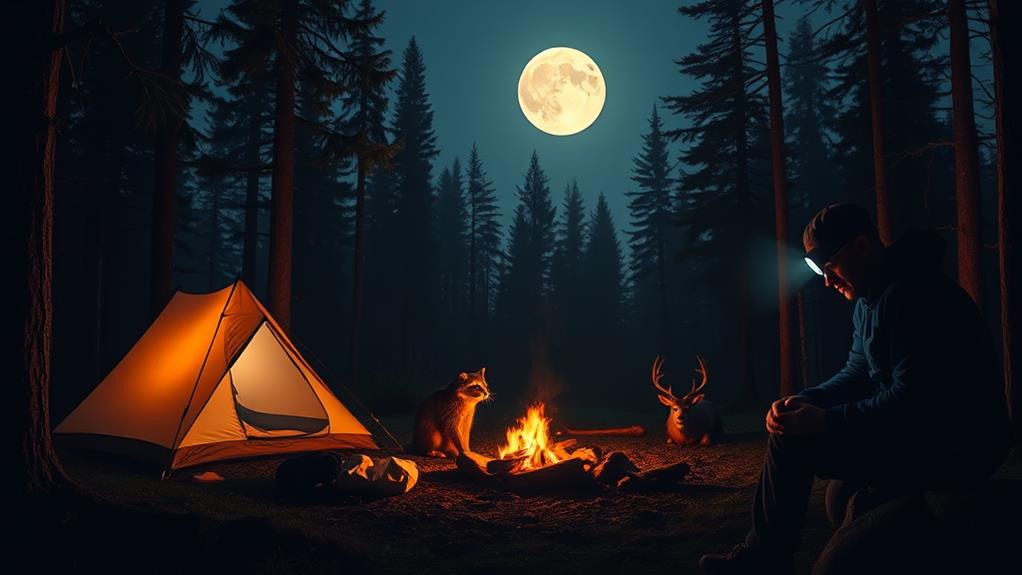
When we venture into the great outdoors, we’re entering the home of countless wild animals. It’s our responsibility to guarantee we’re not inadvertently inviting these creatures into our temporary living space. Setting up a safe campsite isn’t just about our comfort; it’s vital for keeping wildlife at bay and maintaining a harmonious coexistence with nature. We’ll explore essential techniques for choosing the right location, securing food, and managing waste. But there’s more to it than just the basics – we’ve got some clever tricks up our sleeves that might surprise even seasoned campers. Let’s plunge into the art of wildlife-proof camping.

Key Takeaways
- Choose elevated, open areas at least 200 feet from water sources and food-rich zones for campsite setup.
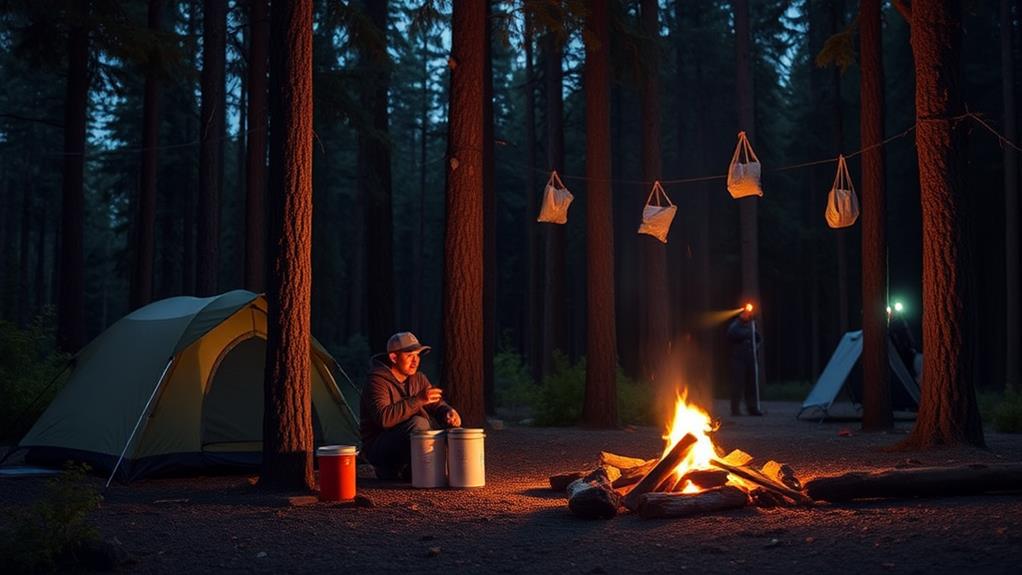
- Store food and trash in odor-proof bags, hanging them 10 feet high and 4 feet from tree trunks.
- Clean cooking areas immediately and store cooking clothes in airtight bags to minimize scent attraction.
- Create separate zones for sleeping, cooking, and waste management, keeping at least 200 feet between each.
- Use deterrents like motion-sensor lights, noise makers, and natural repellents to discourage wildlife approaches.
Choose the Right Campsite Location
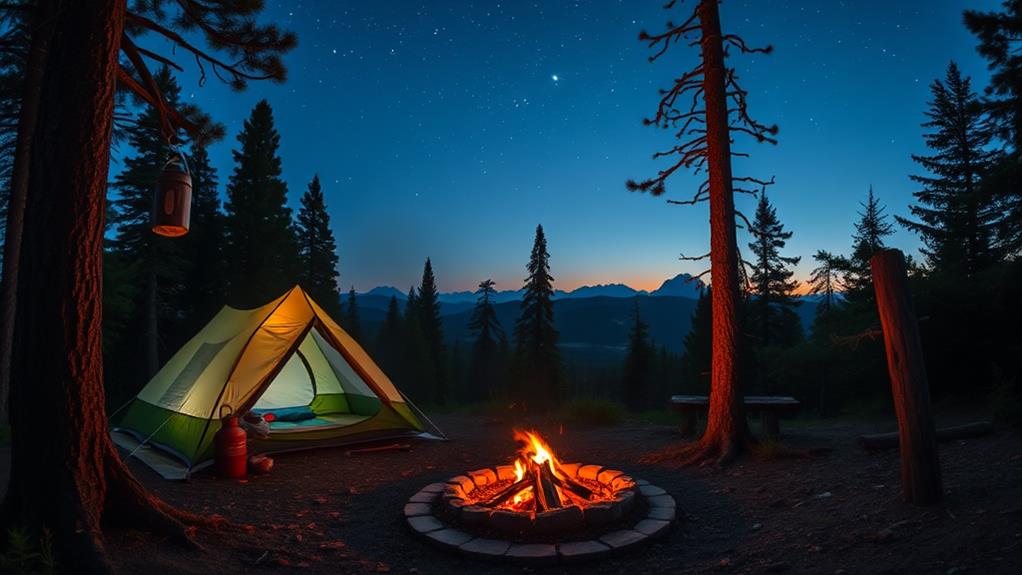
When it comes to choosing the right campsite location, we’ve got to be strategic to keep wildlife at bay. Remember that time we set up camp near a berry patch? Big mistake! We learned the hard way that bears love their fruit. Now, we always choose flat, open areas with low grass. It’s a win-win: fewer creepy crawlies and a clearer view of our surroundings.
Here’s a pro tip: pick an elevated spot. Why? It’ll keep you dry and less appealing to curious critters. And don’t forget the 200-foot rule! That’s the minimum distance we keep from water sources. It might seem like a hassle, but trust us, it’s worth the extra steps to avoid unexpected animal visitors. Looking for visibility? You’re on the right track! A clear line of sight means you can spot any wildlife before they crash your campfire singalong.
Secure Food Storage Techniques
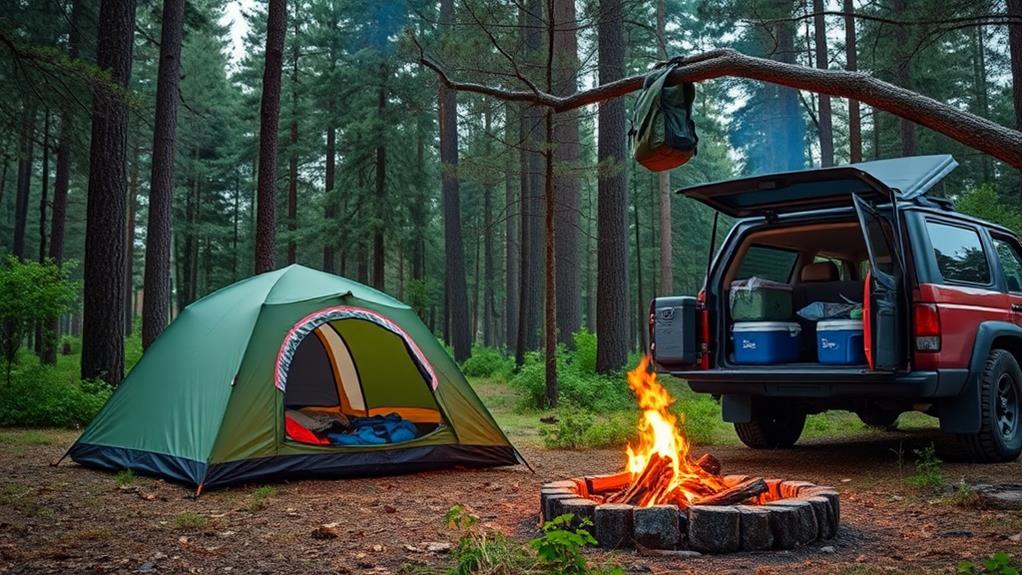
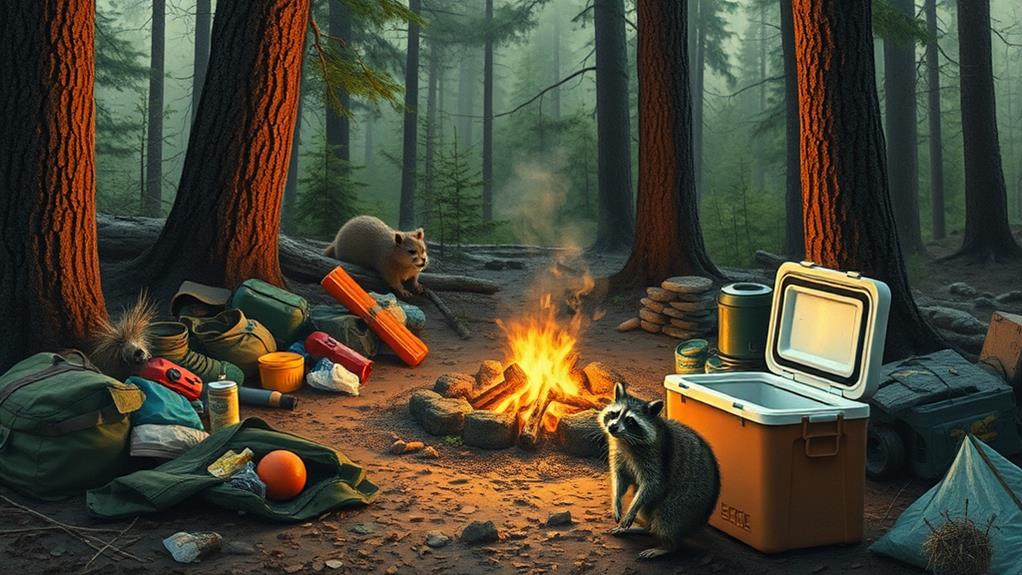
With secure food storage, we’re not just protecting our snacks—we’re safeguarding our entire camping experience. Let’s face it, nothing ruins a trip faster than a curious bear rummaging through our supplies! We’ve learned the hard way that proper food storage is vital to keep animals away and maintain a Leave No Trace ethos. Hang food bags at least 10 feet high and 4 feet from tree trunks—20 feet up is even better! Remember those pesky raccoons? A locking cooler is your best friend. Don’t forget to scrub those pots and pans; food scraps are like a dinner bell to wildlife. And trash? Treat it like treasure—hang it high and tight in odor-proof bags. By following these tips, we’ll guarantee our campsite remains a peaceful retreat for us and our wild neighbors.
Recommended Products

The Haul is the first-ever YETI cooler on wheels. Perfect for taking the Tundra's legendary toughness and unmatched insulation power the extra mile

✅ MAXIMUM ICE RETENTION: Our heavy duty cooler features a pressure-injected 2" thick lid and insulated walls to ensure premium cooling performance. The double-wall silicone gasket creates a tight seal, maintaining perfect insulation, ideal for camp coolers.

ROTOMOLDED: Our coolers are made from rotationally-molded LLDPE plastic and are designed to achieve even wall thicknesses for optimal durability.
Maintain a Clean Campsite

Cleanliness is the cornerstone of a wildlife-free campsite. We’ve got to keep it safe and tidy to avoid unwanted furry visitors! Let’s talk about how to maintain a clean campsite and keep those critters at bay.
First things first, we need to handle our food properly. Strong smells can attract wildlife, so we’ve got to be smart about our cooking supplies and trash. Here’s a quick guide to help you remember:
| Task | Frequency | Method |
|---|---|---|
| Scrub pots | After each use | Hot water & soap |
| Store trash | Daily | Odor-proof bags |
| Hang food | Always | 10ft high, 4ft from trunk |
| Clean site | Before leaving | Leave No Trace principles |
| Store clothes | After cooking | Airtight bags |
Recommended Products

Unmatched Quality & Durability - 50 x Washable Smelly Proof Bags Extra Large Reusable Flat Bags, 5mil Heavy Duty Thickness, Puncture-Resistant, Tear Proof. Designed for Repeated Use Over & Over Again,

TITAN DEEP FREEZE HARD ICE CHEST COOLER: Hard cooler features uni-body roto-molded construction with thick polyurethane insulation that keeps ice for up to four days; Cooler holds up to 20 quarts or 30 cans

Made To Handle More: Tackle bulk storage with a plastic bucket and airtight gasketed tear strip lid made from sturdy 90 mil HDPE plastic. It’s a dependable pick for pantry staples, utility use, and everyday organization when lightweight containers won’t cut it.
Use Effective Animal Deterrents
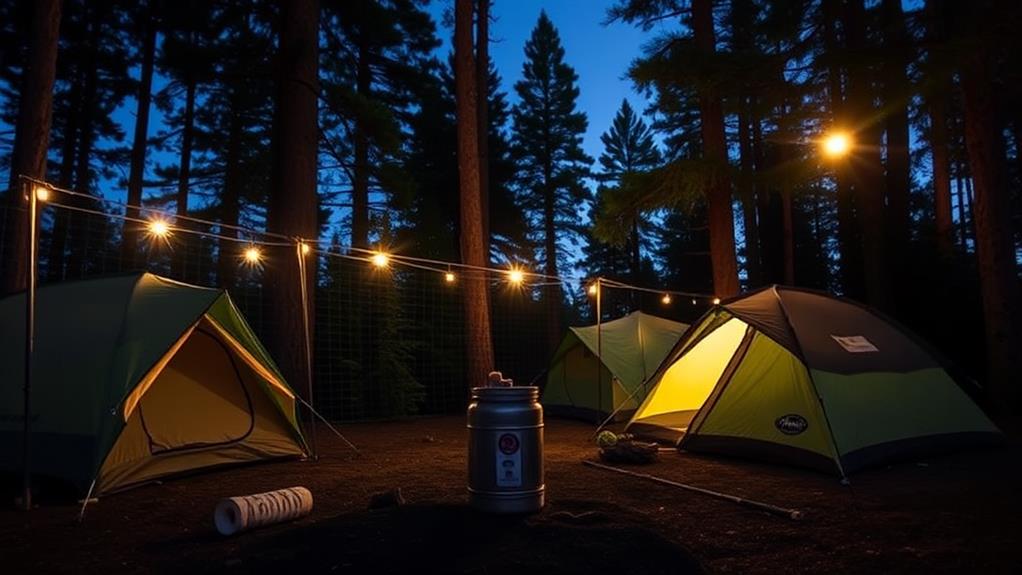
Wildlife’s persistence calls for more than just a clean campsite. We’ve got to up our game with effective animal deterrents to keep our camping trip peaceful. Let’s explore some clever tricks to outsmart our furry neighbors:
- Create a human soundscape by leaving a radio on
- Apply natural repellents like ammonia or citrus to mask food odors
- Install motion-sensor lights to startle nocturnal visitors
- Use noise deterrents like bells or air horns
Remember that time we camped in bear country? We hung bells on our backpacks and it worked like a charm! These simple tactics can make a world of difference. For high-risk areas, we might even consider electric fences. The key is to make our campsite less appealing to wildlife without harming them. Ready to try these out on your next adventure?
Recommended Products

This product includes three Spotlight Cam Plus, Plug-In.

4MP HD & True Color Night Vision- The security Camera Hub G5 Pro offers a 4MP Resolution with a 133° FOV and supports True Color Night Vision with a 1/1.8" sensor and f/1.0 large aperture, identifying intruders even in low-light. A Built-in 3000K DIMMABLE Spotlight functions as an intruder deterrent and improves visibility during nighttime. Note: This surveillance camera is not equipped with infrared light. No Battery.

Solar Outdoor Light with Motion Activation: This solar-powered feeder motion activated light brightens to a variety of different intensity levels based on the chosen mode when motion is detected.
Proper Waste Management
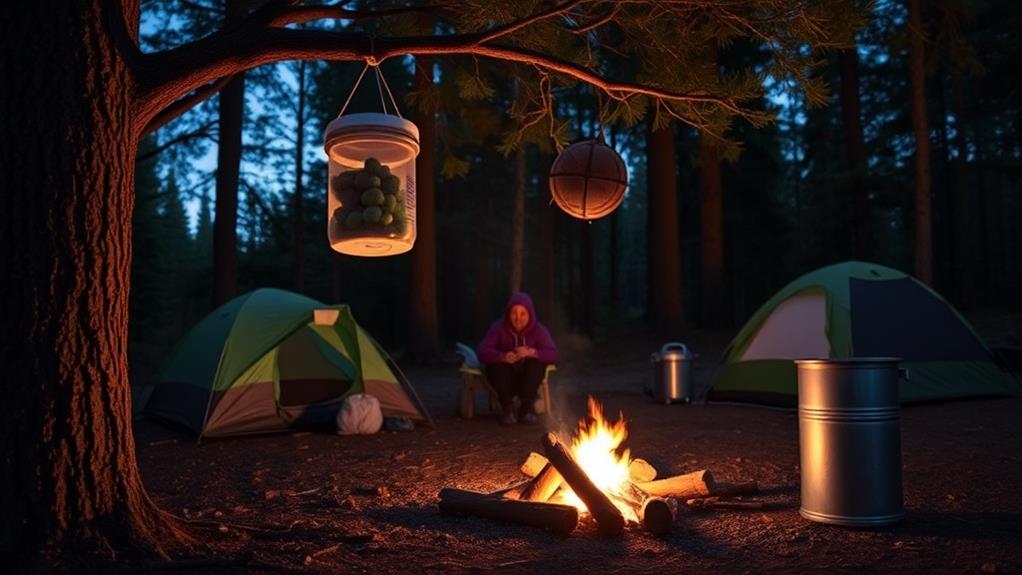
Every camper knows that proper waste management is essential for keeping wildlife at bay. We’ve all been there – enjoying the great outdoors when suddenly a curious critter comes sniffing around our campsite! To avoid these unwanted visitors, let’s talk trash. First things first: always pack out what you pack in, including those pesky food scraps. Invest in heavy-duty bags that’ll keep odors locked tight. Hanging trash bags high and away from tree trunks is a game-changer – just like we do with our food items. And here’s a pro tip: clean those cooking areas and utensils pronto! Remember, even biodegradable waste can attract wildlife, so dispose of it properly. Ever thought about burying or burning garbage? Don’t! It’s not effective and can still lure animals. Let’s keep our campsites clean and critter-free!
Recommended Products
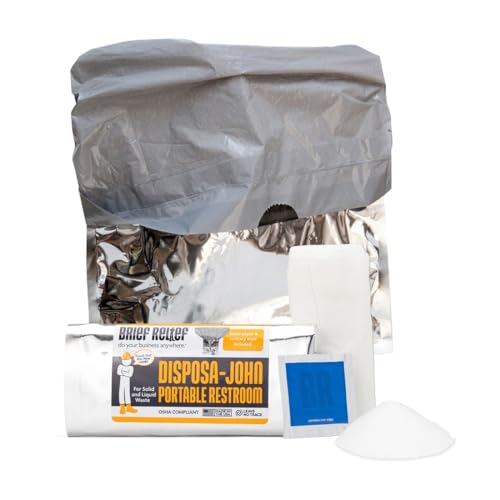
All-in-One Kit: Includes silver triple barrier bag, inner bag, ample toilet paper and wet wipe. Everything you need for a restroom break on-the-go. Made in USA.

It’s in the Bag: Do your business anywhere. Includes puncture-proof disposable gray urinal bag pre-filled with instant gelling powder and wet wipe. Made in USA.

EXTRA LARGE SIZE RELIABLE COVERAGE EVERYDAY WALKS AND CLEANUP: Extra large dog poop bags provide reliable coverage for everyday walks, helping pet owners pick up waste cleanly and confidently in parks, sidewalks, and outdoor spaces.
Create a Safe Sleeping Area
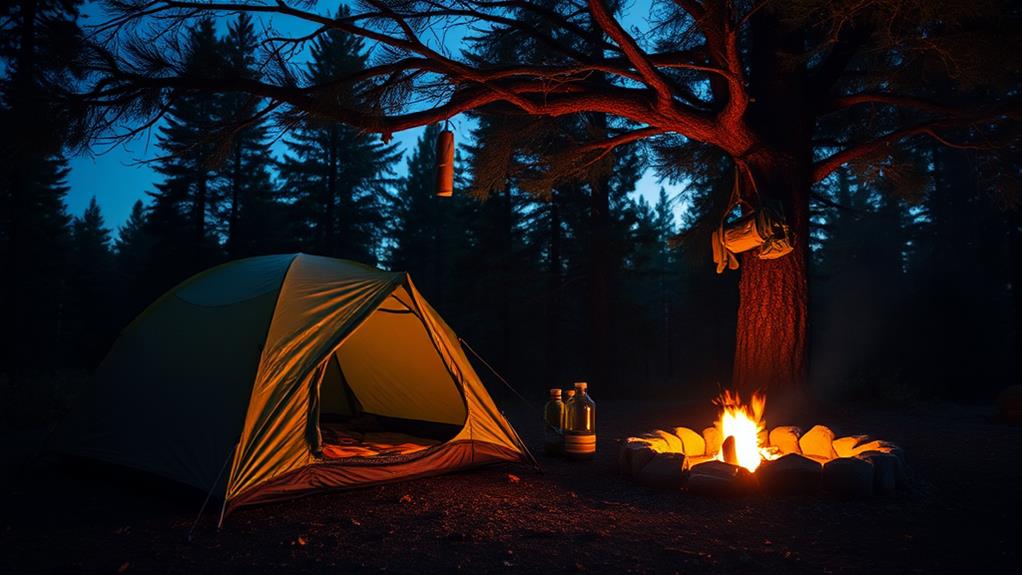
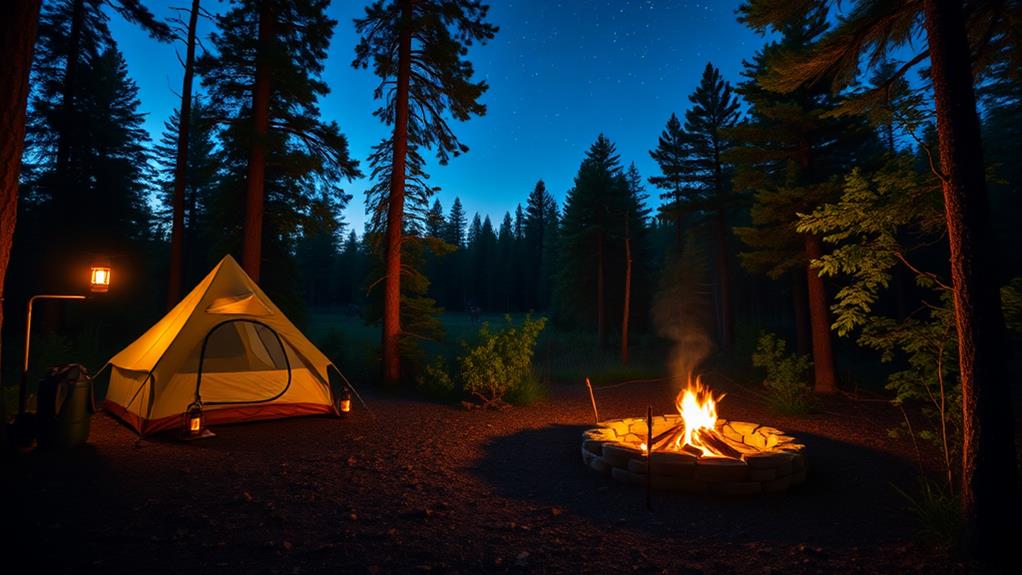
Creating a safe sleeping area is essential for keeping wildlife at bay during your camping adventure. We’ve learned the hard way that critters love to crash our outdoor slumber parties! To guarantee a peaceful night’s rest, let’s set up our sleeping area at least 200 feet from cooking and waste zones. This distance helps keep curious creatures away from our tents.
Here are four key tips to create a wildlife-free sleep zone:
- Choose elevated ground to avoid moisture and ground-dwellers
- Inspect your tent for any rips or faulty zippers
- Create a buffer zone, keeping food and scented items away from tent
- Use noise deterrents like motion-sensor lights or bells
Recommended Products

ULTRA-LONG 300M (984ft) MONITORING RECEIVE RANGE. Stay ahead of the game with our 433MHz wireless tech that transmits signals up to 300m (984ft) in open areas. Can detect animals or people in daytime, night, low light environment, and complete darkness. Perfect for vast hunting grounds or large farm properties, ensuring you are notified long before the target arrives.
Remote Control Convenience: Enjoy hands-free operation with the included 300+ yard remote control, making it easy to turn your lights on and off without needing to wait for an animal to trip the motion sensor!

Solar Outdoor Light with Motion Activation: This solar-powered feeder light features a motion-activated sensor that brightens to a variety of different intensity levels based on the chosen mode when motion is detected, providing reliable illumination for your hunting needs. The solar-powered design of this feeder light eliminates the need for electricity.
Understand Local Wildlife Behavior
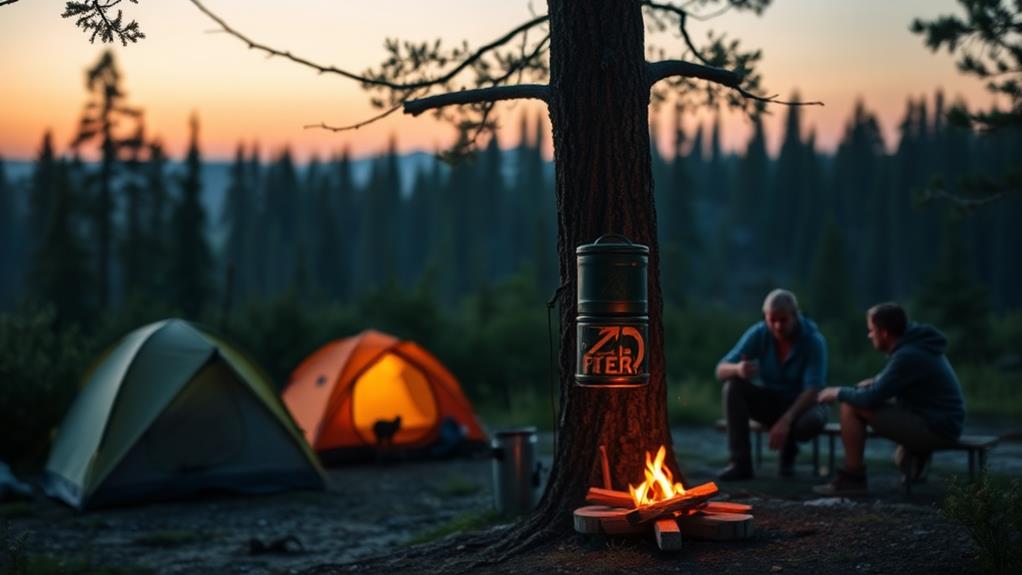
Understanding the behavior of local wildlife is key to a safe and enjoyable camping experience. We’ve got to remember that our campsite isn’t just our temporary home—it’s their permanent one! Let’s break down some essential wildlife behaviors:
| Species | Active Time | Attracted By | Behavior to Watch |
|---|---|---|---|
| Bears | Day/Night | Strong-smelling foods | Territorial |
| Raccoons | Night | Food unattended | Clever scavengers |
| Skunks | Night | Food scraps | Defensive sprayers |
| Mountain Lions | Dawn/Dusk | Territory invasion | Stealthy predators |
Nocturnal species like raccoons and skunks are night owls, so we’ve got to be extra vigilant after dark. And let’s face it, we don’t want to attract bears or any unwanted animal visitors. By understanding local wildlife behavior, we’re not just protecting ourselves—we’re respecting their turf too. Remember, a little knowledge goes a long way in keeping both us and our wild neighbors happy!
Emergency Preparedness for Encounters
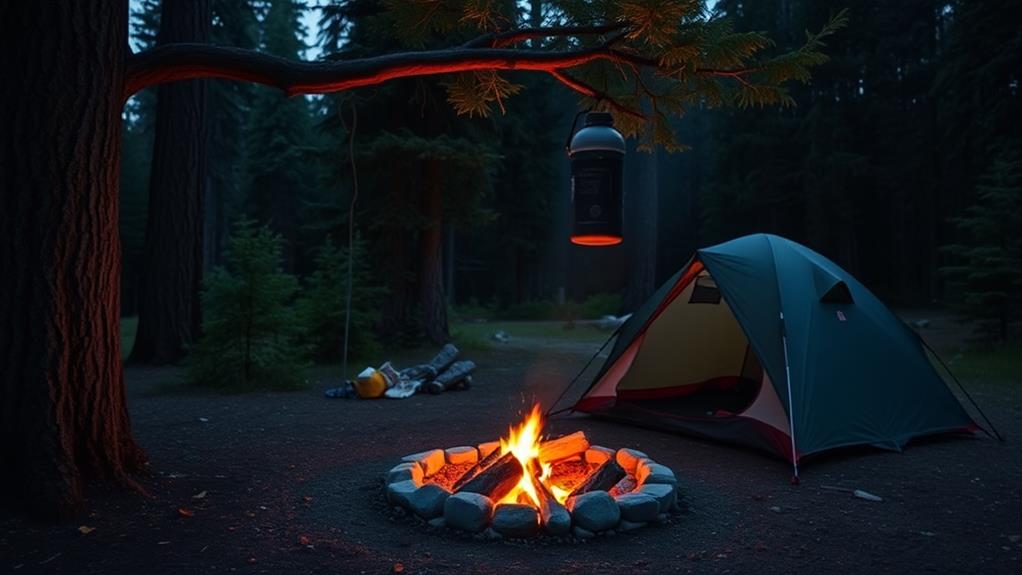
Now that we’ve got a handle on wildlife behavior, let’s talk about being ready for the unexpected. When we’re out in the wild, it’s essential to be prepared for any animal encounters. Here’s our game plan for emergency preparedness:
- Keep emergency contacts for local wildlife authorities handy
- Pack a first aid kit with bear spray for those just-in-case moments
- Educate everyone in our group on wildlife safety protocols
- Know the proper response for different animal encounters
Frequently Asked Questions
How to Scare Animals Away When Camping?
Like a fortress against nature’s curiosity, we’ve got our scare tactics ready. We’ll use natural repellents, noise devices, and scent deterrents. Don’t forget bright lights and campfire strategies. Let’s embrace our wild freedom while keeping critters at bay!
What Can I Put Around My Tent to Keep Animals Away?
We can create tent barriers using natural repellents and scent deterrents. Let’s set up campsite lighting and noise devices to keep critters at bay. Don’t forget proper food storage – it’s key to our wild and free camping experience!
What Can You Put Around Your Campsite to Keep Bears Away?
We’ve got options to keep bears at bay! Let’s use bear-proof containers, scent deterrents, and smart campsite layouts. We’ll strategically store food, understand wildlife behavior, and employ natural repellents. It’s all about staying free while respecting nature’s inhabitants.
How Do You Make a Campsite Safe?
We’ll make our campsite safe by choosing a smart location, nailing food storage, practicing fire safety, organizing gear efficiently, managing waste properly, and keeping noise in check. Let’s embrace the wild while staying smart and free!