


⚠️ Disclosure: This post contains Amazon affiliate links. We may earn a commission at no extra cost to you.
Have you ever wondered how we can enjoy the great outdoors without leaving a trace? The 7 Core Wilderness Camping Guidelines provide us with a roadmap to responsible camping practices. We’ll explore these essential principles that help us minimize our impact on nature while maximizing our enjoyment of it. From planning ahead to respecting wildlife, these guidelines shape our behavior in the wilderness. They’re not just rules; they’re a philosophy that connects us to the natural world. As we unpack each guideline, we’ll discover how small actions can make a big difference in preserving our beautiful wild spaces for generations to come.


Key Takeaways
- Plan ahead and prepare by studying maps, checking weather, and sharing your itinerary for safety.
- Camp on durable surfaces like established sites or bare soil to minimize environmental impact.
- Dispose of waste properly by packing out trash and using appropriate methods for human waste.
- Leave natural areas undisturbed by not taking souvenirs and avoiding the creation of new trails.
- Respect wildlife by maintaining safe distances, properly storing food, and not feeding animals.
Plan Ahead and Prepare
Five key steps form the foundation of planning for wilderness camping. We’ve got to plan ahead and prepare, folks! First, let’s immerse ourselves in maps and really get to know our chosen wilderness area. Trust me, it’s a game-changer for safe navigation. Next, we need to plan for those pesky regulations and permits. Nobody wants a fine, right? Weather’s always a wild card, so we’ll keep an eye on forecasts and pack smart. Remember when I forgot my rain jacket? Not fun! Safety first, adventurers – let’s tell someone our itinerary. It’s like having a guardian angel back home. Finally, food prep is essential. We’ll repack to minimize waste and plan meals that’ll keep us energized. Ready to embrace the wilderness? With these steps, we’re set for an epic, freedom-filled journey!
Recommended Products

Fjällräven Apparel Conversion Chart

MADE FOR ROUGH WEATHER: The Men's McMurdo Bomber has all of the technical features you need, now in a shorter silhouette. Made with waterproof, breathable DryVent, 600-fill recycled down insulation, you'll be protected from the elements.
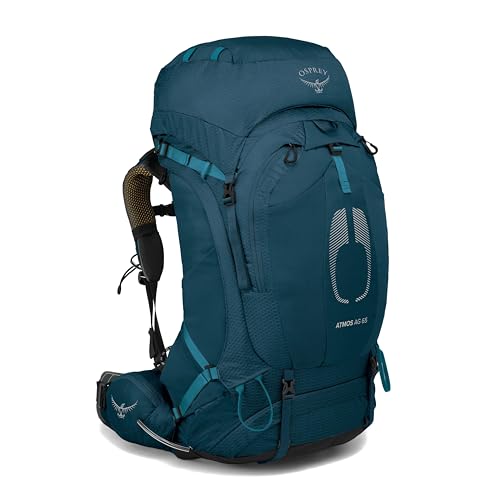
Included raincover made with PFAS-free DWR and bluesign approved materials
Camp on Durable Surfaces

Treading lightly on nature’s turf, we’ve got to be smart about where we pitch our tents. When we camp on durable surfaces like established sites, rock, or bare soil, we’re doing Mother Nature a solid. It’s all about preserving those delicate ecosystems, folks!
Remember that time I accidentally set up camp in a meadow? Big mistake! Now, we avoid creating new campsites in fragile areas or near water sources. Trust me, it’s way better to find a spot at least 200 feet from lakes and rivers. This way, we’re not trampling shorelines or causing erosion.
Here’s a pro tip: look for existing fire rings and clearings. Why reinvent the wheel when we can use what’s already there? And hey, if we spread out our camping spots, we’re giving nature a chance to bounce back. It’s all about freedom with responsibility, right?
Recommended Products

Engineered FIRMAN Performance: Powerful 171cc engine delivers 3300 starting watts and 3000 running watts for stable power during outdoor trips, job sites, or mobile needs
![[Lifetime Free] Unlimited Range Walkie Talkies 4G LTE Long Range Two-Way Radios with Nationwide & Global Range,Multi-Function Light & SOS Alert Poc Radios for Wilderness Hiking,Truck Fleet (6 Pack)](https://m.media-amazon.com/images/I/51fKp9BM1KL._SL500_.jpg)
【Nationwide Walkie Talkie】Cellular POC ptt-walkie talkies technology for seamless unlimited range coverage.The 4g lte SIM card is pre-inserted for you.Just unbox,power on, and enjoy crystal clear instant rapid communication across California to New York,cities, states,and countries.FCC ID: 2BK59-M12

Highly Efficient Fire Extinguishing: The Demiwise Vehicle Fire Blanket is designed with two layers of fiberglass fabric, isolating temperatures up to 1022°F. This essential survival safety fire suppression blanket effectively prevents secondary combustion or explosion, ensuring safety in emergencies.
Dispose of Waste Properly
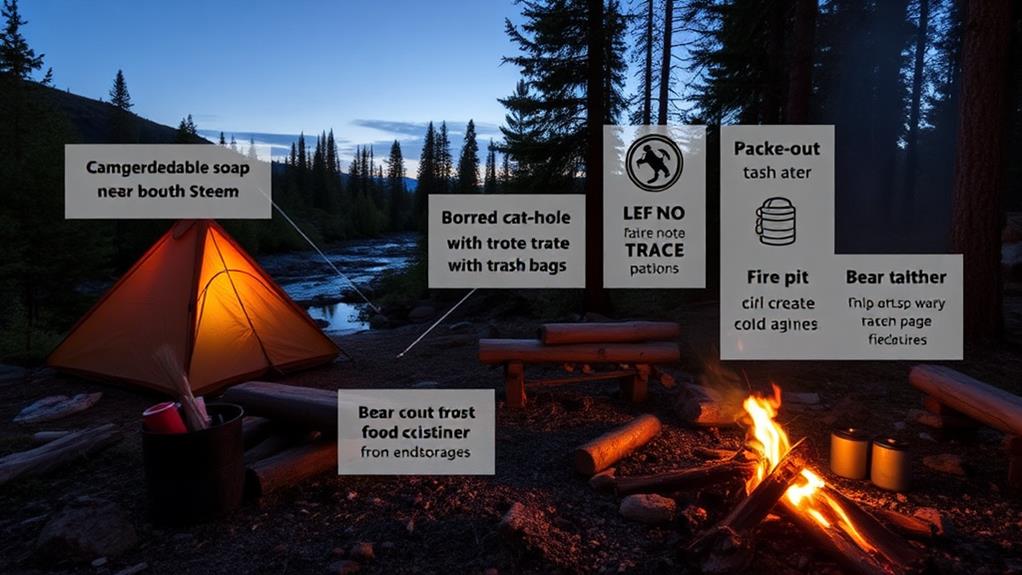
Now that we’ve found our perfect spot, let’s talk trash—literally. Disposing of waste properly is essential for keeping our wild spaces pristine. Remember, we’re visitors here, so let’s leave no trace!
| Waste Type | Pack It Out | Bury It |
|---|---|---|
| Food Scraps | ✔ | |
| Toilet Paper | ✔ | |
| Human Waste | Sometimes | 6-8″ deep |
| Soap Residue | ✔ |
We’ve got to pack out toilet paper and all other trash. When nature calls, dig a cathole 200 feet from water sources. Some areas require W.A.G. bags, so check local rules. And soap? Use it sparingly, away from streams. Trust me, I once saw a soapy creek—not cool!
Recommended Products

EFFORTLESS BAG REMOVAL: Venting channels make removing liners from the container up to 80% easier, improving productivity and reducing the risk of injury.

【Refreshing the Air in Your Home】Tackle trash odors with our built-in Active Air Care System. It works to minimize smells at the source through continuous air circulation, not just masking them. Control 4 fan speeds and 4 timer settings via the intuitive LED touch panel. Suitable for kitchens and laundry rooms, it proactively maintains a fresh environment when handling food waste or pet litter, supporting a cleaner living space effortlessly.

The black Trash Cabinet(for 10 gallon trash cans)is fashionable in design and suitable for various decoration styles. It can be used as a kitchen island, laundry box, recycling box, trash can, etc.
Leave What You Find
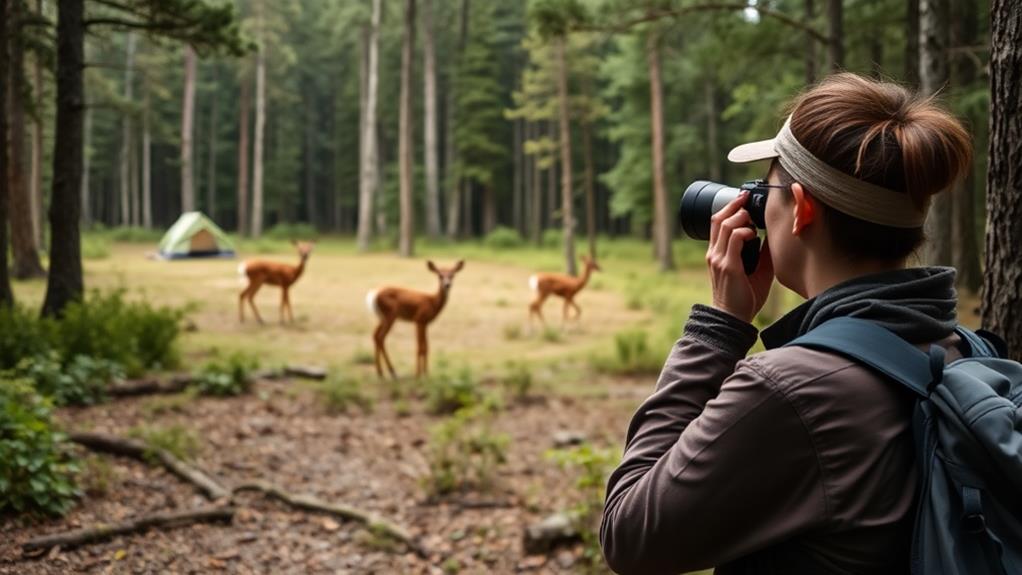
After setting up camp and properly disposing of waste, let’s turn our attention to preserving the natural beauty around us. As part of the Leave No Trace program, we’re committed to leaving what we find. Remember that time I found a cool rock and pocketed it? Big mistake! We’ve got to resist the urge to take souvenirs, no matter how tempting. Why? Because every rock, plant, and artifact plays a vital role in the ecosystem. Plus, we want future generations to enjoy the same unspoiled wilderness, right? So, let’s enjoy nature as it is – snap photos, not samples! And hey, no need to blaze new trails or build structures. Trust me, I learned the hard way that even small changes can lead to big problems. Let’s keep our impact minimal and our memories maximal!
Minimize Campfire Impacts
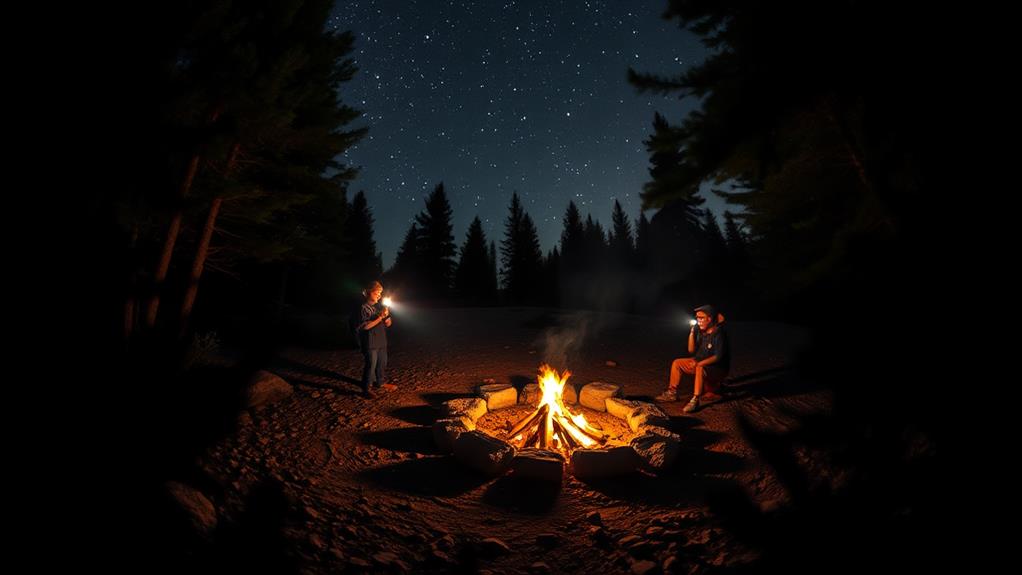
Campfires are a quintessential part of wilderness camping, but they come with responsibilities. We’ve all felt the magic of gathering around a crackling fire, but let’s make sure we’re not leaving scars on our beloved wilderness. Remember when we used to build fires anywhere? Not cool! Now, we’re savvy campers who use established fire rings to minimize our impact. Keep those campfires small and manageable, folks – it’s better for the environment and safer for everyone.
Before you strike that match, always check for local fire bans. Safety first, right? And when it’s time to pack up, make sure that fire is completely out. We’re talking cold to the touch! Spread the ashes in vegetation – it’s like giving the earth a little nutrient boost. By following these guidelines, we’re preserving the wilderness for future adventures. Who’s ready to roast some marshmallows responsibly?
Recommended Products

Halotron I, Class B:C Extinguisher

Great for Big Group Gatherings: East Oak smokeless fire pit is 29.53 inch x 29.53 inch in diameter, and that large size means it's perfect for more than 8 people sitting around the fire on the patio or backyard. The firepit can extend your time outdoors, and you can also roast hot dogs and s'mores to enjoy a fantastic outdoor flavor

Respect Wildlife
Speaking of responsible camping, let’s talk about our furry (and not-so-furry) friends in the wild. We’ve all had those heart-racing moments when we’ve spotted a bear or moose in the distance, right? Well, here’s the deal: we need to keep those encounters at a safe distance. Trust me, I learned this the hard way! Storing food properly is essential – use bear canisters or food lockers if they’re available. Remember that time I left a granola bar wrapper in my tent? Big mistake! Wildlife interactions should be minimal and on nature’s terms. We’re guests in their home, after all. So, let’s clean up after meals, dispose of waste correctly, and resist the urge to feed or approach animals. By respecting wildlife, we’re not only staying safe but also preserving the wilderness for future adventures.
Recommended Products

Adjustable Size for 1–4+ Day Trips: Expands and collapses as your food supply changes, reducing wasted space in your pack. The center access and optional divider help you stay organized out on the trail.

Protects your food and protects the bears

Every ounce matters! The BV500 excels as a high volume, lightweight bear barrel for backpacking. The most spacious choice of bear canister for backpacking ultralight style, pack food for 7 plus days.
Be Considerate of Others
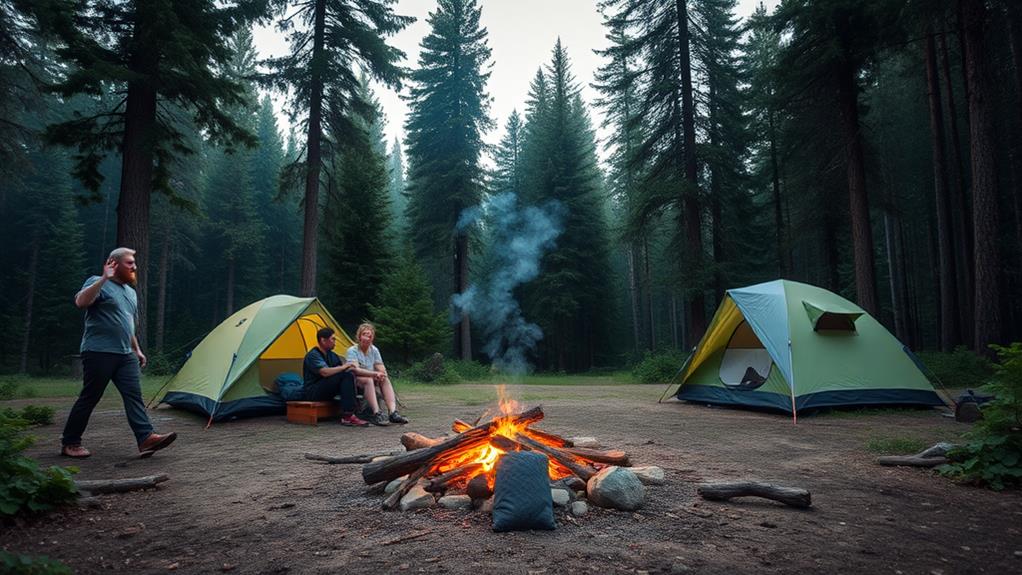
While enjoying the great outdoors, we can’t forget that we’re sharing this beautiful space with others. Let’s be mindful of our fellow campers and the environment. Remember when my group accidentally set up camp too close to another site? We quickly learned the importance of maintaining a respectful distance. Now, we always choose spots away from sight and sound of others. It’s essential to keep our voices down and avoid loud noises – nature’s soundtrack is much more soothing! Don’t forget to leash your furry friends and clean up after them. Oh, and speaking of cleaning up, proper disposal of human waste is a must. We’re all here to experience the wilderness, so let’s respect each other’s journey. Land managers often set group size limits, so be sure to check local regulations. Together, we can create an inclusive and enjoyable experience for everyone in the great outdoors!
Frequently Asked Questions
What Are the Rules for Wild Camping in California?
Let’s explore California’s wild camping scene! We’re free to roam, but we’ve got to play by the rules. Wild camping regulations vary, so we’ll check local guidelines. Remember, California camping etiquette is key to preserving our natural playground.
How to Memorize Leave No Trace?
Let’s embed Leave No Trace and wilderness ethics in our adventurous spirits! We’ll create catchy acronyms, visualize principles, and practice in the wild. By sharing experiences and making it a game, we’ll effortlessly memorize these freedom-preserving guidelines.
What Are the Camping Laws in New Mexico?
We’ve got to be mindful of state regulations when camping in New Mexico. Let’s remember to snag camping permits where required, keep our distance from water sources, and respect fire restrictions. It’s all about enjoying freedom responsibly, folks!
What Is Backwoods Camping Called?
We call it primitive camping, folks! It’s our way of embracing freedom in the wild. Don’t forget your essential camping gear and brush up on backwoods etiquette. It’s all about self-reliance and connecting with nature on our terms.


