


⚠️ Disclosure: This post contains Amazon affiliate links. We may earn a commission at no extra cost to you.
We’ve all heard stories of hikers getting lost in the wilderness, and it’s a situation none of us want to find ourselves in. That’s why mastering basic navigation skills is vital for anyone venturing into the great outdoors. But what exactly should beginners focus on? While there’s a wealth of information available, it can be overwhelming to know where to begin. From map reading to compass use, and even natural navigation methods, there’s a lot to reflect on. Let’s explore the essential skills that can make the difference between a successful adventure and a potential disaster.


Key Takeaways
- Learn to read topographic maps, focusing on contour lines and map symbols.
- Master basic compass skills, including taking bearings and understanding declination.
- Practice identifying natural landmarks and using them for navigation.
- Develop route planning skills using maps to choose safe, efficient paths.
- Familiarize yourself with GPS devices while maintaining proficiency in traditional navigation methods.
Map Reading Fundamentals
When venturing into the wilderness, mastering map reading fundamentals is essential for safe navigation. We’ve all been there – staring at a topographic map, wondering which way is up! But fear not, fellow adventurers. Once you grasp the basics, you’ll be reading contour lines like a pro. First things first: get familiar with map scales. They’re your ticket to understanding distances and planning routes that won’t leave you exhausted. Next, immerse yourself in the world of map symbols. They’re like a secret language that reveals trails, water sources, and potential campsites. Ever felt lost on a hike? Regular map checks can keep you on track. Remember, closely spaced contour lines mean steep terrain – perfect for thrill-seekers, but a heads-up for the rest of us. Ready to embrace the freedom of the wild?
Recommended Products

3-axis compass and barometric altimeter
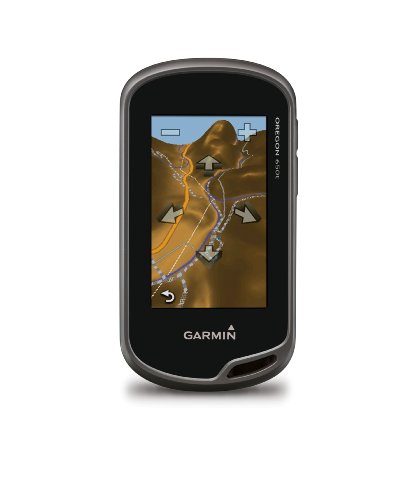
3-Inch sunlight-readable, touchscreen display with multi-touch capability

EASY TO VIEW— This 12" floor Globe with 35inch overall height is easy to explore from any sofa or office desk.
Compass Basics and Usage
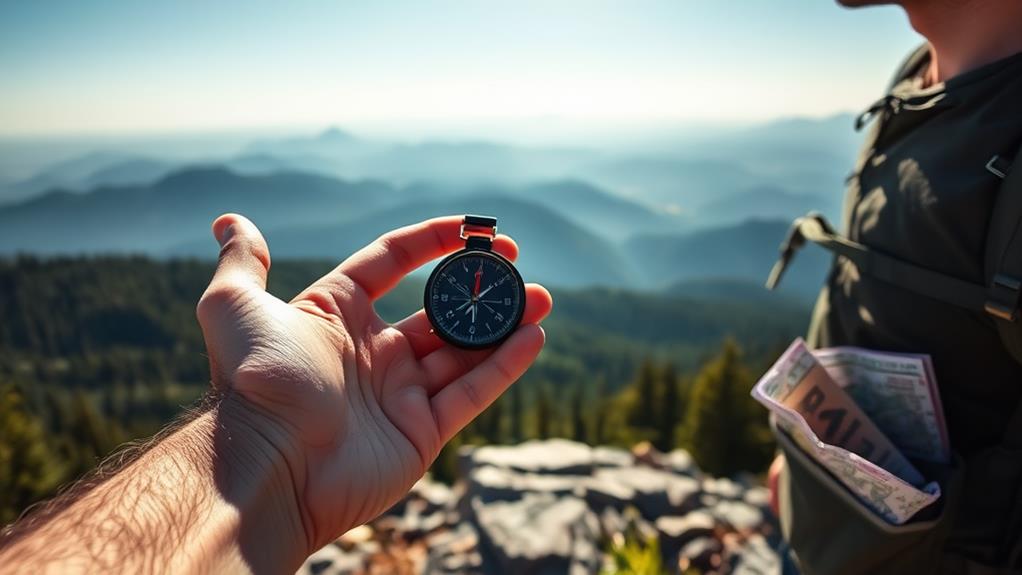
With a compass in hand, you’re ready to tackle the wilderness like a pro. Let’s explore the world of backcountry navigation! First things first, we need to understand how this nifty tool works. The compass’s magnetic needle always points to magnetic north, which is essential for finding our way. But here’s the kicker: magnetic north isn’t the same as true north. That’s where magnetic declination comes in. For example, in Denver, it’s about 8° east. We’ve got to account for that!
When using a compass, we rotate the housing to align our desired direction with the travel arrow. Remember to keep it away from metal objects and electronics – they’ll mess with the readings. And don’t forget to check it regularly as we trek through the wilderness. Happy trails, fellow adventurers!
Recommended Products

Brunton Product

Precise military-grade pocket compass with NdFeB rear earth magnet and sapphire jewel bearing
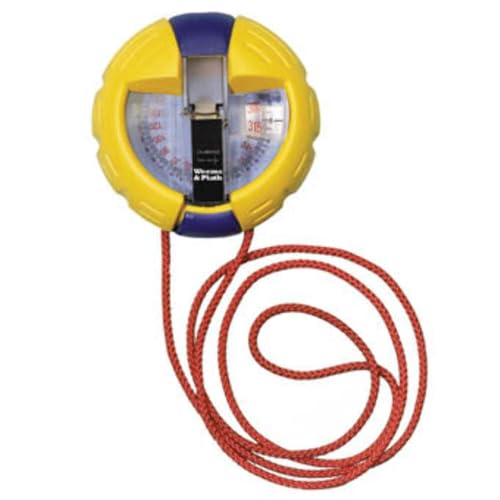
Model number 2005
Understanding Topographic Features
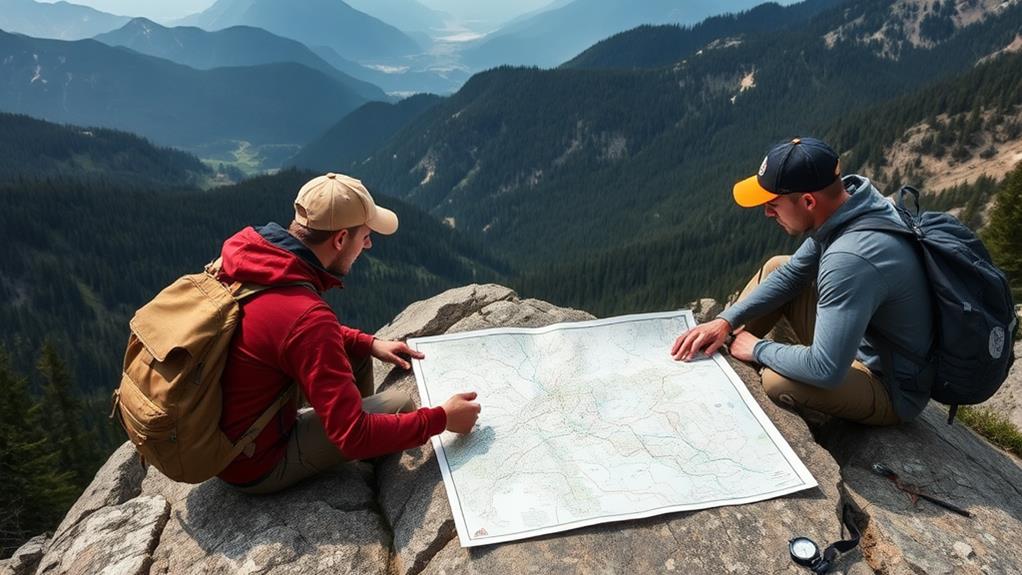
Frequently overlooked by novice hikers, topographic features are essential for successful wilderness navigation. Let’s explore the world of topo maps and contour lines – they’re your ticket to freedom in the great outdoors! We’ve all been there, staring at a map wondering which squiggly line means what. But once you grasp these wilderness navigation techniques, you’ll be reading the landscape like a pro.
Here’s a quick guide to some common landforms:
| Landform | Contour Pattern | What It Means |
|---|---|---|
| Ridge | V-shaped | High ground |
| Valley | U-shaped | Low ground |
| Cliff | Tightly packed | Steep slope |
Recommended Products

SEE YOUR SURROUNDINGS - Includes a 1-year Birdseye Satellite Imagery subscription1

SEE YOUR SURROUNDINGS - Includes a 1-year Birdseye Satellite Imagery subscription1. Display type : Bright, transflective 65k color TFT, dual-orientation touchscreen; sunlight readable

A Bold Gift That Brings Texas's Landscape to Life: This sculptural map captures the elevations, contours, and character of Texas in dimensional detail. Perfect for home offices, classrooms, or cabins - it’s a statement piece for those who feel connected to the land.
Natural Navigation Methods

Out in the wilderness, natural navigation methods can be your lifeline when modern tools fail. We’ve often relied on these age-old techniques to find our way. Let’s explore some game-changing skills that’ll have you moving through the wild like a pro. First up, use landmarks as “handrails” – rivers and ridgelines are your new best friends. The sun’s position is nature’s compass; it rises in the east and sets in the west. Can’t see the sun? No worries! At night, the North Star‘s got your back. We’ve even learned to read animal behavior and plant growth patterns. Ever noticed how vegetation’s denser on north-facing slopes? That’s your clue! These natural navigation methods aren’t just practical; they connect us to the land in ways our ancestors understood. Ready to embrace the freedom of the wild?
GPS Device Essentials

While natural navigation methods are invaluable, modern technology offers powerful tools for wilderness explorers. Let’s explore GPS device essentials, shall we? These gadgets are game-changers when it comes to finding your way in the wild. We’ve all been there – lost in unfamiliar terrain with nothing but a map and compass. But GPS devices take navigation to the next level, providing detailed maps and pinpoint accuracy. To make the most of your device, familiarize yourself with its interface and learn how to upload tracks and waypoints. Trust me, it’ll save you time and frustration on the trail. And don’t forget about battery life! Use those power-saving modes to keep your GPS running in a survival situation. Remember, though – technology isn’t foolproof. Always keep your trusty map and compass as backups.
Recommended Products

[GARMIN TREAD XL BAJA RACE OFFROAD GPS BUNDLE] - Garmin Tread XL Baja Race GPS Navigator, Tread XL Baja Dock, Tread XL Baja Dock Power Cable, Bail Mount, External inReach Antenna, External GPS Antenna, High-Current Power Cable, USB-C Cable, and PlayBetter #Z05 5000mAh Powerbank

This Bundle Contains: 1 Garmin Tread Powersport Off-Road Navigator with Group Ride Radio, Group Tracking and Voice Communication, 5.5" Display + 1 Garmin Tread Audio System with LED Controller, Rugged Design, Premium Quality Audio, Wireless Remote, for Any Off-Road PowerOutdoor Vehicle + 1 Signature Series Lens Cloth

GLOBAL & RELIABLE SERVICE: BlueCosmo Iridium 9555 Phone Kit with a prepaid SIM card. Powered by a sophisticated global constellation of 66 cross-linked Low Earth Orbit (LEO) satellites, the Iridium network provides high-quality voice and data connections over the planet’s entire surface, including across oceans, airways and polar regions. Iridium is the only truly global satellite phone service.
Route Planning Strategies

Let’s explore route planning strategies, the backbone of successful wilderness navigation. We’ll start by identifying the path of least resistance, using topographic maps to assess elevation changes and steepness. It’s essential to incorporate natural features like creeks and ridgelines into our route, making navigation a breeze. Remember, we’re looking for freedom in the wild, not unnecessary challenges!
Here’s a handy table to guide our route planning:
| Consideration | Positive | Negative |
|---|---|---|
| Terrain | Gradual slopes | Steep cliffs |
| Vegetation | Open areas | Dense brush |
| Water sources | Accessible creeks | Deep canyons |
Always cross-reference our planned route with current weather conditions. We don’t want to be caught off guard by unexpected storms or impassable terrain. By following these strategies, we’ll confidently navigate the wilderness, avoiding time-consuming obstacles and enjoying the journey to its fullest.
Recommended Products

IN THE BOX: 1x Garmin Tread Overland GPS Navigator, 1x Suction cup mount, 1x Vehicle power cable, 1x Locking magnet-assisted mount, 1x USB-C cable, 1x Wearable4U E-Bank, 1x Car Charger, 1x Wall Charger, 1x microUSB charging cable
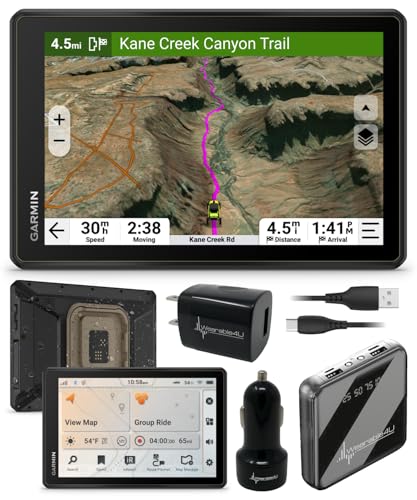
8” high-resolution, ultrabright and glove-friendly touchscreen navigator is purpose-built to withstand extreme temperatures and weather (IP67 dust/water rating) for rugged off-road adventures

Rugged and water-resistant design with button operation and a 2. 6” sunlight-readable color display
Navigating in Low Visibility
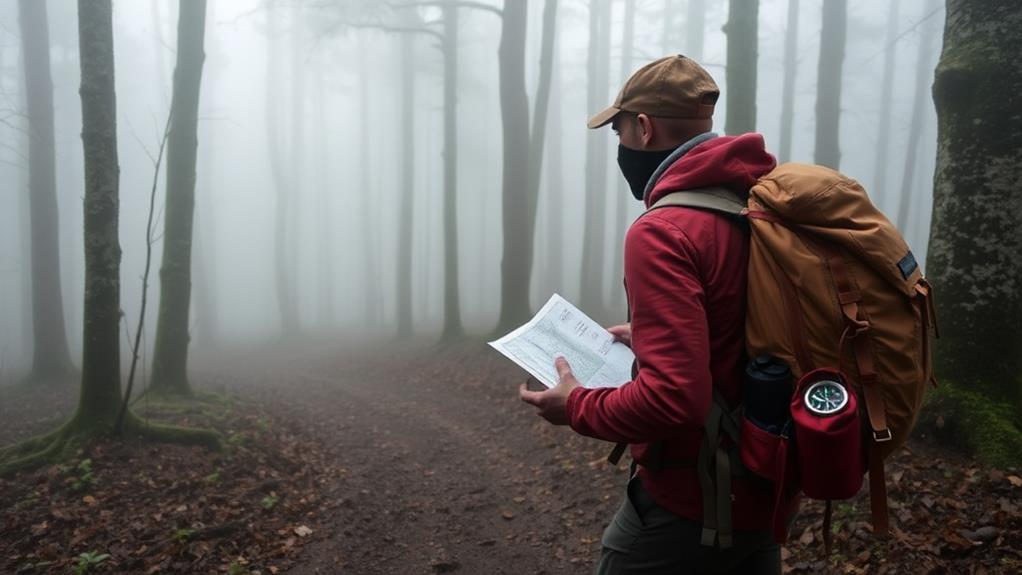
When the clouds roll in and visibility drops, our wayfinding skills are put to the test. We’ve all been there, right? One minute you’re enjoying the wilderness, and the next, you can barely see your hand in front of your face. That’s when our trusty compass and map become our best friends. Sure, a GPS can be handy, but what if it conks out on you? That’s why we always practice the basics. Remember, folks, regularly checking your bearings is key in low visibility situations. Can’t see those usual landmarks? No problem! We can use natural features like ridgelines as our guides. And here’s a pro tip: practice wayfinding in foggy conditions before you actually need to. Trust us, it’ll boost your confidence when you’re out there in the real deal.
Emergency Navigation Techniques
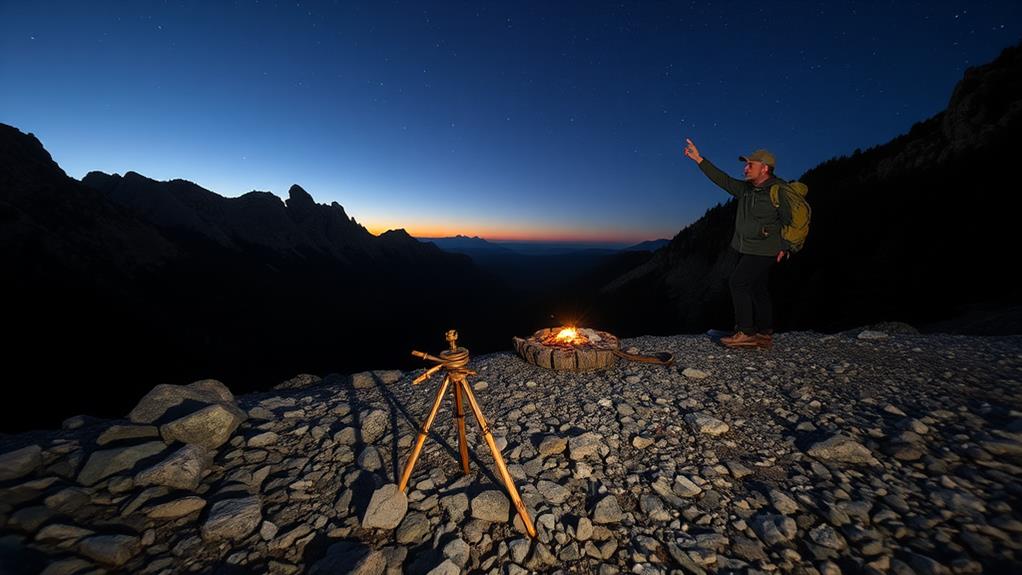
Now that we’ve covered low visibility navigation, it’s time to talk about what to do when things really go south. Let’s face it, getting lost is exactly the wrong situation we want to find ourselves in. But don’t worry! We’ve got some tricks up our sleeves when GPS units fail us. First, know your natural navigation techniques. The sun and North Star are our celestial guides. Remember those landmarks we talked about earlier? They’re your best friends now. Create mental Maps using mountains, rivers, or any distinct features you spot. We can’t stress enough how important it is to practice compass skills and dead-reckoning. Trust us, these skills have saved our hides more times than we can count! And hey, always have a safe zone in mind – it’s your ticket to freedom when things get dicey.
Frequently Asked Questions
What Skills Do You Need to Be a Navigation Officer?
We’re the captains of our ship, charting unknown waters! To navigate life’s seas, we’ll master traditional techniques, map reading, and compass skills. We’ll embrace GPS tech, hone our terrain assessment, and prep for emergencies. Let’s explore freely!
What Is the Best Way to Navigate in the Wilderness?
We’ll master wilderness navigation by blending map reading, compass usage, and recognizing terrain features. Let’s embrace natural navigation skills, but don’t shy away from digital tools. Always be prepared with emergency signaling—freedom means self-reliance in the wild.
How to Learn Navigation Skills?
Like a compass guiding us through life’s wilderness, we’ll chart our course to navigation mastery. Let’s immerse ourselves in online courses, map reading, compass use, and GPS technology. We’ll embrace practical exercises and local workshops for hands-on freedom in the wild.
What Are the Basic Navigation and Orienteering Skills?
We’ll master map reading, compass usage, and terrain association to find our way. Let’s hone our skills in landmark identification, route planning, and environmental awareness. These are the keys to accessing our freedom in the great outdoors.


