⚠️ Disclosure: This post contains Amazon affiliate links. We may earn a commission at no extra cost to you.
As we venture into the world of spring camping, we’re faced with the excitement and challenges that come with unpredictable weather. We’ve all heard stories of perfect camping trips turned soggy or unexpectedly chilly. But don’t let that deter you from experiencing the joys of nature awakening from its winter slumber. In this guide, we’ll share essential tips to help beginners navigate the fickle spring conditions and guarantee a successful outdoor adventure. From packing strategies to campsite selection, we have you taken care of. So, are you ready to discover how to make your spring camping trip both comfortable and memorable?


Key Takeaways
- Check weather forecasts regularly and pack versatile clothing layers for unpredictable spring conditions.
- Choose a sheltered campsite away from water sources and potential hazards like dead branches.
- Invest in quality gear, including a 3-season tent and warm sleeping bag rated for colder temperatures.
- Prepare for rain with waterproof gear, quick-drying clothing, and proper tent placement on higher ground.
- Create an emergency plan with evacuation routes, a designated safe spot, and a well-stocked first aid kit.
Unpredictable Spring Weather Patterns
Spring’s weather rollercoaster can make camping a thrilling adventure. We’ve all been there – one minute you’re basking in sunshine, the next you’re huddled under a tarp as rain pours down. That’s the beauty of unpredictable spring weather! Temperature fluctuations of 20-30 degrees in a single day? Totally normal. And don’t forget about those pesky thunderstorms that seem to appear out of nowhere. But hey, that’s what makes it exciting, right?
To stay safe and comfortable, we’ve got to be prepared. Monitor weather forecasts like a hawk and be ready to adapt to varying conditions. Pack layered clothing and waterproof gear – trust us, you’ll thank yourself later. And when those wind patterns shift, causing gusts that threaten your tent’s stability, you’ll be glad you chose a sheltered spot for your campsite. Freedom-seeking campers, embrace the challenge!
Essential Gear for Varied Conditions
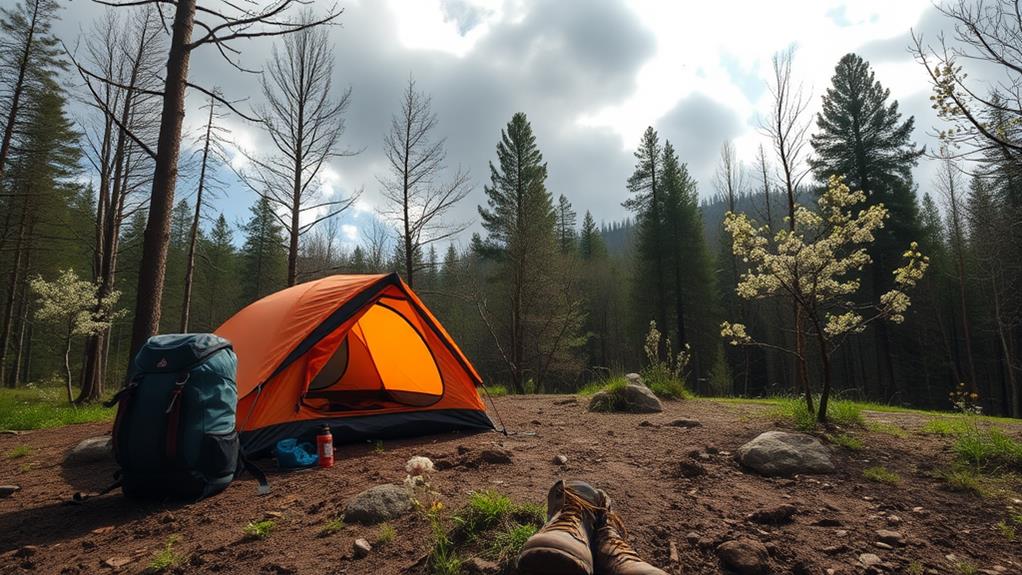
When it comes to spring camping, having the right gear can make or break your outdoor experience. We’ve learned the hard way that spring weather can be unpredictable, so we always pack our trusty 3-season tent and a warm sleeping bag rated for chilly nights. Don’t forget these essentials:
- Moisture-wicking base layer
- Waterproof outer layer
- Wind-proof camp stove
- Compact first aid kit
We can’t stress enough how important it is to be prepared for varied weather conditions. A good camp stove guarantees we can whip up warm meals to keep our energy levels up, while our waterproof layers keep us dry during surprise showers. Remember, freedom in the great outdoors means being ready for anything! With these spring camping essentials, you’ll be set for an unforgettable adventure.
Recommended Products

TRUE 4-SEASON DOUBLE-LAYER HOT TENT - Hexagon uses a tent-within-a-tent design with a separate outer shell and inner tent divided by an insulating air gap to help reduce direct cold transfer in winter, manage condensation in wet weather, and reduce direct heat buildup in warm and hot weather.

PALACE-LIKE SPACE & UNMATCHED COMFORT: Experience the ultimate "From Home to Nature" luxury. With a massive 22FT (6.7M) diameter, this glamping tent boasts an expansive 2.5x4m central living room and side bedroom that comfortably accommodate 10-12 people. We revolutionized the classic bell tent design by raising the side walls to 29.5 inches (75cm) and the door height to 76.7 inches (195cm), completely eliminating the cramped feeling and allowing unhindered, upright movement throughout the cabin

🏕️【Detachable Canopy】Our blow up tent for camping paired with a Detachable Canopy, which effectively blocks direct sunlight,In Summer, it helps reduce the internal temperature of the Air tent, suitable for regions with summer heat, such as Arizona, Nevada, California, and Texas.In Rainy Day,it also serve as an extra waterproof layer, preventing rain from falling directly onto the waterproof inflatable tent thus prolonging its lifespan.
Layering Strategies for Temperature Fluctuations
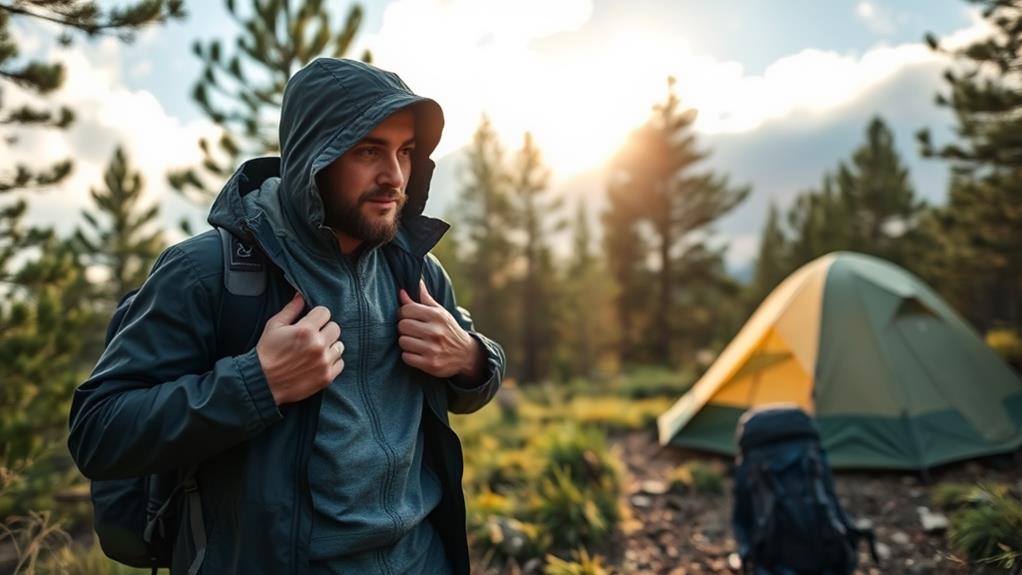
Now that we’ve covered the must-have gear, let’s talk about how to wear it effectively. Layering is our secret weapon against spring weather’s unpredictable temperature fluctuations. We’ve learned the hard way that being caught unprepared can turn a fun adventure into a miserable experience. Start with moisture-wicking base layers made of synthetic materials or merino wool – trust us, they’re game-changers. Next, add insulating mid-layers like fleece or down jackets for warmth. Top it off with waterproof outer layers to shield you from rain and wind. Remember, freedom means being ready for anything! Don’t forget to pack extra layers, including socks and gloves. We once got caught in a sudden spring snowstorm, and those extra layers saved our bacon. By mastering this layering strategy, you’ll be ready to embrace whatever Mother Nature throws your way.
Recommended Products

Ultimate Weather Defense: The Soft Shell waterproof 3-layer fabric system deflects wind, retains heat, and releases moisture; the high-performance fabric helps protect and keep you comfortable while braving the elements

OMNI-HEAT: For versatile lightweight warmth in mild to severe cold. Our patented Heat Reflective garments are the ultimate body heat management system for outdoor performance. Reflects and retains body heat with breathable comfort, and enhanced warmth.
![ORORO [Upgraded] Men's 4-Zone Fleece Heated Jacket with Heated Collar, Heating Fleece Jacket with Battery (Green, M)](https://m.media-amazon.com/images/I/31PTZnAWC1L._SL500_.jpg)
Upgraded Neck Heating: Now with an additional heating zone at the collar, this 4-zone heated fleece jacket delivers targeted warmth to your neck, chests, and expanded back area. Easily adjust between 3 heat settings (High/Medium/Low) with a simple press of a button.
Choosing the Right Campsite
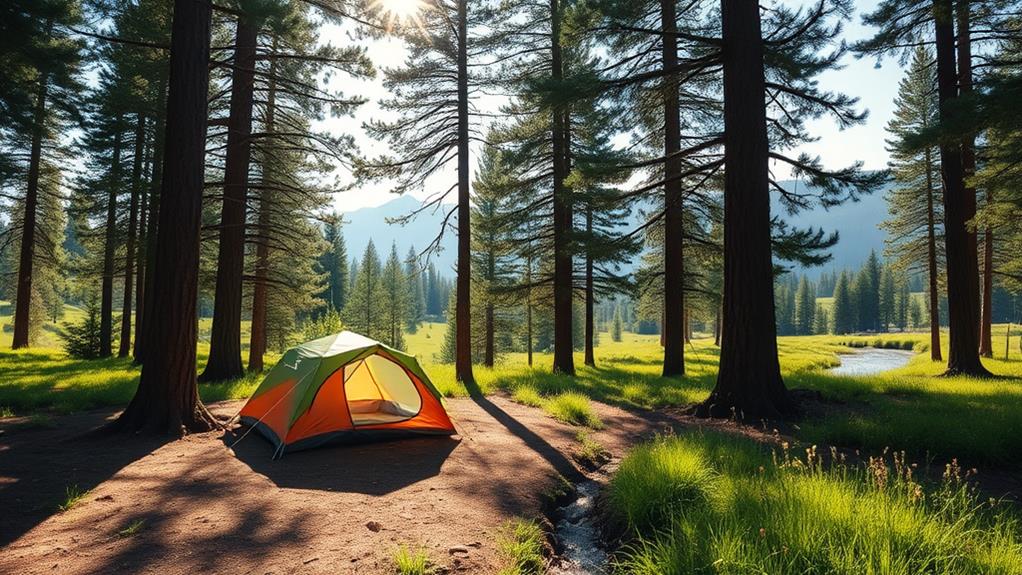
The perfect campsite can make or break your spring camping adventure. When choosing the right spot for your first camping trip, we’ve got some camping tips to guarantee a successful camping trip. Remember these key points:
- Find flat ground at least 200 feet from water sources
- Check local regulations and obtain necessary permits
- Look for areas free of dead branches or unstable rocks overhead
- Consider proximity to hiking trails and available amenities
We’ve learned the hard way that picking a site too close to water can lead to unexpected midnight swims! Always research local rules to avoid fines that could dampen your spirits. Trust us, you’ll want to be near those hiking trails for epic adventures, but don’t forget to check for restrooms and fire pits. After all, freedom in nature is great, but so is a warm campfire and a comfortable bathroom break!
Rain Preparation and Management
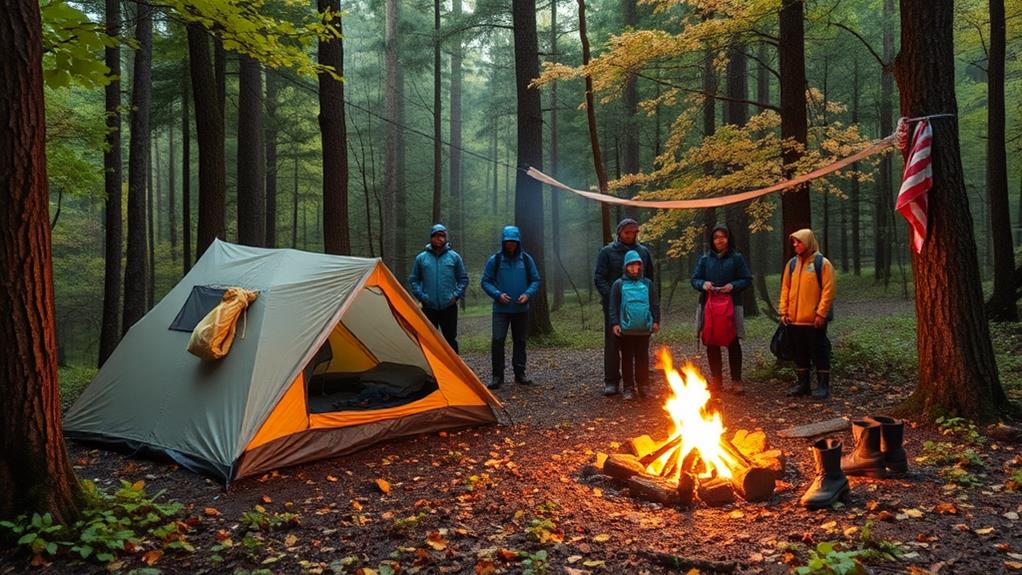
Having secured the perfect campsite, we’ve got to address Mother Nature’s wild card: rain. Don’t let a drizzle dampen your spirits! Our first line of defense is proper rain preparation. We always check the forecast and pack waterproof gear, including a quality rainfly for our tent. Trust us, it’s a game-changer for moisture protection.
Quick-drying clothing is your best friend out here. Ditch the cotton and embrace synthetics – they’ll keep you comfy and hypothermia-free. We’ve learned the hard way that a waterproof storage system is essential. Dry bags are lifesavers for protecting your gear and grub.
When it comes to setup, think drainage. We always pitch our tent on higher ground, away from potential rivers of runoff. Remember, freedom-seekers: a little preparation goes a long way in conquering spring showers!
Recommended Products

Premium TC Canvas Comfort — Built with 210 gsm TC poly-cotton fabric (65% polyester / 35% cotton), the 10.0 PRO breathes better than typical synthetic tents to help reduce condensation and keep the interior calmer.

Material: Fly/ TC (water pressure resistance 13.8 inches (350 mm)), polyester 210d, pole: 6061 aluminum alloy (diameter 1.2 inches (30 mm))
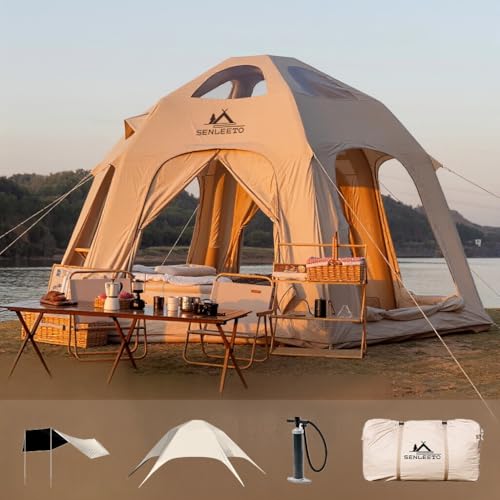
📦【SENLEETO Guarantee 】 For any verified production flaw, Contact our 24/7 customer service you will get a FREE new tent directly—no need for a refund .Cause We stand behind our products.Every tent undergoes a 48-hour inspection for air/water leaks before shipping, ensuring superior quality and reliability for your adventures.
Wind Protection Techniques
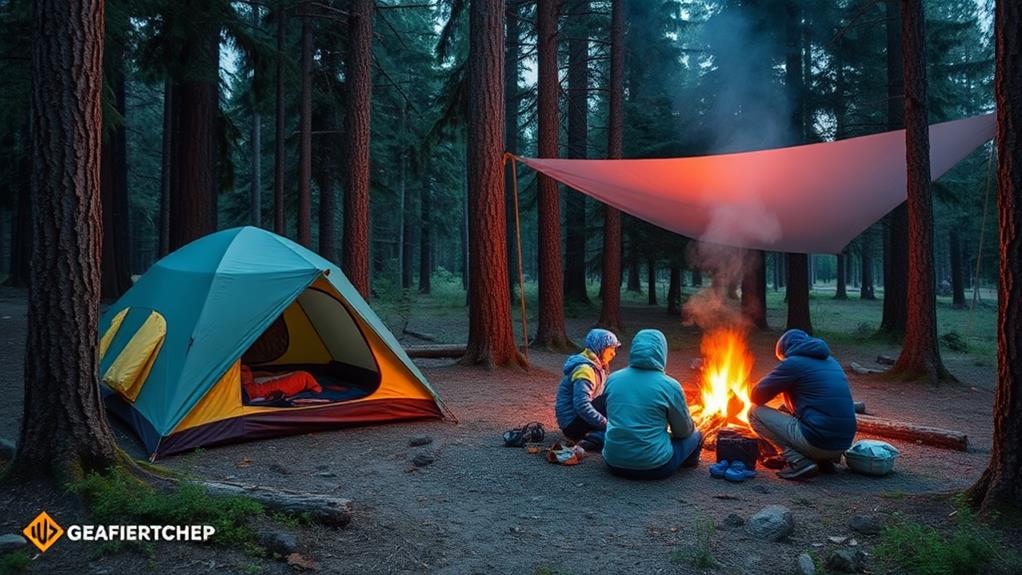
Every seasoned camper knows that wind can be a formidable foe in the great outdoors. We’ve all been there, struggling to keep our tents from becoming airborne kites! But don’t worry, we’ve got some wind protection techniques to help you weather the storm.
Here’s how to keep your camping experience breezy and fun:
- Face your tent entrance away from prevailing winds
- Use natural windbreaks like trees or boulders
- Set up a tarp for extra shelter and a cozy hangout spot
- Secure your tent with guylines and stakes
When choosing your campsite, look for the leeward side of hills or ridges. These spots are like nature’s wind shields! Remember, a well-protected camp means more time enjoying the freedom of the outdoors and less time chasing runaway gear across the wilderness.
Recommended Products
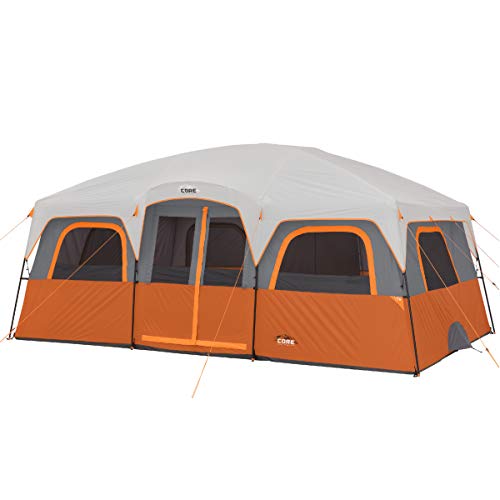
SPACIOUS INTERIOR: Features a nearly straight-wall design for ample standing room and easy movement

Premium Quality - Protect your belongings from the toughest elements with this Large Tarp! Extra thick and lightweight for manoeuvrability but suitable for heavy duty applications like covering equipment, machinery, stored goods or woodpiles.
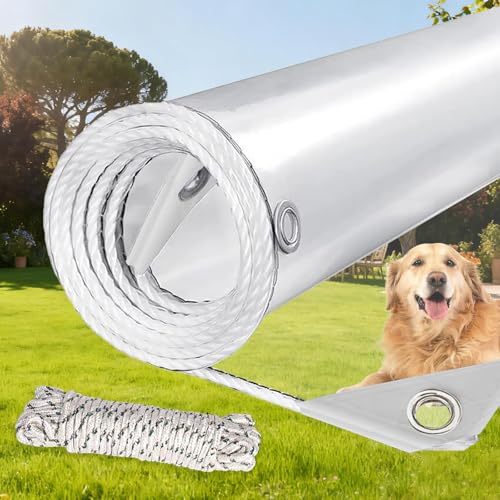
【Clear tarps heavy duty waterproof 】Thick Material, High Temperature Heat-sealed Double-layer Edging, Firm, Tear-resistant, Durable, Transparency: 99.99%; Water Resistance Index: 100%; Thickness: About 0.35mm/weight: 400g/m².
Nighttime Temperature Considerations
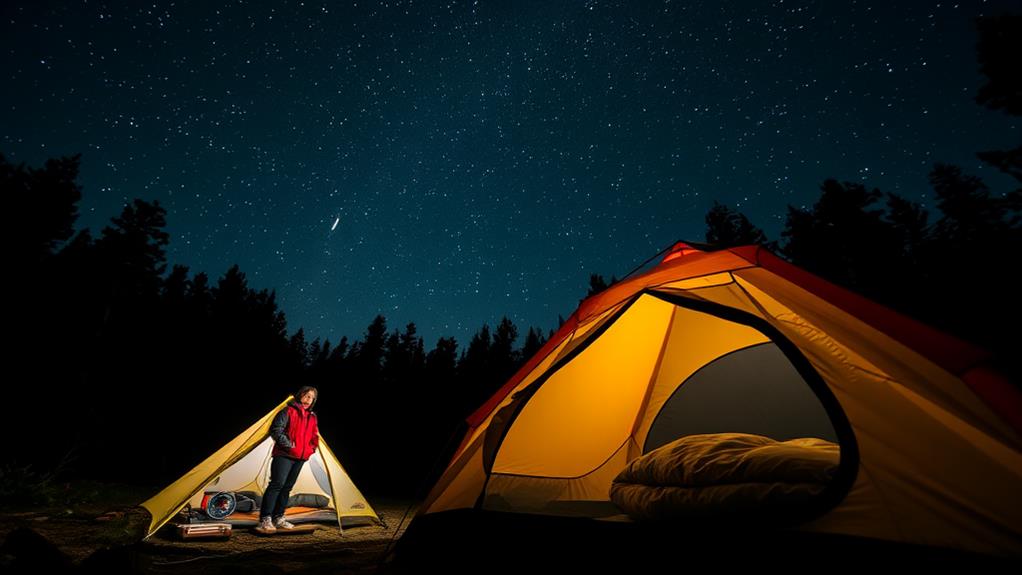
During spring camping trips, nighttime temperatures can catch even experienced outdoorsmen off guard. We’ve learned the hard way that those balmy days can turn into frosty nights real quick! That’s why we always pack sleeping bags with a temperature rating at least 10°F below expected lows. Trust us, you’ll thank yourself when you’re toasty warm at 2 AM.
Don’t forget about the cold ground, either. Sleeping pads aren’t just for comfort – they’re your insulation from Mother Earth’s chilly embrace. And speaking of insulation, layer up! We swear by moisture-wicking base layers topped with insulating mid-layers and an insulated coat if needed.
Emergency Weather Planning
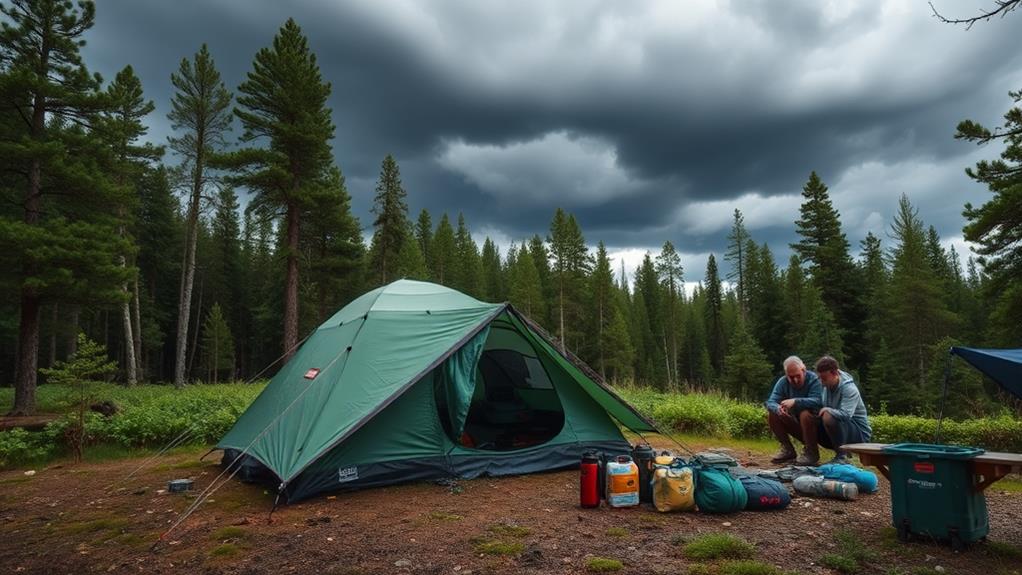
What’s the one thing that can turn a fun camping trip into a disaster? Unexpected weather events! We’ve learned the hard way that Mother Nature doesn’t always play nice, so let’s talk about emergency weather planning.
First things first, always check the weather forecast before your trip. But don’t stop there! Here’s our tried-and-true emergency prep checklist:
- Pack an emergency kit with a first aid kit, extra clothing layers, and non-perishable snacks
- Familiarize yourself with evacuation routes and nearby emergency services
- Designate a safe retreat spot at your campsite for severe weather conditions
- Keep communication devices, like a charged mobile phone, handy for updates
Recommended Products

High Efficiency. When paired with the generator, the 400W portable solar panel achieves optimal efficiency no matter when it rains or shines. Where solar panels are concerned, its conversion rate of 22.4%. With a single 400W panel, the large power bank gets a full recharge in 11 hours and with the 3x400W ones, it gets a full recharge in 3.5 hours.
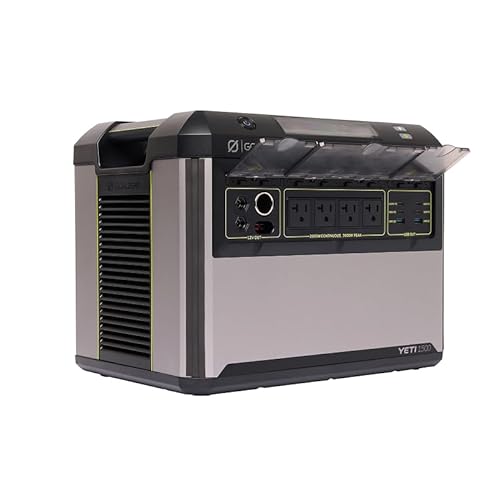
NEW Power More Things: 2,000 watt inverter and 3,600-watt surge means you’ll have home outlet power anywhere you go. Multiple power-hungry devices to run? No problem

5 Watts of Power: Maximize two-way Midland radio range and transform transmission quality for your walkie talkie.
Frequently Asked Questions
What Is the Number 1 Rule of Wild Camping?
In the breathtaking wilderness, we’ve got one golden rule for wild camping: Leave No Trace. It’s our sacred duty to nature conservation. As we select campsites and pack gear, let’s remember we’re guests in the wild’s domain. Freedom comes with responsibility.
What Is the Rule #1 of Camping?
We’ve got to remember, rule #1 of camping is being prepared for weather changes. Let’s pack our gear wisely, stay weather-ready, and prioritize safety. Don’t forget essentials for cooking, fire safety, and wildlife awareness. Freedom awaits in the great outdoors!
How Do Beginners Prepare for Camping?
Did you know 41 million Americans go camping yearly? We’ll help you join them! Let’s cover camping gear, safety tips, meal planning, campsite selection, weather forecasting, essential tools, packing checklists, outdoor activities, fire safety, and first aid. You’ll be ready for adventure!
Is Spring a Good Time for Camping?
We love spring camping. It’s a perfect time to embrace freedom in nature. Let’s pack our gear, choose a great campsite, and stay prepared for changing weather. We’ll enjoy wildlife, outdoor activities, and delicious campfire meals.