⚠️ Disclosure: This post contains Amazon affiliate links. We may earn a commission at no extra cost to you.
Your outdoor first aid kit needs more than just band-aids and aspirin – trust me. Start with the basics: antiseptic wipes, various bandages, gauze, and medical tape for wounds. Add emergency tools like trauma shears and a tourniquet – because when things go wrong, they go really wrong. Don't forget medications: pain relievers, antihistamines, and antibiotics. Weather protection is essential, so pack an emergency blanket and proper gear. Personal protection items like sunscreen, insect repellent, and a PLB could save your life. And yes, there's way more to evaluate when you're serious about outdoor safety.


Key Takeaways
- Pack essential first aid supplies including antiseptic wipes, various bandages, gauze pads, and medications for pain, allergies, and infections.
- Include emergency tools like medical scissors, tweezers, instant cold packs, and a tactical tourniquet for handling severe injuries.
- Carry weather protection items such as an emergency blanket, insulated layers, and rain gear to prevent hypothermia.
- Stock personal protection equipment including sunscreen, insect repellent, disposable gloves, and a CPR mask for safety.
- Add emergency shelter options like a lightweight bivvy bag or weather-resistant poncho for unexpected outdoor stays.
Essential First Aid Supplies
Before heading into the wilderness, you'll need a well-equipped first aid kit with essential medical supplies. Let's be real – nobody wants to deal with an infected wound miles from civilization. Trust me, you'll thank yourself later for being prepared.
Your first aid supplies absolutely must include:
- Antiseptic wipes (because dirt and infections are not your friends)
- Various sizes of adhesive bandages (one size definitely doesn't fit all)
- Gauze pads and adhesive tape (for those bigger oops moments)
- Antibacterial ointment (bacitracin is your best buddy here)
- Tweezers and scissors (because splinters are the worst)
Look, your first aid kit isn't just some random collection of band-aids thrown into a bag. It's your lifeline when things go wrong – and they will go wrong. You need to be ready for everything from minor scrapes to more serious cuts. Each item serves a specific purpose, and skipping any of these essentials is just asking for trouble.
Remember: When you're out there, you're your own emergency room. Pack smart, pack complete.
Recommended Products

Highly Absorbent Pads - Dealmed's ABD Combine Pads are meticulously crafted to offer exceptional absorbency. These extra-thick pads are ideal for managing wounds with heavy drainage, ensuring that excess fluids are effectively absorbed and helping to maintain a dry environment for optimal care.
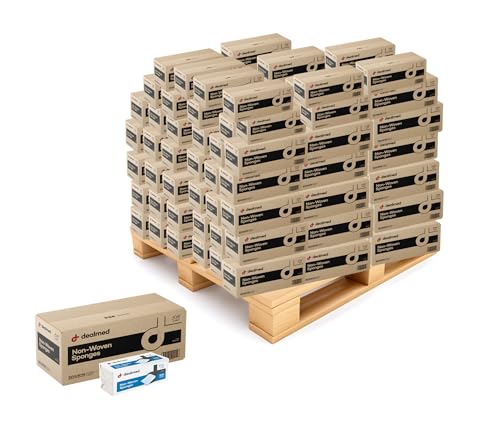
Dealmed 4" x 4" Non-Woven Gauze Sponges, 4-Ply All-Purpose Non-Sterile Gauze Pads, Absorbent Dental Gauze Wound Care for First Aid Kit/Medical Facilities, 200 Count (96 Cases)

Dependable Flood Protection for Homes and Garages: Protect your property before water becomes a costly problem. This Garage Door Flood Barrier creates a strong seal against floodwater, storm runoff, and heavy rain, helping prevent water from entering garages, entrances, basements, workshops, and other vulnerable areas. A practical Flood Blocker for Garage and residential flood defense solution
Emergency Tools and Equipment
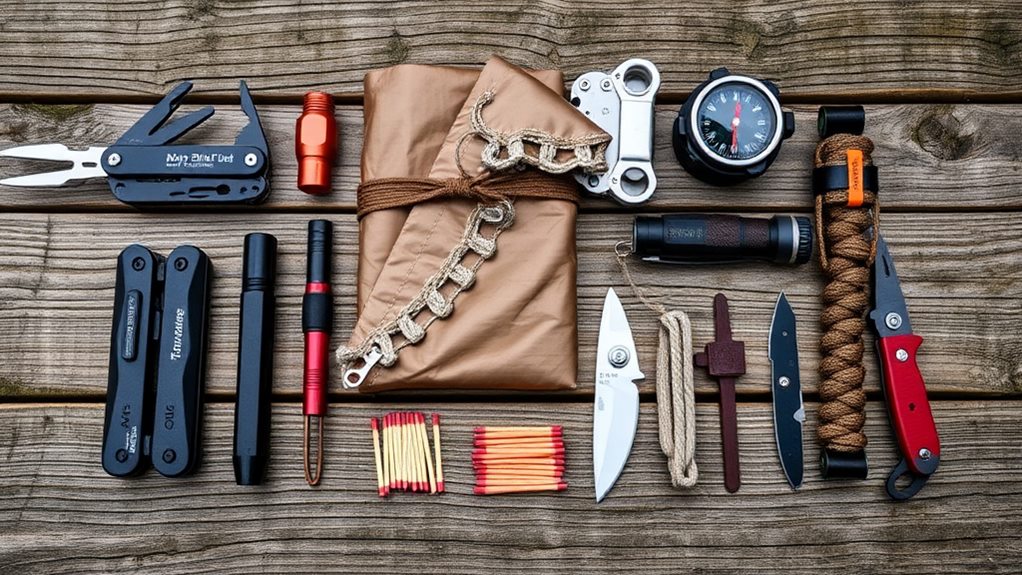
Having your medical supplies ready is only half the battle – you'll also need the right tools to handle any emergency situation. Let's be real: your First-Aid kits aren't complete without the right equipment to actually use those fancy bandages and ointments.
Here's what your Kit Items absolutely must include:
- Scissors – and not those flimsy craft ones. You need sturdy medical scissors that'll cut through clothing or thick gauze when seconds count. Trust me, you don't want to be fumbling with weak blades in an emergency.
- Tweezers – because nobody wants that nasty splinter causing an infection three days into a camping trip.
- Instant cold packs – they're literally lifesavers when you're miles from the nearest ice pack. Sprains and swelling don't care about your location.
- A reliable thermometer – because "feeling feverish" isn't exactly a scientific measurement.
- Emergency whistle – seriously, don't skip this one. When you're lost or injured, your voice will give out long before a whistle will. Three sharp blasts could mean the difference between rescue and, well… let's not go there.
Remember: these aren't optional extras. They're essential tools that could save your life or someone else's.
Recommended Products

72-Hour Family Emergency Kit — Built for home preparedness, power outages, storms, evacuation planning, camping, hiking, road trips, and outdoor use, this family emergency survival kit brings essential food, water filtration, lighting, warmth, power, first aid, cooking gear, and survival tools into one organized setup.

Includes: adjustable lifting strap, adjustable victim strap, one pair of ankle harnesses, two carabineers, storage bag

Reliable and Secure Deployment: The decompression needle features a shock-resistant case, ensuring the needle/catheter remains secure during deployment, providing continuous relief without interruption.
Safety Gear for Weather

Your life literally depends on having the right weather gear in your first aid kit – no joke. Beyond the basic waterproof jacket and moisture-wicking layers you'll need for survival, you've got to pack that emergency blanket and portable shelter because Mother Nature won't wait around while you're unprepared. When it comes to cold weather specifically, don't cheap out on those thermal essentials and hand warmers – pack them all, because you never know when a sunny day can turn into a fight against hypothermia.
Weather Protection Basics
While exploring the outdoors can be exhilarating, proper weather protection gear isn't just about comfort—it's a critical safety necessity. Let's be real: Mother Nature doesn't care if you're unprepared.
Here's what you absolutely need (and I'm not kidding around):
- A seriously waterproof jacket and pants – because hypothermia is no joke, even in mild weather
- Insulated layers (at least 200 grams thick) – because freezing isn't fun
- A wide-brimmed hat and UV-blocking sunglasses – trust me, UV radiation gets nasty at higher elevations
- An emergency blanket – it's tiny, lightweight, and might just save your life
Don't cheap out on gloves. Get the good stuff with Gore-Tex. Your fingers will thank you later, and you'll actually be able to use your hands when it matters.
Look, weather protection isn't rocket science, but it's shocking how many people get it wrong. Pack these essentials, and you won't be that person shivering in a wet t-shirt when the weather turns ugly. Because here's the truth: in the outdoors, being unprepared isn't just uncomfortable—it's dangerous.
Emergency Weather Shelter Options
Emergency shelter options can literally mean the difference between life and death when weather takes an unexpected turn. Let's be real – Mother Nature doesn't care about your hiking schedule, and she'll throw a curveball whenever she feels like it.
Your first aid kit needs these shelter essentials:
- A lightweight emergency bivvy bag – it's basically a life-saving cocoon that reflects your body heat. Don't cheap out on this one.
- Heat-reflective emergency blanket – yes, you'll look like a human baked potato, but you'll be a warm one.
- A compact tarp or mylar blanket – versatile as heck and weighs practically nothing. No excuses for not packing one.
- Weather-resistant poncho – wear it, spread it out, or turn it into a makeshift shelter. Multi-purpose gear is smart gear.
Look, unexpected storms happen. Temperature drops occur. And sometimes trails become impossible to navigate. Having emergency shelter options isn't being paranoid – it's being prepared. When you're shivering in the middle of nowhere, you'll thank yourself for thinking ahead. Simple as that.
Remember: the best emergency gear is the one you actually bring with you. Every. Single. Time.
Cold Weather Safety Equipment
Speaking of battling the elements, cold weather brings its own set of unique challenges that demand specific gear beyond basic shelter. Let's face it – freezing temperatures can kill you. That's not being dramatic; that's just reality. Your cold weather safety equipment needs to be spot-on.
Here's what you absolutely must pack (and no, those thin cotton gloves won't cut it):
- Insulated gloves or mittens – because frostbitten fingers are nobody's idea of fun
- A thermal blanket – those silvery space blankets literally save lives
- Proper layered clothing (base, mid, outer) – trust me, one thick jacket isn't enough
- Insulated water bottle – because yes, you can get dehydrated in the cold
Your feet need serious attention too. Don't cheap out on boots. Get ones with proper insulation and grip – nothing ruins an outdoor adventure faster than cold, wet feet or a nasty slip on ice.
Remember: Cold weather gear isn't about comfort – it's about survival. Sure, you might think you're tough enough to handle the cold, but hypothermia doesn't care about your ego. Pack smart, layer up, and stay alive.
Basic Medication and Treatments

Several essential medications and treatments form the foundation of any well-stocked outdoor first aid kit. Let's be real – you'd be crazy to hit the trails without these basics. Trust me, when disaster strikes, you'll want these meds handy.
Here's what you absolutely must pack:
- Pain relievers like ibuprofen or acetaminophen – because nobody wants to deal with a throbbing headache on the mountain
- Antihistamines (Benadryl's your friend) for those lovely poison ivy encounters or surprise bee stings
- Antibacterial ointment – because even tiny cuts can become a huge problem in the backcountry
- Anti-diarrheal medication (Immodium) – because, well, stuff happens when you're roughing it
- A broad-spectrum antibiotic like Ciprofloxacin for serious infections
Look, basic medication management isn't the most exciting part of outdoor adventure, but it's vital. Skip these essentials, and you might find yourself in a real mess. Seriously, don't be that person who thinks "it won't happen to me." Pack these meds properly, keep them accessible, and you'll be ready when things go south. Because they will – that's just how outdoor adventures work.
Recommended Products

Coast Guard Approved First Aid Kit: Coast Guard Approval #160.041/23/0 ensures this marine first aid kit meets rigorous maritime safety standards

Pro Series Design: Equipped with hospital-quality tools, this professional first aid kit ensures preparedness for backcountry emergencies

PRO KIT CONTAINS OVER 200 ITEMS: Guard life in an instant with our hand selected supply and variety of essential first aid accessories. This mighty med pouch has all the necessities you need for an emergency at home, work, school, or overnight overlanding trip.
Personal Protection Items

Personal protection isn't just about safeguarding yourself – it's about keeping everyone involved in an emergency situation safe. When you're out on the trail, you never know when you'll need to help someone who's bleeding or struggling to breathe. That's why personal protection items are non-negotiable in your first aid kit.
Here's what you absolutely must include:
- Disposable gloves – several pairs, because one is never enough
- Face masks – trust me, you'll want these in confined spaces
- Safety goggles – because nobody wants someone else's blood in their eyes
- CPR face shield or mask – because mouth-to-mouth isn't as romantic as it sounds
- Biohazard bags – for all that nasty stuff you don't want floating around
Let's be real – skipping these items is just plain stupid. Sure, they might take up space in your kit, but you'll be thankful when you need them. And believe me, when someone's bleeding or needs rescue breaths, you won't be thinking about how those gloves cost you a few extra bucks or how that CPR mask was "unnecessary weight."
Be smart. Pack these items. No excuses.
Recommended Products

Fits smaller mirrorless cameras like Sony A73/A6500 and small drones like DJI Mavic Pro II or spark; photo D-ring to tether camera, 2 tripod straps, more!

Industry-leading read/write speeds up to 2,000MB/s. Requires compatible devices to reach USB 3.2 Gen 2x2 USB-C Performance..Computer Platform:PC

Watertight, crushproof, and dustproof
Specialized Wilderness Medical Tools
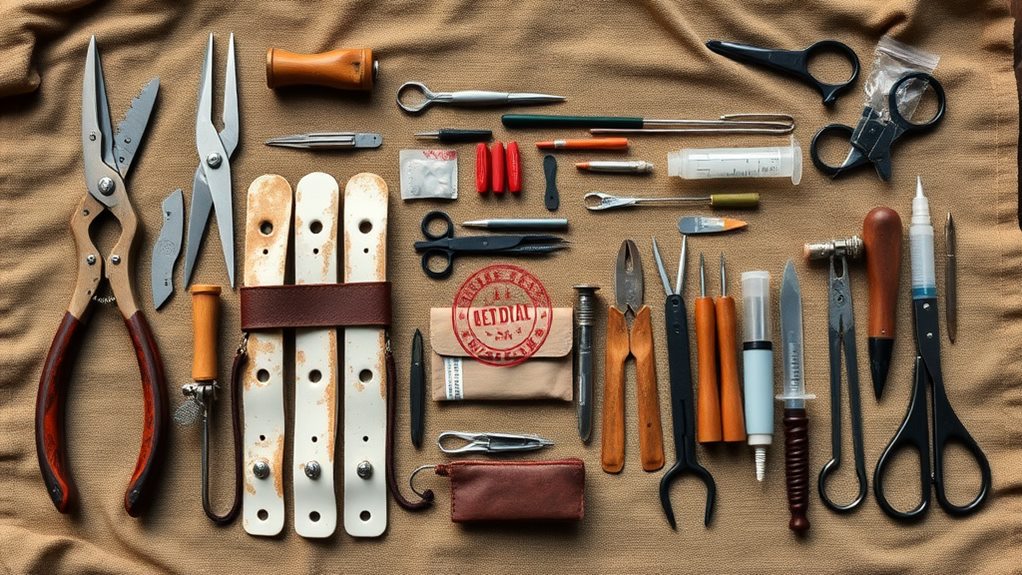
While personal protection gear keeps you safe from contamination, the right medical tools can mean the difference between life and death in the wilderness. Let's face it – when you're miles from civilization, you need serious Aid items that actually work.
First up: trauma shears. These aren't your kitchen scissors, folks. They'll slice through anything from wet clothes to climbing ropes in seconds. Trust me, you'll want these when things get ugly.
Next, grab yourself a SAM splint. This genius piece of equipment stabilizes practically any injury – broken arm? Sprained ankle? Done and done. Pack a portable suction device too, because when someone's choking in the middle of nowhere, you'll be glad you did.
Don't forget these essentials:
- Thermal blanket (because hypothermia is no joke)
- Tactical tourniquet (severe bleeding won't wait for rescue)
Here's the truth: these items might seem excessive for a casual hike. But wilderness emergencies don't announce themselves in advance. When disaster strikes, you'll either have these tools or wish you did. Sometimes being over-prepared is the only option that makes sense.
Recommended Products

TARGET COMPRESSION DEVICE: SJT’s Target Compression Device (TCD) quickly inflates with a removable hand pump or any luer lock syringe, minimizing blood loss. Two TCDs can be used to occlude blood flow bilaterally.

FULLY STOCKED - Contains all the necessary and important items needed for many assault trauma injury situations. Included in this kit are assorted trauma dressings and pads, traumatic bleeding control products, CPR equipment, PPE items, bandages and splints, a blood pressure cuff and stethoscope set, and more, all in a durable rucksack designed for stability, strength, and comfort.

FULL KIT CONTENTS LISTED IN DESCRIPTION BELOW AND IN PICTURE GRID TO THE LEFT:
Frequently Asked Questions
What Should Be in a Survival First Aid Kit?
When you're facing wilderness injuries, you'll need an absolutely incredible survival first aid kit – it's basically your lifeline out there! Here's what you'll want:
- Antiseptic wipes and antibiotic ointment (because infection's no joke)
- Various bandages and gauze (cuts happen, deal with it)
- Multi-tool with scissors/tweezers (trust me, you'll need these)
- Emergency blanket (hypothermia's not fun)
- Emergency supplies like basic meds
Don't skimp on quality – your life might depend on it!
What Should Be in a First Aid Kit on Site?
You'll need basic wound care items plus site-specific supplies, obviously. Stock up on bandages, gauze, antiseptic wipes, and gloves – that's non-negotiable. Don't forget antibacterial ointment and those handy scissors and tweezers. Your site's emergency protocols might require special items too, so check those requirements! Pro tip: keep a first-aid manual in there. Trust me, when you're panicking, you'll want that step-by-step guide. Basic stuff, but super important.
What Should You Put in a First Aid Kit for Camping?
When you're in the great outdoors, you'll want to be prepared like a boy scout on steroids. For essential camping supplies, pack antiseptic wipes, antibacterial ointment, and various bandages. You'll need pain relievers, tweezers, and scissors too. For outdoor injury prevention, don't forget gauze pads and tape. Add an emergency blanket – because hypothermia's no joke. If you've got allergies, an EpiPen's your best friend out there.
How to Make a First Aid Kit in the Wild?
When you're stuck in the wild, you've got to get creative with wilderness injuries. Start by gathering clean leaves and cloth for bandages. Nature's got your back – use honey or aloe vera as natural antiseptics. For pain, willow bark's your friend. Make splints from sticks, and don't forget herbal remedies like yarrow for wounds. Plus, tear up that extra shirt for bandages. Just keep everything as clean as possible. It's not fancy, but it works!