⚠️ Disclosure: This post contains Amazon affiliate links. We may earn a commission at no extra cost to you.
Five emergency signals could save your life in the wilderness – no joke. You'll want to master the three-blast whistle code (it's the universal "Help me!" signal), and keep a signal mirror handy since it works without batteries and can catch attention from miles away. Ground signals should be massive – we're talking 10 feet wide – using bright gear or natural materials. Fire signals work best in a triangle pattern, and don't forget to add green stuff for smoke during daylight. Most importantly, these signals work together as a system, and there's way more to each technique than meets the eye.


Key Takeaways
- Three short whistle blasts are a universal distress signal that carries farther than shouting and works even when exhausted.
- Signal mirrors can effectively attract attention from long distances and require no batteries for reliable emergency communication.
- Three fires arranged in a triangle formation serve as an internationally recognized distress signal visible from aircraft.
- Ground signals should be at least 10 feet wide using bright-colored materials like tarps or jackets for aerial visibility.
- Thick smoke signals created by adding green vegetation to fires provide maximum daytime visibility for rescue teams.
The Three-Signal Rescue Method
When you're in trouble during a camping trip, knowing the Three-Signal Rescue Method could save your life. It's ridiculously simple, yet in emergency situations, it can make all the difference between being found or becoming another statistic. Trust me on this one.
Here's what you need to know:
- Three whistle blasts – Because screaming your lungs out isn't exactly efficient
- Three fires arranged in a triangle – Yes, like a distress beacon for helicopters
- Three flashes with a signal mirror – Make them count!
Look, your first aid kit and essential gear aren't complete without a whistle. Period. It's louder than your voice and works even when you're exhausted. Smart campers know this.
The beauty of using three signals? It's universal. Rescuers aren't going to mistake your three deliberate whistle blasts for random noises. Same goes for three fires or three mirror flashes. Nature doesn't do things in perfect threes – humans do. That's why it works.
Remember: One is random. Two could be coincidence. Three? That's definitely a cry for help. Don't mess around with this stuff.
Recommended Products

Large 3” sunlight-readable color display for easy viewing

Be prepared for any outdoor adventure with our Outdoor Survival Light Carabiner keychain Tool. This multi-functional tool is a must-have for any outdoor enthusiast, camper, hiker, or survivalist. With its portable and durable design, you can take it with you anywhere and use it in any situation.

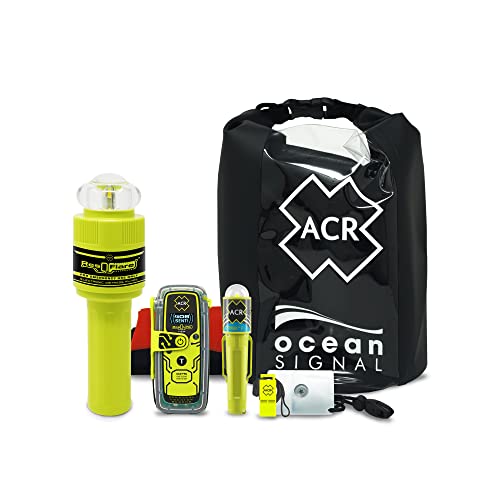
ResQLink View RLS Personal Locator Beacon | Features Return Link Service - Direct confirmation message sent back from Cospas Sarsat Satellite Network
Whistle Codes For Survival

Building on the three-signal method, let's focus on mastering whistle codes – your most reliable communication tool in the wilderness. Trust me, your voice won't cut it when you're stuck in the middle of nowhere. A quality whistle is your lifeline, period.
Here's what you absolutely need to know about whistle codes to guarantee your safety:
- Three short blasts = "Help!" (It's universal, so don't get creative)
- Three long blasts = "I'm literally dying here!" (For life-threatening situations)
Look, these aren't just random outdoor skills to show off at your next camping trip. They're survival essentials. And please, don't cheap out on your whistle – get something waterproof and durable. The last thing you need in an emergency situation is a broken piece of plastic.
Why whistles? Simple math:
- They're louder than your voice
- They work when you're too exhausted to shout
- They carry further in wind and rain
- They're lightweight (no excuses for not bringing one)
Remember: Three blasts. Short or long. That's it. Don't overcomplicate it. Your life might depend on these simple signals someday.
Recommended Products
Be prepared for any outdoor adventure with our Outdoor Survival Light Carabiner keychain Tool. This multi-functional tool is a must-have for any outdoor enthusiast, camper, hiker, or survivalist. With its portable and durable design, you can take it with you anywhere and use it in any situation.

72-Hour Family Emergency Kit — Built for home preparedness, power outages, storms, evacuation planning, camping, hiking, road trips, and outdoor use, this family emergency survival kit brings essential food, water filtration, lighting, warmth, power, first aid, cooking gear, and survival tools into one organized setup.

✅[5-in-1 Survival Whistle]: This must-have survival gear and supplies features a shrill whistle and essential survival tools for any emergency. Ideal for hiking gear, backpacking gear, camping essentials, or for any Emergency Kit.
Signal Mirrors And Reflective Tools

Signal mirrors pack serious punch in your emergency toolkit – they're your long-distance lifeline when you need help. Let's be real: when you're lost in the wilderness, nothing beats a good old-fashioned flash of sunlight to attract attention. Modern versions come with fancy aiming points, but even the basic ones can save your life.
Here's why you shouldn't leave home without one:
- They're lightweight (no excuses for leaving them behind)
- They work at ridiculous distances
- They don't need batteries (take that, fancy electronics!)
- They complement other emergency signaling tools perfectly
Want to use one effectively? It's not rocket science. Point it at your hand or something bright, then adjust until you see the reflection. When you spot rescue crews, aim that beam like your life depends on it – because it might. And don't think your old mirror from three seasons ago is useless. If it reflects light, it works.
Pro tip: Pair your signal mirror with a whistle. Together, they're the dynamic duo of wilderness rescue. One catches the eye, the other grabs the ear. Simple but effective – just the way emergency gear should be.
Recommended Products

14 1/4 inch overall

MADE IN SPAIN – ALBACETE KNIFE TRADITION – Handcrafted in Albacete, Spain, with over 30 years of knife-making heritage, combining semi-handcrafted processes with modern manufacturing techniques.
Creating Ground-Based Visual Signals

While signal mirrors work wonders for catching attention from afar, ground-based signals serve as your 24/7 distress beacon. Let's face it – you need something that works even when you're catching some z's or when weather conditions turn nasty.
Here's what you've got to do to make your ground signals actually work:
- Go big or go home – seriously. Your signal needs to be at least 10 feet wide. Tiny signals are useless from the air, period.
- Use what's around you. Rocks, branches, logs – nature's building blocks are perfect for spelling out "SOS" or creating massive arrows. Just make sure they contrast with the ground beneath them.
- Speaking of contrast – throw down that bright orange rain jacket or that obnoxiously colored tarp you packed. Emergency situations aren't the time to be fashion-conscious.
Keep your signals clean and visible. Mother Nature loves to mess with your hard work, so you'll need to maintain your signals regularly. Clear away any debris that falls on them, and fix them up after storms. Trust me, the last thing you want is your "SOS" looking like "LOL" from above.
Recommended Products
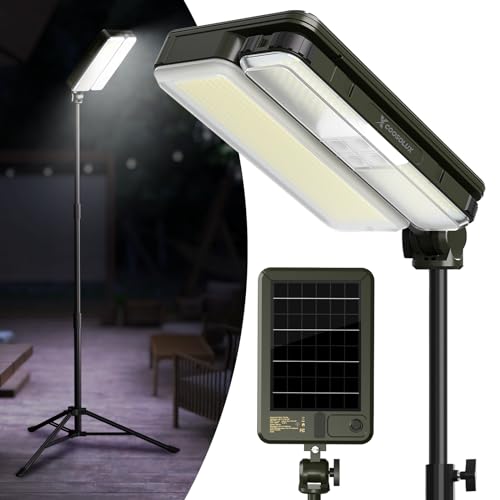
✅【Unique 2-in-1 Light Head】Designed with Non-detachable Main Light & Detachable Side Light, COOSOLUX solar powered stand camping & work light can be used both outdoors and indoors, achieving your various lighting needs. The solar main floor lamp provides bright lightness for garden, yard, picnic, camping, workshop, job site, and the detachable solar side light is a great assistant for your car repairing owing to the magnetic base, hangable hook and nylon lanyard.

Retain Body Heat: This heat-reflective SOL emergency bivvy traps 90% of body warmth, adding to your survival supplies for the great outdoors or emergency survival kit
Fire And Smoke Signaling Techniques
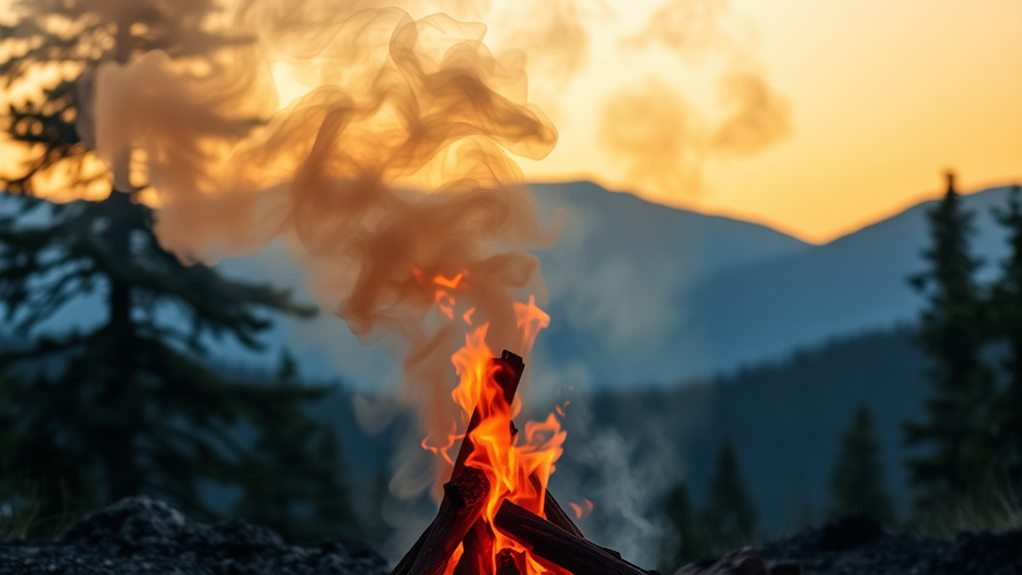
Everyone knows smoke signals from old Western movies, but they're still one of your most powerful tools for wilderness rescue today. Let's face it – when you're lost in the wilderness, a well-executed smoke signal might just save your life.
Here's what you need to know about fire signaling:
- The magic number is three. Always create three fires in a triangle formation – it's the universal "Help me!" signal that rescuers recognize instantly. One fire? You might as well be roasting marshmallows.
- During daytime, smoke is your best friend. Toss some green vegetation or wet materials onto your fire. The thicker the smoke, the better your chances of being spotted. Just don't suffocate yourself in the process!
- At night, it's all about the flames. Keep them bright and visible.
Remember to stay safe while playing with fire (yes, your mom was right about that one). Keep your signal fires contained and controlled. And don't just sit there silently – use a whistle or shout while tending to your fires. The more ways you can grab attention, the faster help will arrive.
Recommended Products

DATREX INC. IKAROS 3 Minute Buoyant Orange Smoke Signal - BUOYANT Orange Smoke

✅[5-in-1 Survival Whistle]: This must-have survival gear and supplies features a shrill whistle and essential survival tools for any emergency. Ideal for hiking gear, backpacking gear, camping essentials, or for any Emergency Kit.
Frequently Asked Questions
How Long Should Campers Wait Between Sets of Three Emergency Signals?
you'll want to wait one full minute between each set of three signals. That's the universal standard for signal duration in emergencies. Whether you're using a whistle, flare, or just yelling, this timing guarantees maximum signaling visibility and ideal response time. It's not rocket science – three signals, wait 60 seconds, repeat. Trust me, rescuers know this pattern. And don't get creative – stick to this timing. It works.
Can Animal Calls Be Mistaken for Emergency Whistle Signals?
As you're sitting in the dark woods, hearing that eerie owl hoot, you bet animal calls can be confused with emergency whistles! It's essential to develop your animal call identification skills and wildlife behavior awareness. While most animal sounds are distinctive, acoustic signal differences aren't always clear in stressful situations. To avoid miscommunication risks, listen carefully – animal calls are typically more varied and irregular, while emergency signals come in clear sets of three with consistent intervals.
What Backup Signaling Methods Work Best During Heavy Rainfall?
When it's pouring, you'll want multiple backup options. Waterproof whistles are a no-brainer – they're loud and reliable even in the worst downpours. Keep reflective surfaces and signal mirrors handy, but remember they're pretty useless without some sunlight breaking through. Emergency flares are your best friend in heavy rain – they'll cut right through the mess. Pro tip: store them in waterproof containers. Don't get caught unprepared. Weather changes fast.
Do Emergency Signals Differ When in Desert Versus Forest Environments?
Ever wonder why rescue teams need different signals in different environments? You bet they do! In desert conditions, your best bet is large ground signals visible from above – think "X" marks made from rocks or debris. But forest challenges are totally different. Dense tree cover means you'll need both ground-level and elevated signals. Signal visibility depends on terrain considerations – deserts need bigger markers while forests require strategic placement in clearings. Smart signaling saves lives.
Should Solo Campers Use Different Emergency Signaling Techniques Than Groups?
Yes, you'll need to adjust your signaling tactics when camping alone. Solo camper strategies require more energy-efficient methods since you're handling everything yourself. While groups can coordinate multiple signals or take shifts, you're a one-person show. Focus on passive tools like reflective markers and whistles that don't drain your energy. Smart risk assessment techniques are essential – you can't afford to waste resources when you're flying solo out there.