⚠️ Disclosure: This post contains Amazon affiliate links. We may earn a commission at no extra cost to you.
Building a survival shelter isn't rocket science – it's all about smart basics. First, find a spot 200 feet from water with two sturdy trees about 10-15 feet apart. You'll need branches, leaves, and a tarp if you've got one. Stay away from dead trees and loose branches overhead – they're accidents waiting to happen. For a quick setup, go with either an A-frame or lean-to design using whatever nature gives you. Pack the walls with leaves for insulation and create an elevated floor to keep dry. Test your shelter's stability by pushing on it. There's way more to learn about keeping yourself alive out there.


Key Takeaways
- Choose a location 200 feet from water, between sturdy trees, and clear of overhead hazards for safe shelter placement.
- Gather essential materials including branches, leaves, tarps, and cordage before starting construction.
- Begin with a simple A-frame or lean-to design, using two trees as support points for the main structure.
- Create a waterproof roof using overlapping materials and ensure proper slope for effective water runoff.
- Test shelter stability by applying pressure to walls and checking connection points before settling in.
Essential Shelter Building Materials
The cornerstone of any successful survival shelter lies in gathering the right materials. Let's be real – you can't just throw together whatever you find and expect it to keep you alive. Building shelters requires strategy, and it starts with knowing what to collect.
Here's what you absolutely need (no compromises):
- Natural materials – branches, leaves, and moss are your best friends for insulation. Trust me, you'll want these when temperatures drop.
- Tarps – lightweight and versatile. If you don't have one in your pack, you're doing it wrong.
- Cordage – whether it's paracord or natural fibers, you need something to tie everything together.
- Rocks – they're everywhere and perfect for anchoring your shelter against wind and rain.
When choosing a location for your shelter, look for areas rich in these materials. A fallen tree? That's jackpot territory – instant structure and protection from the elements. Remember, the environment's your supplier. Learn what grows around you. The more you understand your surroundings, the better your shelter construction will be. Nature provides everything you need – you just need to know where to look.
Recommended Products

Hammock tarp provides a waterproof shelter over a hammock

Ultralight and compact; made from tape seam-sealed waterproof 15 denier Ultra-Sil Nano nylon
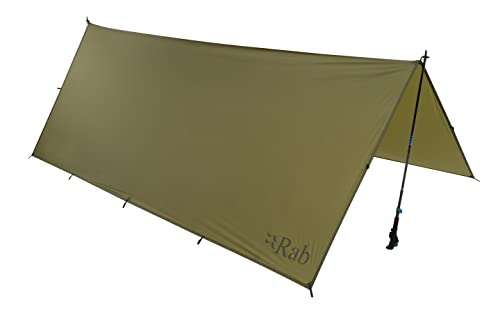
Truly Minimalist | This ultralight shelter was developed for adventure racing, which demands a shelter that blends weather protection and ease of use with minimal weight.
Choosing Your Shelter Location

Survival experts know that selecting the right spot for your shelter can mean the difference between life and death. In wilderness survival, you can't just plop down anywhere – location matters, big time.
First things first: get at least 200 feet away from water sources. Trust me, you don't want surprise animal visitors or flooding issues when you're trying to catch some z's. Look for two sturdy trees about 10-15 feet apart – they'll be essential for your shelter's structure. And please, for your own safety, look up! Dead trees or loose branches overhead are basically nature's guillotines waiting to drop.
Your ideal location should offer immediate protection from harsh weather conditions. Natural windbreaks like hills or thick vegetation are your best friends here. They'll shield you from those brutal gusts that always seem to pick up at night.
Before settling in, clear the ground thoroughly. Nobody wants rocks jabbing their back while trying to sleep. A comfortable sleeping surface isn't just about comfort – it's about conserving energy and staying alive. Remember: in survival situations, even small details matter. Choose wisely, or you might regret it later.
Recommended Products

Premium Construction: Industrial grade poly tarp made from 12 MIL thick polyethylene material; Stronger and more durable than standard tarps found in stores; Remains flexible even in harsh winter conditions; Perfect for all weather protection

HEAVY DUTY BLUE POLY TARP: 5 mil waterproof blue poly material with UV resistance, aluminum grommets, and rope-reinforced edges for durable outdoor protection.
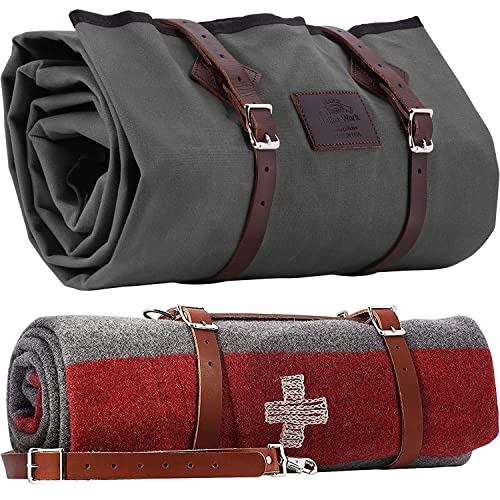
Made in USA, Heavy Duty 16 Oz. Waxed Cotton Canvas: The Helko cowboy bedroll allows you to easily travel and set up camp without the need for sleeping bags, tarps, or tents. Just unroll where you plan to sleep, and crawl inside with a warm wool blanket.
Basic Shelter Construction Methods
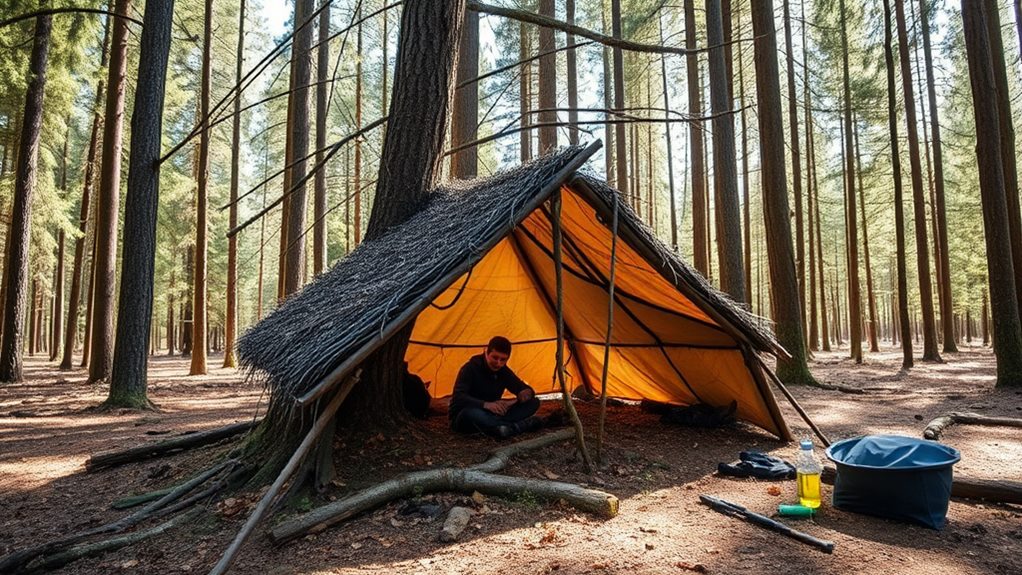
Mastering basic shelter construction starts with understanding a few time-tested methods that'll keep you protected in the wilderness. Let's be real – when you're in a survival situation, you can't exactly call room service.
Here's what actually works:
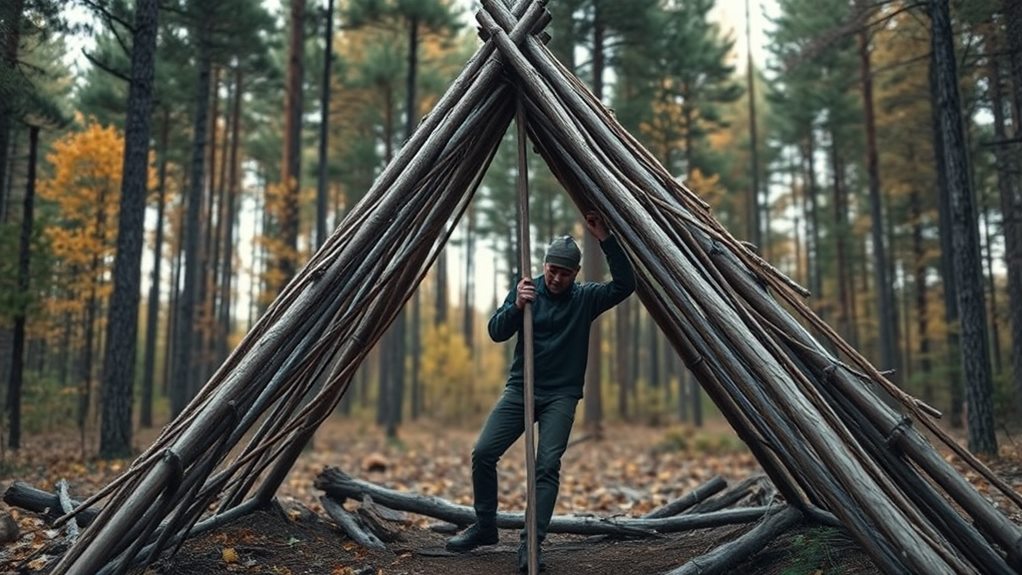
- A-frame shelters: Your best friend in the wild. Just lean some sturdy branches against a central beam and boom – instant triangle of safety. Trust me, it's not rocket science, but it works.
- Lean-to shelter: Find two trees, connect them with a strong branch, and make a slanted roof that'll shed water like nobody's business. Simple? Yes. Effective survival? Absolutely.
- Debris huts: Nature's insulation at its finest. Pile on those leaves and pine needles – the thicker, the better. You'll be surprised how cozy it gets.
- Tarp shelter: If you're lucky enough to have a tarp, you're golden. Two trees, some paracord, and you're set. Bonus: it's crazy versatile.
Building these shelters isn't about being fancy. It's about staying alive and dry. The key is using what's around you – branches, leaves, whatever Mother Nature's offering up. Sometimes the simplest solutions are the most effective.
Recommended Products

PREMIUM PROTECTION: Elevate your outdoor adventures with our heavy-duty waterproof poly tarp. Whether camping or covering equipment, this heavy duty tarp delivers the ultimate protection. This heavy duty tarps waterproof is constructed of premium grade 3 Ply material and both sides are coated with a solid polyethylene that is incredibly durable, waterproof, and flexible. #2 aluminum grommets in the corners for secure tiedown or easy fastening and spaced approximately every 18-inches.

MADE IN USA: The Helko cowboy bedroll allows you to easily travel and set up camp without the need for sleeping bags, tarps, or tents. Just unroll where you plan to sleep, and crawl inside with a warm wool blanket.

100% WATERPROOF: Dual-coated 70D ripstop nylon (5,000 mm) with heat-taped seams keeps you dry in driving rain and shifting winds.
Weather Protection Techniques

Shelter's ability to protect you from the elements can mean the difference between life and death in a survival situation. Let's face it – Mother Nature isn't always your friend, and you need to be ready for her worst moods.
When you build your survival shelter, location is essential. Find a spot with natural windbreaks – dense trees or hills work great. Trust me, you'll thank yourself later when those nasty winds come howling.
Here's what you absolutely must do for proper weather protection:
- Cover your shelter with a waterproof tarp or layer natural materials like leaves and branches. Water pooling on your roof? Yeah, that's a rookie mistake.
- Pack those walls with insulation! Stuff them full of leaves, grass – whatever nature gives you. Cold weather's no joke.
- Get off the ground, period. Use logs or thick leaf layers for your floor. Ground moisture is your enemy.
- Set up a fire pit outside. But don't be stupid – make sure your shelter has proper ventilation. Nobody wants to wake up in a smoke-filled death trap.
Remember: Your shelter construction needs to work with nature, not against it. Simple as that.
Recommended Products

MATERIAL: canvas, it provides you with the greatest value because of its performances of rip resistance & Abrasion resistance, resistance, heat insulation, anti-aging, easy to fold

Premium Construction: Industrial grade poly tarp made from 12 MIL thick polyethylene material; Stronger and more durable than standard tarps found in stores; Remains flexible even in harsh winter conditions; Perfect for all weather protection

Highly Durability: Our tarps feature an increased fabric weave count, enhancing their strength and resistance to tears, punctures, and other damages. Built to withstand the most challenging conditions, ensuring long-term reliability.
Testing Your Shelter's Stability
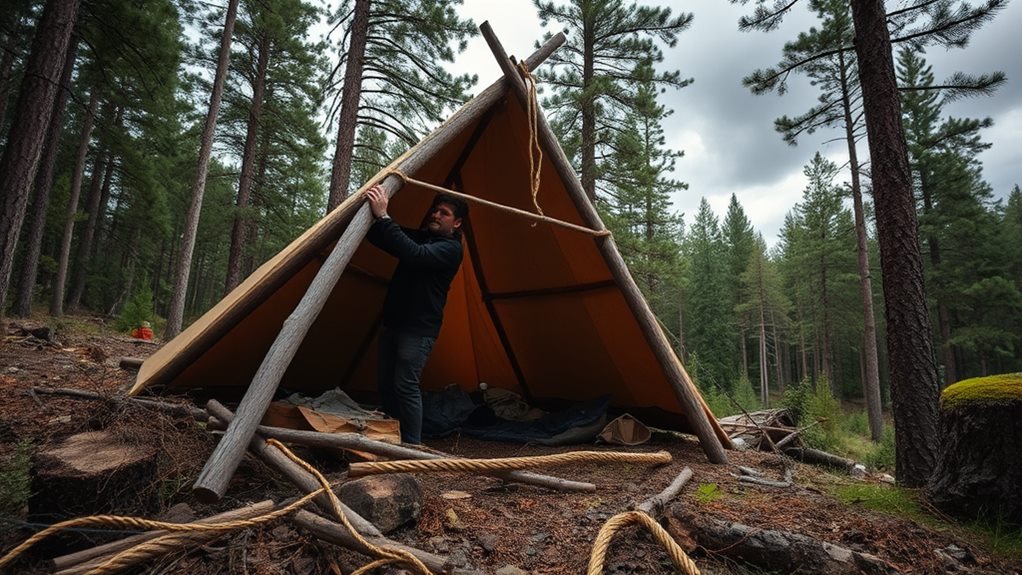
Testing up against disaster isn't something you want to do when your life's on the line. That's why testing your shelter's stability before you actually need it is absolutely essential. Let's face it – a shelter that collapses while you're sleeping isn't much of a shelter at all.
Want to guarantee your shelter won't fail you? Here's what you need to do:
- Give those walls and roof a good push. Yeah, really push them. If they're wobbling like crazy, you've got work to do.
- Check for gaps and weak spots, especially where everything connects. One tiny hole can turn into a big problem real quick.
- Watch how your shelter handles environmental factors – wind, rain, whatever Mother Nature throws at it. If it's swaying like a drunk person, that's a hard no.
Don't forget to test the load-bearing capacity. Throw some weight on there – backpacks, logs, whatever you've got. And please, for your own sake, do regular stability checks. Weather can mess things up fast, and you don't want to find that out the hard way.
Remember: A stable shelter keeps you alive. An unstable one? Well, let's not go there.
Recommended Products

GOLBERG'S 750LB TYPE IV MIL-C -5040-H is perfect for outdoor, emergency, survival, camping, hunting, fishing, and hiking uses to name a few! We know you need paracord that isn’t only good in certain circumstances, you need something that will be as tough as you are and stand up to any heavy-duty task you give it without losing shape or breaking, and this paracord is it. Made with the highest quality woven nylon.

Commercial-Grade Beach Shade Canopy: COMMOUDS beach canopy tent sun shade 12x12ft is a portable fortress – 144 sq.ft coverage for 8-10 people! Used by surf schools, food vendors, and sports event planners.7.7ft clearance fits standing tables. Heavy-duty yet packs to 32" – beats renting bulky tents!

750 PARACORD — Type IV paracord is made of 100% Nylon with 11 inner multipurpose strands and a tensile strength of 750 lbs (26% stronger than 550 paracord) with a diameter of 4mm.
Frequently Asked Questions
How to Build a Simple Survival Shelter?
Like a protective cocoon in nature's chaos, your survival shelter starts with smart site selection – find level ground between sturdy trees. You'll need basic tools: a tarp, paracord, and whatever nature provides. First, tie a tight line between trees, then drape your tarp over it. Secure corners with rocks or stakes. Add insulation using leaves and debris. Remember, it's not the Hilton, but it'll keep you alive and dry.
What Are the Most Important Things to Do When Building a Shelter in the Wild?
First, you'll need to nail the shelter location – pick somewhere high and dry, away from dead trees and animal paths. Smart material selection is essential; gather what's sturdy and waterproof. Focus on solid insulation techniques using natural materials, and don't forget water drainage – nobody likes a flooded shelter! Consider wildlife and guarantee proper ventilation. For longer stays, structural stability is key. Keep emergency signaling in mind – you might need rescue!
How Long Does It Take to Build a Survival Shelter?
You're looking at anywhere from 1 to 4 hours to build a basic survival shelter, depending on your skill level and what you're working with. Simple debris huts? Quick and dirty – about an hour if you've got decent materials nearby. But if you're tackling something fancier like a snow cave, you'll need more time. Weather can really mess with your timeline too. Just remember: rushing means mistakes, and mistakes could mean freezing later.
What Is the Best Survival Shelter for Cold Weather?
Did you know that properly insulated debris huts can maintain temperatures 30-40°F warmer than outside? For cold weather survival, you'll want to build a debris hut. It's your best bet. Pack it with leaves and grass for insulation, and you're golden. Get your location selection right – find natural wind protection and stable ground. Add emergency gear like thermal blankets for backup. Just don't forget proper fire safety if you're adding a heat source nearby.