⚠️ Disclosure: This post contains Amazon affiliate links. We may earn a commission at no extra cost to you.
When you're out in the wild, clean water is non-negotiable – period. You've got five solid options to stay hydrated safely: Boiling is old-school but bulletproof, killing nasties with a one-minute rolling boil at sea level. Chemical treatments like chlorine tablets work great in a pinch, just pack your patience for that 30-minute wait. Portable filters are your fast-track to clean water, pumping out 1-2 liters per minute. UV purification systems zap bacteria in 90 seconds flat, while natural filtration with sand and charcoal works when you're really roughing it. Trust us – there's way more to each of these methods than meets the eye.


Key Takeaways
- Portable water filters offer immediate access to clean water with fast filtration rates of 1-2 liters per minute while camping.
- Boiling water for one minute at sea level or three minutes above 6,500 feet effectively kills all pathogens.
- UV light purification systems quickly treat water in 90 seconds per liter and effectively eliminate bacteria, viruses, and protozoa.
- Chemical treatments like chlorine or iodine tablets provide reliable purification within 30-60 minutes with minimal equipment needed.
- Natural filtration combined with boiling creates a dual-treatment approach using available materials like sand, charcoal, and gravel.
Boiling Water: The Traditional Method
When it comes to water purification, boiling remains one of the most trusted and effective methods available. Let's face it – if you're out in the wilderness, you need water that's safe to drink, and boiling water is about as foolproof as it gets.
Here's what you need to know:
- At sea level, a rolling boil for just one minute will kill those nasty pathogens
- Above 6,500 feet? Give it three minutes (yes, altitude matters – who knew?)
- Got murky water? Filter out the gunk first, because boiling won't magically make those leaves disappear
Look, it's pretty straightforward. You've got water, you've got fire – boom, you're in business. But there are some downsides you should consider:
- It takes time to boil and cool (nobody likes a scalded tongue)
- You'll need enough fuel to keep that fire going
- It won't remove chemicals – sorry, but boiling isn't a miracle worker
For quick day hikes, you might want something more convenient. But if you're at camp and need to purify water for cooking anyway? Boiling is your best friend. Just remember to let it cool down first – patience is a virtue, even in the wilderness.
Recommended Products

H2o Labs Best-in-Class Models: Our most popular countertop Model 300SS water distiller for home & office has a stainless-steel exterior, evaporator & condensing coil, and it has a top-quality 1 gallon borosilicate glass carafe with ergonomic “Easy Lift, Easy Grip” handle.

EMERGENCY WATER FILTRATION: Ensure access to potable drinking water in emergencies, off-grid situations, or survival scenarios. Our gravity powered bucket system requires no electricity, making it an essential addition to disaster preparedness kits, hurricane supplies, and emergency shelters. Ideal for families, preppers, and outdoor adventurers who need a reliable water filtration solution
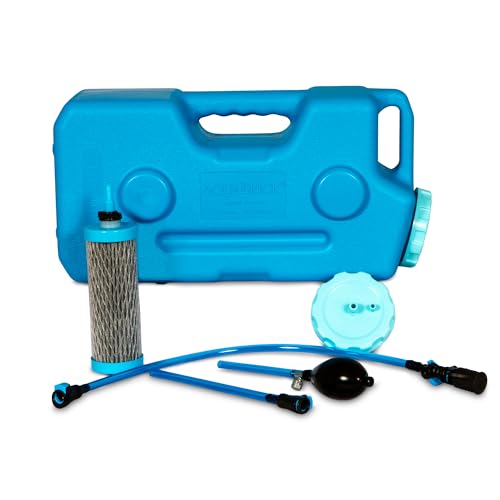
✅ Portable water purification system purifies ANY non-salt water source, such as lakes, streams, rivers, flood water. Ideal portable water filter for camping, outdoor recreation, scouting, emergency preparedness, survival and everyday use.
Chemical Treatment Options
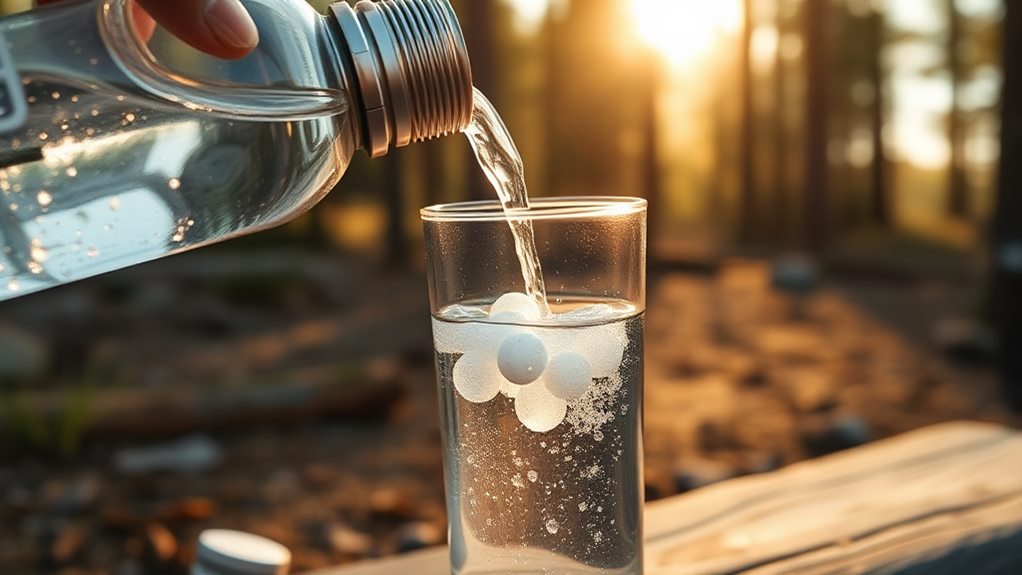
Let's explore chemical treatment options – they're your lightweight solution for clean water on the trail. When you're miles from civilization, these tiny tablets and drops can literally save your life. No joke.
Your main choices? Pretty straightforward:
- Chlorine tablets: Wait 30-60 minutes. Done. Simple but effective.
- Iodine tablets: 30-minute wait time. Yeah, they taste weird, but they work.
- Chlorine dioxide drops: Takes forever (up to 4 hours!), but kills basically everything, including those nasty Giardia bugs.
Here's the deal – you've got to follow the instructions exactly. Two drops per liter of bleach might seem random, but trust me, there's science behind it. Don't get creative with dosing unless you're fond of stomach issues.
Pro tip: Can't stand the taste? Wait a few extra minutes after treatment. It helps. Still tastes like pool water? Too bad. Better than drinking bacteria soup. Remember, purifying water isn't about winning a taste contest – it's about not getting sick on the trail. These chemical treatments might not be fancy, but they're reliable when used correctly.
Recommended Products

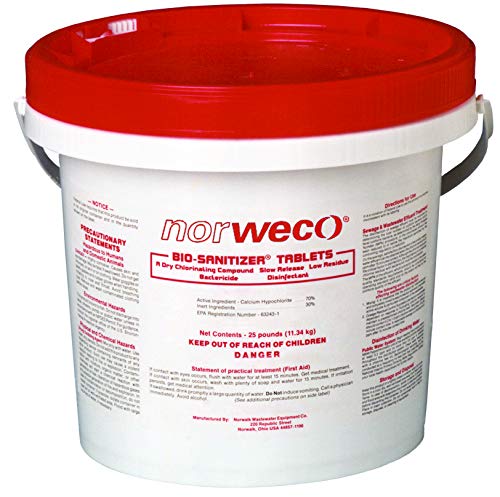
70% available chlorine, specifically formulated for residential wastewater treatment systems

Exclusive Protective Packaging: Each 5pcs 3 inch chlorine tablets for pool are tightly wrapped in a protective plastic box to prevent accidental breakage .
Portable Water Filters
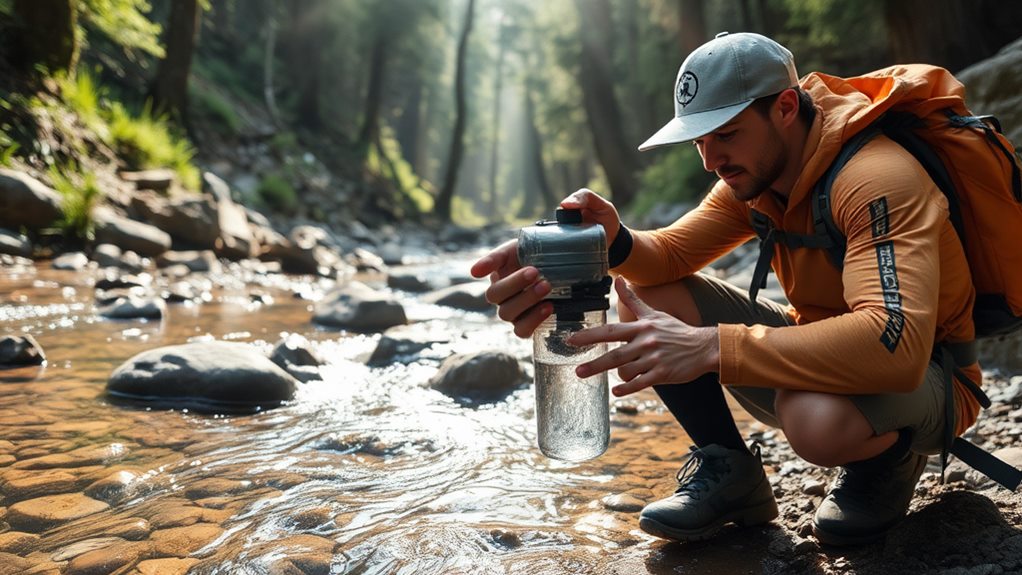
Chemical treatments are great backups, but portable water filters offer a more immediate solution without the waiting game. Let's face it – nobody wants to wait around for tablets to work when they're dying of thirst. With portable water filters, you can get clean water to drink right when you need it.
Here's what makes these little lifesavers so awesome:
- Super lightweight – perfect for backpacking
- Fast filtering (1-2 liters per minute – that's quick!)
- Minimal maintenance required (just some occasional backflushing)
- Can handle tons of water (up to 1,500 liters or more)
For solo adventures, grab something like a LifeStraw or Sawyer Mini. They're compact and crazy effective at removing nasty bacteria and protozoa. Got a group? No problem. Pump filters are your best friend – they'll handle larger quantities of water purification without breaking a sweat.
Look, water purification doesn't have to be complicated. These filters are basically fool-proof. Just pump, squeeze, or sip, and you're good to go. No chemical taste, no waiting around, no fuss. Just clean, safe water whenever you need it. Simple as that.
Recommended Products

.063" Aluminum Body

ENJOY CLEAN WATER ANYWHERE - The Mini is a compact water filtration system for on-the-go adventurers or families at home. Lightweight and portable, it's used directly at the water source for, camping, travel, or survival, or can be used in-line.
UV Light Purification Systems
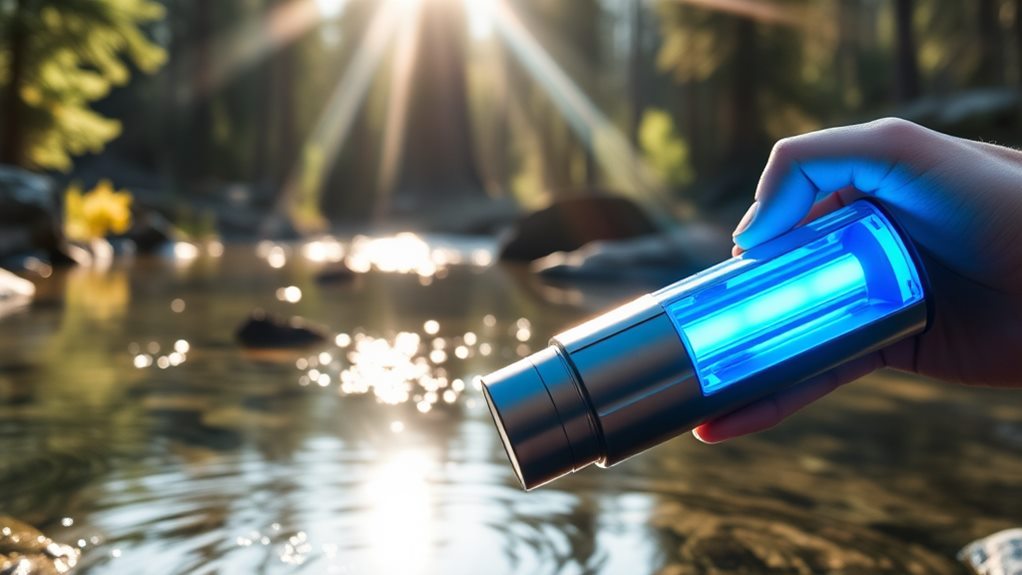
Harnessing the power of ultraviolet light, UV purification systems offer a high-tech approach to making water safe for drinking. Let's be honest – there's something pretty cool about zapping those nasty bacteria into oblivion. The SteriPEN and similar devices are game-changers for backpackers who don't want to lug around heavy filters.
Here's what you need to know:
- You'll get clean water in about 90 seconds per liter
- It kills bacteria, viruses, and those pesky protozoa
- Works by destroying their DNA (take that, microscopic threats!)
But wait – there's a catch. Your water needs to be clear for this to work properly. Murky water? You'll need to filter it first. And don't expect UV light to remove chemicals or sediments. That's not its job.
The best part? These devices are super portable and battery-powered. You're basically carrying a tiny water treatment plant in your pocket. Sure, you'll need to keep an eye on battery life, but that's a small price to pay for safe drinking water in the wilderness. Just remember: clear water + UV light = happy camping.
Recommended Products

Advanced 4-Stage Filtration for Pure Drinking Water - Air Filtration: Removes dust and contaminants. - PPF + Activated Carbon: Pre-filters sediments and chemicals. - Reverse Osmosis (RO): Eliminates dissolved impurities (e.g., microplastics). - UV Filtration: ensuring water safety.

Improves taste, odor and clarity

3-Stage Filtration System: AlorAir PureAiro HEPA Max 970 Air Scrubber build with Variable Speed as a portable HEPA air scrubber. It can be used with up to 3 levels of filtration, pre-filters, activated carbon/HEPA filters.
Natural Filtration Techniques
While UV purification might seem high-tech, sometimes the most effective solutions come straight from nature itself. Natural filtration techniques have been around forever, and guess what? They actually work pretty well. You've just got to know how to use them right.
Here's what you'll need for a basic DIY filter:
- Layer of fine sand
- Activated charcoal (yeah, the stuff from your BBQ works)
- Small gravel
- Some cloth or a coffee filter
- Container with holes in the bottom
Start by placing your materials in layers, with the cloth on top to catch the big stuff. Pour your sketchy water through, and watch it come out clearer. Want to get fancy? Add some moss or grass – nature's own filter system!
But listen up – this isn't magic. While natural filtration will make your water look prettier, it won't kill those nasty waterborne pathogens lurking inside. You'll still need to purify the water by boiling it for at least a minute. Three minutes if you're up in the mountains. Seriously, don't skip this step unless you're cool with spending your camping trip in fetal position.
Recommended Products
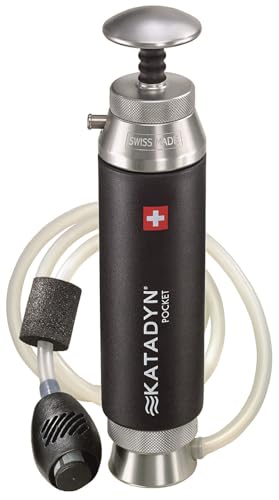
Microfilter


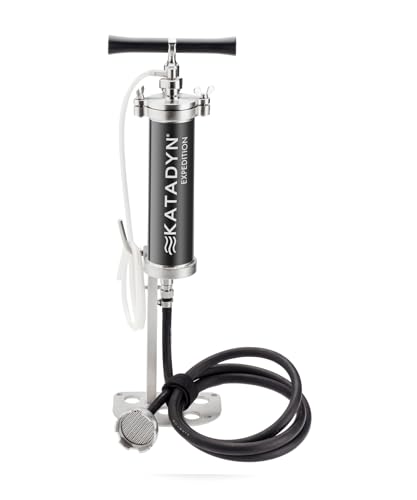
High flow rate allows you to pump more than 3 liters/minute or one liter every 20 strokes
Frequently Asked Questions
How Do You Purify Water When Wild Camping?
You've got several solid options to make sketchy water safe while camping. Boiling techniques are your best bet – just heat that water for a minute (longer at high altitudes). Can't make a fire? No worries! Chemical treatments like iodine tablets work great – pop them in and wait. If you're somewhere sunny, try solar disinfection by leaving clear water in a transparent bottle in direct sunlight. Just remember – dirty water equals nasty stomach issues. Not fun!
How to Purify Water for Drinking in the Wilderness?
You've got several solid water purification methods for wilderness survival – choose what works! Boil your water for a foolproof option (1 minute at sea level), or drop in those iodine tablets if you're feeling lazy. Portable filters like Lifestraw are great for quick drinks from camping water sources. Pro tip: always pre-filter murky water through a bandana first. And yeah, UV purifiers work too, if you're fancy enough to pack batteries!
How to Filter Water Naturally in the Wild?
You'd think finding clean water in the wild would be as easy as scooping it up – ha! For natural filtration methods, you'll want to layer sand, gravel, and charcoal in a container – it's your DIY water filter right there. From wild water sources, run the water through this setup. Add some moss on top to catch debris. Pro tip: you can even use sunlight – just leave clear water in bottles under direct sun for 6 hours.
How to Get Clean Water While Camping?
You'll need to be smart about your water sources while camping – it's not rocket science! Pack essential camping gear like a reliable water filter (LifeStraw's your bestie here) and purification tablets. Quick hydration tips: always boil water for at least a minute, avoid stagnant pools (gross!), and pre-filter through cloth to remove debris. Pro move: collect from flowing streams when possible. Trust me, stomach bugs aren't the souvenir you want!