⚠️ Disclosure: This post contains Amazon affiliate links. We may earn a commission at no extra cost to you.
We’ve all heard stories of wildlife encounters at campsites, but have you ever wondered why proper safety skills can actually keep animals at bay? It’s not just about protecting ourselves; our campsite practices considerably impact wildlife behavior. When we implement effective safety measures, we’re fundamentally speaking the language of the wild, communicating that our space isn’t a welcoming environment for them. This subtle yet powerful message resonates with animals’ instincts, creating an invisible barrier that most won’t dare to cross. But what exactly are these skills, and how do they work to deter even the most curious creatures?

Key Takeaways
- Proper food storage techniques eliminate easy meal opportunities, discouraging wildlife from approaching campsites.
- Noise and scent management practices make campsites less attractive and more intimidating to wild animals.
- Well-executed bear-proofing measures create an environment that deters bears and other wildlife from investigating.
- Adherence to Leave No Trace principles minimizes human impact, preserving natural wildlife behaviors and habitats.
- Strategic campsite selection and setup create physical and psychological barriers that wild animals are reluctant to cross.
Understanding Wildlife Behavior
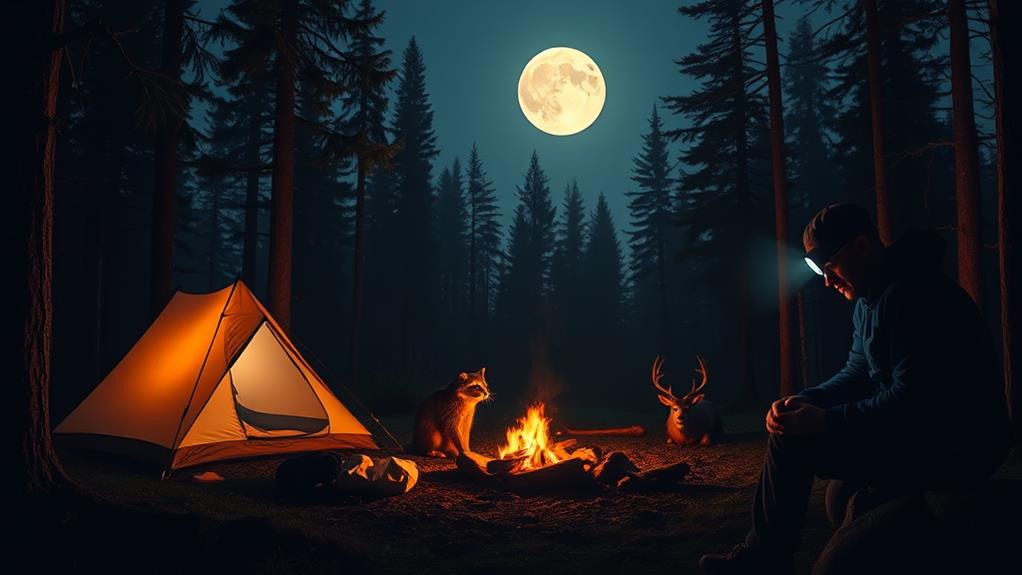
Fear drives much of wildlife behavior around campsites. We’ve all experienced those heart-pounding moments when a rustling bush signals a potential wildlife encounter. But why do animals avoid humans? It’s simple: we’re unpredictable and noisy! Our campsites are like alien landscapes to them, full of strange smells and sounds. Understanding wildlife behavior is key to keeping both them and us safe. Remember that time I left a sandwich out overnight? Big mistake! Properly disposed food sources are essential to prevent animals from associating our camps with easy meals. The importance of wildlife safety can’t be overstated. By respecting their space and habits, we’re not only protecting ourselves but also preserving their natural behaviors. So, next time you’re out there, ask yourself: am I being a good neighbor to the wildlife around me?
Proper Food Storage Techniques
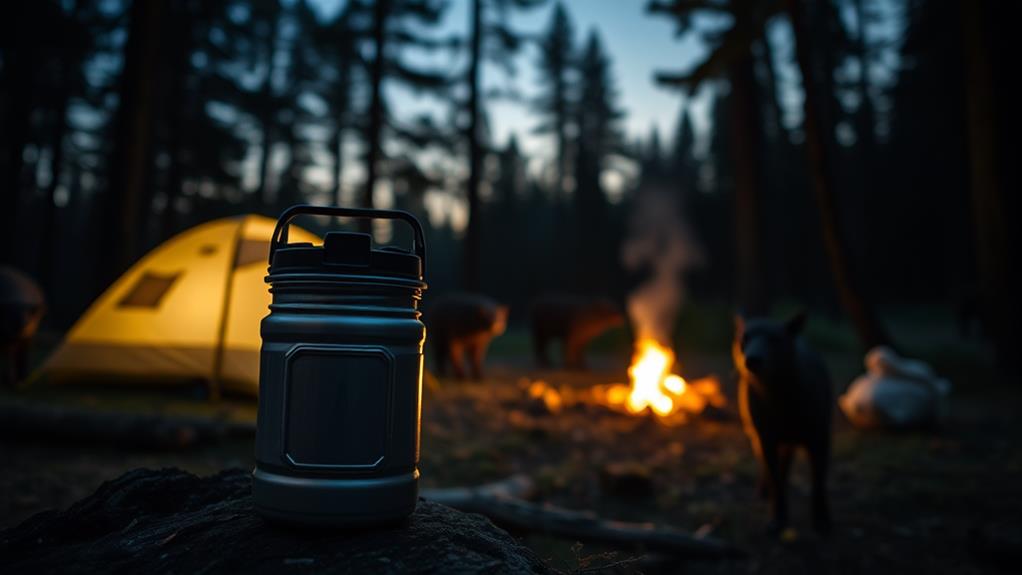
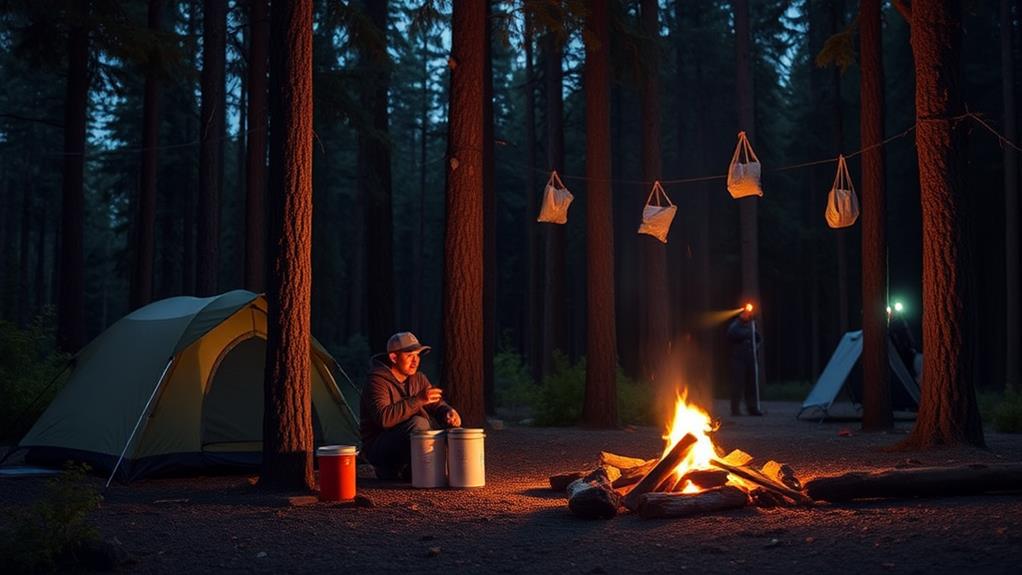
Proper food storage is the cornerstone of wildlife safety at campsites. We’ve all been there, enjoying the great outdoors when suddenly, a curious critter comes sniffing around. That’s why we need to up our game with proper food storage techniques. Trust us, bear-proof containers are your new best friends in bear country! They’re like Fort Knox for your grub, keeping those crafty animals at bay. Remember when we used to just toss our food in the car? Not anymore! Now we’re hanging it high, using food storage lockers, and following local guidelines like pros. It’s all about reducing human-wildlife conflicts and keeping everyone safe. So, next time you’re out there, ask yourself: “Am I storing my food like a wildlife whisperer?” Your campsite neighbors (and the bears) will thank you!
Recommended Products

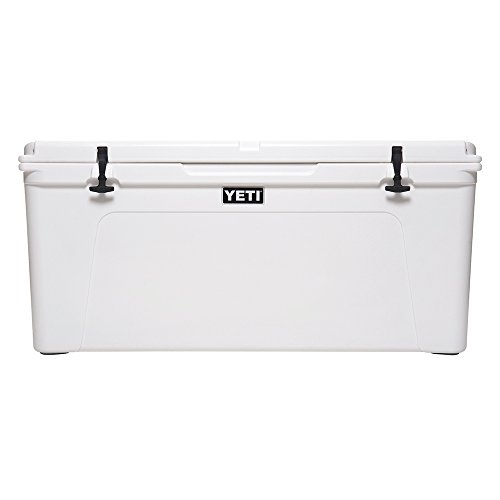
The YETI Tundra 160 is designed for those guys and gals who are in the field or on a boat season after season, for whom ordinary coolers just won’t cut it. Durable? You bet.

KIT INCLUDES - 2 Paintable Roof Tape 4'' x 25' with Roller, 4 x 10oz Tubes of Self Leveling Caulking Lap Sealant, 1 x 1G Roof Cleaner and 2 x 1G & 4G Silicone Pail
Bear-Proofing Your Campsite
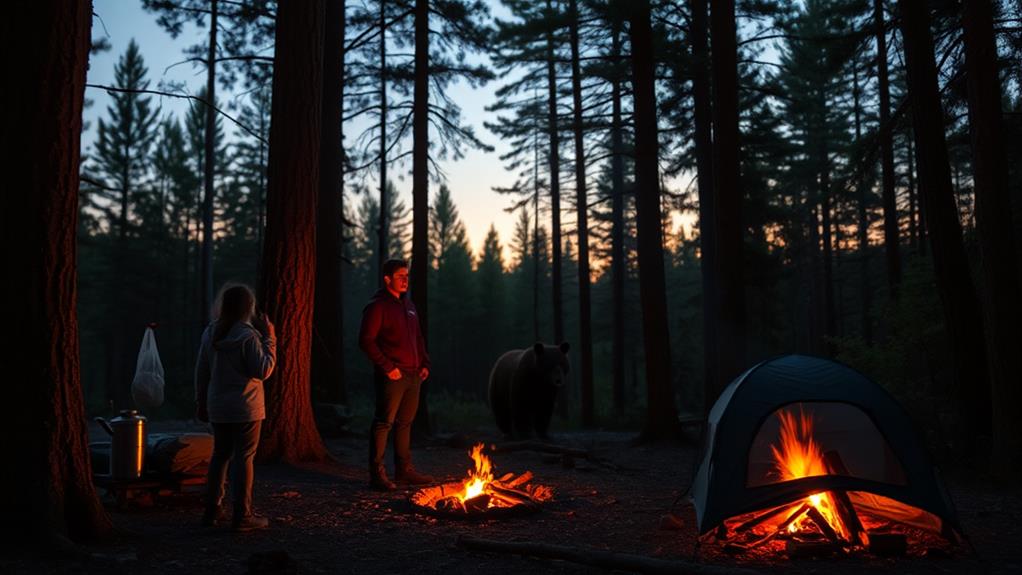
Now that we’ve got our food storage sorted, let’s tackle the bigger picture of bear-proofing our entire campsite. It’s not just about keeping our snacks safe; it’s about respecting wildlife and ensuring our freedom to explore the great outdoors responsibly. Here’s a quick guide to help you become a bear-proofing pro:
| Action | Why? | How? |
|---|---|---|
| Store your food | Prevent attracting bears | Use bear-resistant containers |
| Dispose of trash | Eliminate tempting odors | Use bear-proof receptacles |
| Clean campsite | Reduce bear encounters | Cook away from sleeping areas |
Recommended Products
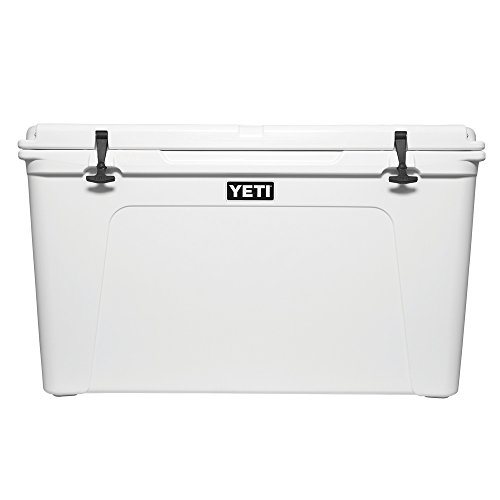
The YETI Tundra 210 is our deepest outdoor cooler, lets you haul a mighty load of food or drinks without taking up too much space

The YETI Tundra 65 is just as adept at keeping your catches cold in the field as it is storing the drinks and food for your backyard barbecue, this ice chest is plenty roomy, holding a limit of redfish or your prized brisket

The YETI Tundra 110 was designed specifically with the rafting community in mind, it’s sized to fit all major raft frames snugly, so your YETI doesn’t end up overboard
Noise and Scent Management
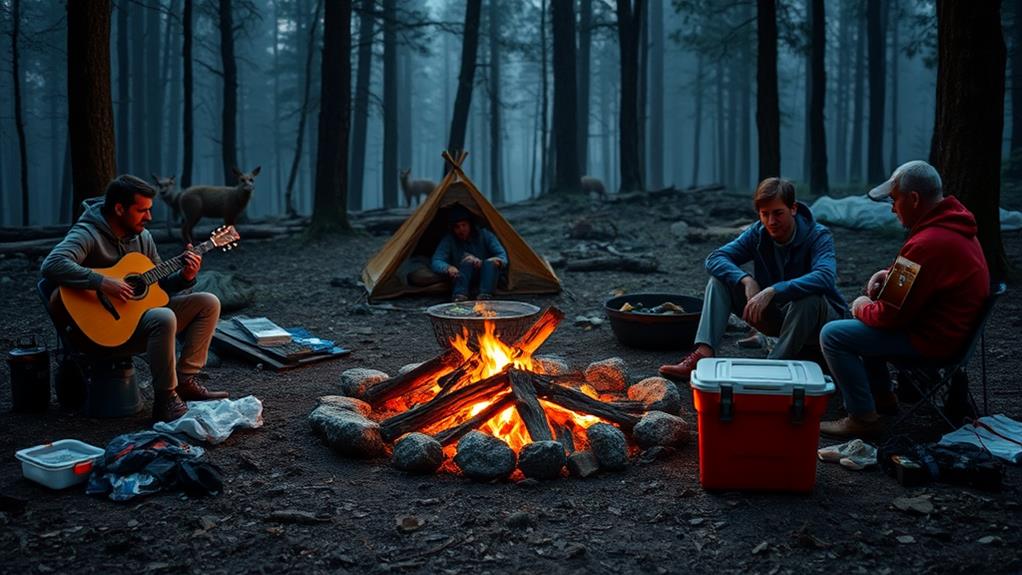
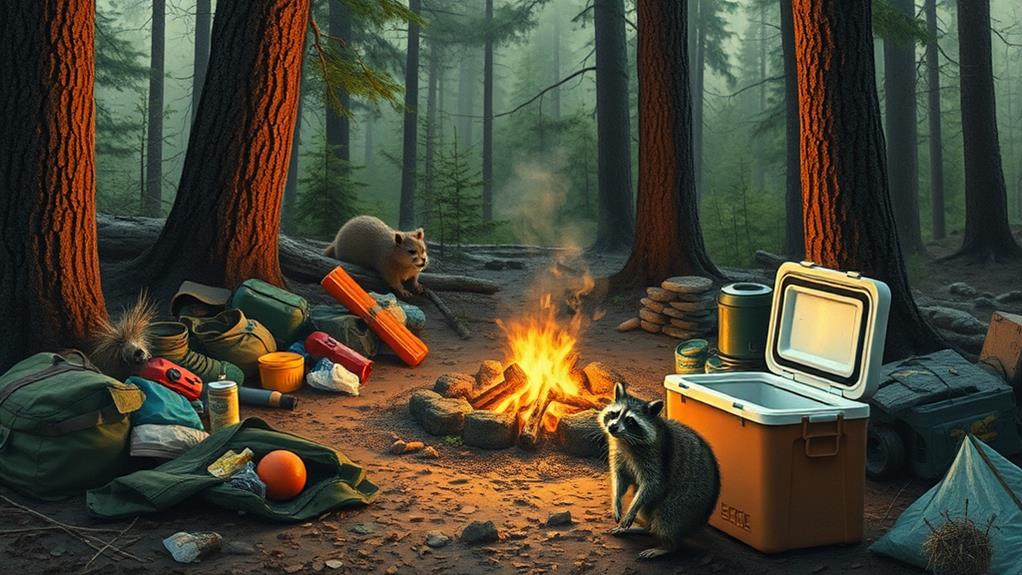
Silence and scent-free zones are essential when camping in wildlife areas. We’ve all been there – excited to be in nature, but forgetting our impact on the local critters. That’s where our noise and scent management safety skills come in handy! Remember when I accidentally left a granola bar wrapper in my tent? Big mistake! Wildlife’s keen noses can sniff out even the tiniest morsel of human food. To avoid unwanted wildlife encounters, we’ve got to be smart about our scents. And let’s not forget about noise management. Have you ever heard a sudden rustling in the bushes after laughing too loudly? That’s probably an animal fleeing, disrupting its natural behaviors. By keeping our voices down and our food sealed tight, we’re not just staying safe – we’re respecting our wild neighbors.
Wilderness First Aid Preparedness
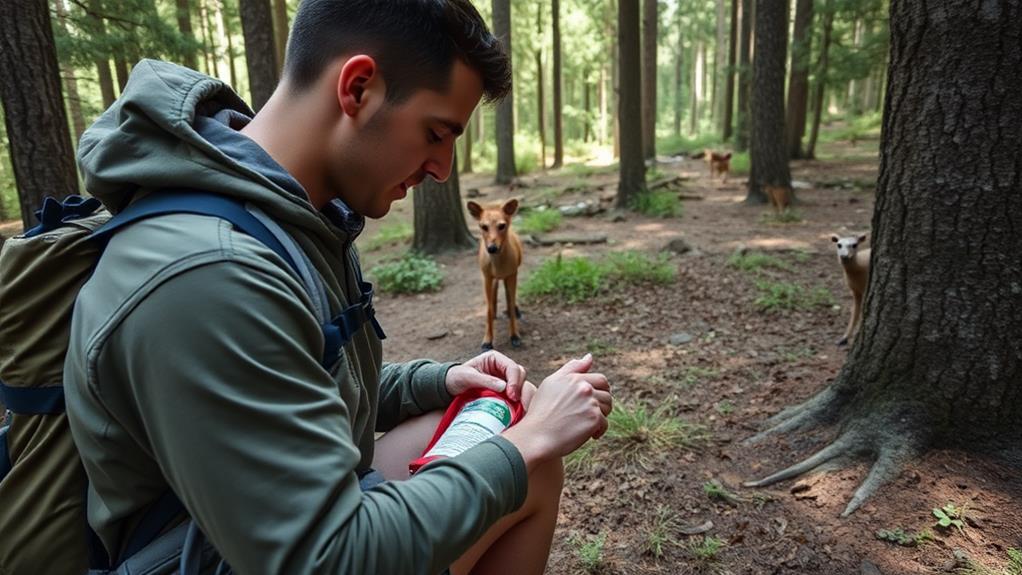
While managing our noise and scents is key, we’ve got to be ready for anything Mother Nature throws our way. That’s where wilderness first aid comes in handy. We’ve learned it’s important to know how to handle unexpected wildlife encounters and treat injuries in the backcountry. Ever patched up a friend’s nasty blister on the trail? It’s a game-changer! By taking a wilderness first aid course, we’re not just ensuring our safety, but also making a positive impact on the environment. We’ll be better equipped to observe wildlife responsibly and react calmly in tricky situations. Remember that time we stumbled upon a bear? Knowing how to respond kept everyone safe. So, let’s keep our first aid skills sharp and our kits stocked. Who knows what adventure awaits us next?
Recommended Products

Includes: adjustable lifting strap, adjustable victim strap, one pair of ankle harnesses, two carabineers, storage bag

SURVIVAL KIT FOR EXTREME EMERGENCIES: This 72-hour survival kit bug out bag includes 291 pieces of essential gear to assist two adults during disasters, evacuation, or outdoor survival. Includes shelter, water filter, food, tools, first aid, hygiene, lighting, and a 45L emergency backpack. Ideal for preparedness at home, in a vehicle, or packed for grid-down scenarios.

Coast Guard Approved First Aid Kit: Coast Guard Approval #160.041/23/0 ensures this marine first aid kit meets rigorous maritime safety standards
Wildlife Encounter Response Strategies
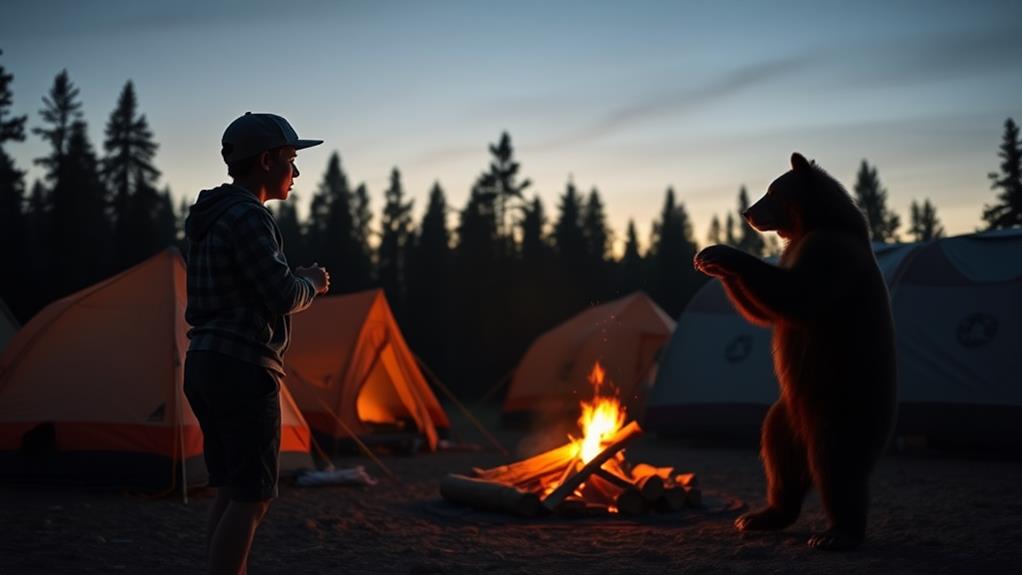
Let’s immerse ourselves in the heart of wildlife encounter response strategies. When we’re out in the wild, we’ve got to be ready for anything, including unexpected animal visitors. Remember, our goal is to coexist peacefully with nature, not to disturb it. So, what should we do if we come face-to-face with a bear or coyote?
- Stay calm and assess the situation
- Back away slowly, avoiding sudden movements
- Make loud noises to deter the animal’s approach
We’ve got to maintain a safe distance from wildlife at all times. It’s tempting to get that perfect photo, but trust me, binoculars are your best friend here. By keeping our cool and respecting animals’ space, we’re not just ensuring our safety, but also preserving the freedom of these magnificent creatures in their natural habitat.
Recommended Products

18x magnification and 50mm objective lenses, the KITE APC 50 Stabilized is the most advanced binocular suited for hunt, wildlife observation, boating, etc.

Model #172457 - BX-5 Santiam HD 15x56mm in Shadow Gray

This pair of binoculars from Canon are unique among high-magnification binoculars because they incorporate Optical Image Stabilizer
Leave No Trace Principles
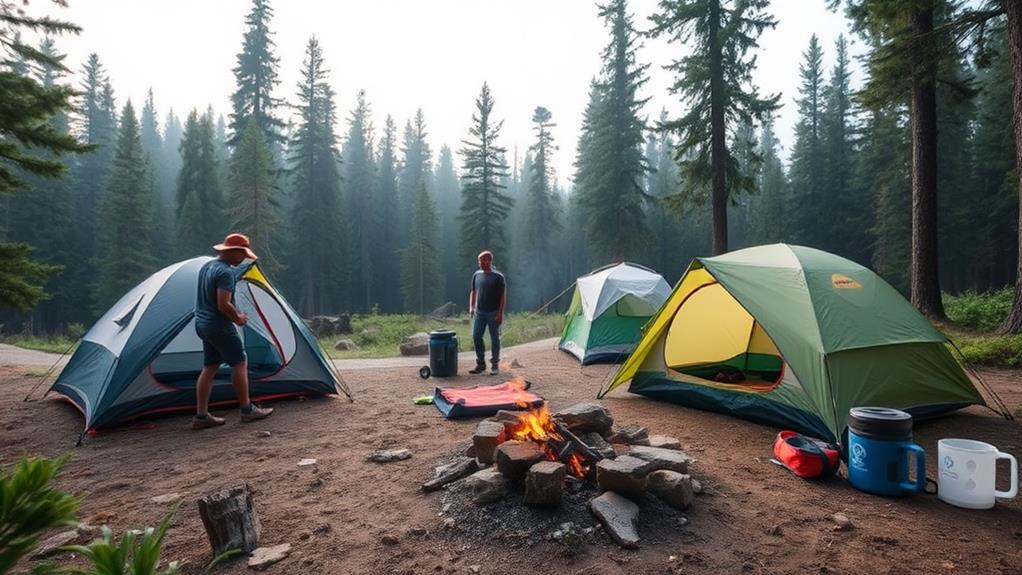
Moving from wildlife encounters to our broader impact on nature, we can’t overlook the importance of Leave No Trace principles. These guidelines are our ticket to preserving the wild spaces we love. Remember when we used to think it was cool to feed wildlife around our campsite? Big mistake! It disrupts their natural habitat and can lead to dangerous situations. Instead, let’s focus on proper waste disposal and keeping our campsites clean. Trust me, I’ve learned the hard way that a messy site attracts unwanted visitors! By following Leave No Trace, we’re not just protecting ourselves; we’re safeguarding the entire ecosystem. Isn’t it amazing how our actions can make such a difference? So, next time you’re planning your outdoor experience, think about how you can minimize your impact. It’s all about freedom in nature, right?
Campsite Selection and Setup
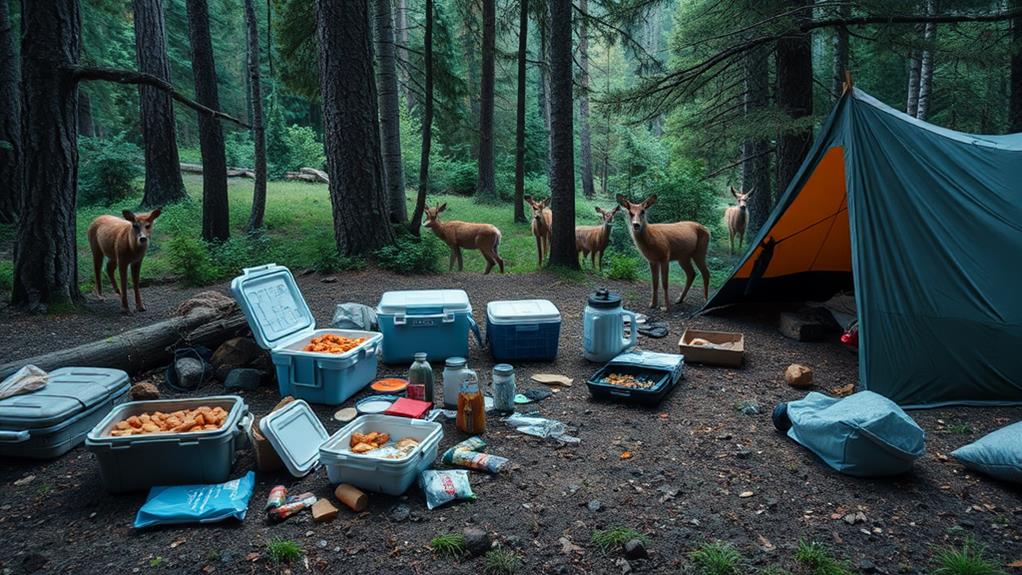
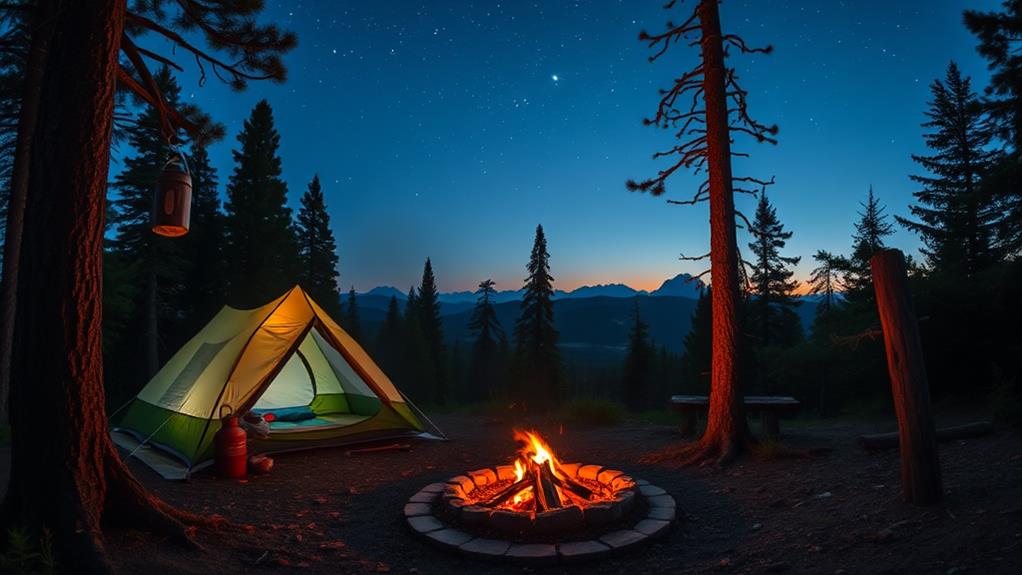
Selecting the right campsite is essential for both your safety and the protection of wildlife. We’ve learned through experience that proper campsite selection can make or break our outdoor adventures. When choosing a spot, we always keep these key points in mind:
- Stay at least 200 feet from water sources and trails
- Set up on durable surfaces like gravel
- Look for natural barriers such as rocks or logs
Recommended Products

Rain, rain, go away: Made of polyurethane-treated 210D ripstop nylon, the ProFly XL offers long-lasting wear and features the best water-shedding capabilities. Stay dry and cozy all night long.

READY FOR ANY CUT: Built for hunters, campers, and survivalists, this folding saw tackles green/dry wood, bone, and plastic. Its rust-protected blade and ergonomic handle make it a must-have for bushcraft, trail maintenance, and campsite prep.

Keep your food safe from wild animals
Frequently Asked Questions
What Do Wild Animals Fear?
We’re seen as predators to wild animals. Our scent markers, habitat disruption, and noise trigger their instincts. They fear our food aversion tactics and respect territorial boundaries we create. Let’s tread lightly in their world, fellow adventurers!
How to Stay Safe From Coyotes While Camping?
Did you know coyotes can run up to 40 mph? We’ll stay safe by understanding coyote behavior and taking camping precautions. Let’s use scent and noise deterrents, practice proper food storage, and be prepared for wildlife encounters. Freedom awaits!
Do Campfires Scare Animals?
We’ve found campfires often deter animals. The combo of smoke, bright lights, loud noises, and our presence can make critters wary. But don’t rely solely on fire – cooking odors and reflective surfaces might still attract some curious wildlife.
Is Camping Safe From Animals?
Did you know 99% of wildlife encounters are non-threatening? We can camp safely by understanding animal behavior and using proper food storage. With the right camping gear and safety practices, we’ll minimize risks and enjoy our wild freedom.