⚠️ Disclosure: This post contains Amazon affiliate links. We may earn a commission at no extra cost to you.
When we venture into the wilderness for a camping trip, we’re not just visitors; we’re guests in the home of countless wild animals. That’s why odor-proof food storage isn’t just a convenience—it’s a necessity. We’ve all heard stories of curious bears or mischievous raccoons raiding campsites, but what many of us don’t realize is how easily this can be prevented. By mastering the art of scent containment, we’re not only protecting our provisions but also ensuring the safety of both ourselves and the wildlife around us. Let’s explore how we can make our outdoor adventures safer and more harmonious with nature.

Key Takeaways
- Use bear canisters or odor-proof bags like OPSAK to securely store food and scented items.
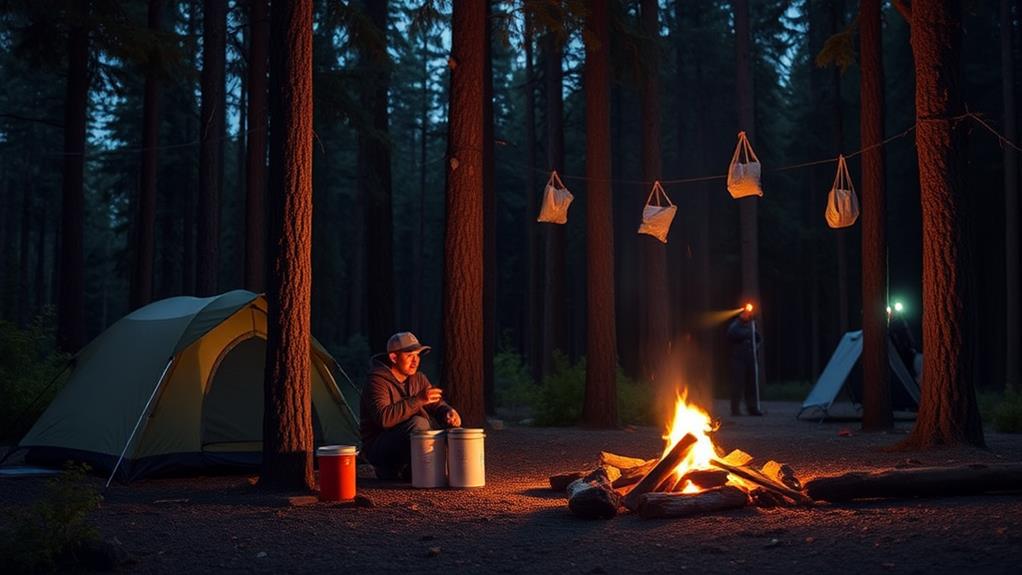
- Hang food bags at least 12 feet high and 6 feet from tree trunks using a 100-120 foot utility cord.
- Store all food and scented items at least 200 feet away from your sleeping area.
- Clean up food spills immediately and pack out all trash in odor-proof containers.
- Utilize bear boxes when available at established campgrounds for secure food storage.
Odor-Proof Containers and Bags
Odor-proof containers and bags are essential tools for keeping your food safe from wildlife while camping or hiking. We’ve all been there – that sinking feeling when you realize a bear’s been rummaging through your campsite. But fear not, fellow adventurers! With the right gear, we can outsmart even the craftiest critters.
Let’s talk bear canisters and bear-proof bags. These bad boys are like Fort Knox for your food scraps. We’ve found that double-zippers and vacuum seals work wonders to lock in those tempting aromas. Ever tried an OPSAK bag? They’re a game-changer in black bear country.
But here’s the kicker: it’s not just about the container. How we handle and store food matters too. Remember, even the tiniest whiff can attract unwanted visitors. So, seal the bag, stash it in a bear canister, and enjoy your wilderness experience worry-free!
Recommended Products
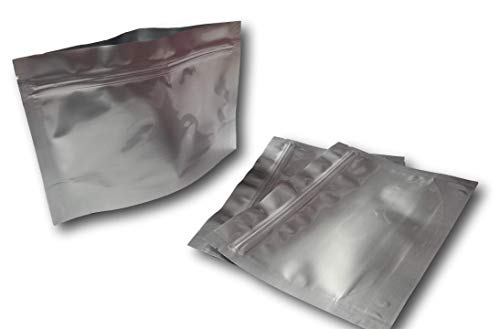
MULTIPLE USES: Ideal storage solution for grains, beans, rice, pasta, coffee, tea, candy, powders, pet food, supplements, electronics, and even liquids (and much more).

5” x 8.15” 1/2oz OPAQUE WHITE MYLAR BAGS - 1000 Ct: With a clean, bright design, elevate your products to appear professional and eye-catching. Foil lining offers full protection from light and physical damage, an essential for light-sensitive items. Ensure your products are secure and fresh with the air-tight zip lock closure. Perfect as candy bags for party favors, treat bags, and reusable snack bags, or when you need small business packaging supplies for samples, promos and subscription boxes.

【THICKER THICKNESS】: 10”x14” mylar bags for food storage are crafted with a substantial 10mil thickness, with each side as robust as 5mil. This added thickness significantly bolsters the bag's strength. 9µm aluminum foil acts as an outstanding barrier against moisture, oxygen, and light. Additionally, the outer foil enhances puncture resistance. Mylar bags are ideal for storing snacks and feature an expanding bottom that enables the bag to stand upright on its own, simplifying the filling process.
Proper Food Hanging Techniques
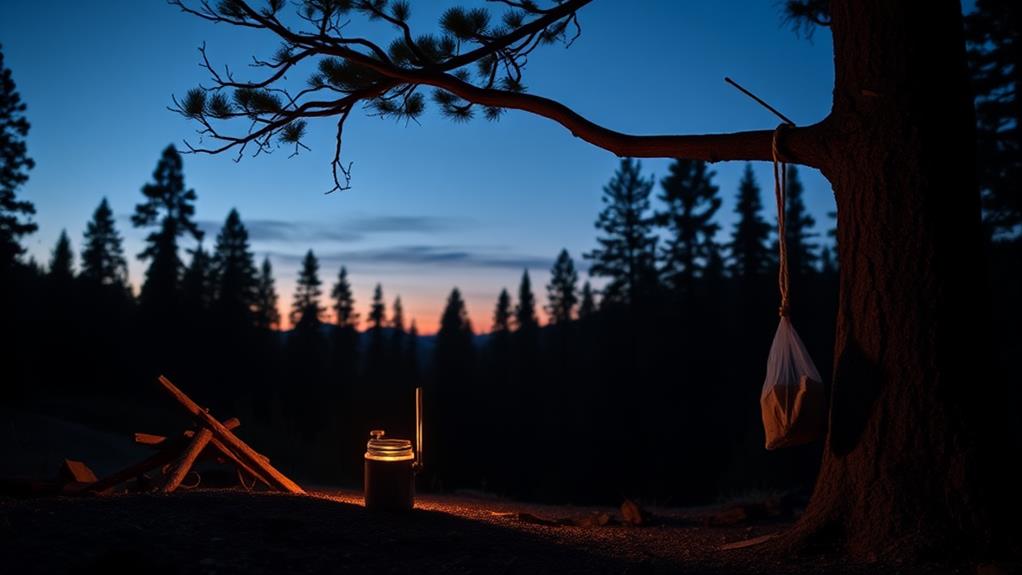
Let’s swing into the world of proper food hanging techniques! When it comes to keeping our grub safe from wild animals, we’ve got to think like trapeze artists. Hang those bear bags at least 12 feet high and 6 feet from the trunk. Trust us, it’s a game-changer!
| Item | Height | Distance from Trunk |
|---|---|---|
| Food | 12+ ft | 6+ ft |
| Toiletries | 12+ ft | 6+ ft |
| Scented Products | 12+ ft | 6+ ft |
We’ve learned the hard way that a 100-120 foot utility cord is your best friend for food storage. And here’s a pro tip: use a figure-8 knot to keep things tangle-free. Remember, it’s not just about food – toiletries and anything scented need to be hung too. By following these steps, we’re not just protecting our snacks; we’re embracing the freedom of worry-free camping!
Recommended Products

Notch’s Dyneema throwline is made from high modulus fiber that offers incredibly high strength in a lightweight package

Light & Versatile: These wild game bags weigh 1lb 10oz total. Perfect for deer meat, elk meat, bear, bison meat, and moose meat. Lightweight hunting meat bags easy to pack in.
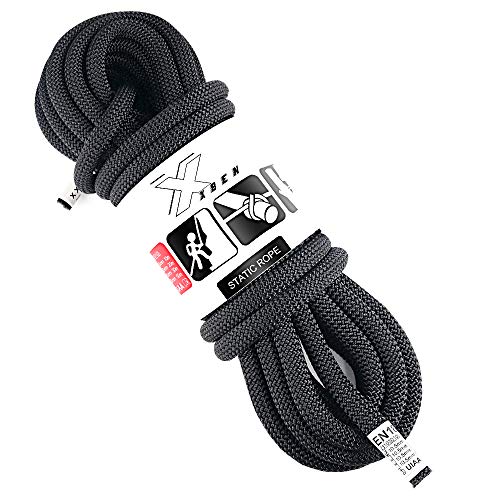
Low Stretch Properties: Our static rope just have 4% MAX elongation. The low stretch properties will give you a bounce-free descent that is easier to control and can help to increase the level of control that you have during a descent. Is the best option for tree climbing,tree rigging,arborist climbing rope, abseil on rope,canyoneering,rescue work, caving, climbing fixed lines with ascenders and hauling loads. Because a stretchy rope causes the climber to bounce and use more energy to climb.
Bear Canisters and Lockers
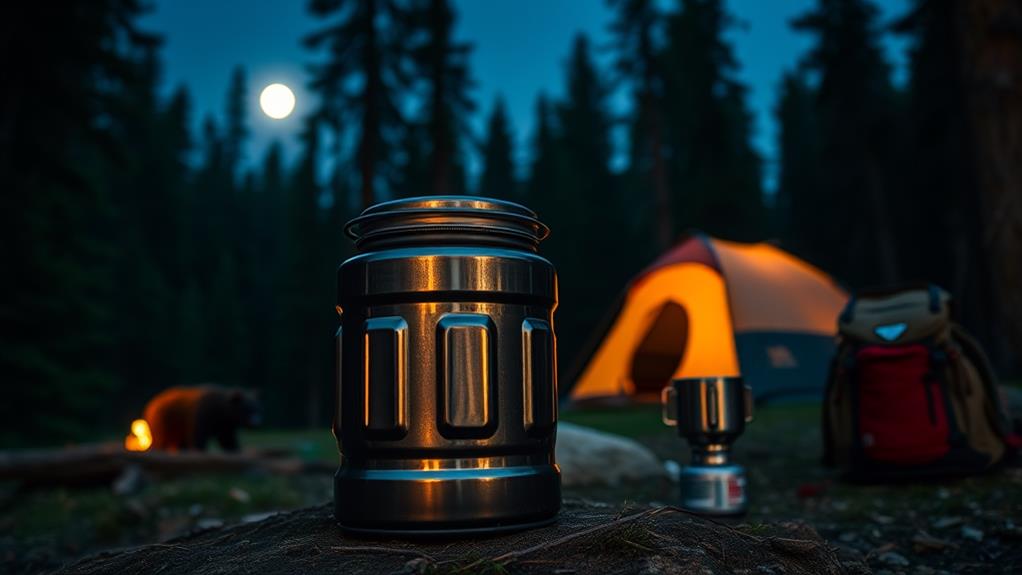
For those of us camping in bear country, bear canisters and lockers are our best defense against curious critters. We’ve all heard the horror stories of bears ransacking campsites, right? Well, these odor-proof food storage solutions are game-changers. Bear canisters, like the trusty BearVault 500, are portable fortresses for our grub. They’re a must-have in many national parks, and trust us, the fines for not using them aren’t worth it. But what about when we’re at established campgrounds? That’s where bear boxes come in handy. These metal lockers are like Fort Knox for our food supplies. They keep wildlife access to a minimum, protecting both us campers and our furry neighbors. Remember, it’s not just bears we’re worried about – raccoons and squirrels can be just as mischievous!
Recommended Products

Adjustable Size for 1–4+ Day Trips: Expands and collapses as your food supply changes, reducing wasted space in your pack. The center access and optional divider help you stay organized out on the trail.

Protects your food and protects the bears

Every ounce matters! The BV500 excels as a high volume, lightweight bear barrel for backpacking. The most spacious choice of bear canister for backpacking ultralight style, pack food for 7 plus days.
Campsite Layout for Safety
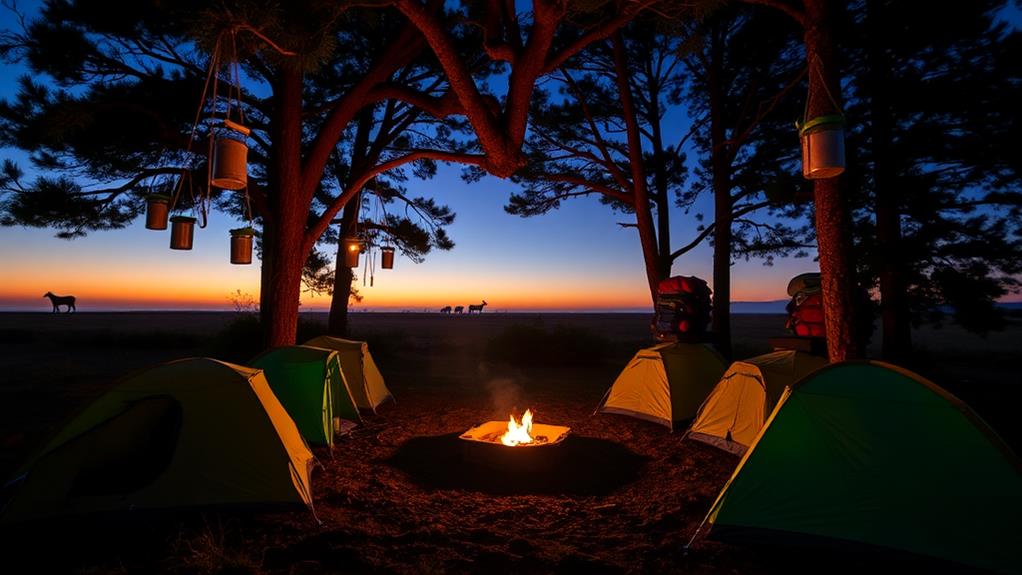
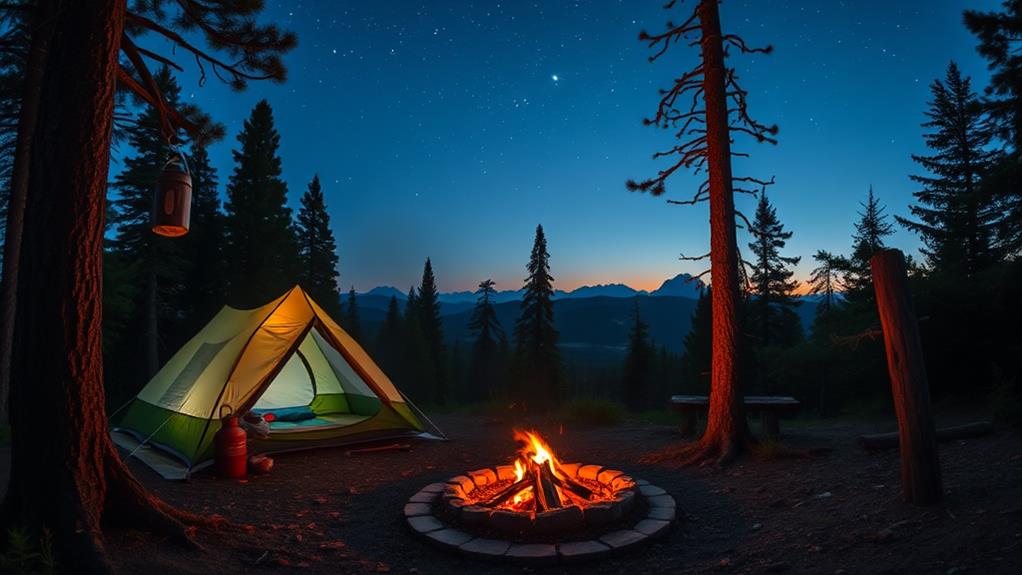
Now that we’ve got our food storage sorted, it’s time to talk about how we set up our campsite. Let’s keep our sleeping areas at least 200 feet from where we cook and store food. Trust me, you don’t want to wake up to a bear rummaging through your tent! Speaking of bears, we’ll want to use bear-proof containers or bear boxes if they’re available. No bear boxes? No problem! We can hang our food bags 12 feet high and 6 feet from the trunk using a figure-8 knot. Remember, a clean campsite is a safe campsite. We’ll pack out our trash in odor-proof bags and clean up any spills right away. By following these tips, we’ll keep animals from getting our grub and enjoy our wilderness adventure worry-free!
Recommended Products

Rodent-Resistant Food Storage – Made from heavy-duty stainless steel mesh, the RatSack Cache Bag is designed to keep rodents and small animals away from your food while camping, backpacking, or hiking. Its breathable design prevents condensation buildup, keeping food dry and fresh.

Keep your food safe from wild animals

[Trustworthy Material] Crafted from ultra-durable, high-strength PVC, our bear canister for backpacking is engineered to withstand even the most aggressive encounters. Its rugged design resists impacts, scratches, and bear claws, ensuring your food and gear stay securely protected—no matter how hard a bear tries to break in.It can also serve as a temporary stool when you're tired
Scent Management Beyond Food
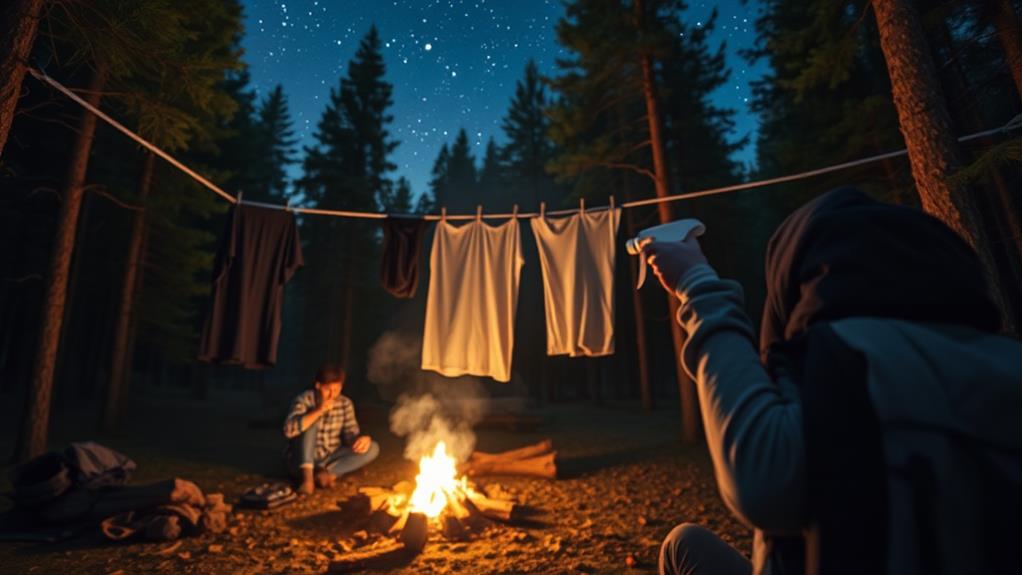
In addition to food storage, managing other scents is essential for a safe camping experience. We’ve learned the hard way that bears have an incredible sense of smell, so we need to be extra cautious with our scented products. Let’s break it down:
- Ditch the perfumes and scented lotions
- Change into clean, odor-free clothes before bed
- Store all smellable items away from camp
- Cook early and clean up thoroughly
Recommended Products

MAXIMUM STORAGE & CAPACITY – 16 cubic feet of enclosed cargo space and a 200 lb load rating provide plenty of room for luggage, camping gear, tools, and more while keeping your vehicle interior clear and organized.

MAXIMIZE VALUE - 50 x (Non-Silicone) Strong Poly-Nylon Bags Made in USA, Subject to California's Relevant Regulations & Quality Control Standards, Ensuring Consumers Smelly Proof Bags Adhere to Highest Benchmarks,

50 x REUSABLE 2-GALLON STORAGE BAGS – XXL Washable Reusable Food Storage Bags, Reusable Storage Bags, 3 mil Thick / 256 fl oz (7.6 L), Clear FLAT 12” x 16” 2-Gallon Freezer Bags, TRIPLE ZIP Closure, Airtight Seal, Leakproof Closure, Food Grade, BPA FREE, NO PEVA, PHTHALATE FREE, Non-Toxic, No Latex,
Wildlife Behavior and Risks
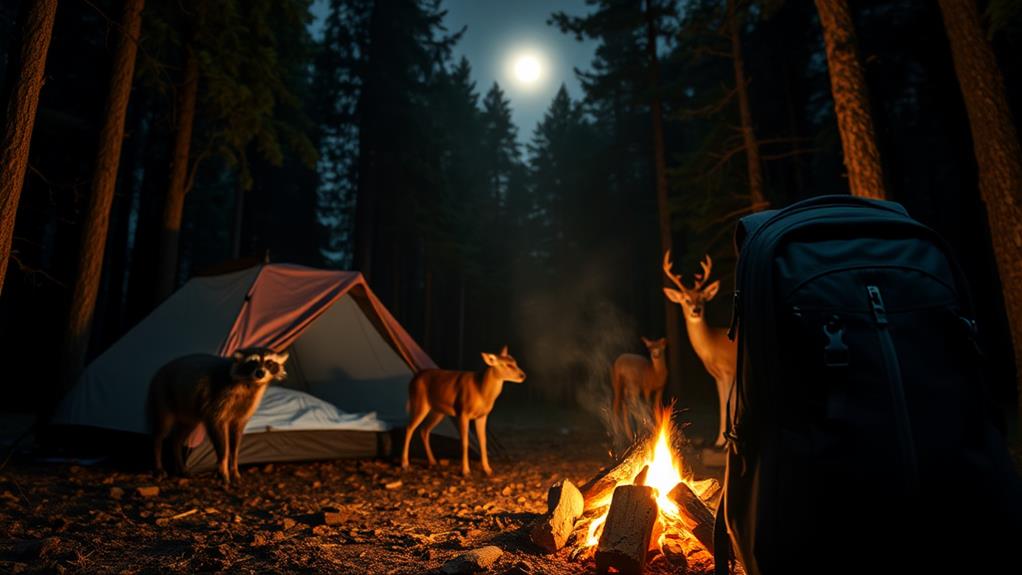
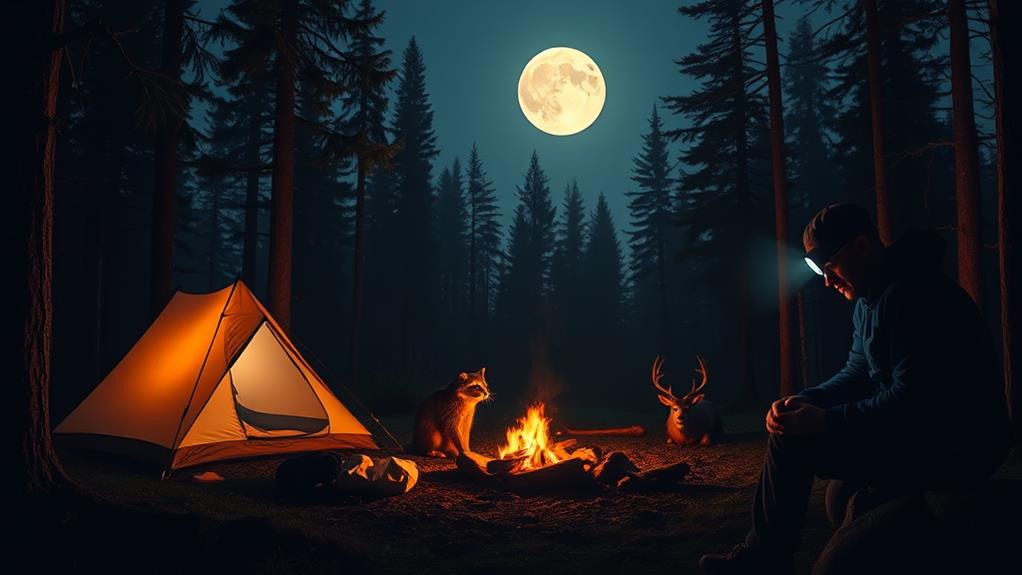
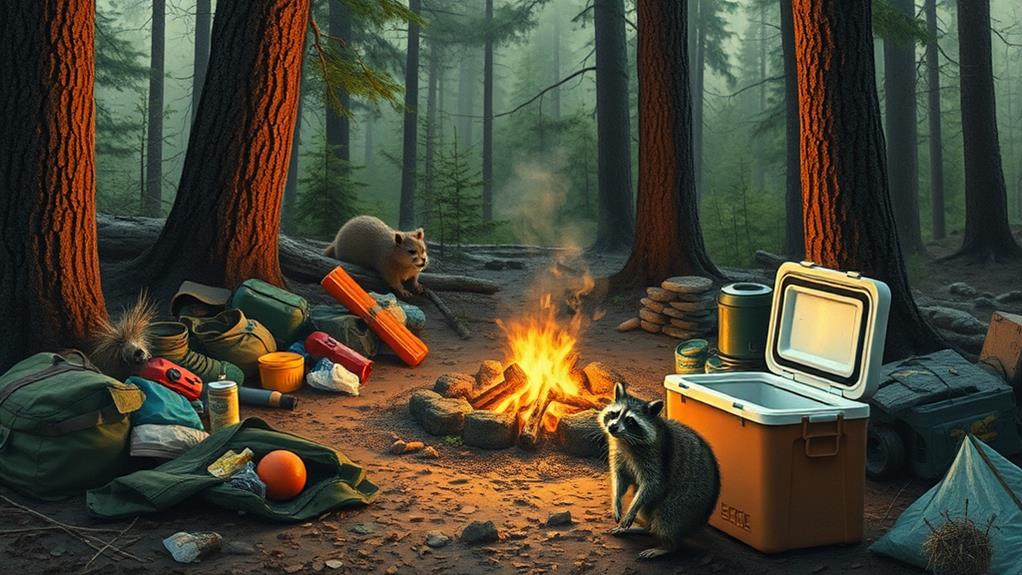
With our food and scents properly stored, we’re ready to take a closer look at the wildlife we’re trying to outsmart. Bears, with their incredible sense of smell, can sniff out our campsites from a quarter mile away! That’s why proper food storage is essential. But it’s not just bears we need to worry about. Smaller animals like raccoons and squirrels are crafty little thieves, too. They’ve learned that our backcountry campsites are potential buffets.
Ever seen a raccoon unzip a tent? It’s both impressive and terrifying! That’s why we always use bear boxes or odor-proof storage bags. Remember, wildlife encounters can be dangerous, especially with mama bears teaching their cubs our tricks. By outsmarting these animals, we’re not just protecting our food – we’re keeping ourselves and the wildlife safe. Isn’t that what freedom in nature is all about?
Leave No Trace Practices
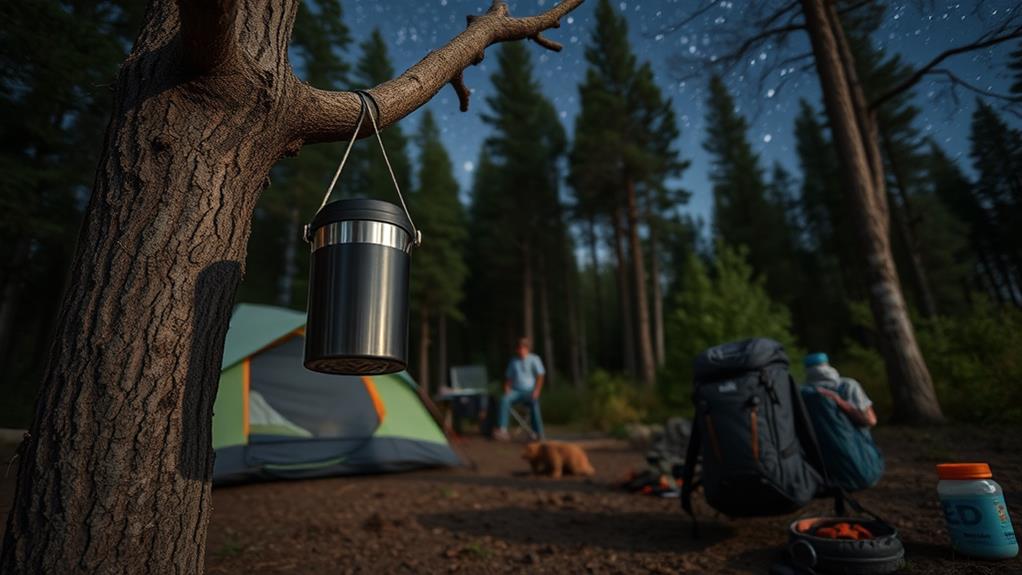
Every responsible camper knows that Leave No Trace practices are vital for preserving our wilderness areas. We’ve all experienced the thrill of the great outdoors, but it’s imperative we protect it for future adventurers. Let’s explore some key practices:
- Pack out all food waste in odor-proof bags
- Clean up spills immediately
- Store food well away from sleeping areas
- Use bear canisters or hang food properly
Remember that time we forgot to store our backpacking food properly? We learned the hard way that bears have incredible noses! Now, we always use odor-proof bags inside bear canisters to keep our food from bears and other critters. By following these Leave No Trace principles, we’re not just protecting ourselves, but also preserving the wild beauty we love. Ready to hit the trails responsibly?
Emergency Response Planning
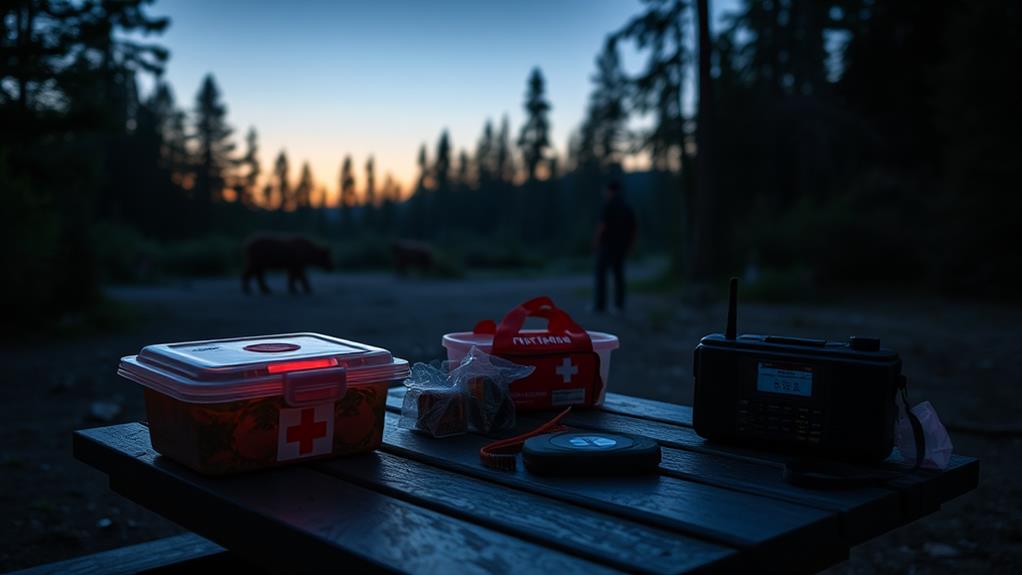
Now that we’ve covered responsible camping practices, let’s address a vital aspect of outdoor safety: emergency response planning. When we’re storing food in bear country, it’s essential to have a contingency plan. What if a bear gets into our food bag? We need to be prepared!
Here’s a quick guide to emergency planning:
| Action | Why | How |
|---|---|---|
| Carry bear spray | Deter aggressive wildlife | Keep it accessible |
| Know emergency contacts | Quick response to incidents | Research land managers |
| Pack a whistle | Signal for help | Keep it on your person |
Frequently Asked Questions
How to Keep Food Away From Animals While Camping?
We’ll keep our grub safe by using animal-proof containers and secure food bags with odor-blocking materials. Let’s practice bear-safe techniques, implement wildlife deterrent methods, and master campsite food storage. Proper camping food organization is key to our outdoor freedom!
Can Bears Smell Through Ziploc Bags?
Like a bloodhound on a scent trail, bears can sniff through Ziploc bags. We’ve got to up our game for camping safety. Let’s embrace bear-proofing methods and proper food storage to control odors and avoid wildlife encounters.
Can Bears Smell Food Through Plastic?
We can’t underestimate a bear’s scent detection abilities. They’ll likely smell food through plastic, so let’s prioritize food safety with bear-proof containers and proper outdoor storage. These camping tips help prevent wildlife encounters and protect our wild freedom.
Can Bears Smell Through Mylar Bags?
We’re not out of the woods yet! While Mylar bags can greatly reduce scent detection, bears’ incredible noses might still pick up faint odors. For camping safety and wildlife encounters, combine Mylar with other food storage and odor prevention methods.