


⚠️ Disclosure: This post contains Amazon affiliate links. We may earn a commission at no extra cost to you.
Did you know that the perfect wild camping spot can make or break your outdoor adventure? We’ve all been there: setting up camp only to realize we’ve chosen a less-than-ideal location. That’s why we’ve compiled seven essential tips to help you select the ultimate spot for your next wilderness escapade. From finding flat ground to evaluating stargazing opportunities, these insights will elevate your camping experience to new heights. But there’s more to choosing the perfect spot than meets the eye. Let’s explore how you can become a master at selecting the ideal location for your wild camping adventures.


Key Takeaways
- Scout for flat, stable ground away from rocks and debris to ensure a comfortable night’s sleep.
- Seek natural windbreaks like trees or hills to protect your campsite from prevailing winds.
- Maintain at least 200 feet distance from water sources to minimize environmental impact and ensure safety.
- Prioritize privacy by choosing secluded spots away from trails and popular camping areas.
- Evaluate potential hazards such as falling branches or wildlife activity to ensure a safe camping experience.
Scout for Flat, Stable Ground
The foundation of a great wild camping experience lies in finding the perfect spot to pitch your tent. When we’re out in the wild, nothing beats the feeling of freedom that comes with choosing our own campsite. But here’s the thing: flat areas are your best friend! We always look for stable ground that’s free from rocks, debris, and animal droppings. Why? Because it’ll make for a much comfier night’s sleep. Trust us, we’ve learned the hard way! Before setting up, we like to lie down and test the ground. Is it damp? Uneven? These are deal-breakers for good wild camping. Remember, well-drained sites are key. Nobody wants to wake up in a puddle, right? By prioritizing flat, stable ground, we’re setting ourselves up for an amazing outdoor adventure.
Recommended Products

【Blackout Interior Material】Say goodbye to waking up in a "sauna." Our advanced blackout inner Air tent blocks 95-98% of sunlight, keeping you up to 19°C (34°F) cooler. Whether you're in the Florida humidity or the Texas sun, enjoy a pitch-dark oasis for that perfect mid-day nap or a much-needed sleep-in. Protect your skin, reclaim your privacy, and camp in total comfort.

100% WATERPROOF: 20,000 mm rating and heat-taped seams keep you dry in sustained heavy rain and shifting winds.

FEELS LIKE A REAL BED - Our queen memory foam camping mattress delivers hotel-level comfort in the wild whether stretching out solo or sharing a 2 person sleeping pad for camping
Seek Natural Windbreaks
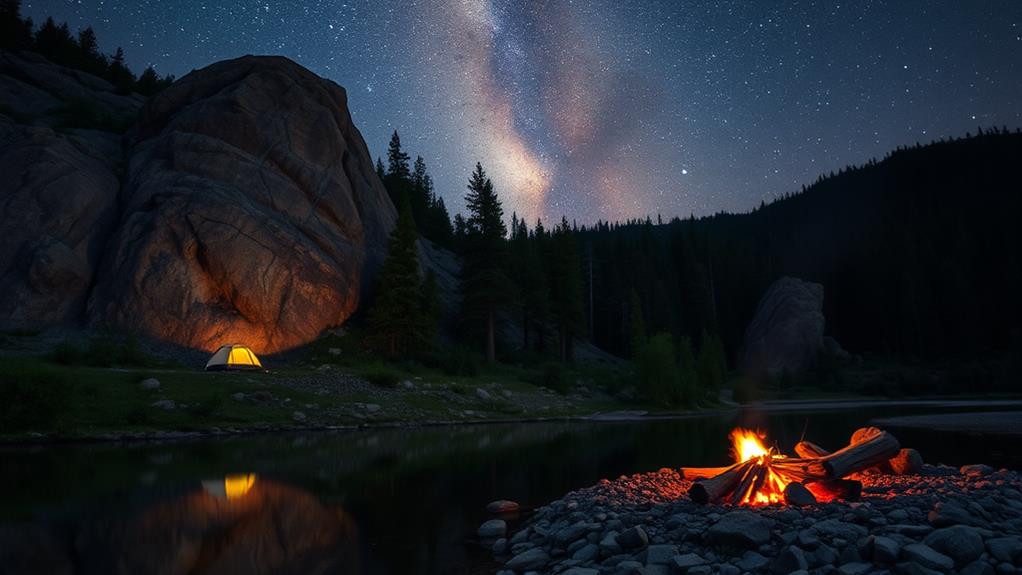
When scouting for the perfect wild camping spot, why not let nature lend a hand? Natural windbreaks are our allies in the quest for the perfect pitch. We’ve learned through experience that these protective features can make or break a camping trip. Here’s what to look for:
- Trees or hills blocking prevailing winds
- Rock formations that shield your tent
- Natural barriers to reduce dust and debris
- Landforms that enhance overall comfort
Recommended Products
𝐇𝐈-𝐋𝐈𝐆𝐇𝐓𝐒: Igloo outdoor clear bubble tent is 10'x10'x6.5'H, 14.7 lbs, compact carry bag with 41.7" diameter, the lightest canopy in market. Automatic pop-up, no assembly need, featuring stable, durable. Other gazebos on the market are heavy & difficult to carry and assemble. Get back to normal activities while practicing social distancing. Perfect for setting boundaries between you and others for personal and business use, like restaurants, salons, etc.

INSTANT SETUP, MORE TIME TO ENJOY: With an advanced hub structure, this pop-up tent sets up in minutes, saving you valuable time whether you're deep in the mountains or at your local campsite. Made from lightweight materials, the camping tent is easy to carry on any adventure—no more struggling with heavy gear

3-IN-1 NEW CAMPING SYSTEM: The Space Acacia consists of a spacious, modern glamping tent, the first-of-its-kind proprietary air floor (Sold separately) and the innovative, temperature-adjusting canopy (Sold separately). All 3 thoughtfully designed components work in harmony to enable you to live an indoor lifestyle, outdoors.
Assess Water Source Proximity
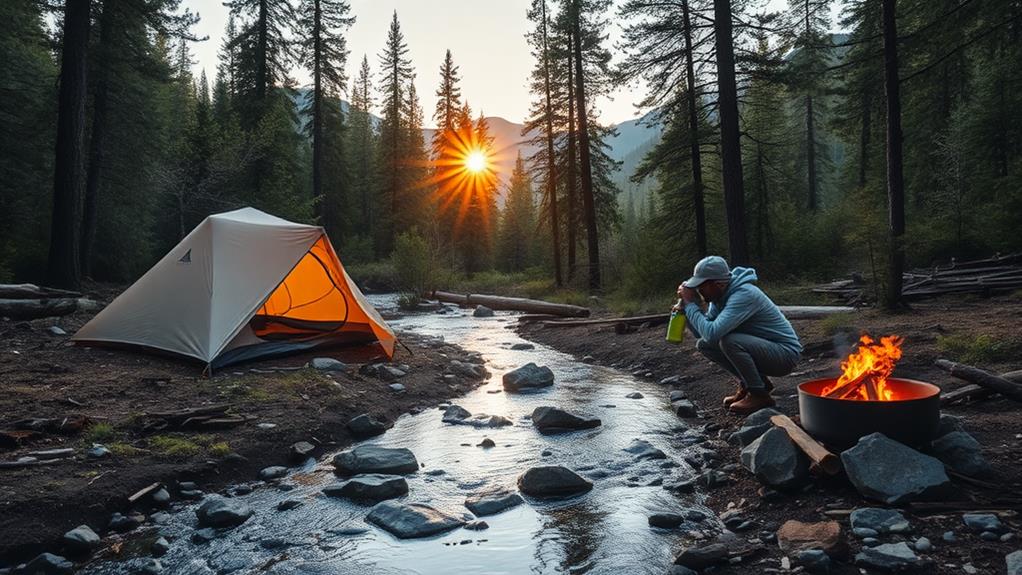
Water’s proximity plays a crucial role in choosing our wild camping spot. We’ve learned the hard way that setting up too close to a water source can spell trouble! Remember, folks, we’re aiming for at least 200 feet away from that babbling brook or serene lake. Why? Well, it’s all about protecting those pristine nature reserves we love so much. Camping too close can lead to soil erosion and disrupt the local wildlife. But don’t worry, we’re not leaving you high and dry! Look for durable surfaces like rock or gravel near water sources. This way, you’ll have easy access for cooking and hydration without leaving a trace. Just keep an eye on those seasonal changes – what’s safe in summer might be a washout in spring! Ready to find that perfect spot?
Recommended Products

Fits 2007 - 2021 Toyota Tundra w/ OE track system 5' 7" Bed (66.7")

Waterproof Design: The tent features a waterproof design with 1500mm water resistance technology to keep you dry in wet conditions.

MULTI-FUNCTIONAL - The waterproof, puncture-proof, Camino Carryall is designed for whatever the day throws your way. Perfect tote bag for the boat, lake, pool, beach, camping or road trips. Easy to haul your gear and easy to clean, the Camino Carryall is the last word in uncompromising convenience
Prioritize Privacy and Seclusion
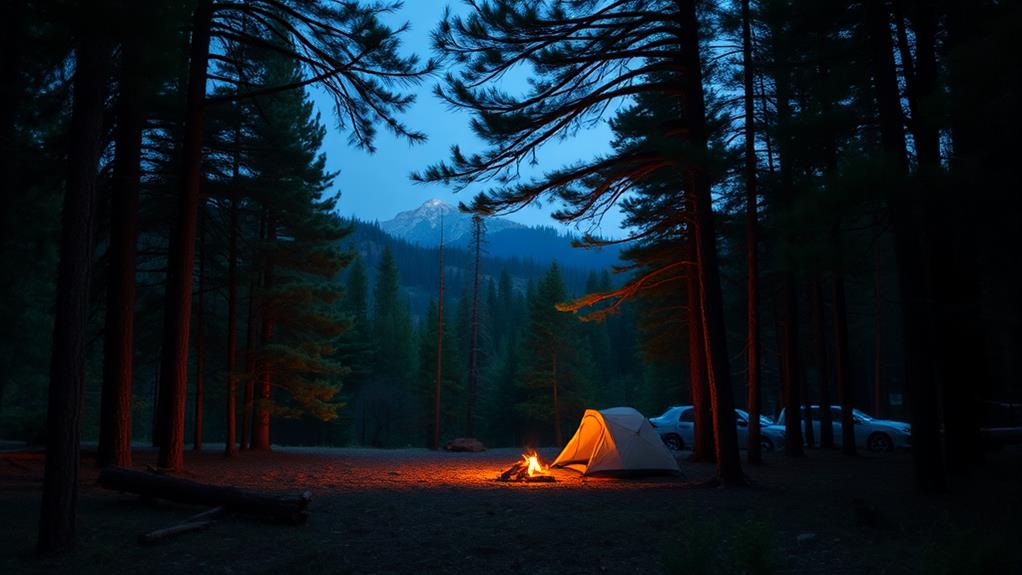
Privacy and seclusion are two key ingredients for a truly immersive wild camping experience. We’ve learned that choosing the right spot can make or break your adventure. Here are some tips to help you find those hidden gems:
- Aim for at least 200 feet away from trails and water sources
- Look for natural barriers like hills and dense vegetation
- Avoid popular areas and well-established trails
- Seek out spots with limited visibility from nearby vantage points
When we’re out there, we want to feel free and disconnected from the world, right? That’s why we always prioritize finding wild camping spots away from roads and other signs of civilization. Remember, the best locations are often off the beaten path. By choosing secluded areas, we’re not only ensuring our own privacy but also minimizing our impact on the environment. It’s a win-win!
Recommended Products

YOUR CAMPSITE JUST GOT A REMODEL: The Backroads and Highroads Shelters by Kelty are sure to revamp your camping game - more space to operate, more privacy, or to get out of a downpour, all centrally located at your parked Van or SUV

Ultralight and compact; made from tape seam-sealed waterproof 15 denier Ultra-Sil Nano nylon

Spacious Tent for 2-4 People: Designed as inflatable tents for camping, this spacious tent comfortably fits 2-4 people. Suitable for families, including father and child camping trips, providing a cozy space for bonding, storytelling, and enjoying outdoor camping adventures together
Evaluate Potential Hazards
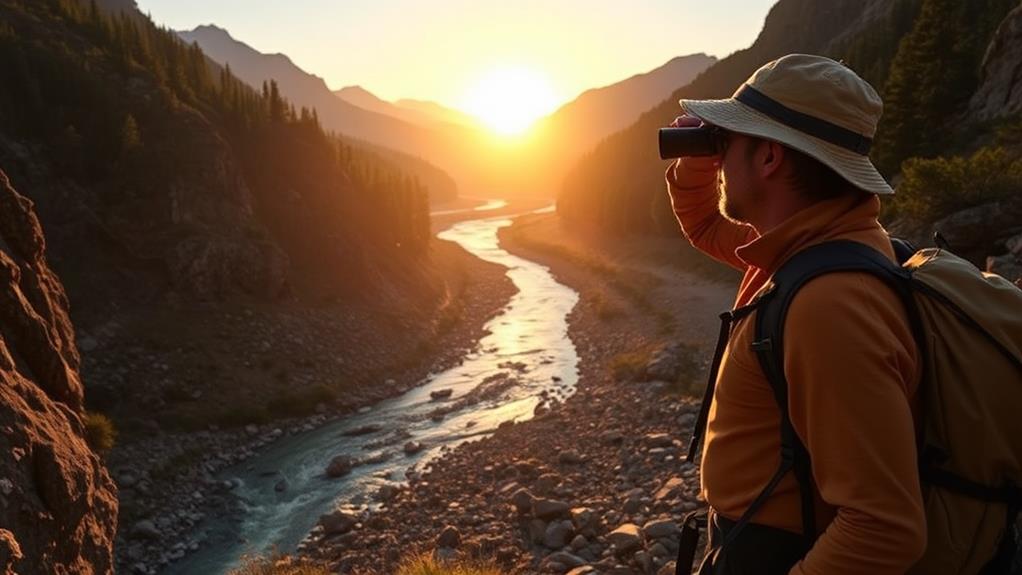
Now that we’ve found our secluded spot, it’s time to put on our safety goggles. Let’s evaluate the area for potential hazards that could crash our wild camping party. Remember that time I pitched my tent under a dead tree? Big mistake! Always look up and around for any leaning trees or loose branches that might come crashing down during a storm. We’ve got to think like detectives, folks. Are there signs of wildlife activity nearby? While spotting a deer might be cool, stumbling into a bear’s territory isn’t exactly a recipe for a peaceful night’s sleep. And don’t forget to check the terrain. Is it stable, or are we risking a midnight slide into the nearby creek? Stay alert, campers!
Recommended Products

Spacious & Practical Fold-Out Design Experience unparalleled comfort with our unique fold-out design that expands the tent to a spacious size in seconds. When not in use, it folds down to a compact size for easy storage. This design maximizes your living space without compromising on portability, making it ideal for both extended and quick getaways.

Considerate Design: This tents with side rooms provide greater privacy, use a full range of blackout fabrics, and are equipped with breathable mesh windows. Complete privacy and breathable environment, easily adapting to various travel needs.

[Made to Efficient Charging] Includes 1× Elite 200 V2, 200W Solar Panel, and Charger 1. Fully recharge 2073.6Wh power station in 7 hrs by 200W solar pannel or 4.2 hrs via charger 1.
Consider Views and Stargazing
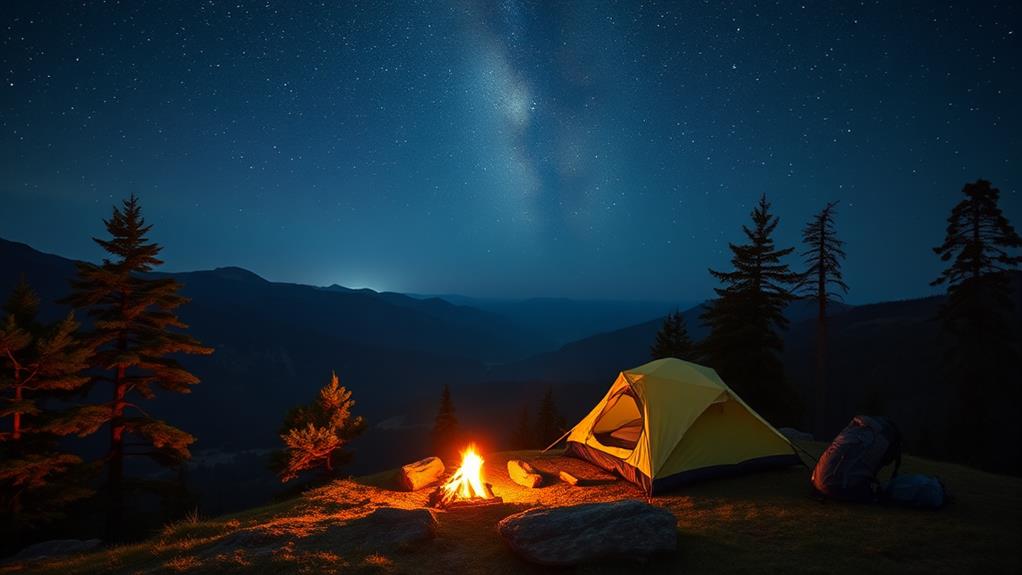
Stargazers and nature lovers, rejoice! When choosing wild camp sites, considering views and stargazing opportunities is a good idea. We’ve found that elevated spots offer the best of both worlds. Here are some tips to make your experience unforgettable:
- Pick areas away from city lights
- Check the moon phase – new moons are ideal
- Look for open spaces with clear skies
- Face south or east for stunning sunrises
We’ve spent countless nights under the stars, and trust us, it’s worth the effort to find that perfect spot. Remember to check weather forecasts before heading out. There’s nothing quite like the freedom of wild camping combined with breathtaking views and a sky full of stars. Have you ever seen the Milky Way from a remote campsite? It’s an experience you won’t forget!
Respect Local Environment
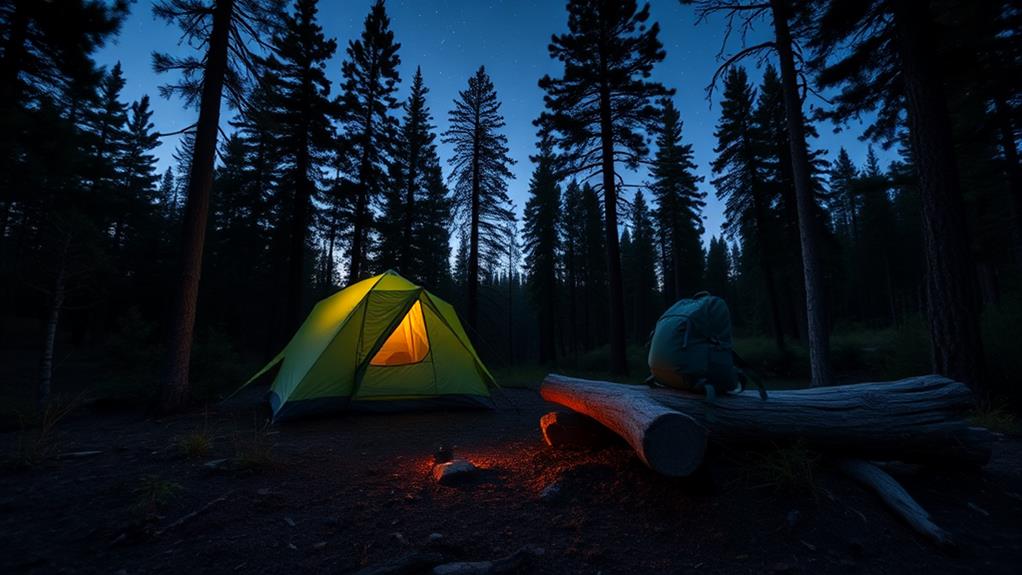
Respecting the local environment is paramount when wild camping. We’ve got to find a wild camping spot that’s at least 200 feet from water sources to protect those precious ecosystems. Remember, we’re guests in nature’s home! It’s much better to choose a previously used site when possible, reducing our impact on untouched areas. And hey, let’s keep an eye out for wildlife activity – we don’t want to crash their party, do we?
Before we set up camp, we should always check local regulations. It’s all about preserving these beautiful spaces for future adventurers. Speaking of which, have you heard of LEAVE NO TRACE principles? They’re our golden rules for wild camping. Pack out all trash, minimize our footprint, and leave the site better than we found it. It’s our responsibility to keep the wilderness wild!
Frequently Asked Questions
How to Pick a Good Spot for Wild Camping?
Let’s challenge the notion that any spot’ll do. We’ve got to assess terrain, steer clear of water sources, and stay wildlife-aware. We’ll factor in weather, seeking natural shelter. It’s about freedom, but also respecting nature’s boundaries.
What Is the Number 1 Rule of Wild Camping?
The number one rule we must follow is Leave No Trace. Let’s respect nature’s freedom by leaving no mark. Safety First, Wildlife Awareness, and Campfire Etiquette are essential too, but preserving the wild’s untouched beauty is our top priority.
How Do I Find the Perfect Camping Spot?
We’ve all been there, searching for that perfect spot. Let’s explore together! We’ll scout for scenic views, nearby water sources, analyze terrain, and consider wildlife. It’s our adventure, so let’s embrace the freedom to discover nature’s hidden gems.
What Is the Rule #1 of Camping?
We all know rule #1 of camping: Leave No Trace. But let’s not forget campfire safety, wildlife encounters, gear essentials, and weather preparedness. They’re key to our freedom in the wild, so let’s embrace them responsibly.


