


⚠️ Disclosure: This post contains Amazon affiliate links. We may earn a commission at no extra cost to you.
When you’re wild camping, having the right navigation tools is key! First up, a detailed topographic map helps you visualize the terrain—those contour lines can be quite revealing. Next, a reliable compass lets you find your way without Wi-Fi. I remember struggling without one and felt lost! Then there are GPS devices; I swear by my Garmin eTrex for its long battery life. Don’t forget navigation apps—they’re lifesavers for offline maps! Finally, bring writing instruments like waterproof pens to jot down notes or cool spots. Curious about how these can make your next trip even smoother? You’re in for a treat!


Key Takeaways
- A topographic map helps visualize terrain and identify elevation changes, crucial for route planning and navigation.
- A reliable compass, such as the Suunto MC-2, ensures accurate navigation and orientation in the wild.
- GPS devices, like the Garmin eTrex 10, provide easy waypoint navigation and route tracking for enhanced confidence while exploring.
- Navigation apps, such as Gaia, allow for offline map access and track location, supplementing traditional navigation tools.
- Writing instruments, including waterproof notebooks, are essential for documenting routes and observations during your wild camping adventures.
Topographic Maps
When you’re venturing into the wilderness for a wild camping trip, understanding topographic maps is essential for navigation. These maps use contour lines to show elevation changes, helping you visualize the terrain, like steep mountains or gentle valleys. Imagine hiking up a slope and knowing exactly what’s ahead! Familiarizing yourself with map symbols—like water bodies and trails—is vital for effective route planning. You’ll often find detailed maps at a scale of 1:24,000, which provide a clearer view of your surroundings. Always stash your topographic map in a waterproof case to keep it safe from the elements. And remember to check your map regularly; it keeps your orientation sharp and makes exploring that much more exhilarating!
Recommended Products

Fit for performance with rugged, sophisticated design that features an always-on 1.2 inches sunlight-readable display with bezels in stainless steel, titanium or diamond-like carbon (DLC) coating

Seven-color, double-sided map

Made in Colorado - Hand painted and sealed
Reliable Compass

Steering through the wilderness can be a thrilling experience, but it hinges on having a reliable compass. The Suunto MC-2 is a fantastic choice, featuring a sighting mirror and adjustable declination for precise navigation. Remember, magnetic declination can change, so adjusting your compass heading is essential—like in Denver, where it was 8° 11′ EAST as of April 2018. Familiarizing yourself with the bezel and baseplate will help you take bearings and triangulate positions on topographic maps. Don’t forget to practice map orientation and navigation techniques! Using a clinometer, like on the Brunton TruArc 3, can help you measure slopes too. So gear up, embrace the freedom of the wild, and let your compass guide you!
Recommended Products

Built for teaching: Complete 12-student kit for schools, camps, and SAR programs—everything needed to run hands-on map & compass lessons from indoors to field.

2-3/4" Direct-Reading Dial

Advanced Navigational Compass: Made with serious hikers in mind, this professional mirror compass was designed for precise directional measurement and has been balanced for global use with Metric UTM scales and inch ruler
GPS Devices
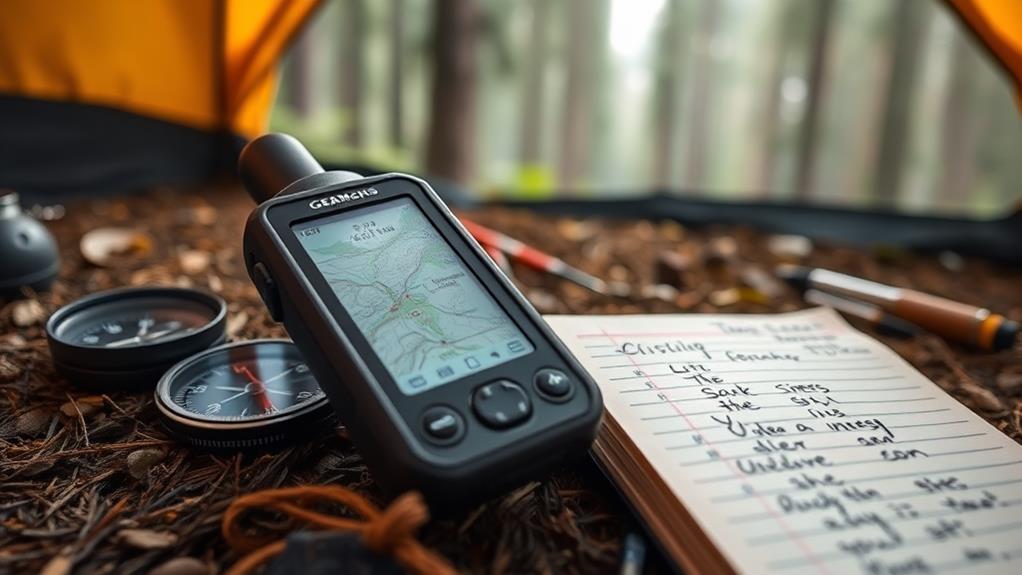
A reliable compass is just one part of the navigation toolkit for wild camping, and GPS devices add another layer of convenience and accuracy. They can make your adventures smoother and more enjoyable. For beginners, here are a few popular options:
| Device | Battery Life | Key Feature |
|---|---|---|
| Garmin eTrex 10 | Up to 25 hrs | Worldwide basemap |
| Suunto Ambit3 Peak | Up to 200 hrs | Altitude & barometric data |
| Bushnell BackTrack GPS | Compact | Mark & navigate back |
Using GPS technology helps improve your navigation skills with waypoint navigation and route tracking. Whether you’re trekking with the Garmin eTrex or checking out the rugged Garmin GPSMAP 64st, you’ll feel free to explore the wild with confidence. So, gear up and embrace the outdoors!
Recommended Products

Rugged handheld navigator with preloaded worldwide basemap and 2.2 inch monochrome display
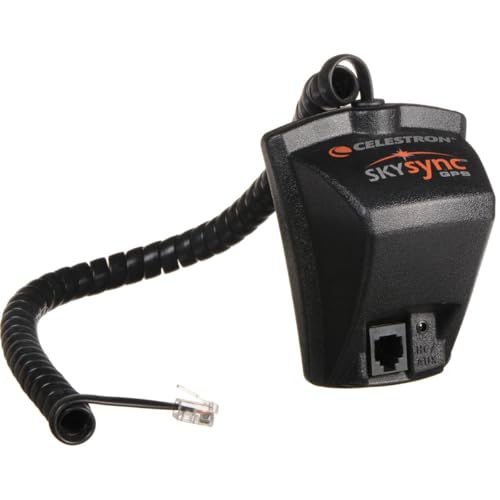
ADD GPS FOR THE MOST ACCURATE ALIGNMENT: Upgrade your Celestron computerized telescope with ultra-precise 16-channel GPS time, date, and location data.

Compact and lightweight GPS handheld navigator boasts an anti-slip design offering a bright 3.2" screen that is sunlight readable, even in bright sunlight, plus, physical buttons provide more versatility in any conditions
Navigation Apps
Navigation apps have revolutionized the way we explore the great outdoors, providing you with powerful tools right at your fingertips. With apps like Gaia and Avenza Maps, you can download offline maps, ensuring you’re covered even in areas without cell service. Imagine hiking through stunning landscapes, your smartphone actively tracking your location with GPS technology! Just remember, battery life can be tricky—your device might only last 1-2 days, so a portable charger is a must. Pairing these apps with traditional tools, like a map and compass, boosts your preparedness. Plus, learning compass skills is a great backup if technology fails. So, are you ready to embrace these digital helpers and discover the freedom of wild camping?
Recommended Products

【Applicable Models】This car stereo is compatible with the Original Factory Style Car radio Dodge Charger Challenger 2015 2016 2017 2018 2019 2020 2021 2022 2023. Please check the year, dimensions, and shape of the center console of your vehicles before purchasing. If you are unsure, you can send messages, We will deal with it within 24 hours

14.6 inch Android 12+ C12 Car Multimedia Stereo Radio Audio Navigation Sat Nav Head Unit for Toyota Tundra 2014 2015 2016 2017 2018 2019 2020 2021 (NOTE: ONLY Fit vehicles Without the factory 360 Birds Eye, If your vehicle is equipped with the Factory 360° camera, You must add the “OEM 360 Birds Eye Accessories” to ensure proper functionality.)

𝗕𝘂𝗶𝗹𝘁 𝗳𝗼𝗿 𝗖𝗵𝗲𝘃𝘆 𝗦𝗶𝗹𝘃𝗲𝗿𝗮𝗱𝗼 𝗮𝗻𝗱 𝗚𝗠𝗖 𝗦𝗶𝗲𝗿𝗿𝗮 (𝟮𝟬𝟭𝟰-𝟮𝟬𝟭𝟴): Provides seamless integration with an OEM-style factory look. *Compatible with non-Bose and Bose-equipped vehicles. Does not retain certain factory features (see installation guide for details).
Writing Instruments

How can you keep track of your journey and important waypoints while wild camping? Writing instruments are your best friends! You’ll want at least two reliable pens—retractable ballpoints work wonders in various weather. Grab a waterproof, all-weather notebook, like the Rite in the Rain All-Weather Notebook, so your notes stay intact even if rain surprises you. Jotting down your progress and marking significant locations will not only help with navigation but also enhance your route planning for future adventures. Plus, detailed notes boost your organization and preparedness, making your trips smoother and more enjoyable. Trust me, the effort you put into taking notes pays off next time you hit the wild! So, ready to release your inner explorer?
Recommended Products
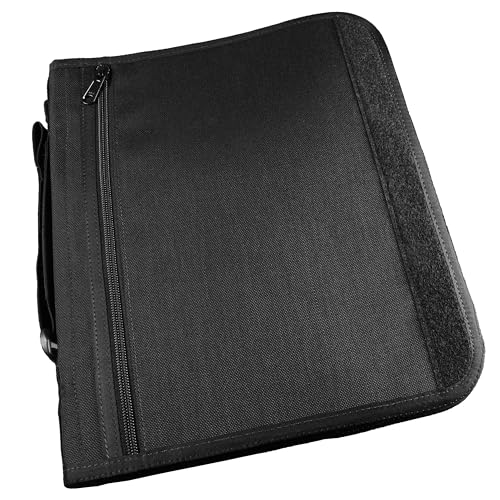
Repels water, sweat, grease, and mud

CORDURA fabric Cover: Tough squadron fabric for main cover with tri-folding layout.

WEATHERPROOF PAPER: 500 sheets of tan 20# Copy Paper per pack. All-weather paper won’t turn to mush when wet and will repel water, sweat, grease, mud, and even survive the accidental laundry mishap. Make sure your printer paper stays RIGHT in the Rain.
Frequently Asked Questions
What Is the Best Way to Navigate in the Wilderness?
Maneuvering the wilderness is like dancing with the wild; you need compass basics and map reading to lead. Combine GPS devices, natural navigation, and situational awareness for confident wayfinding and emergency signaling when adventure calls.
What Forms of Navigation Are Available in the Wilderness?
When traversing the wilderness, you’ve got options: map reading, compass skills, GPS devices, and natural navigation. Use trail markers, terrain features, and star navigation for guidance, blending digital apps and wayfinding techniques for freedom and safety.
How to Navigate the Woods?
Maneuvering the woods isn’t just a challenge; it’s an adventure! Master compass skills, read maps like a pro, track wildlife, and utilize GPS devices. Don’t forget natural navigation, star guidance, and weather awareness for ultimate freedom!
What Is the Navigation Function in Hiking?
In hiking, navigation’s about mastering map reading, honing compass skills, and using GPS devices. You’ll rely on trail markers, natural navigation, and altitude awareness for route planning, distance estimation, and emergency signals to enhance your adventure.


