

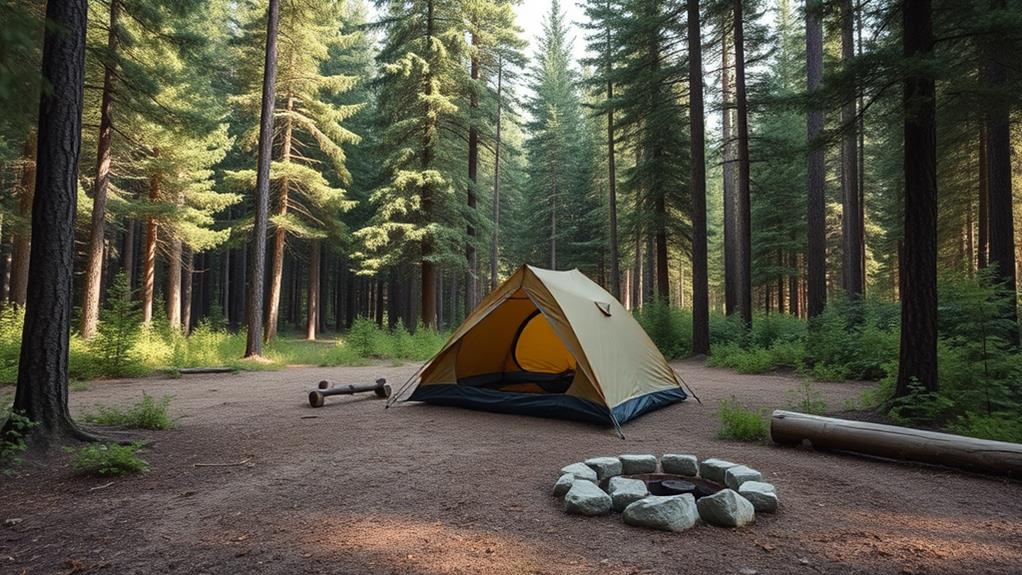
⚠️ Disclosure: This post contains Amazon affiliate links. We may earn a commission at no extra cost to you.
Novice campers, listen up! We’ve all been there – excited for our first wilderness adventure but unsure where to pitch our tent. Secure spots are essential for a safe and enjoyable experience. Why? Well, they offer protection from wildlife, easier access to water sources, and shelter from unpredictable weather. Plus, you’ll have peace of mind knowing you’re camping legally and responsibly. Remember our first trip when we accidentally set up camp in a flood zone? Yikes! Choosing the right location can make or break your outdoor getaway. From campsite security to nearby amenities, there’s a lot to take into account. Stick with us, and we’ll guide you through the wilderness like pros.


Key Takeaways
- Secure wilderness spots offer safety from hazards and wildlife, crucial for inexperienced campers.
- Proper campsite selection ensures accessibility and comfort, easing novices into the camping experience.
- Proximity to water sources and amenities provides convenience and reduces stress for beginners.
- Protected areas shield novice campers from sudden weather changes and environmental challenges.
- Secluded and secure locations enhance privacy, allowing newcomers to enjoy nature without disturbances.
Assessing Campsite Accessibility
When evaluating campsite accessibility for novice campers, we’ve got five key factors to contemplate. First up, let’s talk about proximity to roads or trails. Trust us, when you’re just starting out, you’ll want a developed campsite that’s easy to reach. It’s not about being lazy; it’s about having peace of mind. Next, we’re looking at terrain. Remember our first camping trip? We learned the hard way that flat ground is your best friend for setting up tents. Here’s one of our essential tips for beginner campers: check those local maps for accessibility features. They’re lifesavers when you’re lugging gear around. Safety first, right? So, we always make sure to steer clear of flood zones and cliffs. Finally, don’t forget to scope out nearby amenities. A little comfort goes a long way in the wilderness!
Recommended Products

The Rev Rack Tent is a heavy-duty, 4-season, 2 person Roof Top Tent with a built-in mattress that weighs only 25 lbs / 11 kgs and includes hardware to mount directly to platform-style roof racks 48” x 84” / 1220mm x 2134mm or larger

【1500LBS Heavy Duty Trampoline】 The Max loading of this trampoline 16 ft is 1500LBS, can hold 8-10 kids. This trampoline for adults and kids provide a safe and effective way to have family fun while burn calories and improve overall coordination. Please remind that the weight of single user does not exceed 264 LBS, for prevent injuries caused by uneven strength on trampoline

【Heavy Duty Alloy Steel Frame】The upgraded 13x26 commercial pop up canopy tent frame can hold up to 220 lbs (100 kg) on a single pole. The frame can hang 11 adults at the same time! Can withstand 4 winds.(<18 mph). 13x26 party tent with an upgraded alloy steel full truss structure, and reinforced plastic parts at the stress points at the intersection of the peaks and poles. 13x26 heavy duty canopy frame with powder coated coating guarantees rust resistance and corrosion resistance.
Understanding Terrain and Hazards
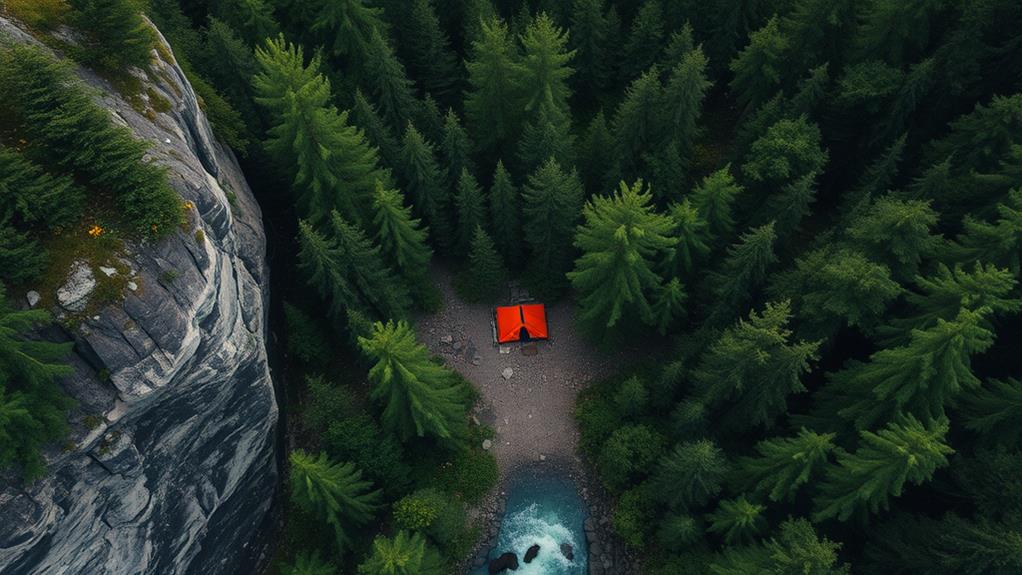
Now that we’ve covered accessibility, let’s tackle the nitty-gritty of terrain and hazards. We’ve all been there – excited for our outdoor adventure, but a bit nervous about what we might encounter. That’s why understanding the lay of the land is essential for us freedom-seeking campers. We need to scope out the terrain, keeping an eye out for those pesky elevation changes and potential obstacles. Trust me, nobody wants to pitch their tent on unstable ground or near a flash flood zone! And let’s not forget about our wild neighbors. Knowing the local hazards, like curious bears or sneaky poison ivy, can make or break our camping experience. By choosing smart camping locations and brushing up on the area’s flora and fauna, we’re setting ourselves up for a safe and unforgettable wilderness escape. Ready to explore?
Proximity to Water Sources
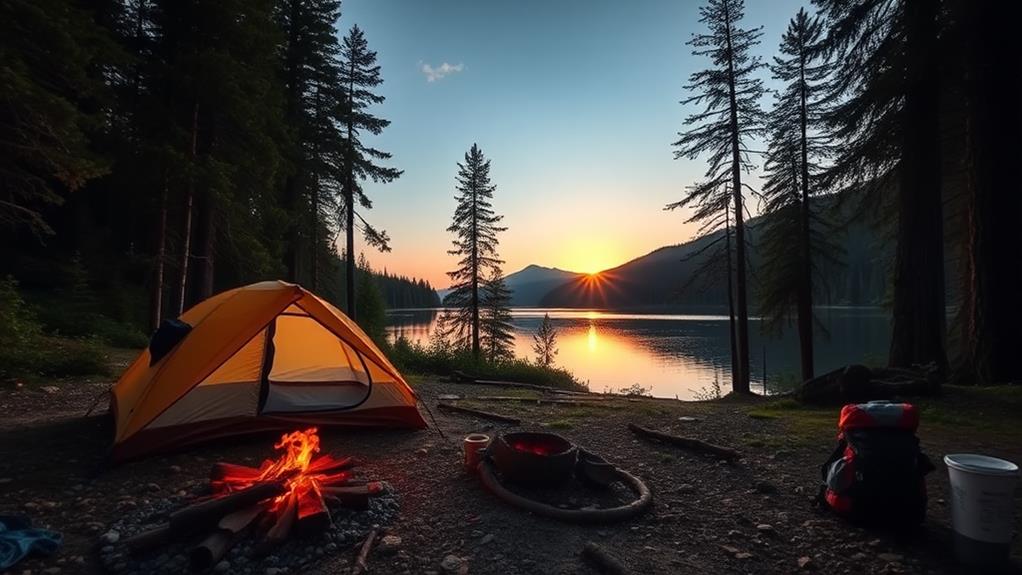
When we’re setting up camp, we’ve got to think about water – it’s not just about quenching our thirst, but also about safety and convenience. We’ll want to be close enough to water for easy access, but not so close that we’re disturbing nature or putting ourselves at risk. Let’s explore how to strike that perfect balance between staying hydrated and respecting our surroundings, shall we?
Hydration and Safety Benefits
Novice campers’ proximity to water sources is a game-changer when it comes to hydration and safety in the wilderness. We’ve all been there – parched and exhausted on a backcountry camping trip, wishing we’d planned better. That’s why staying near water is essential. Not only does it keep us hydrated, but it also lightens our load. Remember, we need about half a gallon per person daily, and that adds up fast!
Here’s a quick guide to water needs and benefits:
| Activity Level | Daily Water Need | Weight Saved | Safety Benefits |
|---|---|---|---|
| Low | 1.9 L | 3.6 kg | Basic hydration |
| Moderate | 2.5 L | 5.0 kg | Cooking, cleaning |
| High | 3.0 L | 6.0 kg | Personal hygiene |
| Extreme | 3.5+ L | 7.0+ kg | Emergency use |
Don’t forget those water purification methods! They’re your ticket to safe sipping in the great outdoors.
Environmental Impact Considerations
Many novice campers overlook the environmental impact of setting up camp too close to water sources. We’ve all been tempted by those picturesque spots right next to a babbling brook, but here’s the thing: our camping choices can have big consequences. By following Leave No Trace principles, we’re not just being good stewards; we’re preserving the freedom to explore for generations to come.
Ever wondered why rangers suggest camping at least 200 feet from water? It’s not just about keeping our boots dry! Choosing the right camping spots helps protect delicate ecosystems and keeps wildlife encounters to a minimum. Trust us, you don’t want to wake up to a bear raid! Plus, by setting up camp on higher ground, we’re reducing our impact and keeping those pristine water sources clean for everyone to enjoy.
Wildlife Considerations for Beginners
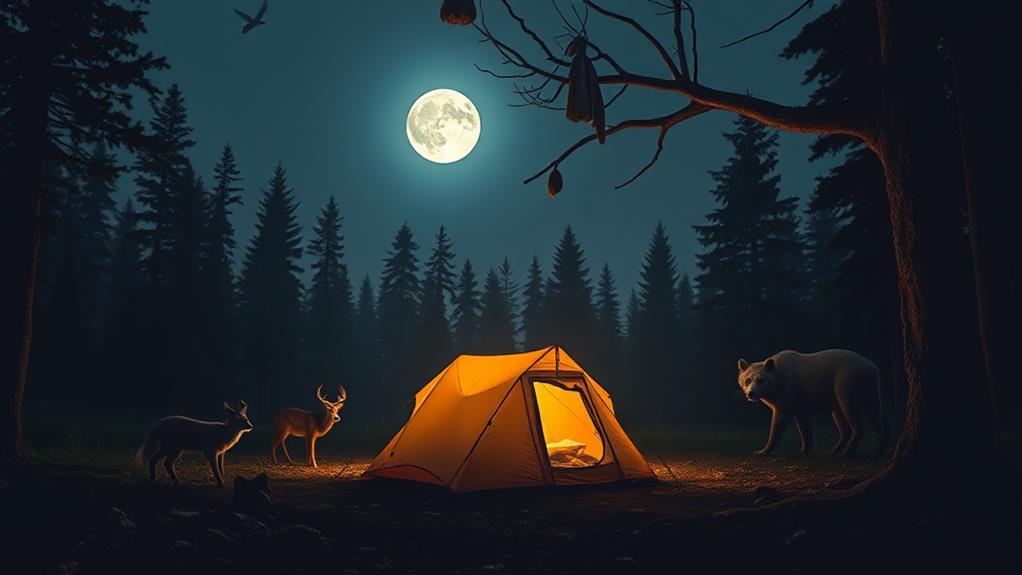
As beginners venture into the wilderness, it’s essential we comprehend the importance of wildlife safety. Did you know that 70% of wildlife-related injuries involve inexperienced campers? That’s why we’ve got to be smart about our camping spots. Here are four key tips for backcountry campers:
- Choose sites at least 100 yards from wildlife trails and water sources
- Use bear-resistant containers to reduce attracting animals by 90%
- Make noise while hiking to avoid surprising wildlife
- Learn local animal behaviors and implement safety measures
Recommended Products

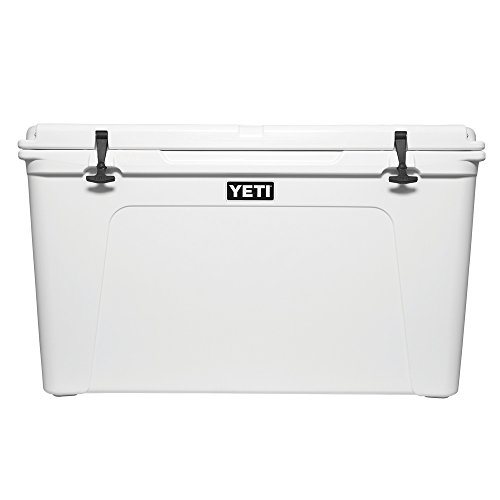
The YETI Tundra 210 is our deepest outdoor cooler, lets you haul a mighty load of food or drinks without taking up too much space
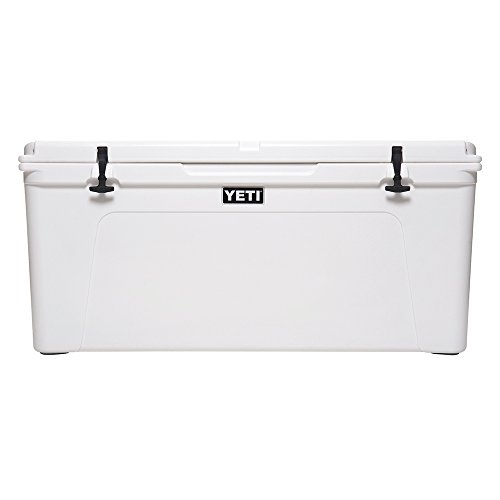
The YETI Tundra 160 is designed for those guys and gals who are in the field or on a boat season after season, for whom ordinary coolers just won’t cut it. Durable? You bet.
Shelter From Environmental Elements
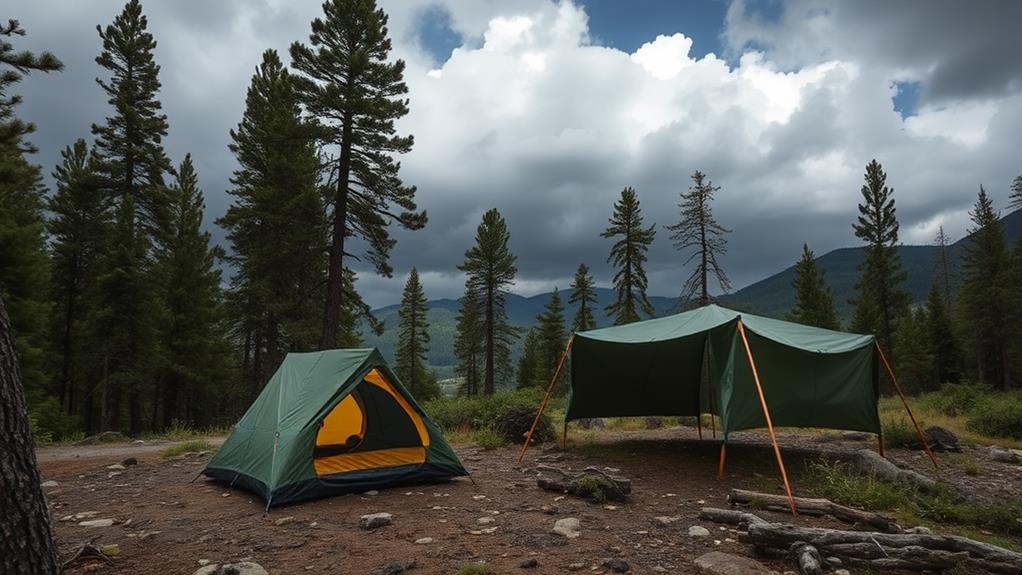
When it comes to shelter in the wilderness, we can’t overstate its importance for novice campers. Trust us, we’ve been there! Secure wilderness spots are your best friend when you’re a first-timer facing Mother Nature’s mood swings. Remember that time we got caught in a sudden downpour? We were glad we’d chosen a spot with natural windbreaks! These little havens can be lifesavers, shielding you from rain, wind, and extreme temperatures. Plus, they’re great for quick setups when weather turns sour. But it’s not just about comfort – proper shelter from environmental elements can prevent serious issues like hypothermia. And here’s a bonus: a well-chosen site reduces the chances of unexpected wildlife encounters. So, novice campers, take it from us – securing that perfect spot is your ticket to a safer, more enjoyable wilderness adventure!
Recommended Products
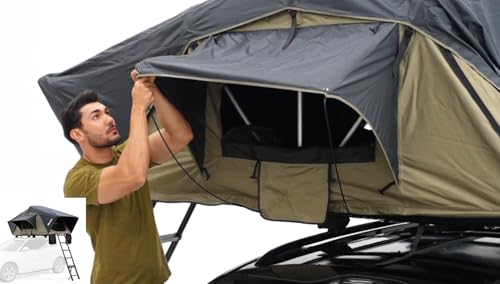
FITS MOST CAR: Meedo Apolle rooftop tent can be mounted on most vehicles with installed racks, and can be easily taken on or off as you can.

Revolutionary Fabric Technology - Experience superior HyperBead technology across our ultralight tent line. This proprietary waterproof tent fabric outperforms traditional materials without added chemicals. The breathable combination of solution-dyed nylon ripstop and polyester mesh is engineered for lasting performance whether you choose a 2 person tent or larger family camping tent

Amenities and Emergency Resources
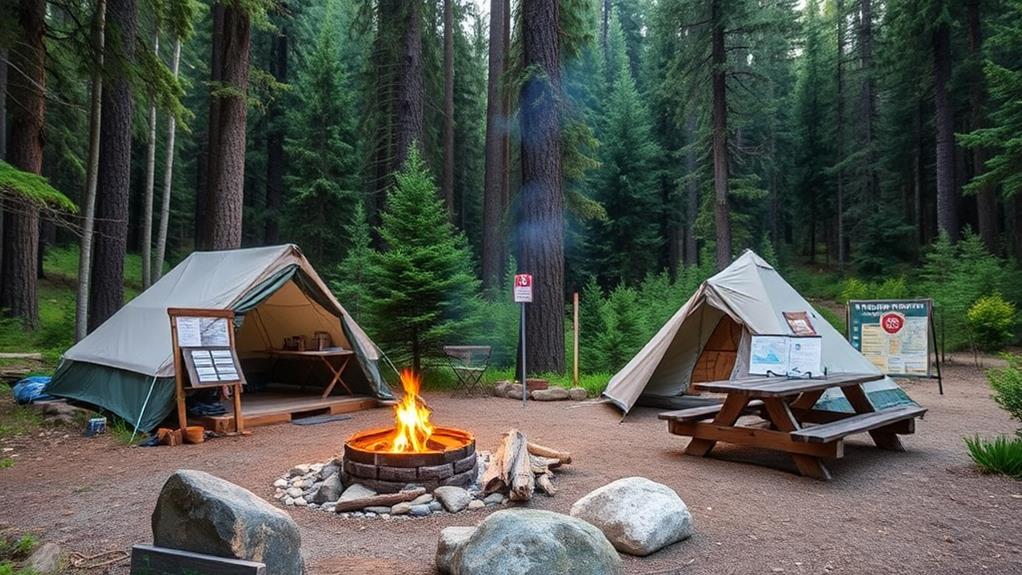
Now that we’ve covered shelter basics, let’s talk about the creature comforts that can make or break a camping trip for newbies. Developed campgrounds offer amenities and emergency resources that’ll have you feeling like a seasoned pro in no time. Here’s what you can expect:
- Running water and toilets (goodbye, digging holes!)
- Cooking facilities for whipping up gourmet campfire meals
- Emergency services and rangers at your fingertips
- Safety features like bear boxes to keep critters at bay
These perks aren’t just about comfort – they’re about peace of mind. With maintained sites, clear paths, and better cell service, you’ll be free to focus on the important stuff: connecting with nature and having a blast. Trust me, I’ve been there, and these little luxuries can turn a potentially stressful experience into an unforgettable adventure.
Recommended Products

Rotomolded: Our coolers are made from rotationally-molded LLDPE plastic and are designed to achieve even wall thicknesses for optimal durability

The YETI Tundra 65 is just as adept at keeping your catches cold in the field as it is storing the drinks and food for your backyard barbecue, this ice chest is plenty roomy, holding a limit of redfish or your prized brisket

The YETI Tundra 45 combines versatility with durability with a capacity of up to 26 cans with a recommended 2:1 ice-to-contents ratio
Campsite Security and Privacy
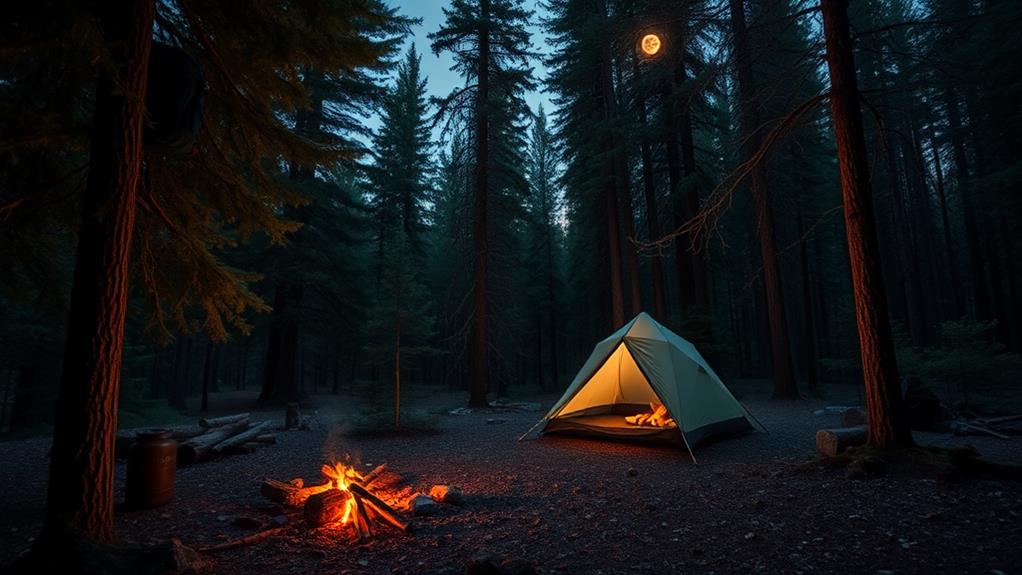
When it comes to campsite security and privacy, we’ve got some tricks up our sleeves! Let’s start by talking about choosing secluded camping spots – it’s like finding your own little slice of paradise in the wilderness. While we’re at it, we’ll share some tips on safeguarding your personal belongings, because nobody wants uninvited guests (human or animal) rummaging through their gear.
Recommended Products

Adjustable Size for 1–4+ Day Trips: Expands and collapses as your food supply changes, reducing wasted space in your pack. The center access and optional divider help you stay organized out on the trail.

Bundle Includes: 4 x Stealth Cam Bear Security Box (Large)

New MidSize Option, BV475 Trek! Shorter than the BV500 bear can for long distance backpackers, yet light and roomy for 5-6 days of camp food or more. Great for small groups and family trips too.
Choosing Secluded Camping Spots
Why do secluded camping spots appeal to novice campers? We’ve found that these hidden gems offer a level of privacy and tranquility that’s hard to beat. When you’re just starting out, secure wilderness spots can make you feel safer and more at ease. Plus, you’re more likely to spot wildlife in their natural habitat!
Here’s why we love secluded camping spots:
- Enhanced privacy for a peaceful experience
- Better wildlife viewing opportunities
- Increased sense of security
- Stunning views and a stronger connection to nature
We’ve noticed that novice campers who prioritize privacy and security tend to have a more enjoyable trip overall. It’s like finding your own little slice of paradise in the great outdoors! Have you ever stumbled upon a secluded spot that took your breath away? Trust us, it’s an experience you won’t forget!
Safeguarding Personal Belongings
While secluded spots offer privacy, they also come with unique security challenges. We’ve learned the hard way that safeguarding our stuff is essential for a worry-free camping experience. So, how do we keep our belongings safe in secure wilderness spots?
First, let’s talk about our vehicles. We always lock up and stash valuables out of sight. It’s amazing how many folks forget this simple step! When backpacking, we carry extra locks for our packs and use bear-proof containers for food. These little precautions go a long way.
At the campsite, we’ve found that setting up away from trails adds an extra layer of security. And here’s a pro tip: establish a buddy system. This way, someone’s always keeping an eye on our gear. Trust us, it’s a game-changer for peace of mind in the great outdoors!
Legal and Ethical Camping Practices

Many novice campers overlook the essential aspect of legal and ethical camping practices. We’ve got to remember that camping involves more than just pitching a tent and roasting marshmallows. It’s about respecting nature and following the rules. Here’s what we need to keep in mind:
- Verify if we’re on public land or need permission
- Follow Leave No Trace principles religiously
- Check if specific permits are required for our chosen spot
- Adhere to local campfire regulations
Let’s be honest, we all want the freedom to explore the great outdoors, but with that comes responsibility. By embracing these legal and ethical camping practices, we’re not just protecting ourselves from fines or trouble – we’re preserving the wilderness for future adventures. Remember, it’s our playground, so let’s treat it right!
Frequently Asked Questions
Are Campers Safer Than Tents?
Envision this: We’re nestled in nature’s embrace. While tent durability has improved, camper advantages shine through. We’ve got better weather protection, setup convenience, and a secure fortress on wheels. Let’s roam freely, knowing we’re safer in our mobile haven.
What Does Hike in Primitive Campsite Mean?
We’re talking about true wilderness freedom here! Hike-in primitive campsites mean we’re packing our essential gear and trekking to remote spots. We’ll choose our own site, embrace nature’s challenges, and maybe even have some thrilling wildlife encounters. It’s pure adventure!
What Are the Do’s and Don’ts of Camping?
Let’s plunge into camping’s rulebook, wild and free like untamed rivers. We’ll master campfire safety, secure food storage, navigate wildlife encounters, and practice campsite etiquette. Remember, we’re guests in nature’s home, so let’s tread lightly and respectfully.
When Picking a Campsite You Should Avoid What Kinds of Areas?
When choosing a campsite, we’ll want to steer clear of water sources, areas with heavy wildlife activity, unstable terrain, and spots exposed to harsh weather. Let’s embrace our freedom while respecting nature’s potential dangers for a truly wild experience.